
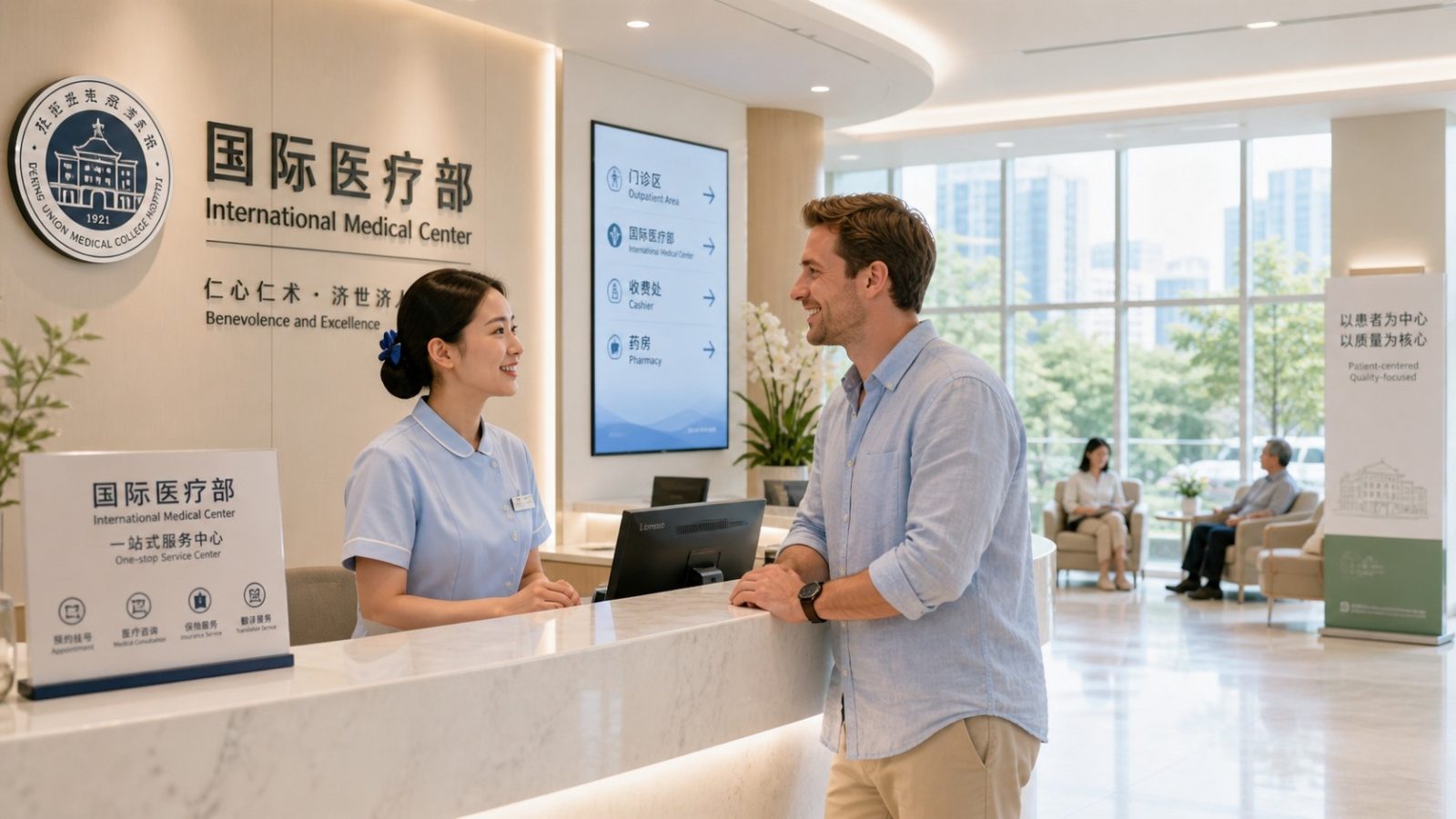

The Language Barrier in Public Hospitals
If you have ever tried to navigate a public hospital in China, you know the feeling. The corridors are packed, the air is thick with the smell of disinfectant, and the digital kiosks for registration only speak Chinese. For an expat or traveler, this isn’t just inconvenient; it is intimidating.
Most people assume they must choose between two extremes: expensive private international clinics (like United Family or Jiahui) or navigating the chaotic general outpatient departments of public hospitals with no language support. But there is a third option that often goes unnoticed by foreigners living in China: the International Medical Departments (IMD), also known as VIP wings, inside top-tier public hospitals.
What Are Grade 3A Hospitals?
To understand where to go, you first need to understand how Chinese hospitals are ranked. In China, public hospitals are classified into three tiers: Grade 1, Grade 2, and Grade 3. Within each grade, there are sub-classes: A, B, and C.
The highest level is the Grade 3A (San Jia) hospital. These are not just local clinics; they are massive medical centers that handle complex surgeries, rare diseases, and serve as teaching hubs for medical students. If you have a serious health issue, this is where the best doctors in the country work. There are roughly 1,700 of these hospitals across China, usually one or two per major city.
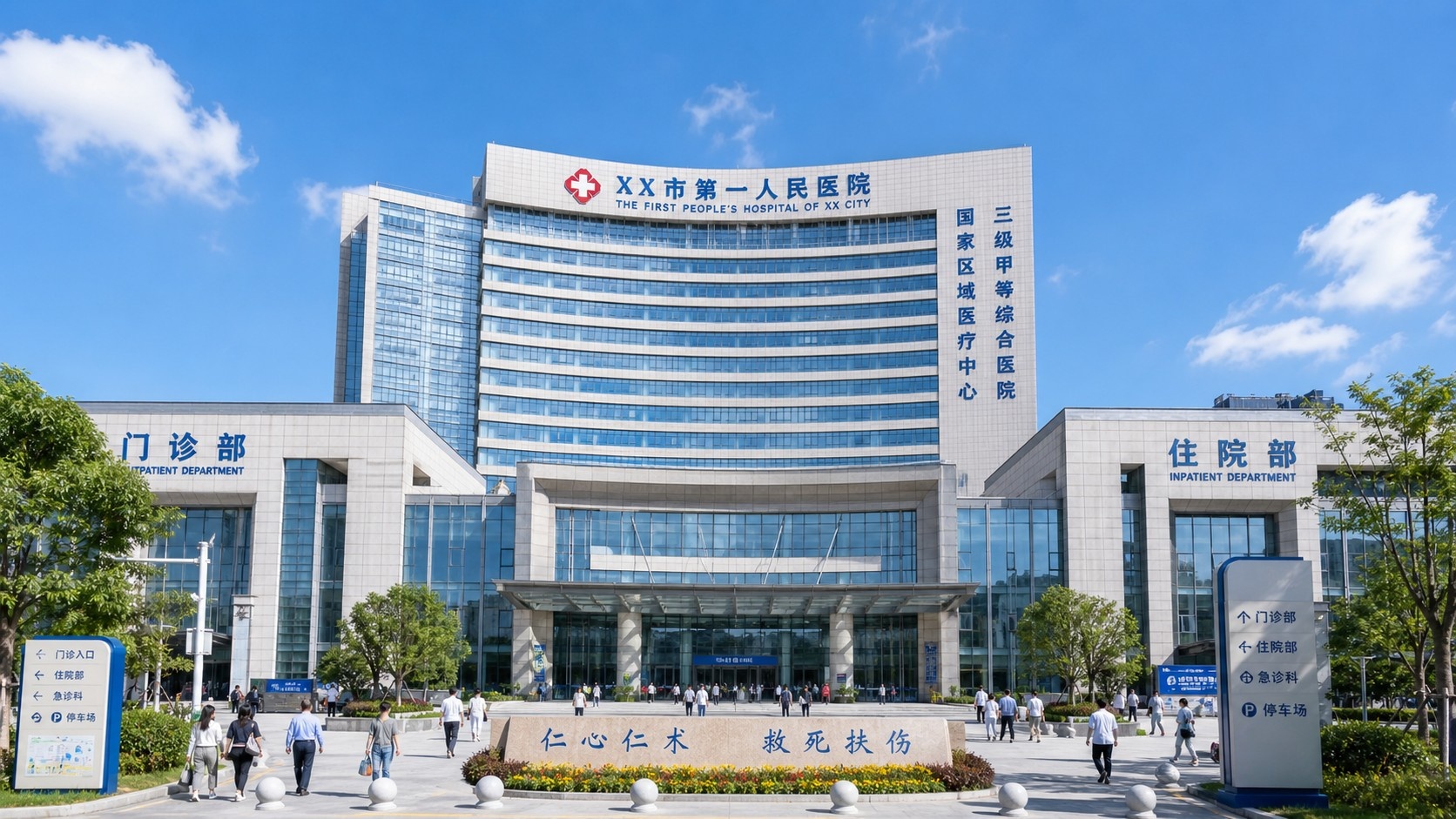
The International Wing: A Different Experience
Inside these massive public institutions, many Grade 3A hospitals have established an International Medical Department (IMD) or a VIP Outpatient Center. These are physically separate from the general public wards—often located in a dedicated building or on specific floors with private entrances.
The experience here is radically different from the general outpatient area:
- English-Speaking Staff: Doctors and nurses in these wings often have overseas training or extensive experience working with foreigners. You can communicate your symptoms clearly without relying on a patient’s relative to translate.
- Shorter Wait Times: Instead of waiting hours in a crowded chair, you usually book an appointment for a specific time slot. The environment is quieter, cleaner, and more private.
- Comprehensive Care: These departments often offer end-to-end services, including translation assistance during procedures, direct billing with international insurance companies, and easier access to specialist referrals.
The doctors themselves are usually the same top-tier experts who work in the general wards. You are not getting a “lesser” doctor; you are paying for privacy, convenience, and language support.
Cost: The Middle Ground
This is where the IMD shines for many expats. Private international clinics can cost 5 to 10 times more than public hospitals. General public wards are cheap but lack English services.
The International Wings sit in a middle ground. Consultation fees are significantly higher than the standard public rate (which might be $2 USD) but often lower than private clinics (which might be $80-$150 USD). A typical consultation might range from $30 to $60 USD, depending on the doctor’s seniority and the city.
Crucially, many IMDs are now partnered with major international insurance providers. If you have comprehensive health insurance as an expat, check if your policy covers “public hospital international departments.” In many cases, they do, making this a financially viable option compared to fully private care.
How to Find and Book
Finding these departments requires a bit of local know-how. You cannot just walk into the main entrance and ask for an English doctor; that queue is for general emergency or common cold cases.
- Identify the Hospital: Search for the largest Grade 3A hospitals in your city (e.g., Peking Union Medical College Hospital in Beijing, Huashan Hospital in Shanghai). Look for keywords like “International Medical Center,” “VIP Department,” or “Foreign Patient Wing” on their websites.
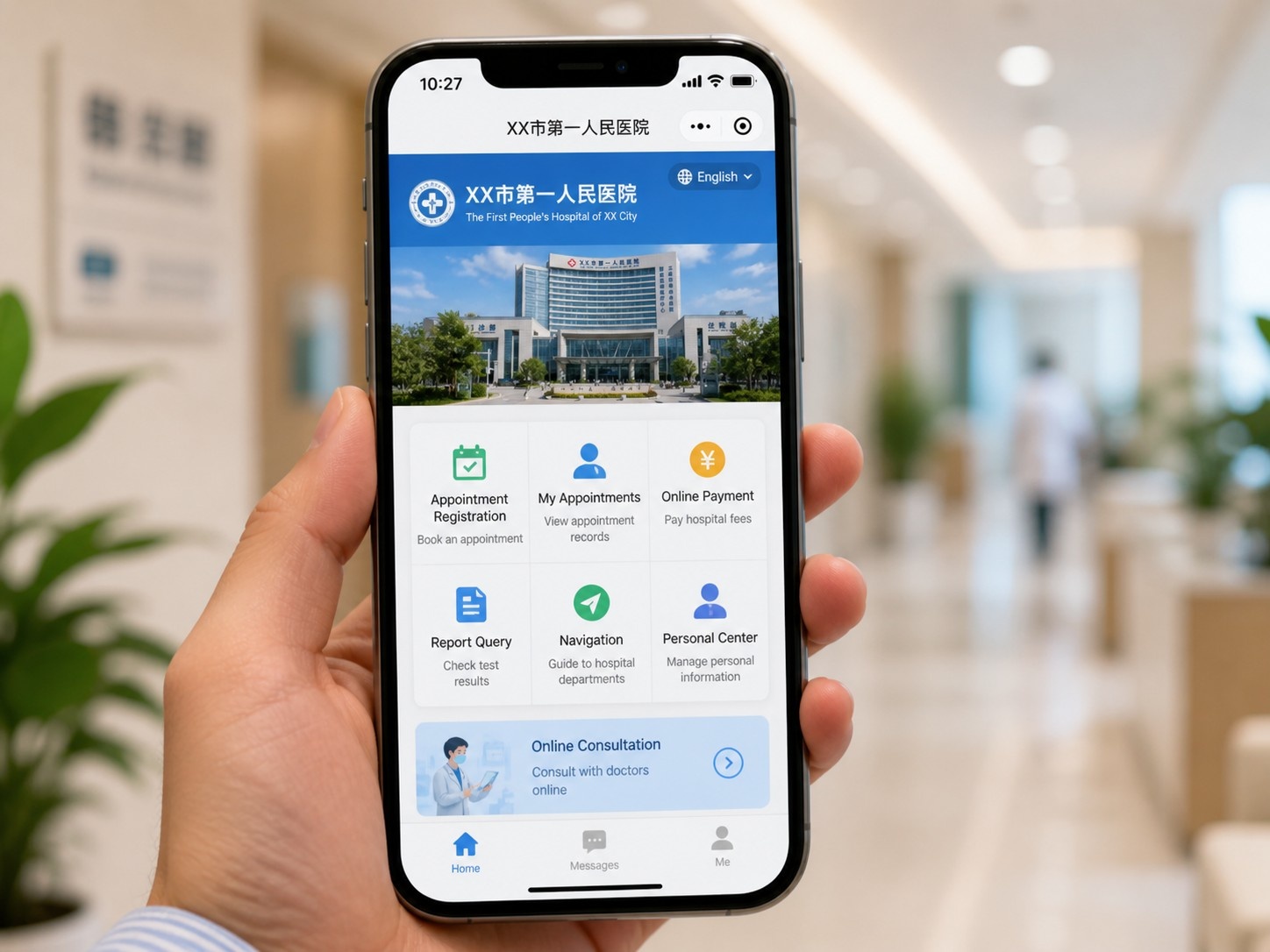
- Use Official Apps: Most top hospitals have their own WeChat mini-programs or mobile apps. Switch the language to English if available, or look for icons indicating international services.
- Third-Party Platforms: For non-emergency care in major cities like Shanghai and Beijing, platforms like Healthcare Gateway or local expat medical agencies can help book appointments with doctors who speak fluent English. They act as intermediaries, handling the translation and administrative hassle for you.
What to Expect on Your Visit
When you arrive at an International Wing, the process is streamlined. You will likely check in at a dedicated desk with your passport and insurance card. The waiting area resembles a lounge rather than a hospital ward.
During the consultation, take time to explain your history clearly. Because these doctors see many foreigners, they are often familiar with common expat health issues, from seasonal allergies to travel-related concerns. After the diagnosis, prescriptions can usually be filled at an on-site pharmacy, and you will receive a detailed English summary of your visit for your records or insurance claims.
Conclusion
Navigating healthcare in a new country is stressful, but China’s medical system has evolved to meet the needs of its international community. The International Wings of Grade 3A hospitals offer a unique blend of top-tier medical expertise and expat-friendly services. By knowing where to look and how to book, you can access high-quality care without the steep price tag of private clinics or the chaos of general public wards.