


The Unexpected Invitation
It starts with a smile. You are walking near the Wangfujing pedestrian street in Beijing or strolling along Shanghai’s Bund, enjoying the evening air. A young person approaches you, speaking fluent English. They say they are students from a nearby university and want to practice their language skills through “authentic cultural exchange.”
The invitation is warm and seemingly harmless: “Would you like to come back to our dorm? We have some very good Chinese tea and we can talk about Chinese culture.” You might feel flattered. After all, isn’t this the kind of friendly interaction travelers dream of?

The Setup Is Already in Motion
Here is the reality check: if a stranger on a busy tourist street initiates a conversation about tea and invites you to a “private” location, it is almost certainly not just about friendship. This is a classic scam known as the “Tea House Scam” or “Fake Tea Ceremony.”
The students are often part of an organized group, not random individuals seeking pen pals. They have been trained in specific scripts to build rapport quickly. The goal is never the tea; it is the sale.
Inside the Trap: Price and Pressure
Once you arrive at the “tea house”—which might be a small, dimly lit room in an old apartment building or a discreet shop nearby—the dynamic changes instantly. The friendly hosts become professional sellers.
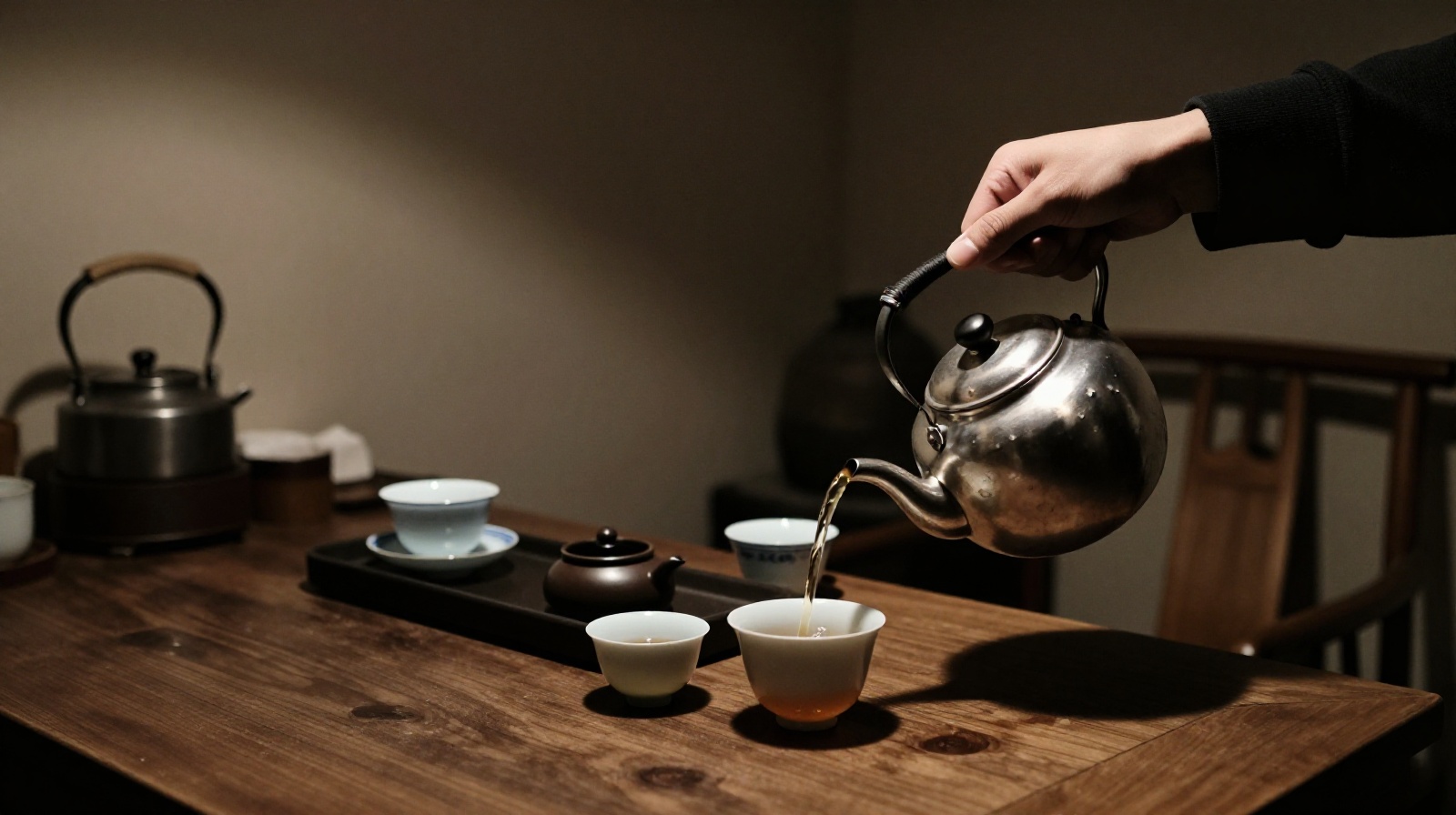
They will present tea that looks impressive: large, dried leaves, often wrapped in traditional paper. They claim this is a rare, centuries-old variety, hand-picked by monks or from a specific sacred mountain. They brew it with ceremony, pouring the amber liquid into tiny cups.
Then comes the price reveal. The bill might range from 2,000 to 10,000 RMB (approximately $300–$1,400 USD) for a small amount of tea. This is not market value. In China, you can buy excellent high-grade tea for a fraction of that price at any reputable local shop or online platform.
The pressure is intense. You are surrounded by several people who speak English and use psychological tactics to make you feel guilty for leaving without buying. They may even block the door or refuse to let you go until you pay.
Other Common Variations
This scam is not isolated. It shares DNA with other tourist traps targeting foreigners:
- The “Old Friend” Scam: Someone claims you look like a friend they knew years ago and invites you to dinner, resulting in an exorbitant bill.
- Fake Calligraphy Lessons: An artist offers to teach you Chinese calligraphy. After hours of “instruction,” you are handed a bill for thousands of dollars for materials.
- Fortune Telling: A street performer reads your fortune, predicting bad luck unless you buy an expensive talisman or perform a ritual at a specific temple.

How to Respond Like a Local
The good news is that most Chinese people are genuinely friendly and curious. The scammers are a small minority trying to exploit that goodwill. Here is how to handle these situations gracefully:
- Stay Public: Politely decline invitations to go indoors, to dorms, or to private shops. “Thank you, but I am meeting friends soon,” or “I need to catch the subway.”
- The Magic Phrase: Learn this simple Chinese sentence: Bu xuyao, xiexie (No need, thank you). Say it firmly and keep walking. You do not owe them an explanation.
- Avoid Eye Contact: If someone approaches aggressively, do not engage. Pretend to be on a phone call or walk faster.
The Real Chinese Tea Experience
If you are genuinely interested in Chinese tea culture, seek out established, reputable tea houses or join organized cultural workshops offered by hotels or official tourism centers. In cities like Hangzhou (near West Lake) or Fuzhou, local tea culture is alive and vibrant, but it happens in public spaces where commerce is transparent.

Chinese tea drinking is a daily ritual for millions, not a secret ceremony reserved for tourists who need to be “selected.” It is about relaxation, conversation, and flavor—not high-pressure sales tactics. By staying alert and polite, you can enjoy the genuine warmth of Chinese hospitality without falling into these traps.