


The First Rule of Birthday Club
Imagine this: You’re in Shanghai. It’s your birthday. Your colleagues or friends drag you to a nice restaurant, order enough food for an army, and then the waiter arrives with the bill.
In most Western countries, the natural assumption is that everyone splits the cost evenly, or perhaps one person treats the group as a gift. But in China? The eyes of the entire table turn to you. You are expected to pick up the tab.
If this sounds counterintuitive, don’t panic. It’s not about being exploited; it’s about a different social script entirely.
Why the Birthday Star Pays
To an outsider, the logic can seem upside-down. Why should the person being celebrated spend money on everyone else?
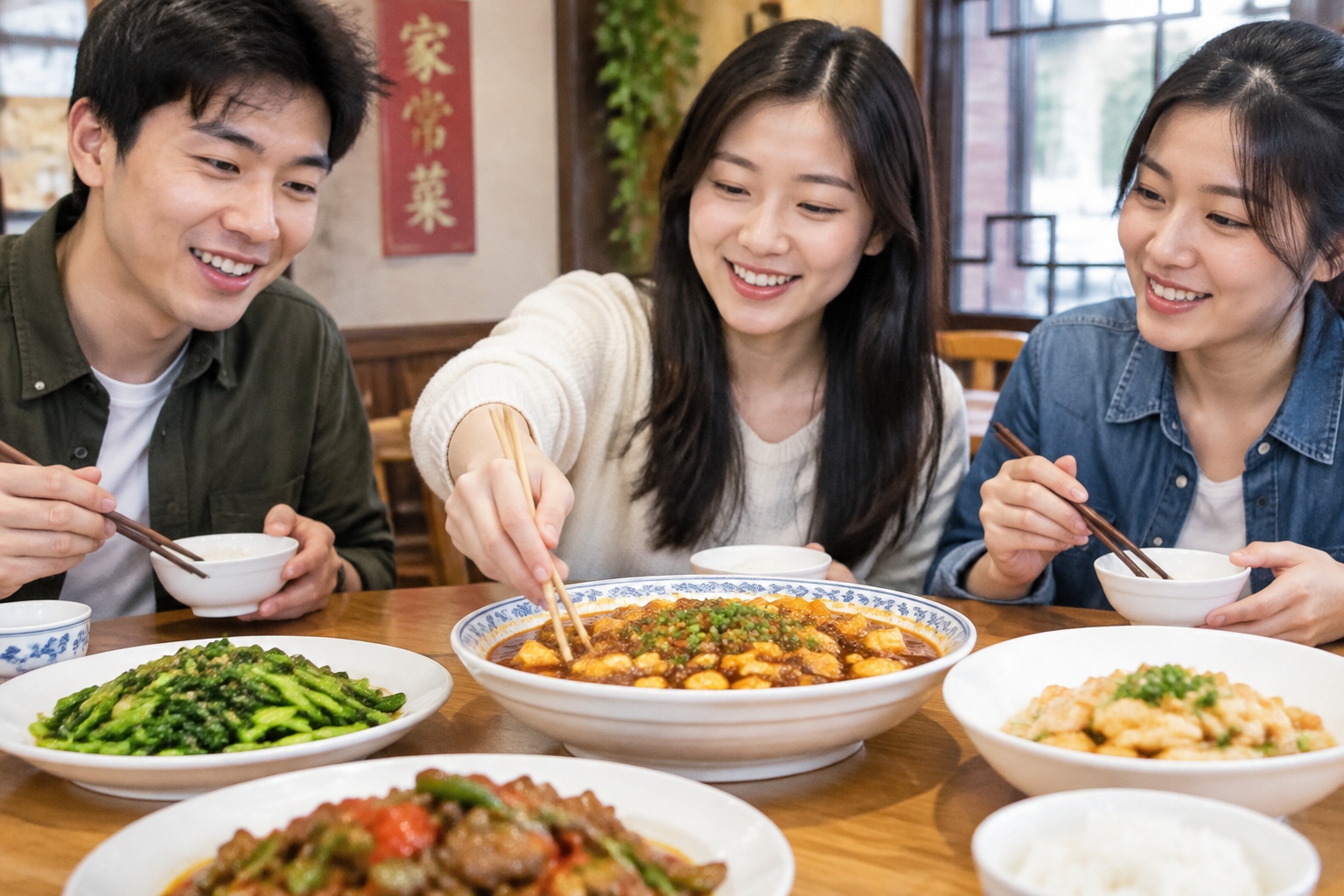
The answer lies in the concept of Fenxiang (sharing) and face (Mianzi). In Chinese social culture, a birthday isn’t just about receiving attention; it’s an opportunity to express gratitude to your community. By treating your friends, you are saying, “I am happy because I have you in my life.” It is a gesture of generosity and inclusion.
Think of it less like buying dinner and more like hosting a small festival for your inner circle. The host (you) provides the space and the nourishment; the guests provide the company and the celebration. If everyone paid their own way, it would feel transactional, cold, and frankly, a bit sad for a birthday.
The Great Bill-Splitting Drama
Here is where it gets interesting—and slightly chaotic. Just because you are expected to pay doesn’t mean the evening ends smoothly when the bill arrives.
In China, there is often a performative struggle over who pays. Your friends will physically reach for the bill before you can blink. They might slap your hand away, shout “Let me get this!” or even run to the counter while you’re still pulling out your phone.
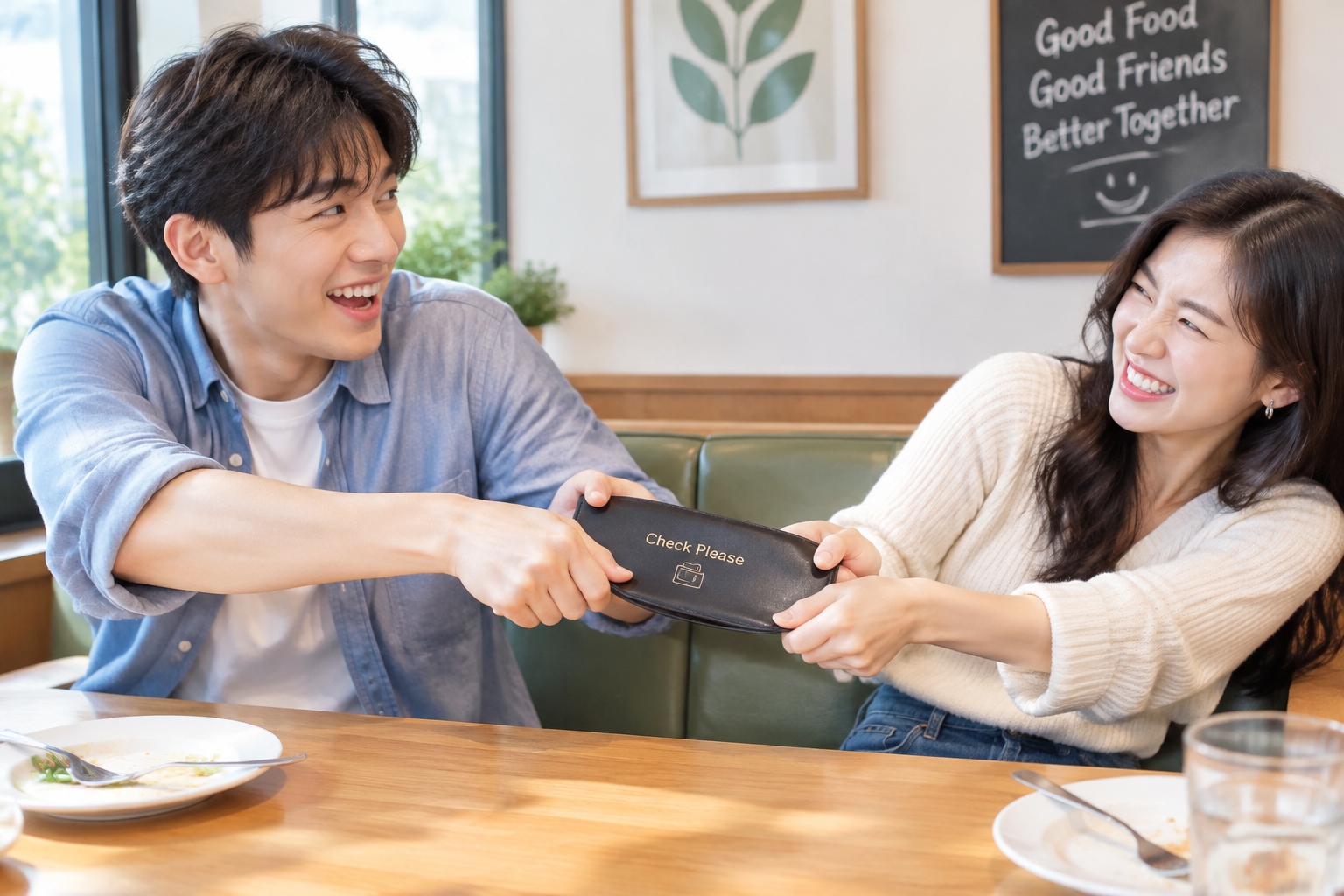
Why? It’s a dance of politeness. They want to show they care about your wallet, even if they know you’re the one who should pay. As the birthday person, your role is to politely but firmly insist on paying. If you let them win too easily, it might look like you don’t value their friendship or that you’re trying to avoid responsibility.
Gifts: The Art of Giving and Receiving
So, what about presents? In the West, guests bring gifts to the birthday person. In China, while friends often bring small tokens (like a cute cake or a bottle of wine), there is no strict rule requiring expensive gifts.

The real “gift” is their presence. However, if you are attending a friend’s birthday in China as a guest, bringing a modest gift is always appreciated. Red envelopes (hongbao) are common among close family or very close friends, often containing lucky numbers like 66, 88, or 99 yuan. For casual colleagues or acquaintances, a small box of chocolates or a nice card is perfectly sufficient.
Navigating the Etiquette: A Quick Guide
If you’re new to China or just visiting and get invited to a birthday dinner, here’s how to handle it without awkwardness:
- Clarify Early: If you’re organizing your own party, make it clear in the invitation that you are treating everyone. This sets expectations immediately.
- Set a Budget: Be mindful of your friends’ financial situations. Don’t choose an overly expensive venue if your group is mostly students or young professionals just starting out.
- The “Victory” Lap: When the bill comes, make a show of reaching for it. Let your friends try to stop you once or twice. Once they see you are serious, they will usually concede gracefully.
- Handling Guest Gifts: If someone gives you a gift, accept it with both hands and express sincere thanks. It’s common to open gifts later in private rather than immediately at the table, unless everyone is eager to see what it is.
Beyond the Birthday: Guqi and Guanxi
This custom ties into broader Chinese social concepts like Guanxi (relationships) and Renqing (human sentiment). Relationships are maintained through reciprocity. If you treat your friends today, they will likely return the favor when it’s their turn—perhaps by treating you to a meal next month, or helping you with a moving box.

Understanding this helps demystify Chinese socializing. It’s not about who has more money; it’s about who is willing to invest in the group’s harmony. The birthday person pays today so that the bond strengthens for everyone tomorrow.
The Bottom Line
So, the next time you’re in China and your friends drag you out for your birthday dinner, smile. Put away your wallet, enjoy the feast, and thank them for their company. And when it’s time to pay? Make sure they see you reaching for it first—because that’s how you celebrate being part of the tribe.
Start the discussion at forum.chinacomes.com