

The Concrete Jungle Paradox: Why Small Spaces Matter
Walk through the streets of Shanghai or Beijing, and the first thing that strikes you is scale. The roads are wide enough to swallow multiple lanes of traffic; the residential towers pierce the clouds, housing thousands in vertical blocks. In this environment of extreme density, public space often feels like a luxury reserved for the wealthy suburbs or major central plazas.
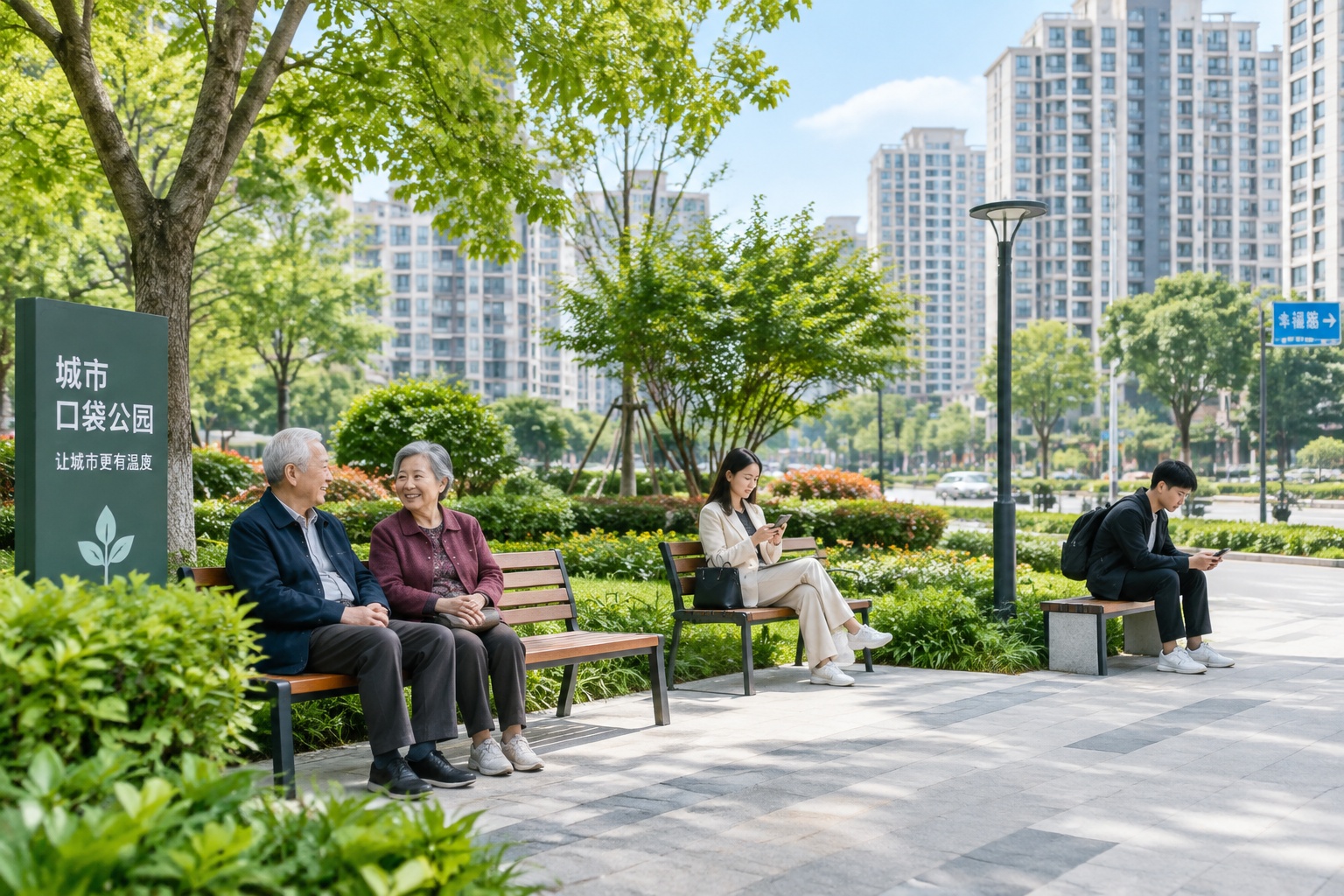
However, if you look closer—at the gaps between high-rises, behind subway entrances, or along quiet side streets—you will find something unexpected: pockets of green. These are koudai gongyuan, or “pocket parks.” They are not grand botanical gardens with sweeping lawns. Typically ranging from a few hundred to a few thousand square meters, they are fragmented islands of nature squeezed into the urban fabric.
For residents living in high-rise apartments where every square meter counts, these small spaces are not just aesthetic additions; they are essential lifelines. They represent a shift in Chinese urban planning from “expansion” to “refinement,” recognizing that in megacities, quality of life is determined by the details you encounter daily.
Beyond Aesthetics: From Neglected Corners to Community Hubs
The transformation of these spaces tells a story of changing priorities. Ten years ago, many of these sites were vacant lots, dumping grounds for construction debris, or awkward dead zones between buildings that no one used.
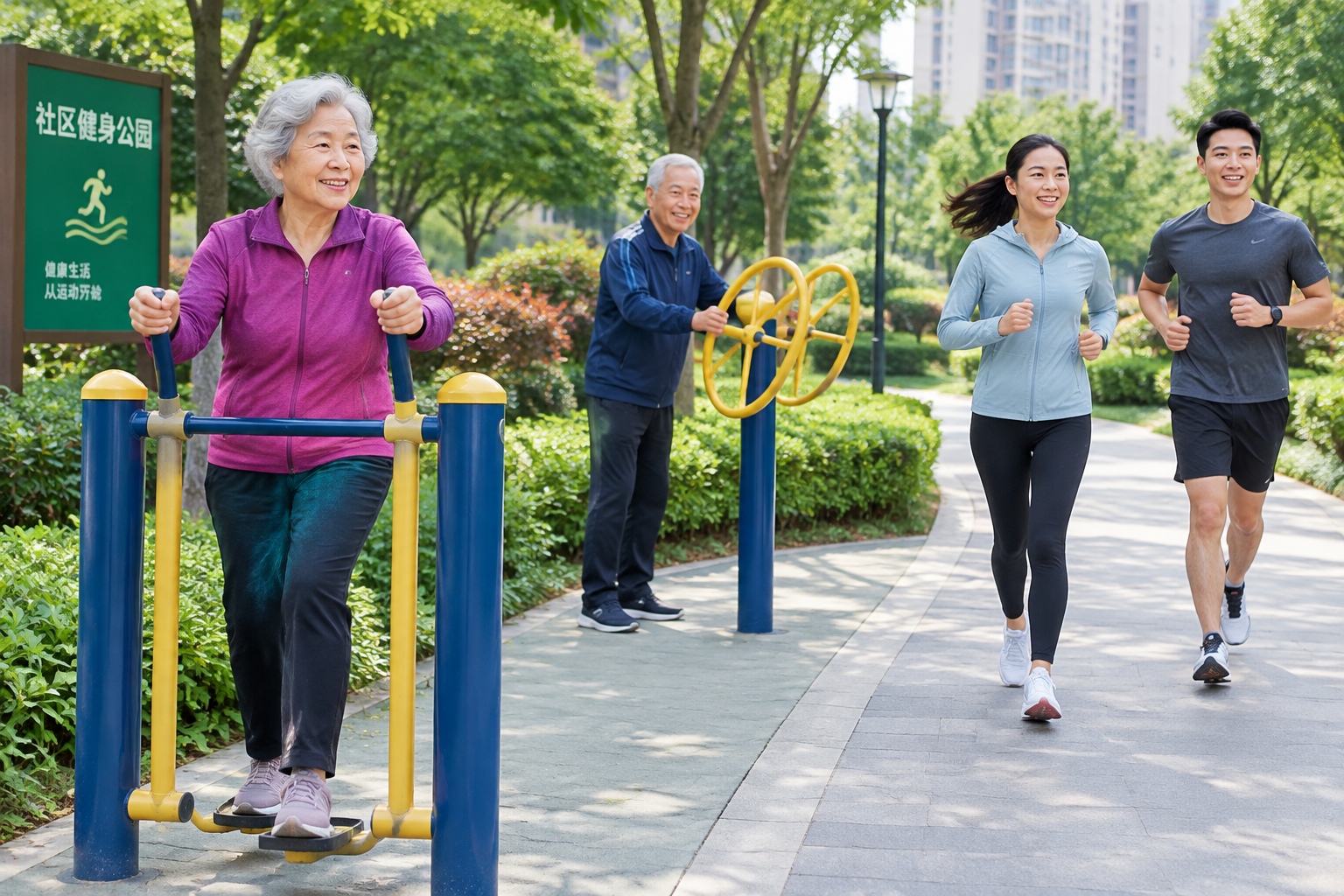
Today, they are meticulously designed community hubs. The design philosophy is pragmatic. Instead of ornamental grass that no one can touch, pocket parks feature durable paving, smart fitness equipment, and shaded seating areas. They serve multiple functions simultaneously:
- Fitness: Outdoor gyms with resistance machines for seniors and running tracks for joggers.
- Socializing: Open plazas where neighbors can chat, play chess, or watch children play.
- Rest: Quiet benches under trees for reading or escaping the noise of traffic.
This multi-use approach is critical. In cities like Shenzhen and Guangzhou, where the climate can be hot and humid, these parks provide essential shade and ventilation. They are not just “green lungs” in the ecological sense but “social lungs,” allowing dense populations to breathe socially as well as physically.
A Day in a Pocket Park: Observing Real Interactions
To understand the impact of pocket parks, visit one on a Tuesday morning in Hangzhou. At 7:00 AM, the park is already active. Near the entrance, a group of elderly men are performing Tai Chi, their movements slow and synchronized. Ten meters away, young professionals in business casual attire are using outdoor pull-up bars, squeezing in a workout before heading to their offices.
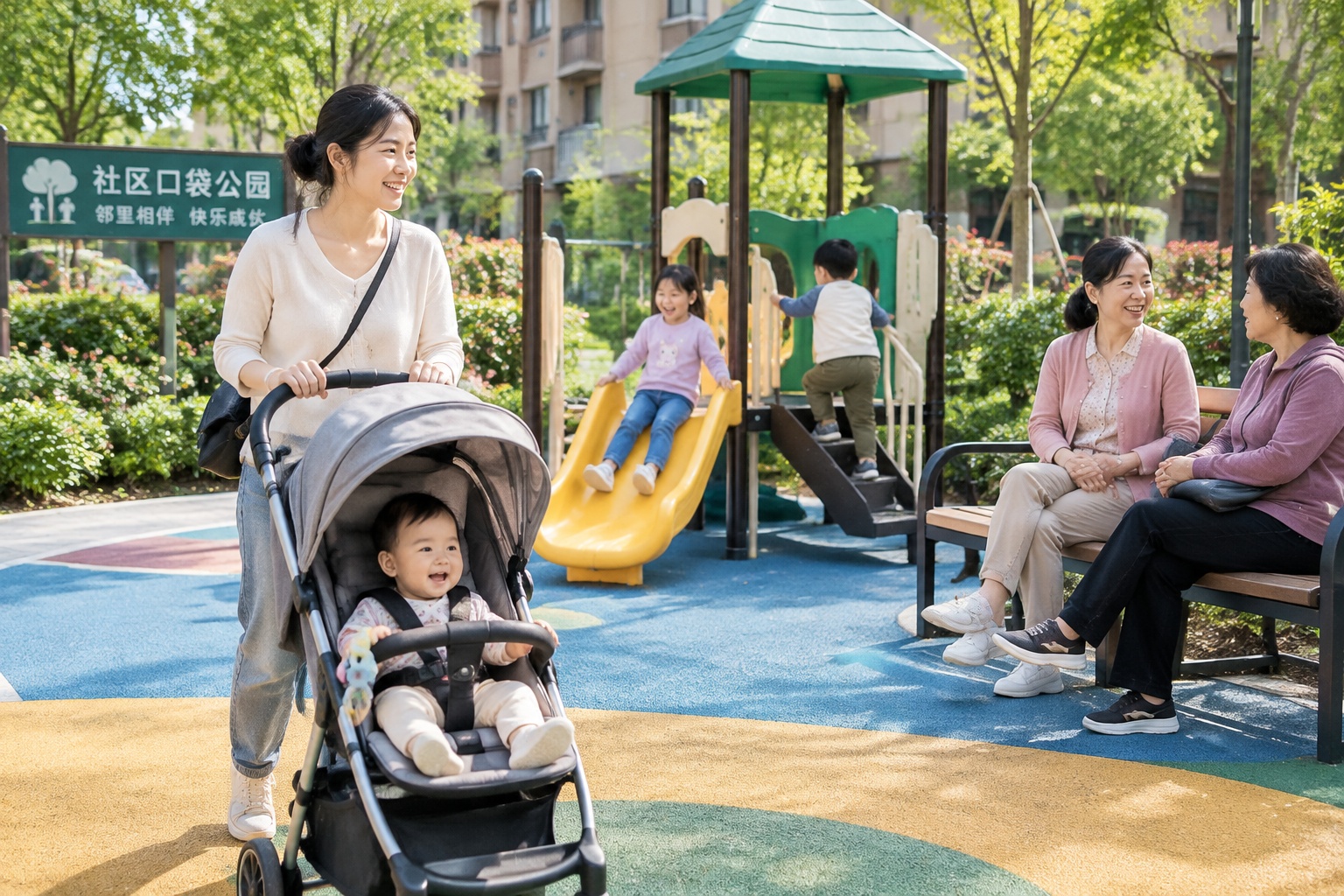
By 10:00 AM, the dynamic shifts. Mothers with strollers gather near the playground equipment, exchanging tips on child-rearing while toddlers explore the safe, soft-surface play areas. The park becomes a cross-section of society. There are no fences keeping people out; the space is open, accessible, and free.
What is striking is the sense of ownership. Unlike large, impersonal tourist attractions, pocket parks feel like extensions of residents’ living rooms. People leave their shoes off on the benches, bring their own thermoses for tea, and linger for hours. This intimacy fosters a sense of community that is often missing in high-rise living.
The ‘Micro-Renewal’ Strategy: Data-Driven Urban Design
How are cities managing to create so many of these spaces without massive construction projects? The answer lies in “micro-renewal.” This strategy involves identifying underutilized land—such as abandoned factory sites, old utility rooms, or narrow strips along riverbanks—and repurposing them through targeted design.
Local governments are increasingly using data to guide these decisions. In many Chinese cities, planners analyze population density maps and foot traffic data to identify “green deserts”—areas where residents live far from any park. Once identified, the city commissions local designers to create site-specific solutions.
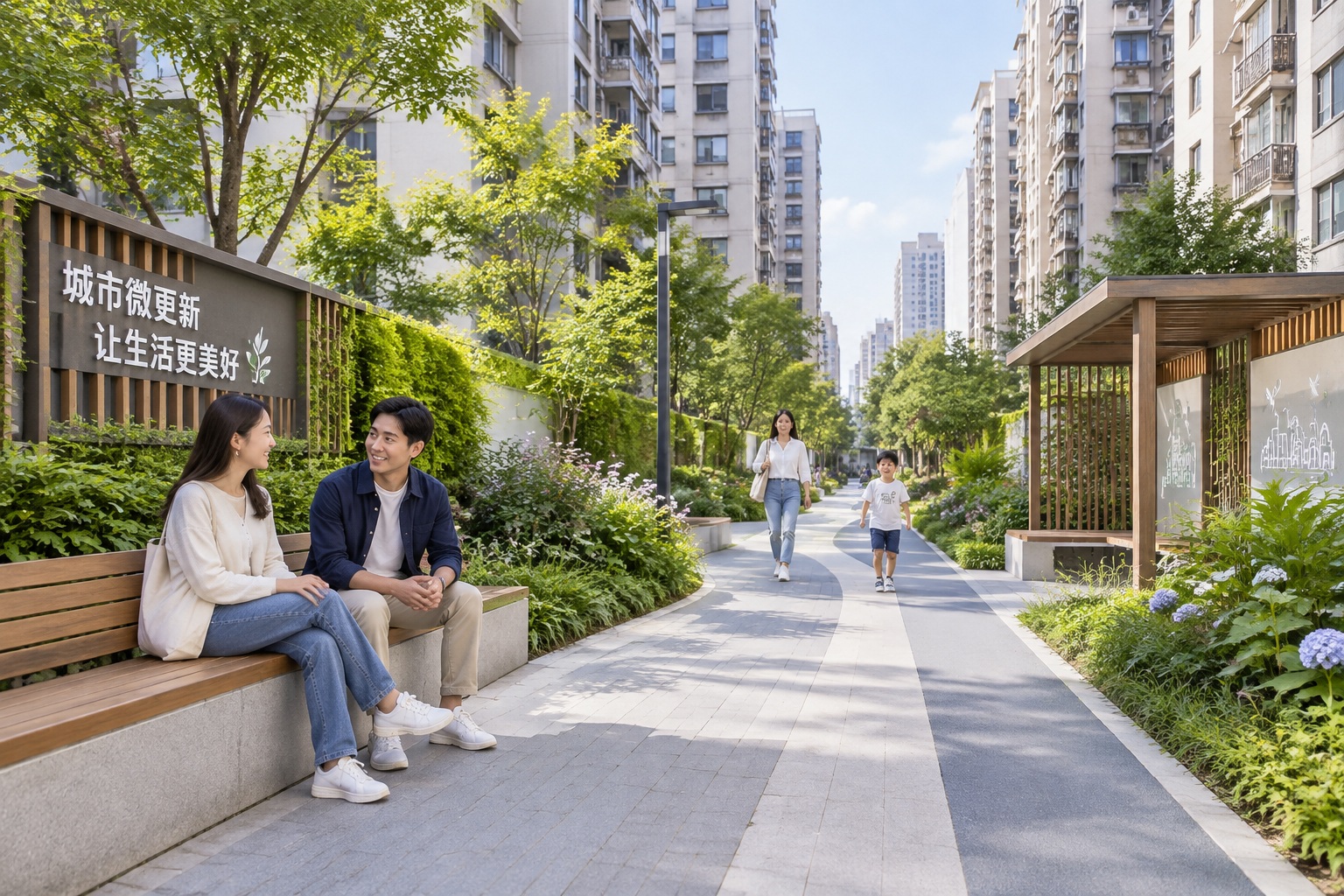
This process is often participatory. Residents are consulted during the design phase to suggest what features they need most: more seating? Better lighting? A place for square dancing? This bottom-up approach ensures that the parks serve actual community needs rather than just looking good on paper.
What It Means for Residents: Mental Well-being in a Fast-Paced Society
For the average Chinese citizen, the rise of pocket parks is more than an urban planning trend; it is a response to the pressures of modern life. In a society where work hours can be long and digital connectivity constant, having immediate access to nature is crucial for mental well-being.
Studies in urban psychology suggest that even brief exposure to green spaces can reduce stress and improve mood. For residents living in small apartments, a pocket park offers a “third place”—a social environment separate from home and work where they can decompress.
The democratization of public space is evident here. You do not need to be wealthy or have leisure time to visit a distant country club. The pocket park is available to everyone, regardless of income or status. It is a testament to the idea that in high-density living, public well-being is as important as private comfort.
Conclusion: The Future of Dense Living
The success of pocket parks in China suggests a new model for urban living. As cities around the world grapple with overcrowding and a lack of community spaces, China’s experience offers valuable lessons. It shows that public space does not always require vast tracts of land; it requires creativity, political will, and a focus on human scale.
These small green islands are not just filling gaps in the concrete jungle; they are stitching communities back together. In the rush to build upwards, Chinese cities are finally looking down—at the ground level where life actually happens—and finding that sometimes, less is more.
Start the discussion at forum.chinacomes.com