
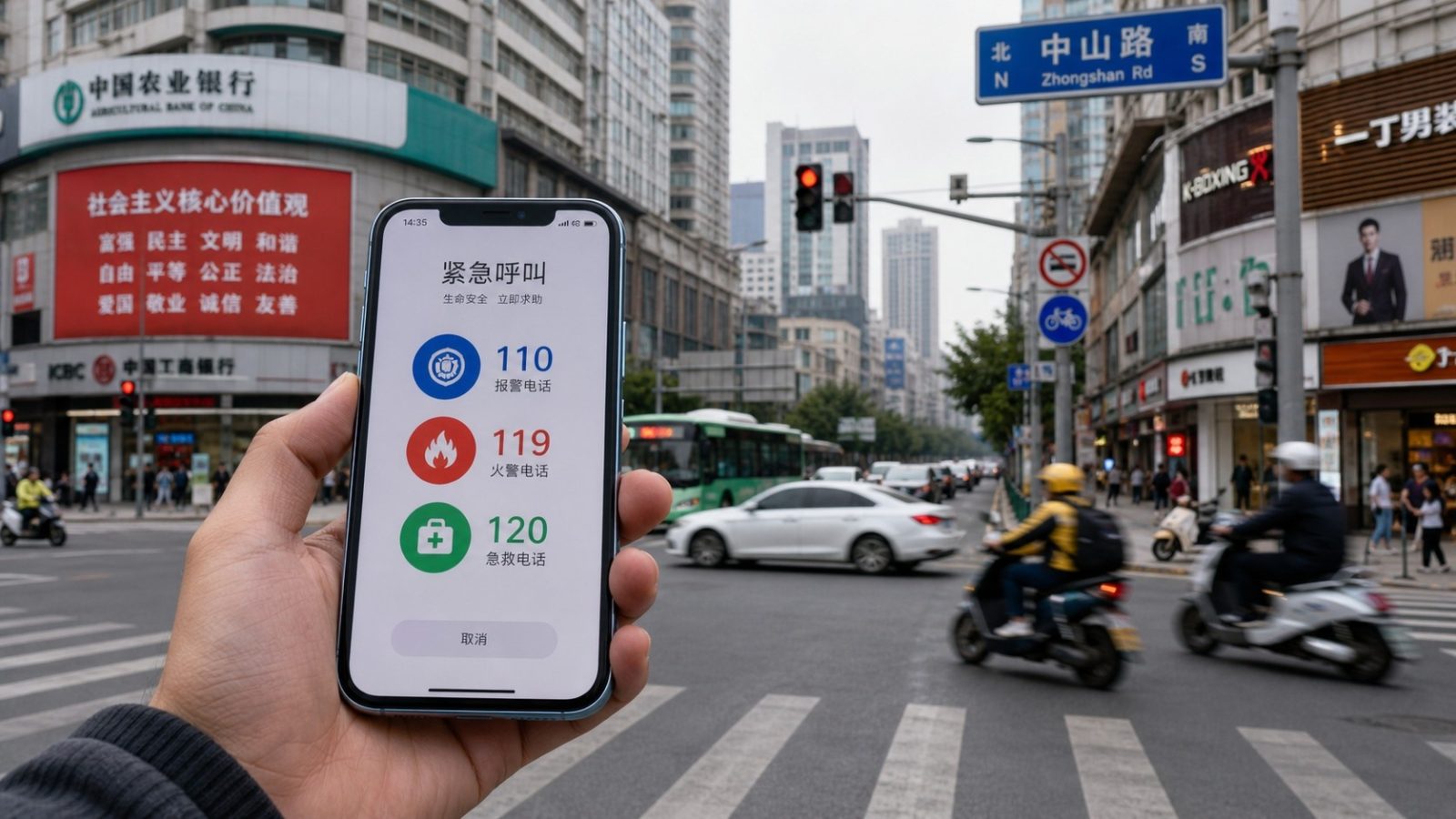

When Seconds Count: Understanding China’s Emergency System
Imagine you are in a bustling street in Shanghai and suddenly someone collapses. The crowd gathers, phones are raised, but hesitation sets in. Who do you call? In many Western countries, there is one universal number—911 or 112. But in China, the system is split into specialized lines. Knowing which number to dial isn’t just about bureaucracy; it can determine how quickly help arrives.
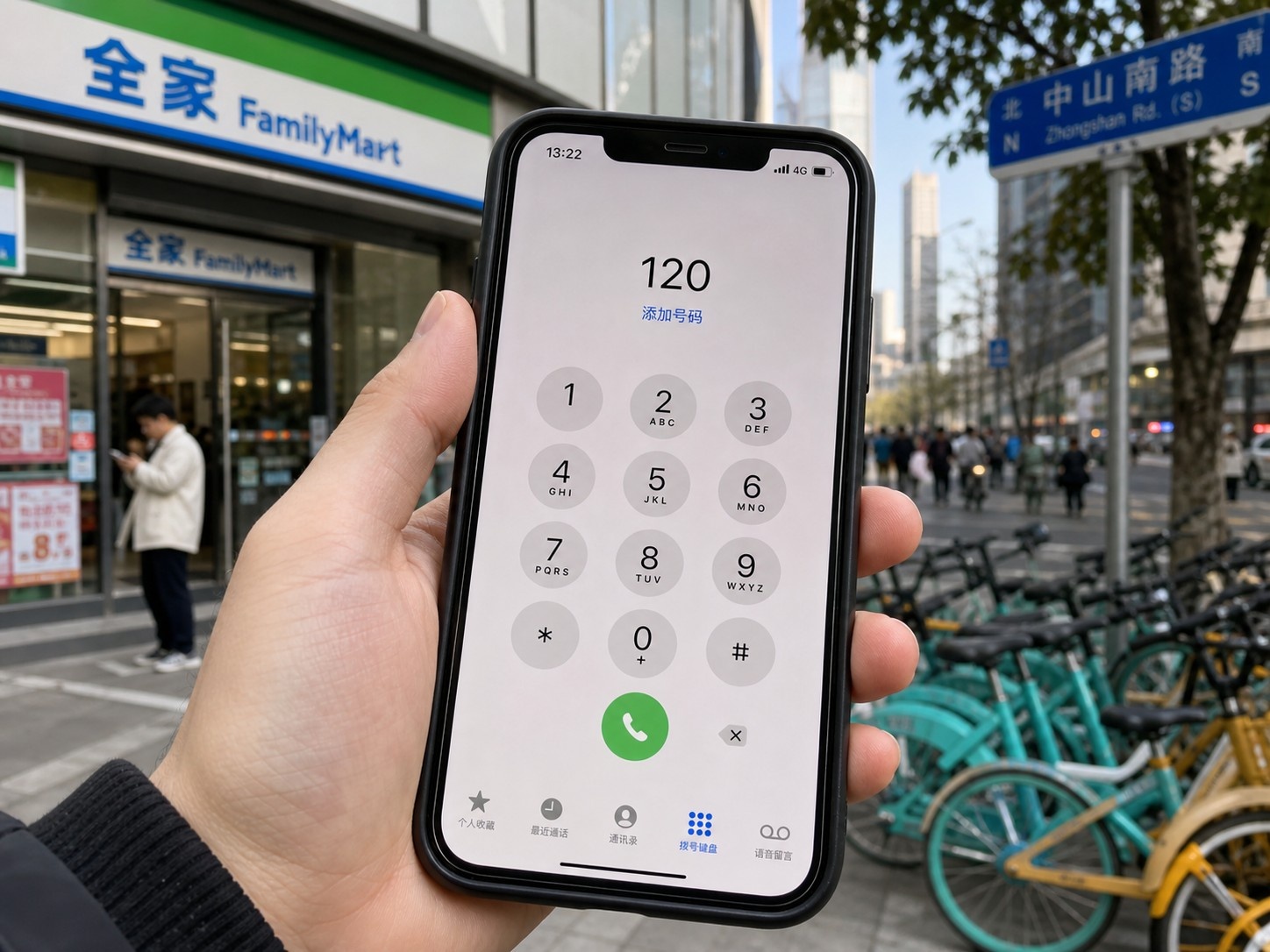
The Big Three: 110, 119, and 120
China’s emergency response is highly centralized but functionally distinct. Here is the simple breakdown:
- 110 (Police): This is your first point of contact for any crime, public disturbance, or if you are lost and in danger. In many cities, 110 operators can also dispatch traffic police or coordinate with other services.
- 119 (Fire & Rescue): While obviously for fires, this number is the backbone of general rescue. If someone is trapped in an elevator, stuck in a flood, or involved in a severe accident requiring cutting tools to escape, you call 119. Firefighters here are also trained paramedics.
- 120 (Medical Emergency): This is strictly for medical crises—heart attacks, severe bleeding, unconsciousness, or childbirth emergencies. It connects directly to the local ambulance dispatch center.
A critical nuance: In China, these systems are increasingly integrated. If you call 119 for a car accident with injuries, they will often automatically alert 120 (ambulances) and 110 (police). However, dialing the *correct* number first ensures the right resources are sent immediately.
Response Speed: The “Golden Hour” in Chinese Cities

One of the most surprising aspects for visitors is the speed of response in tier-1 and tier-2 cities. In Beijing, Shanghai, Guangzhou, or Shenzhen, ambulance response times often average under 15 minutes within urban districts. This efficiency relies on a dense network of community health centers and dedicated police/fire stations.
However, this speed drops significantly in rural areas or remote tourist spots. If you are hiking in Yunnan or visiting a village in Guizhou, do not assume an ambulance will arrive in ten minutes. In these cases, the priority is stabilizing the patient until professional help arrives.
Bridging the Language Gap: What to Say
For non-Chinese speakers, the biggest fear is not knowing what to say. Panic makes articulation difficult. Here is a practical protocol:
- Dial First, Talk Second: If you cannot speak Chinese, dial 120 or 119 immediately. The operator will ask for your location first.
- Use Translation Apps Proactively: Do not wait to be asked. Have a translation app ready (like Baidu Translate or WeChat’s built-in translate). Type the address in English, then show the Chinese result to the operator.
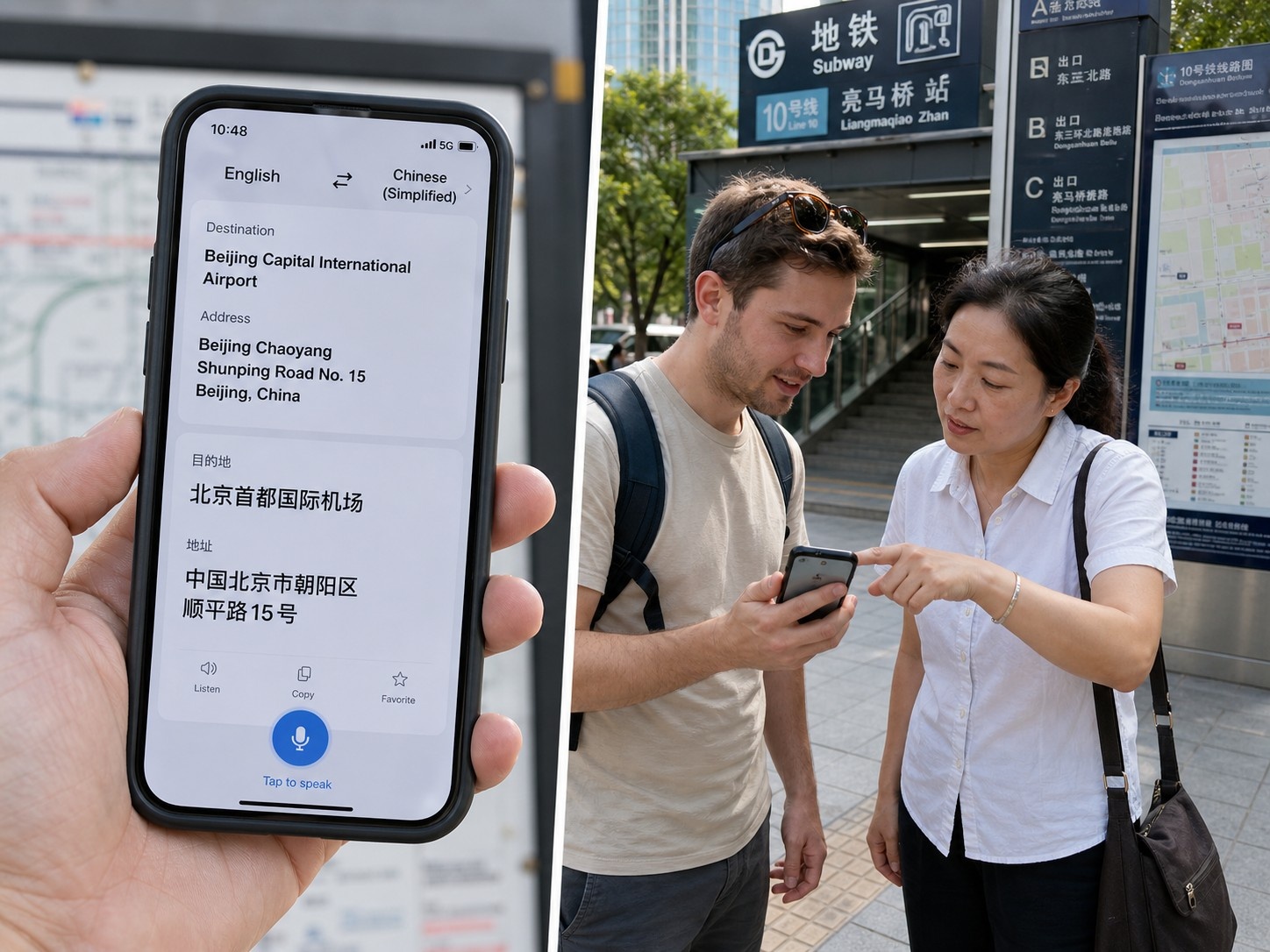
Navigating Address Confusion: How to Describe Your Location
Chinese addresses can be complex, especially for foreigners used to “123 Main Street.” Many buildings do not have standardized names visible from the street. Here is how to locate yourself effectively:
- The Landmark Strategy: Instead of trying to read a plaque, look for nearby shops, banks, or well-known brands (Starbucks, McDonald’s, 7-Eleven). Tell the operator: “I am in front of the Starbucks on [Street Name].” Operators are trained to map these landmarks.
- Use Map Apps: Baidu Maps and Amap (GaoDe) are more accurate than Google Maps in China. Share your live location pin via WeChat or SMS if you can, but verbal description is still key for the initial call.
The Unsung Hero: 12345
If it’s not a life-threatening emergency but requires government intervention—such as a noise complaint, a broken streetlight causing a hazard, or a dispute over services—call 12345. This is the municipal service hotline. It is available in many cities with English support or can transfer you to relevant departments. It is slower than 110/120 but essential for resolving civic issues that affect daily life.
Final Tips for Safe Travel

- Save Local Contacts: Save the number of your hotel concierge or local friend. In a crisis, they can call on your behalf in Chinese while you handle the situation physically.
- Carry Digital ID: Ensure you have digital copies of your passport and visa. Police may request identification during an incident.
- Stay Calm: Chinese emergency operators are accustomed to dealing with tourists. They are patient and often have access to translation tools. Your calmness helps them give better instructions.
Understanding these numbers transforms anxiety into action. China’s emergency infrastructure is robust, efficient, and designed for speed. With the right knowledge, you can navigate any crisis with confidence.