

The App Store Fatigue
Imagine you just bought a new smartphone. You open the app store and start downloading. Uber for rides? Grabbed it. Spotify for music? Downloaded. Netflix for movies? Installed. Now, add banking, food delivery, hotel booking, hospital registration, gym membership, and utility bill payments.
In the US or Europe, your home screen becomes a cluttered grid of icons. Your phone storage fills up fast. You spend minutes deleting old apps you only use once a year. This is “app fatigue,” and it is a universal frustration.
But if you open your phone in Beijing, Shanghai, or Shenzhen today, the scene is different. The home screen might have only four or five icons: WeChat, Alipay, Phone, Messages, and maybe one game. That’s it. Where are the 30 other apps?
The WeChat Super App
They live inside WeChat. For most Chinese people, WeChat is not just a messaging app like WhatsApp or iMessage. It is an operating system for daily life.
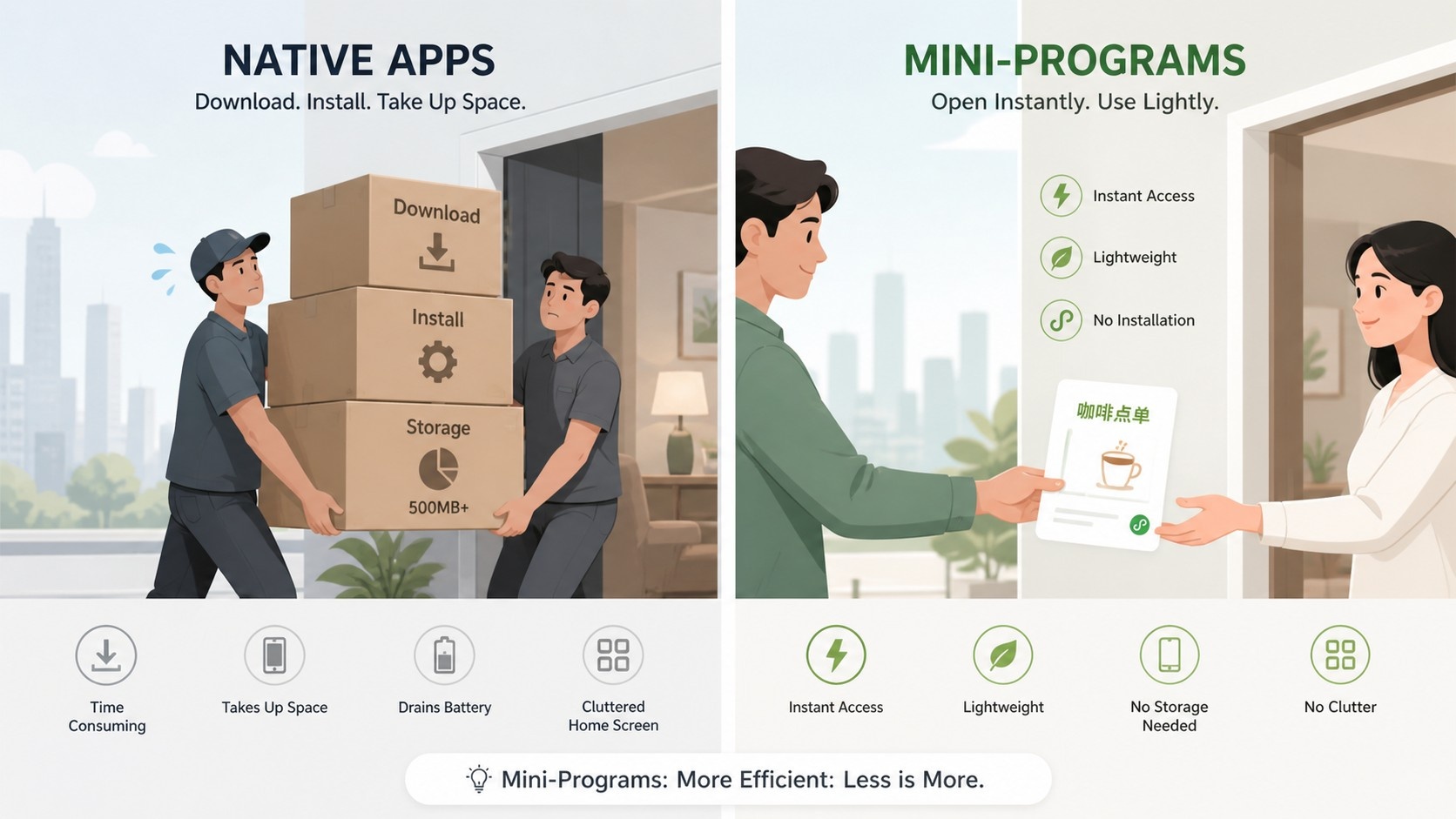
This is where “Mini-Programs” (xiao cheng xu) come in. Mini-programs are lightweight apps that run inside WeChat. You do not download them from a store. You don’t need to update them manually, and they take up almost no space on your phone’s storage.
Think of it like this: If WeChat is a physical shopping mall, native apps (like Uber or Spotify) are individual stores that require you to walk in through the main entrance. Mini-programs are pop-up kiosks inside the mall. You can step into them instantly from any corridor, buy what you need, and leave without ever going home.
How It Works in Real Life
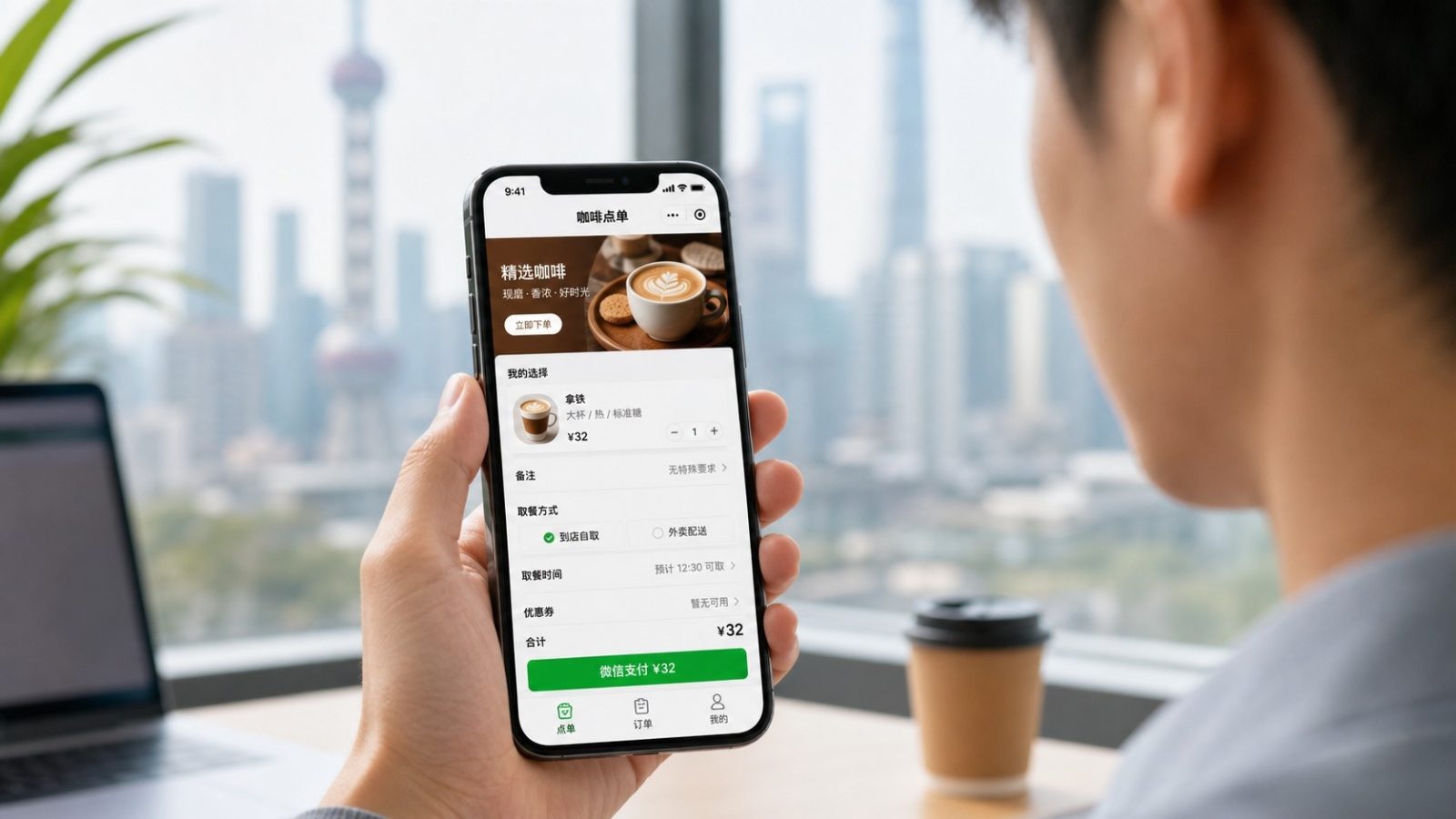
The experience is seamless. Let’s say you are hungry and want to order coffee at Starbucks. In the West, you open the Starbucks app, log in, and order. In China, you simply search for “Starbucks” inside WeChat. A mini-program loads in seconds. You place the order, pay with a built-in wallet, and get notified when it’s ready.
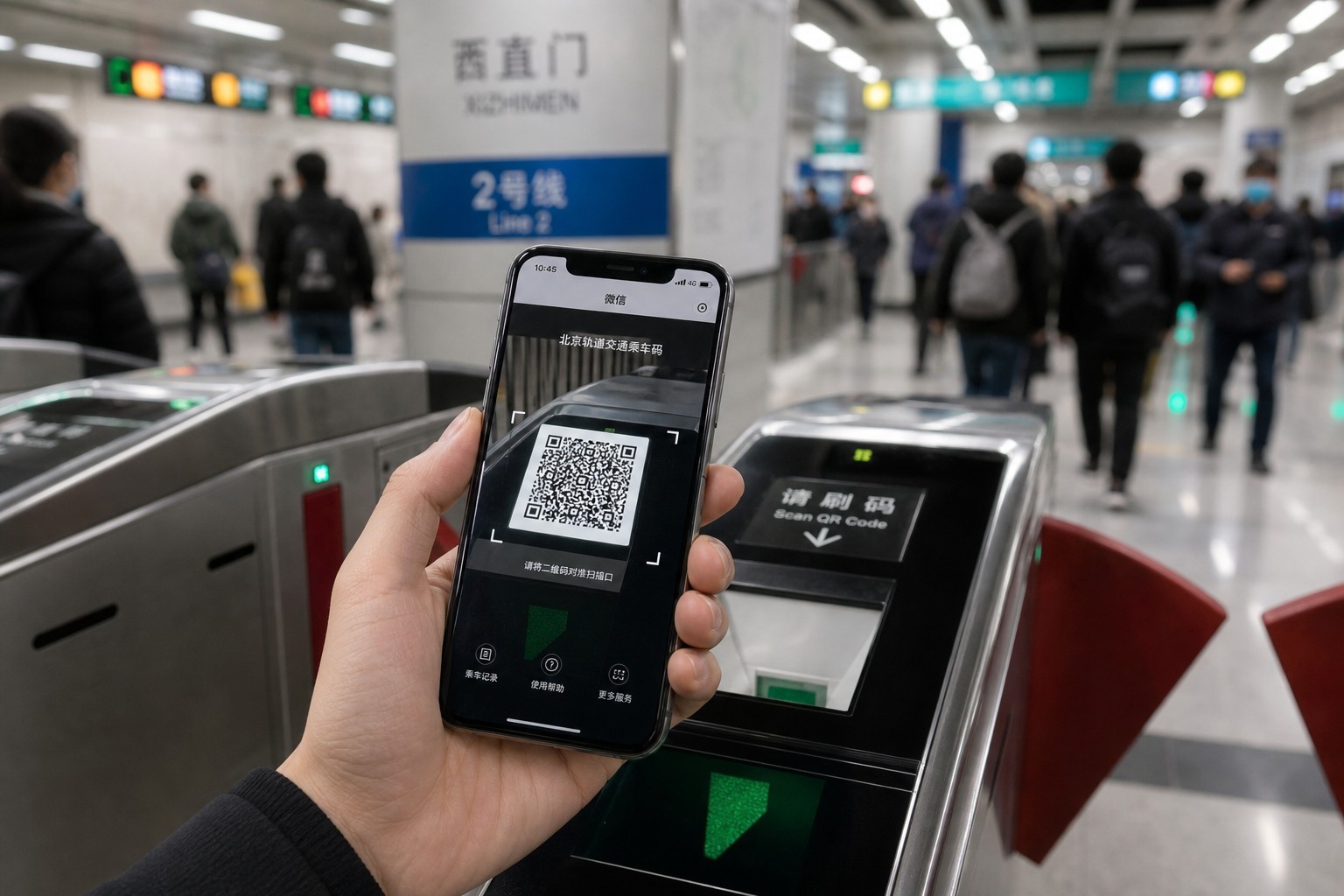
This logic applies to almost everything:
- Transport: Scan a QR code at a subway turnstile to enter. No separate transit app needed.
- Healthcare: Book an appointment at a hospital, pay the bill, and view test results—all within WeChat.
- Government Services: Pay taxes, renew licenses, or check social security status without visiting a government office.
The convenience is undeniable. For high-frequency tasks like ordering lunch or checking the weather, switching out of your chat app feels unnecessary and slow.
A Different Philosophy: “Use and Go”
Why did this happen? It comes down to a design philosophy called “use and go” (yong wan ji zou). The goal is to provide a service efficiently without keeping the user hooked for hours of scrolling or engagement.

In contrast, many Western apps are designed as “platforms.” They want you to stay inside their ecosystem, watch ads, read articles, and interact with social feeds. This creates value for advertisers but clutter for users. Mini-programs prioritize utility over engagement. Once you finish your transaction, the window closes.
The Trade-offs
Is this system perfect? No. There are trade-offs. Because mini-programs live inside WeChat, they often have limited features compared to full native apps. They can’t send push notifications as aggressively, nor can they access certain phone hardware in the same way.
Furthermore, you are at the mercy of Tencent (WeChat’s parent company). If their servers go down or if they change their rules for developers, your ability to order coffee or pay bills can be disrupted. In a fragmented app ecosystem, if one app fails, another might still work. In China, if WeChat breaks, society pauses.
Conclusion
The rise of Mini-Programs represents a shift in how we interact with technology. It is not about having more tools; it is about fewer, smarter interfaces. For visitors to China, learning to use mini-programs is the fastest way to navigate daily life. For locals, it is simply normal.