
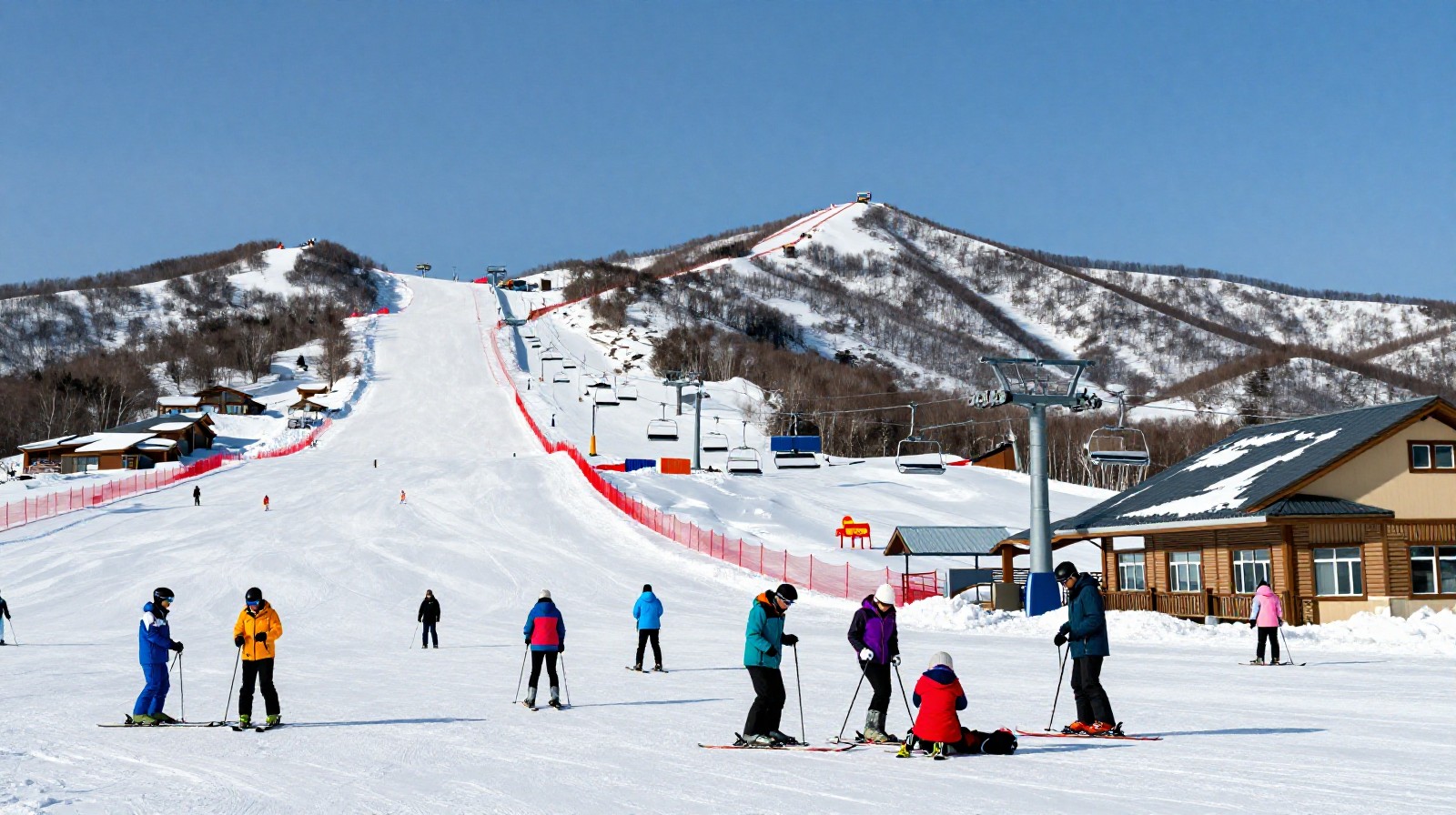

From Mining Dust to Snow-Capped Peaks
Li Wei, a software engineer from Beijing, rarely thought about snow when he was growing up. In northern China, winter meant dry winds and coal heating. But last weekend, at age 34, Li found himself standing on a pristine slope in Chongli, 180 kilometers north of the capital, adjusting his bindings for the first time.
Chongli’s transformation is one of the most tangible legacies of the 2022 Winter Olympics. Before the Games, this region was known primarily for mining and poor air quality. Today, it hosts several world-class resorts, including Genting and National Alpine Ski Centre. The infrastructure built for international athletes has been repurposed for public recreation.
What strikes visitors most is not just the snow, but the accessibility. Ten years ago, skiing in China was often associated with expensive ski passes, limited slopes, and a niche subculture. Today, it’s becoming a standard family activity, similar to how bowling or hiking became mainstream leisure activities in Western countries.
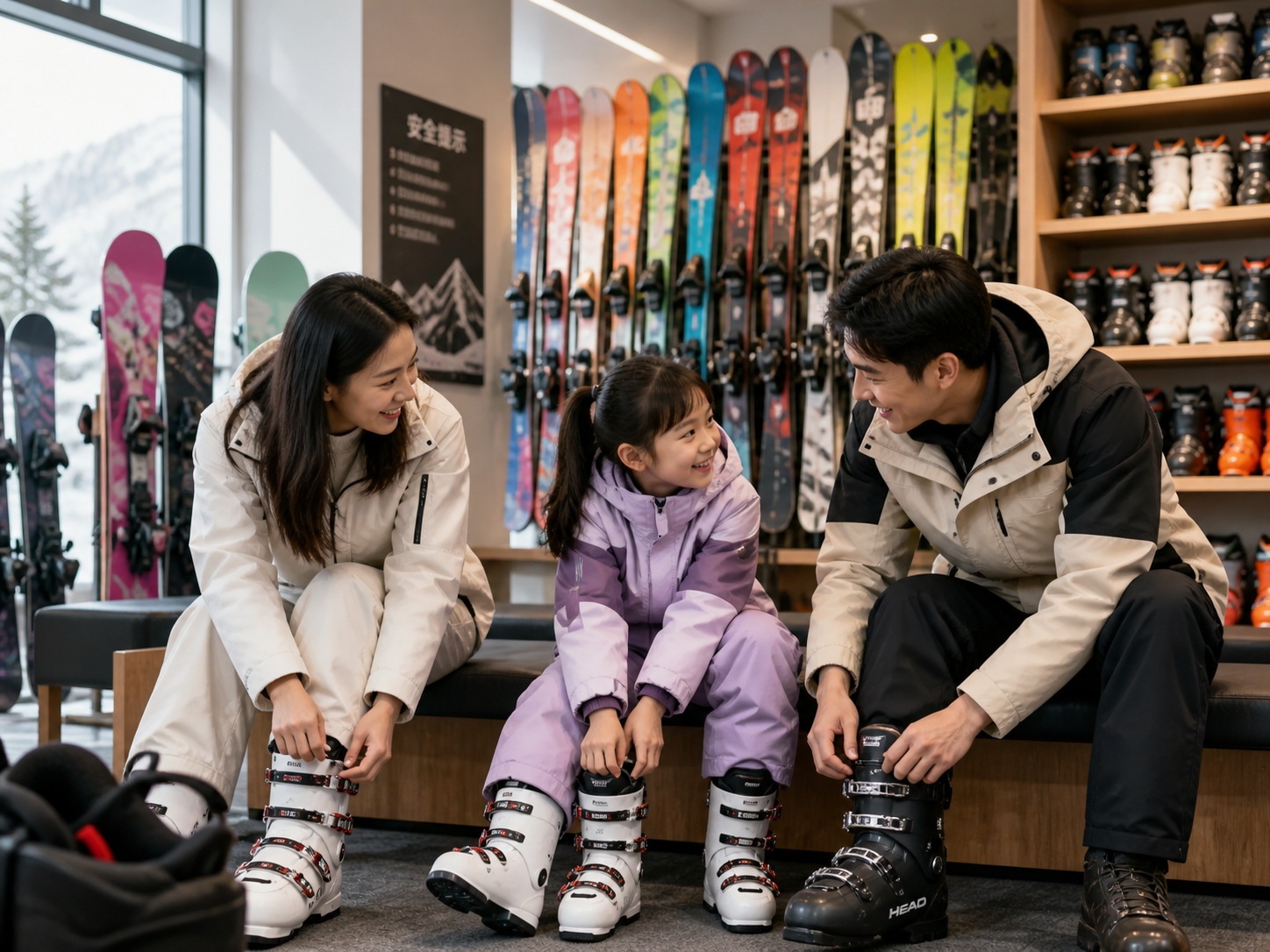
The Weekend Ritual of the Chinese Middle Class
Li is part of a new demographic: the urban middle class seeking affordable, high-quality relaxation. For many families, a trip to Chongli has become a regular weekend escape from city life.
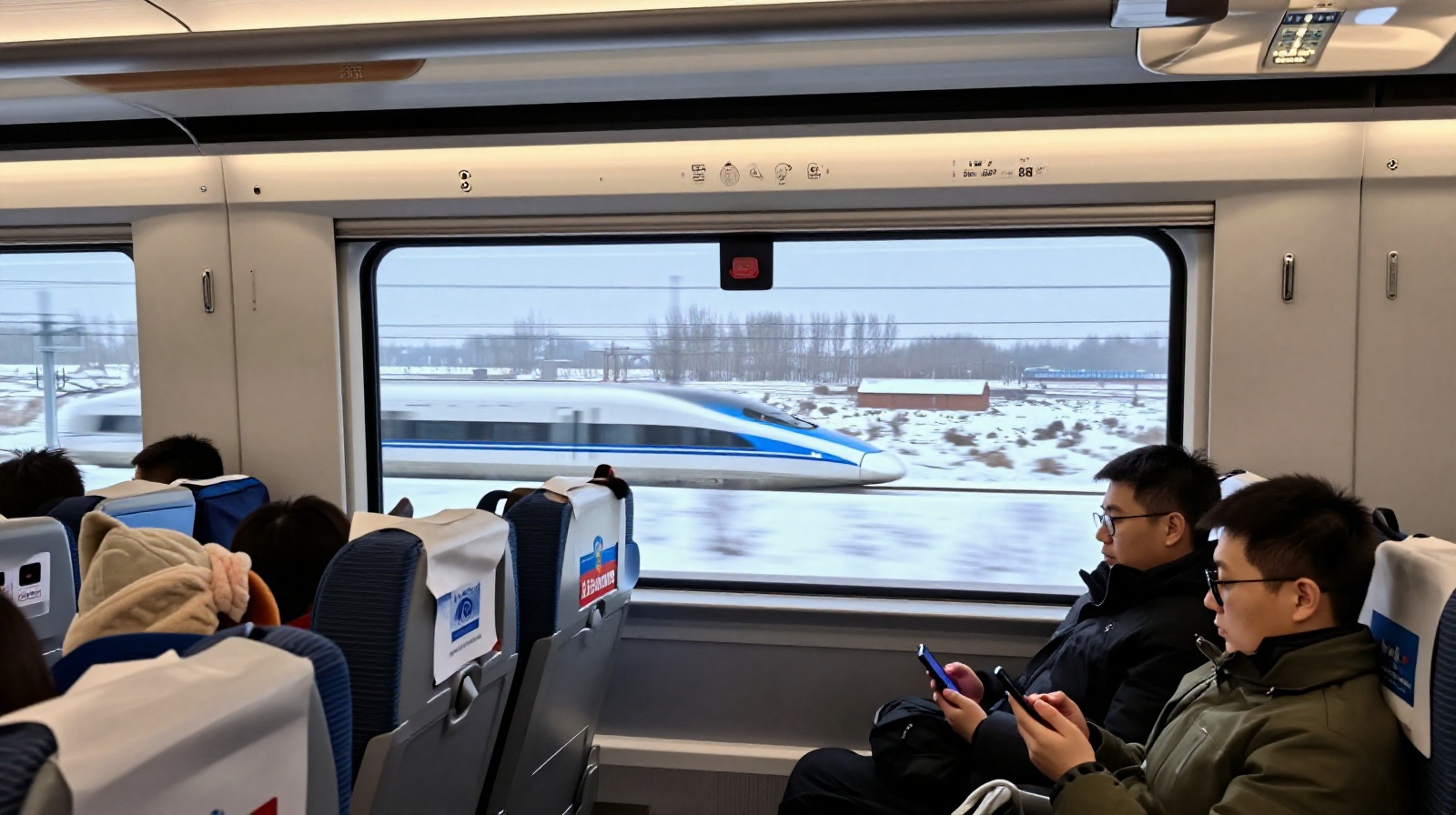
The logistics are seamless for those who know how to navigate them. Most travelers book everything via WeChat or specialized apps like Ctrip. They take the high-speed rail from Beijing’s Qinghe Station, a journey that takes just under an hour and costs around 70 RMB (approx. $10 USD). Upon arrival, they are met by shuttle buses that whisk them directly to their resort hotels.
Accommodation has also diversified. While luxury international hotel chains still dominate the top end, there is now a vibrant market of mid-range apartments and ski-in/ski-out hostels. This price elasticity means skiing is no longer reserved for the ultra-wealthy; it’s within reach for teachers, engineers, and young professionals.
Why this shift? In cities like Beijing and Shanghai, where life moves at a breakneck pace and pollution can still be an issue in winter, people crave change. Shopping malls offer little novelty. Dining out is routine. But stepping onto snow offers a tangible break from the concrete jungle—a chance to disconnect, exercise, and reconnect with nature.
Tech-Enabled Frictionless Leisure
One of the key reasons Chongli feels so modern is its integration of digital technology. The “cashless” and “touchless” experience is standard here.
Lift tickets are rarely physical cards anymore. Visitors scan a QR code on their phones at the gate. Smart lockers, controlled by facial recognition or phone numbers, allow skiers to store gear without waiting in line. Restaurants accept mobile payments instantly, so no one needs to carry cash or wait for credit card machines.
This digital convenience lowers the barrier to entry. For a beginner, knowing that you can rent equipment online, book lessons through an app, and track your skiing stats via a mini-program makes the experience less intimidating. It mirrors the way apps like Strava have popularized running in the West, but adapted for China’s unique mobile-first ecosystem.
More Than Just Sports: A Cultural Shift
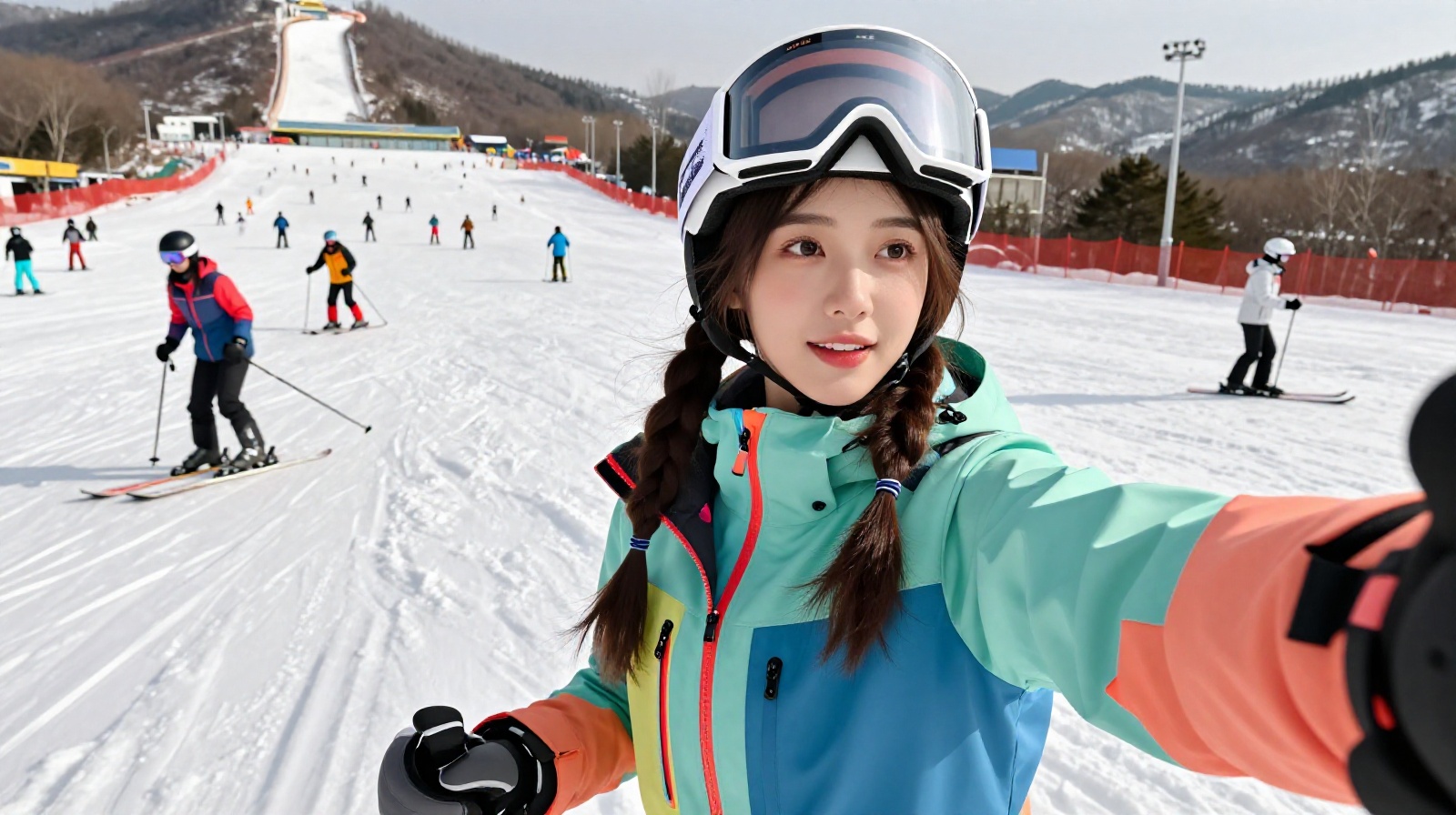
The slopes of Chongli are not just about adrenaline; they are social spaces. You will see multi-generational groups: grandparents watching from heated lodges while grandchildren tackle the green runs, and young influencers setting up photogenic poses for social media.
Photography is a huge part of the experience. Ski gear has become fashion. High-end brands dominate the slopes, but local Chinese sports brands are also gaining traction with stylish, functional designs. The aesthetic is often shared on Xiaohongshu (Little Red Book) and Douyin (TikTok), creating a feedback loop that drives more people to try it.
This trend reflects a broader global movement towards health-conscious living, but with distinct Chinese characteristics. It’s not just about fitness; it’s about lifestyle aspiration. Skiing in Chongli signals a certain level of disposable income and cultural capital. It’s a way for the middle class to assert their identity and enjoy a taste of international luxury without leaving the country.
Sustainable Challenges
However, this boom is not without challenges. Environmental concerns are real. Snowmaking requires significant water resources in a region that was once dry. Managers are now investing in artificial snow technologies that use less water and recycling systems to reduce waste.
There is also the issue of seasonality. Ski resorts struggle during the summer months. To stay viable, many are adding hiking trails, mountain biking parks, and music festivals to their offerings, turning Chongli into a year-round destination.
As China’s middle class continues to grow and diversify its leisure preferences, places like Chongli will serve as test beds for new consumption models. For the outsider looking in, it offers a glimpse into a China that is increasingly confident, digital-savvy, and focused on quality of life. The snow may melt, but the habit of seeking balance in a fast-paced world remains.