

The City That Doesn’t Blink
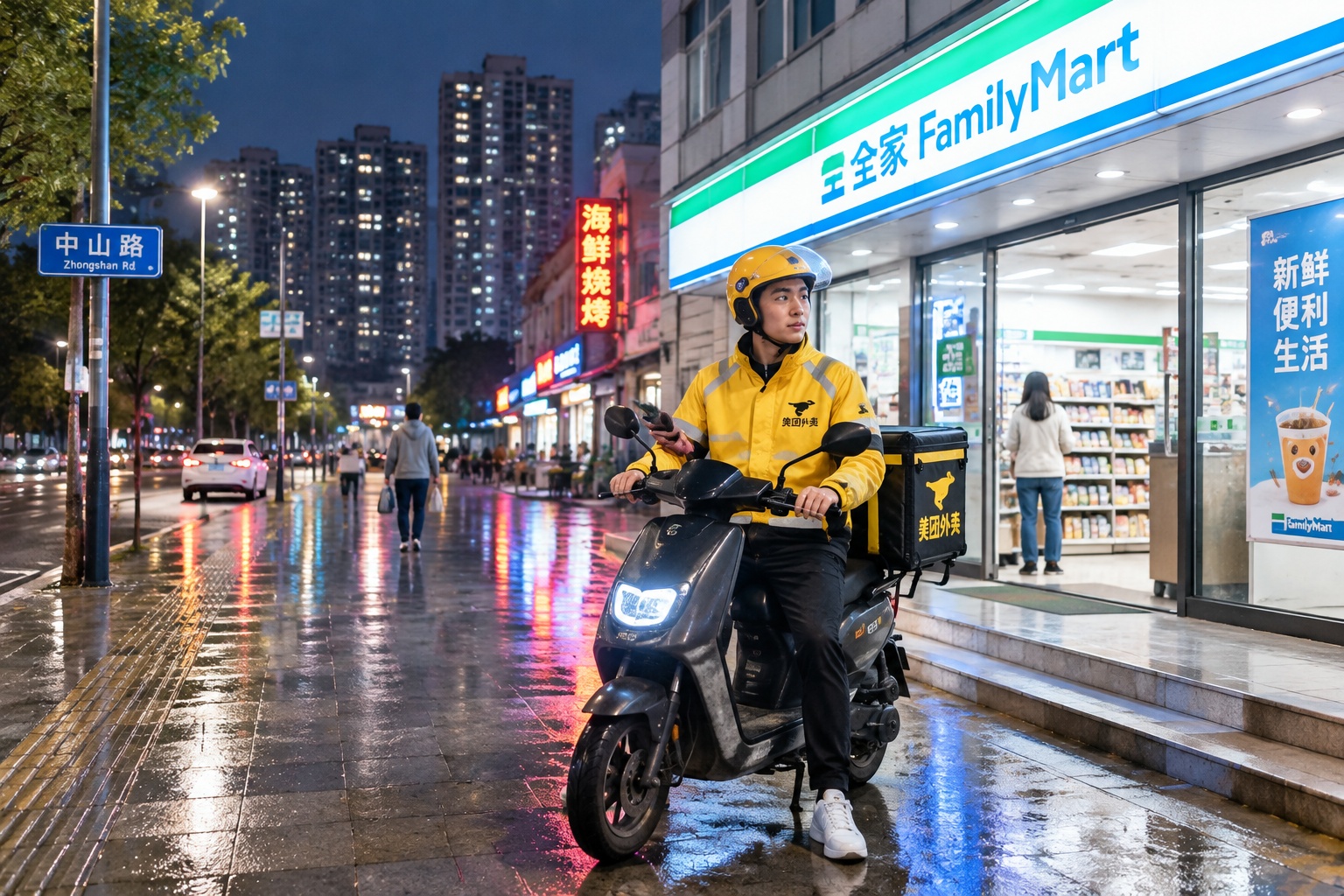
At 1:45 AM in Chengdu, the air still smells of spicy peppercorns and charcoal. I am sitting on a plastic stool outside a small noodle shop, watching a delivery rider in a yellow helmet zip past me, his phone mounted on the handlebars glowing with navigation instructions. Inside the shop, three other customers are quietly slurping soup. The streetlights hum softly. There is no sense of urgency, no fear in the eyes of the people passing by.
For many Western observers, this scene feels impossible. In cities like London or New York, wandering alone at night often comes with a subconscious calculation of risk. But in China’s tier-1 and new-tier cities, the night is not a time to hide; it is a time to live. The question isn’t just why these cities stay awake, but what makes ordinary people feel safe enough to do so.
The Economics of Nightlife: More Than Just Fun
The “night economy” in China is often misunderstood as merely about entertainment—bars, karaoke, and clubs. While those exist, the real engine of the night is work and basic necessity.
China’s urban density creates a unique ecosystem. In many European or North American cities, high rents and sprawl force people into early bedtimes; commuting late is expensive and inconvenient. In China, compact city centers mean that services remain accessible 24/7. The convenience store on the corner isn’t just selling snacks; it’s feeding night-shift nurses, programmers debugging code, and students studying for exams.
Take Li Wei, a freelance graphic designer I met in Hangzhou. He told me he prefers working after midnight because the city is quieter and his mind is clearer. “I can walk to buy coffee at 2 AM without worrying about my bag being snatched,” he said. This freedom isn’t an accident; it’s enabled by infrastructure.

Safety as Infrastructure: The Convenience of Walking Alone
In China, safety is treated less like a legal concept and more like public utility—like water or electricity. It is engineered into the urban landscape through several tangible layers.
First, there is visibility. Chinese cities are exceptionally well-lit, even in residential alleys. Streetlights, shop signs, and security cameras create a continuous visual net. Second, there is rapid response. The police emergency number (110) is widely known and typically dispatches units within minutes. In many neighborhoods, uniformed officers patrol on foot or e-bikes, not just in cars.
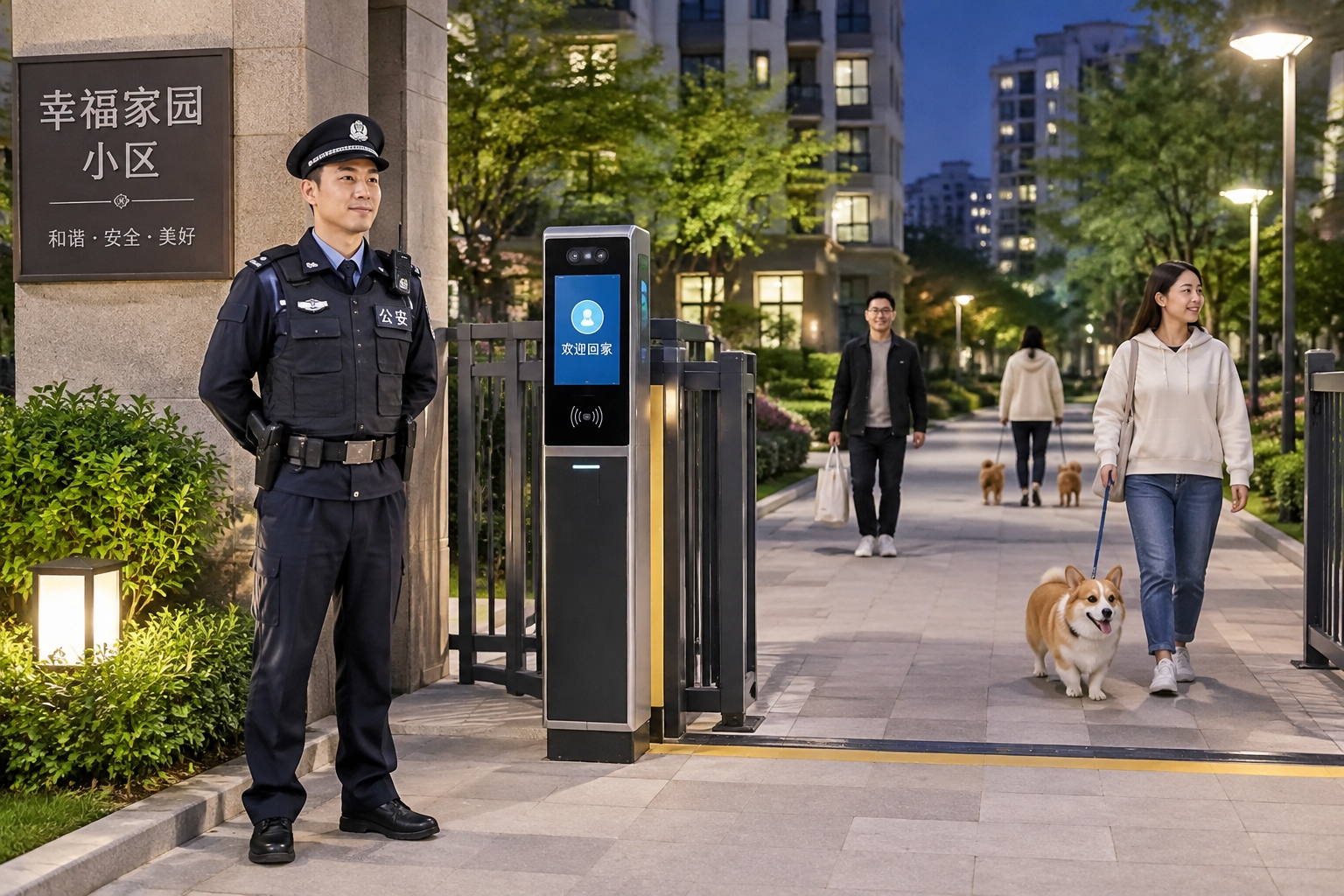
Third, the “grid management” system connects communities directly to local governance. Every residential compound has security guards, access controls, and often facial recognition gates. For an ordinary citizen, this means that while you might feel watched, you also feel protected.
I once left my laptop on a table at a cafe in Beijing while going to the restroom for five minutes. No one touched it. This level of trust isn’t naive; it’s built on a social contract where public order is prioritized over individual anonymity.
Technology Meets Tradition: Digital Trust
China’s safety ecosystem is deeply integrated with digital tools. The same apps that make life convenient also enhance security. Ride-hailing services like Didi have built-in emergency buttons and route sharing features that allow friends to track your journey in real-time.
Mobile payments, ubiquitous via WeChat Pay and Alipay, reduce the need to carry cash—a major deterrent for street crime. But beyond convenience, these platforms create a “digital trust” layer. Transactions are recorded; identities are verified. In public spaces, this transparency discourages opportunistic crime because the cost of being caught is high.
A Different Definition of Freedom
For outsiders, the extensive surveillance and strict social controls in China can seem restrictive. But for residents, these measures often translate into a profound sense of relief. The freedom to walk home at 3 AM without anxiety, to let children play in public squares until dusk, or to leave a bicycle unlocked on a busy street—these are not small luxuries.
This is the root of China’s vibrant nightlife. It is not just about economic output; it is about the psychological comfort of living in a city that watches over you. When the lights stay on, they don’t just illuminate streets; they signal that life continues, safely and without interruption.

Start the discussion at forum.chinacomes.com