


Beyond the Co-Working Space
When people hear “digital nomad,” they often imagine a lone figure in a sterile, glass-walled co-working space, staring at two monitors while sipping an overpriced latte. It’s a scene familiar from Silicon Valley or Bali.
In China, however, the reality is softer, noisier, and significantly more social. For remote workers—whether they are Western expats, returning Chinese graduates, or local freelancers—the path to integration doesn’t start with an office lease. It starts on the street, in a cafe, or through a smartphone screen.
The Third Place: Coffee Shops as Community Hubs
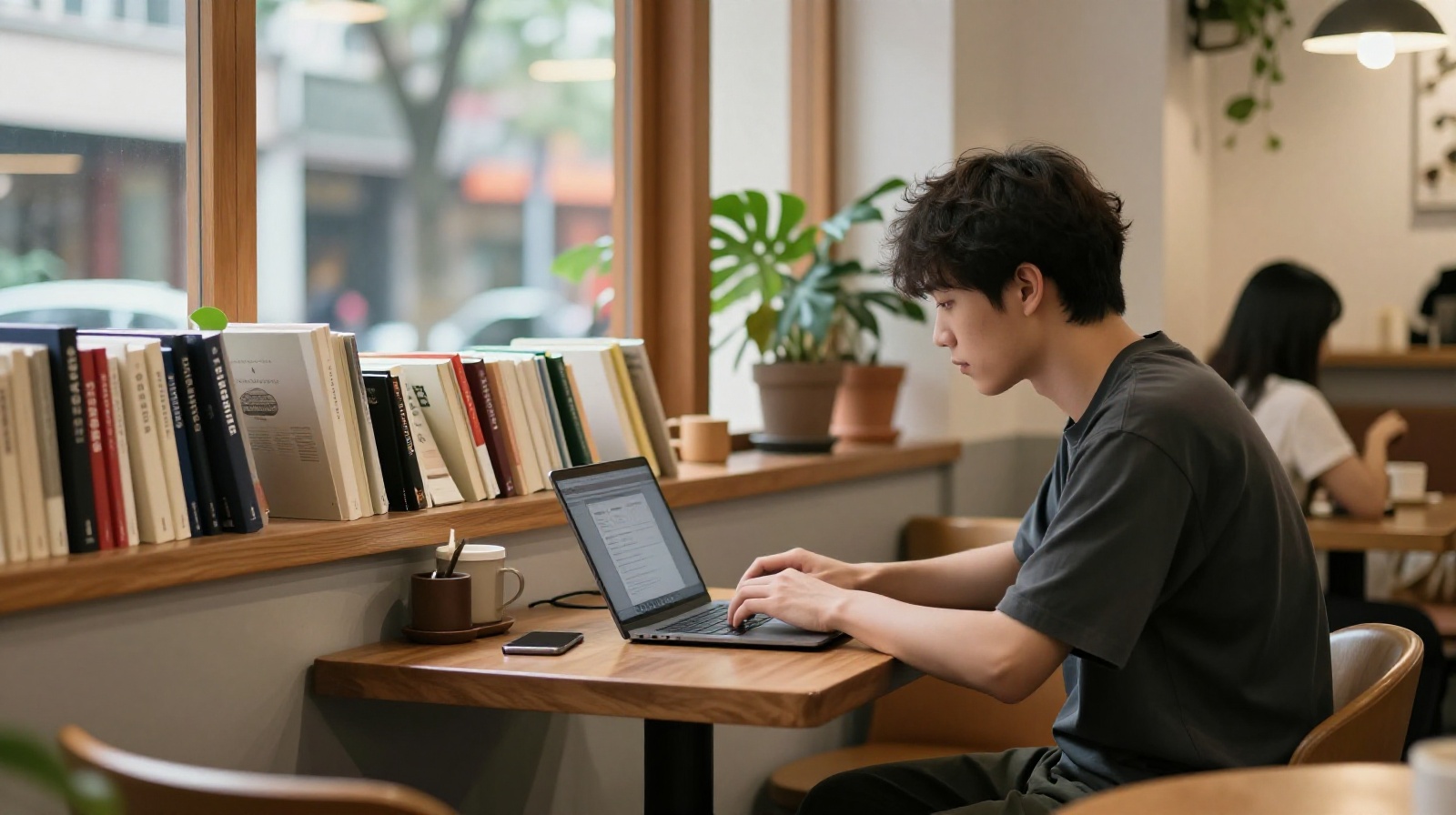
In cities like Chengdu and Shanghai, coffee shops are not just places to buy caffeine; they are living rooms for the city. The culture here is defined by “staying power.” Unlike some Western cafes where there’s an unspoken pressure to leave after one drink, many Chinese independent cafés welcome remote workers who order a single tea or coffee and linger for four hours.
For a remote worker in Chengdu, the routine might look like this: You find a small studio near Taikoo Li. By 10 AM, you’re there with your laptop. The barista knows your order. Within an hour, you’re chatting with the person next to you—not about stock markets, but about the best hotpot restaurant nearby or a hiking trail in the mountains outside the city.
This accessibility breaks down isolation. You don’t need a corporate HR department to introduce you to colleagues. The community is built on proximity and shared quietude.
Tech-Enabled Socializing: More Than Just Work Tools
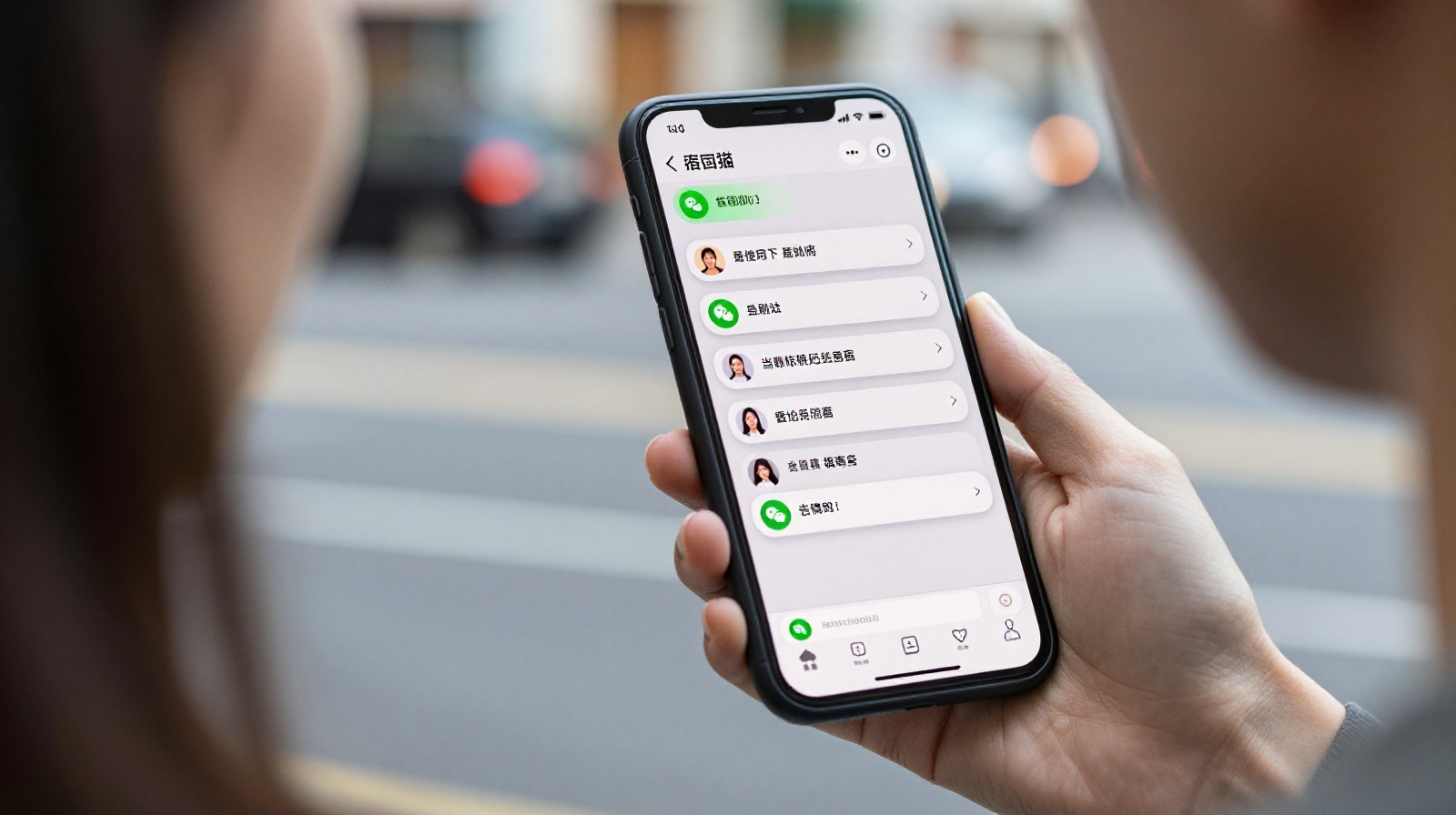
The biggest hurdle for new arrivals in China isn’t language; it’s the digital ecosystem. But once crossed, apps like WeChat and Xiaohongshu (Little Red Book) become powerful bridges to local life.
For a digital nomad, these aren’t just messaging or shopping tools. They are discovery engines for community.
- WeChat Groups: Almost every interest has a group. Whether it’s “English-Chinese Language Exchange in Beijing” or “Weekend Hikers in Hangzhou,” joining these groups is the fastest way to meet locals who share your hobbies, not just your profession.
- Xiaohongshu: Think of this as Instagram meets Yelp. Remote workers use it to find niche events: a pottery class in Shenzhen, a jazz night in Tianjin, or a volunteer cleanup in Guangzhou. It’s a visual map of local culture that feels immediate and accessible.
Navigating Daily Life with Super-Apps
Integration happens when you stop treating your phone as a tourist tool and start using it as a local resident’s extension. In China, the “super-app” model—where one app handles payments, transit, booking, and socializing—is ubiquitous.
For remote workers, mastering Alipay or WeChat Pay is non-negotiable. But beyond payments, these apps unlock the city. You can book a bicycle share with one tap, hail a Didi (ride-hailing) car without speaking Mandarin, and order fresh groceries to your door from wet markets that don’t have websites.
This digital convenience removes the friction of daily life. When you aren’t struggling to find cash or figure out how to pay for a bus ride, you have the mental space to explore, connect, and engage with your surroundings.
Real Connections: Stories from the Ground
Consider Li, a 28-year-old e-commerce strategist who moved back to Hangzhou after working in London. He initially felt isolated, missing the pub culture he was used to. But by joining a local “badminton and beer” WeChat group, he found his tribe. Now, his weekends are spent playing matches with locals who later invite him for dinner.
Then there’s Sarah, a freelance graphic designer from Canada working in Beijing. She didn’t join an expat club. Instead, she used Xiaohongshu to find a weekly calligraphy workshop. Today, her friends are not other designers, but retired teachers and university students who help her navigate the city’s alleys and explain local customs.

From Isolation to Integration
The digital nomad experience in China is shifting. It’s no longer about escaping the local culture to live in an expat bubble. It’s about leveraging technology and accessible public spaces to dive into the rhythm of daily Chinese life.
For remote workers, the key isn’t finding a desk with fast Wi-Fi. It’s finding the right WeChat group, sitting at the right cafe table, and being open to the unexpected conversations that happen when you stop working for an hour. That is where the real community lives.