
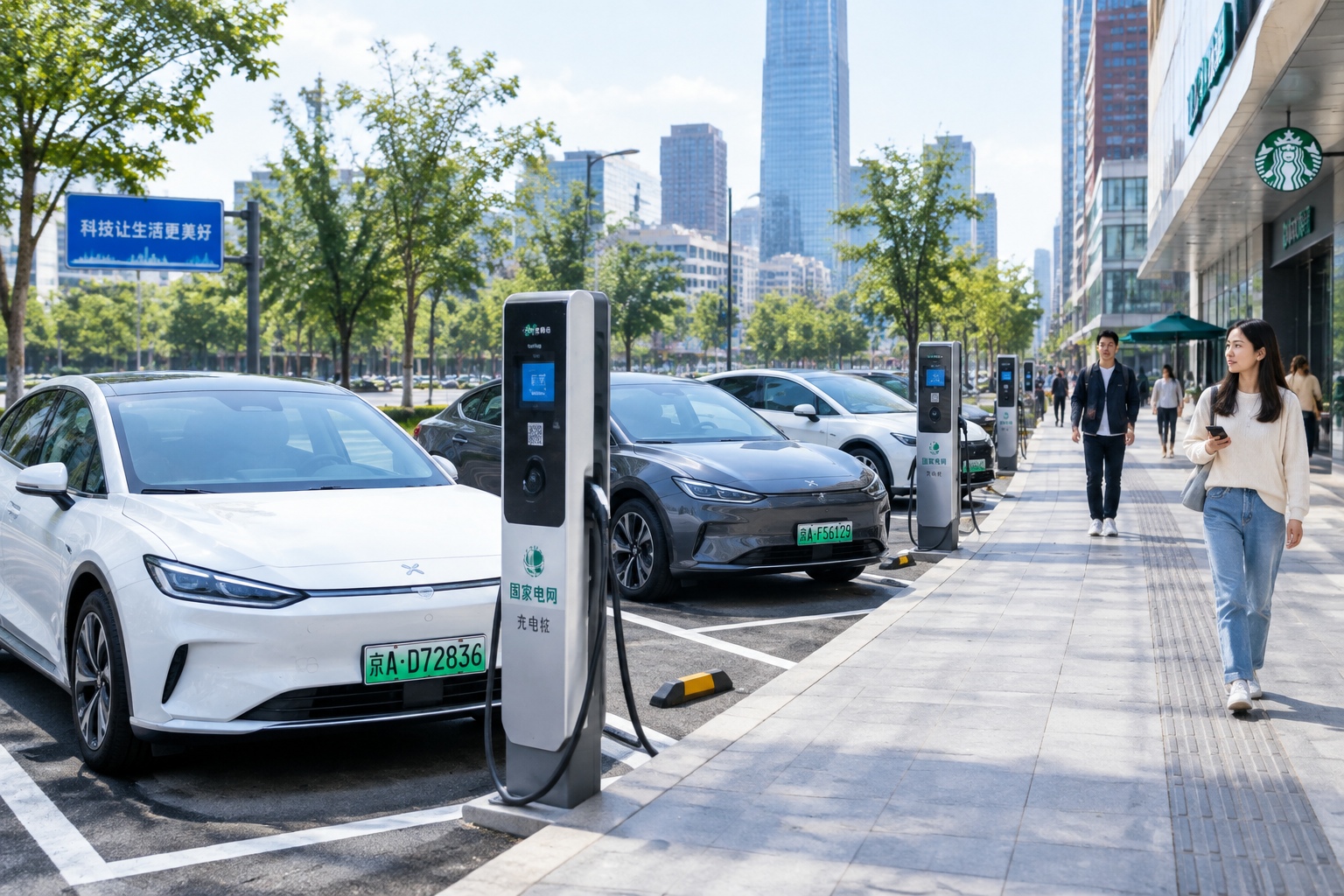

The Myth of ‘Range Anxiety’ vs. The Reality on the Ground
If you ask people in Europe or North America about electric vehicles (EVs) in China, the first question is often: “But where do they charge?” There is a persistent Western perception that Chinese EV drivers suffer from severe “range anxiety,” constantly hunting for scarce charging spots while their internal combustion engine counterparts breeze past in gas stations.
This view is outdated. To understand today’s reality, one must step out of the theoretical debate and into the asphalt of a Tier-1 city like Shenzhen or Shanghai. The experience here is not defined by scarcity, but by density. The infrastructure has grown so fast that it has become invisible—much like the Wi-Fi signals we now expect to be everywhere.
The Urban Experience: Convenience Over Complexity
Consider a typical Tuesday morning in Beijing’s Haidian district. I parked my rental EV at a large shopping mall near a university. The parking garage was half-full, but about 15% of the spaces were occupied by vehicles plugged into charging piles. These weren’t special “EV-only” zones requiring permits; they were integrated into standard parking bays.
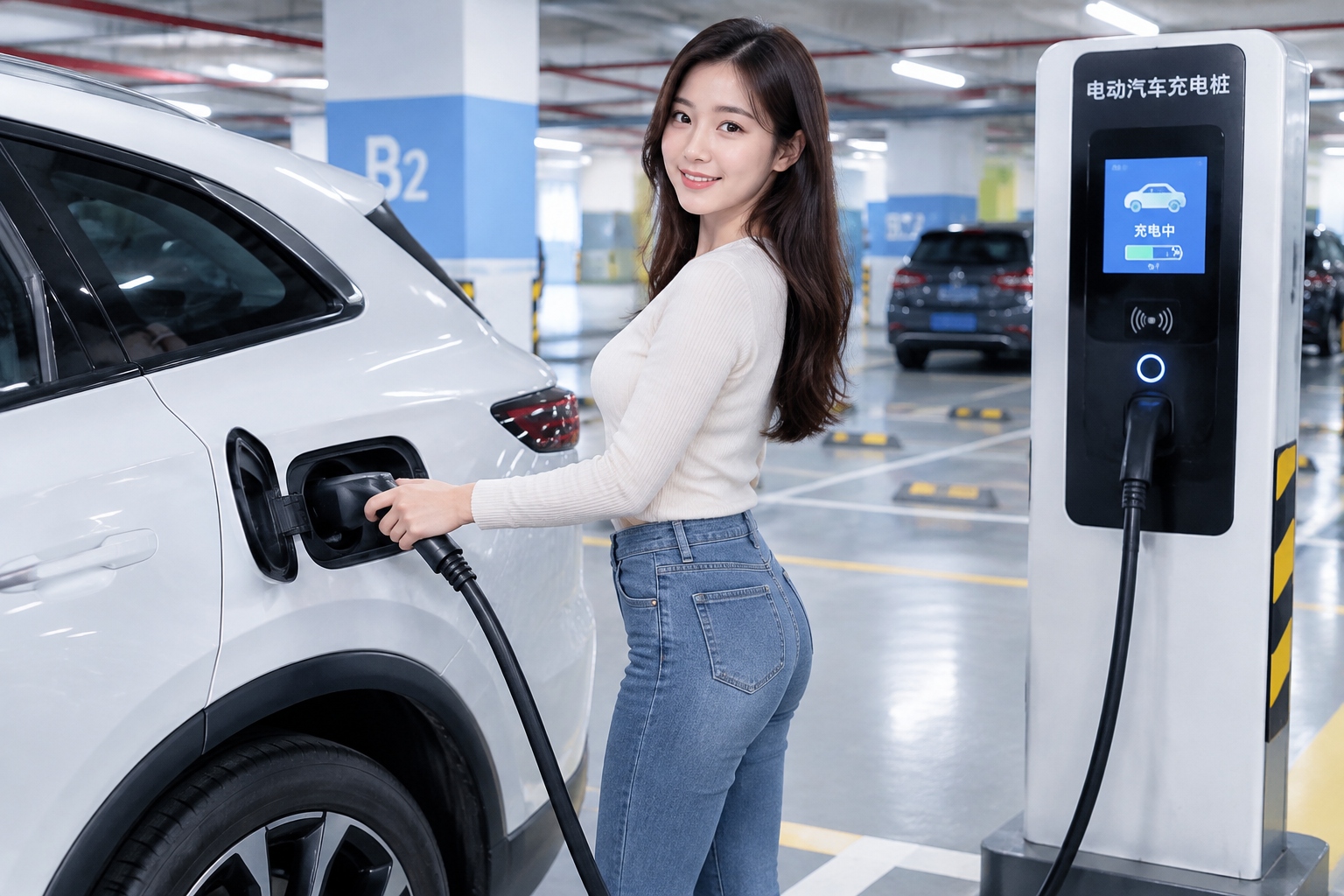
The density is staggering. In many Chinese cities, public chargers are now more numerous than gas stations in older suburbs. You do not need to plan a route around charging stops. You charge where you already stop: at the office, while grocery shopping, or during a movie.
Frictionless Technology
The user experience is surprisingly smooth for newcomers. Unlike some Western markets where drivers juggle multiple apps and membership cards, China has largely standardized its payment ecosystem. Most charging networks are accessible via WeChat or Alipay scans. You scan a QR code on the pile, the gun locks in, and the car starts drawing power.
Furthermore, the technology is moving toward “plug-and-charge.” Newer models from brands like BYD and Nio automatically negotiate payment once plugged in, removing even the need to scan. Wait times have also dropped significantly. While older chargers took an hour, new 480kW super-fast chargers can add hundreds of kilometers of range in under 15 minutes. For a coffee break, this is negligible.
Beyond the City: The Highway Corridor Challenge
Urban convenience does not mean long-distance travel is effortless. China’s vast geography still presents challenges, particularly during peak holidays like the Spring Festival (Chinese New Year).
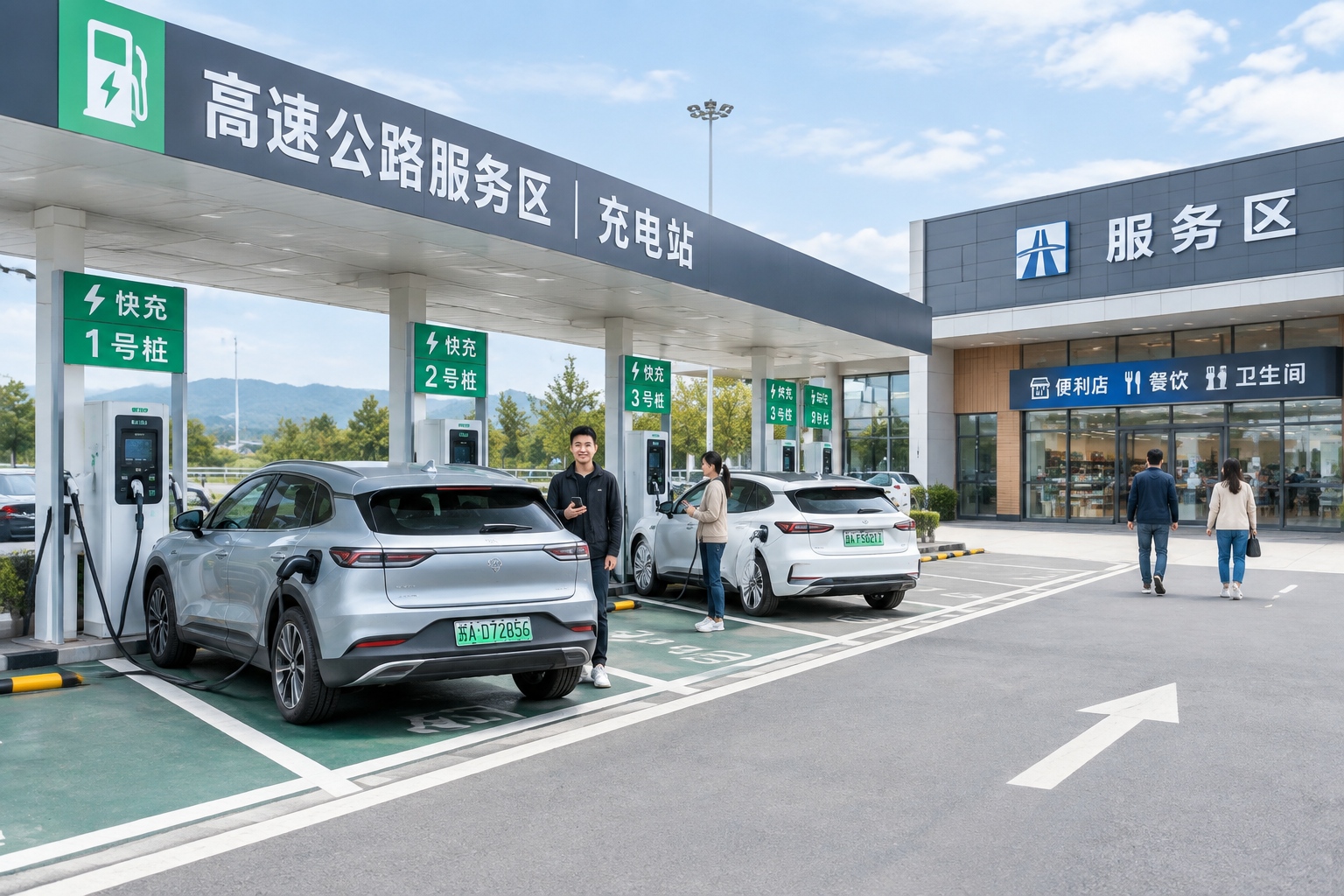
Historically, highway service areas became traffic jams of stranded EVs. But this is changing rapidly. Major expressways have been transformed into high-capacity charging corridors. Service areas now feature rows of fast chargers, often accompanied by convenience stores and rest areas.
Yes, queues can still form during the absolute peak of holiday travel. However, this is a temporary bottleneck rather than a systemic failure. The government and private companies are upgrading these hubs at an unprecedented pace. For daily commuting and regional travel, the network is robust enough for most users.
Cultural Shift: From Status Symbol to Daily Utility
Perhaps the biggest indicator of success is not the number of chargers, but how drivers talk about them. Five years ago, driving an EV was a statement—a tech-savvy choice for early adopters.
Today, it is mundane. The average Chinese middle-class family buys an EV because it is cheaper to run and easier to drive in city traffic, not because they are environmental activists. This shift has normalized the behavior of “topping up” during downtime. Charging is no longer a chore; it is part of the rhythm of life.
A Model for Global Urban Mobility
China’s experience offers a clear lesson for the rest of the world: infrastructure must precede mass adoption, but it must also be frictionless to sustain it. The combination of high-density placement, unified payment standards, and rapid technological iteration has turned a potential logistical nightmare into a seamless utility.
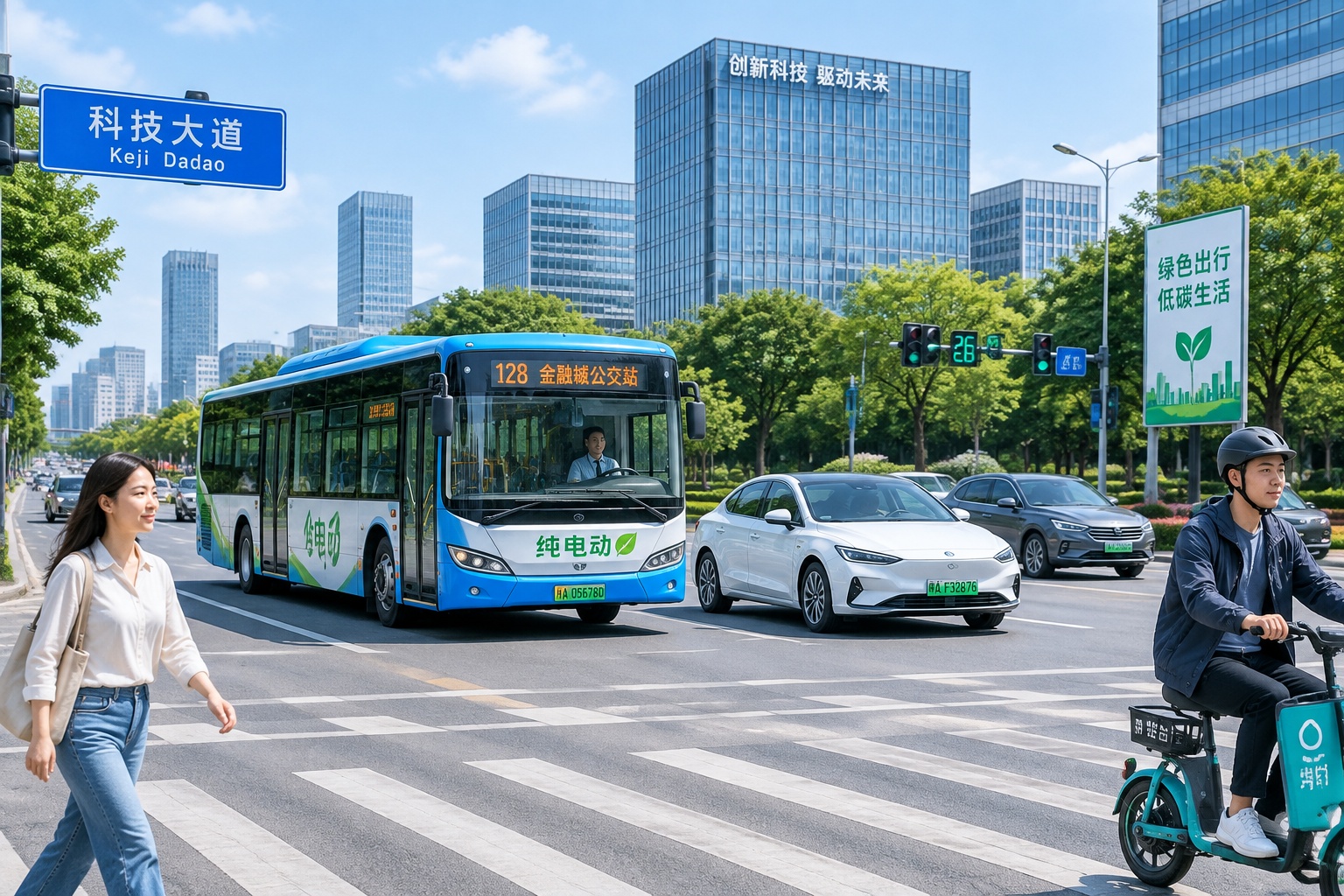
For international observers, the story is not just about how many electric cars are on Chinese roads. It is about how the infrastructure has quietly integrated into the fabric of daily life, making the transition to green energy less about sacrifice and more about convenience.
Start the discussion at forum.chinacomes.com