

The Ghost in the Takeout Box
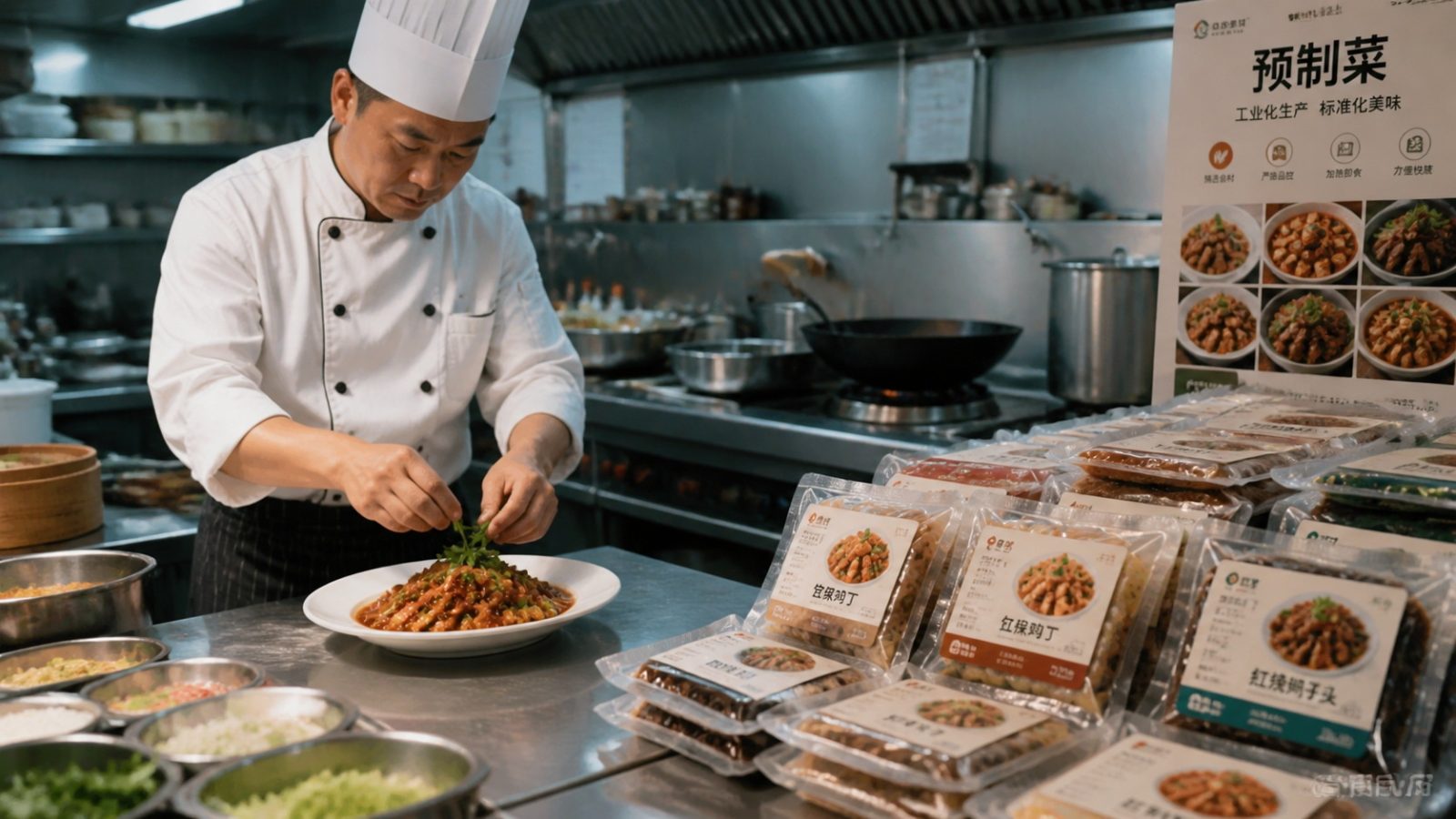
Li Wei, a 32-year-old data analyst in Beijing, orders his usual lunch via an app: braised pork with potatoes and rice. The meal arrives in 25 minutes, hot and steaming. But Li doesn’t know—and likely never will—that the “braised pork” was cooked two weeks ago in a factory near Shanghai, flash-frozen, shipped north, and then reheated by a delivery rider’s kitchen upon arrival.
This is the reality of pre-made meals (yuzhicai) in China. They are no longer just for instant noodles or cheap canteen food. Today, they appear in high-end restaurants, school cafeterias, hospitals, and even private homes. A recent survey by a major Chinese consumer platform found that over 70% of young urbanites have eaten pre-made meals at least once a week.
Why the Controversy? Convenience vs. Authenticity
The rise of pre-made meals has sparked one of the most heated debates in modern China. For restaurant owners, they are a lifeline. Rising labor costs, shrinking profit margins, and intense competition have forced many to choose between hiring skilled chefs or buying ready-to-cook meals.
“A chef takes years to perfect a dish,” says Zhang Min, who owns a chain of local eateries in Chengdu. “With pre-made meals, I can serve 200 customers an hour with consistent quality and half the cost.”
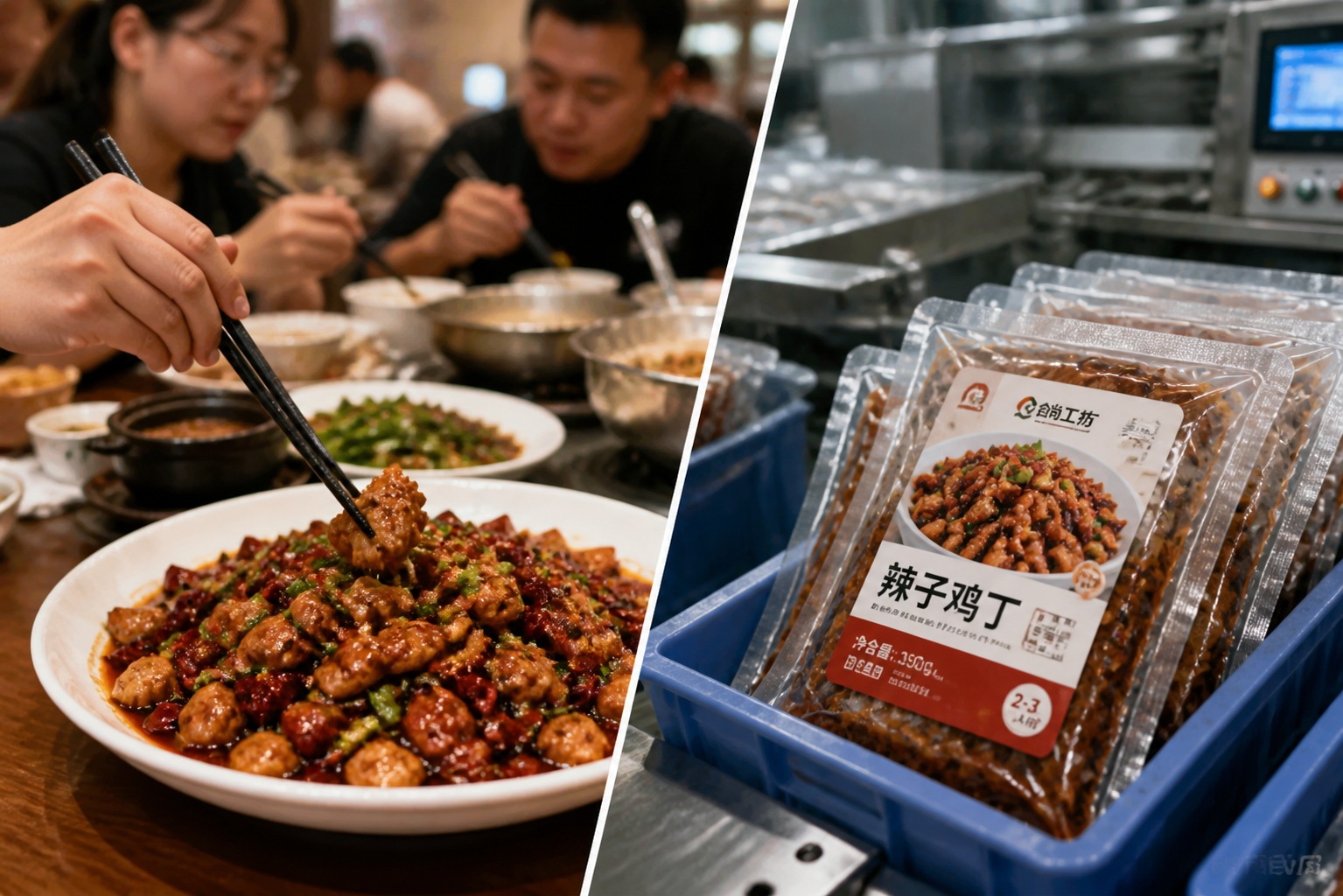
But for diners like Li Wei, the appeal fades when they realize what’s on their plate. The main complaint isn’t just taste—it’s trust. Many feel deceived when a restaurant charges premium prices for food that was mass-produced in a factory. “I’m not against convenience,” Li explains. “But I don’t want to pay restaurant prices for microwaveable meals. That feels like a betrayal of the dining experience.”
The Technology Behind the Taste
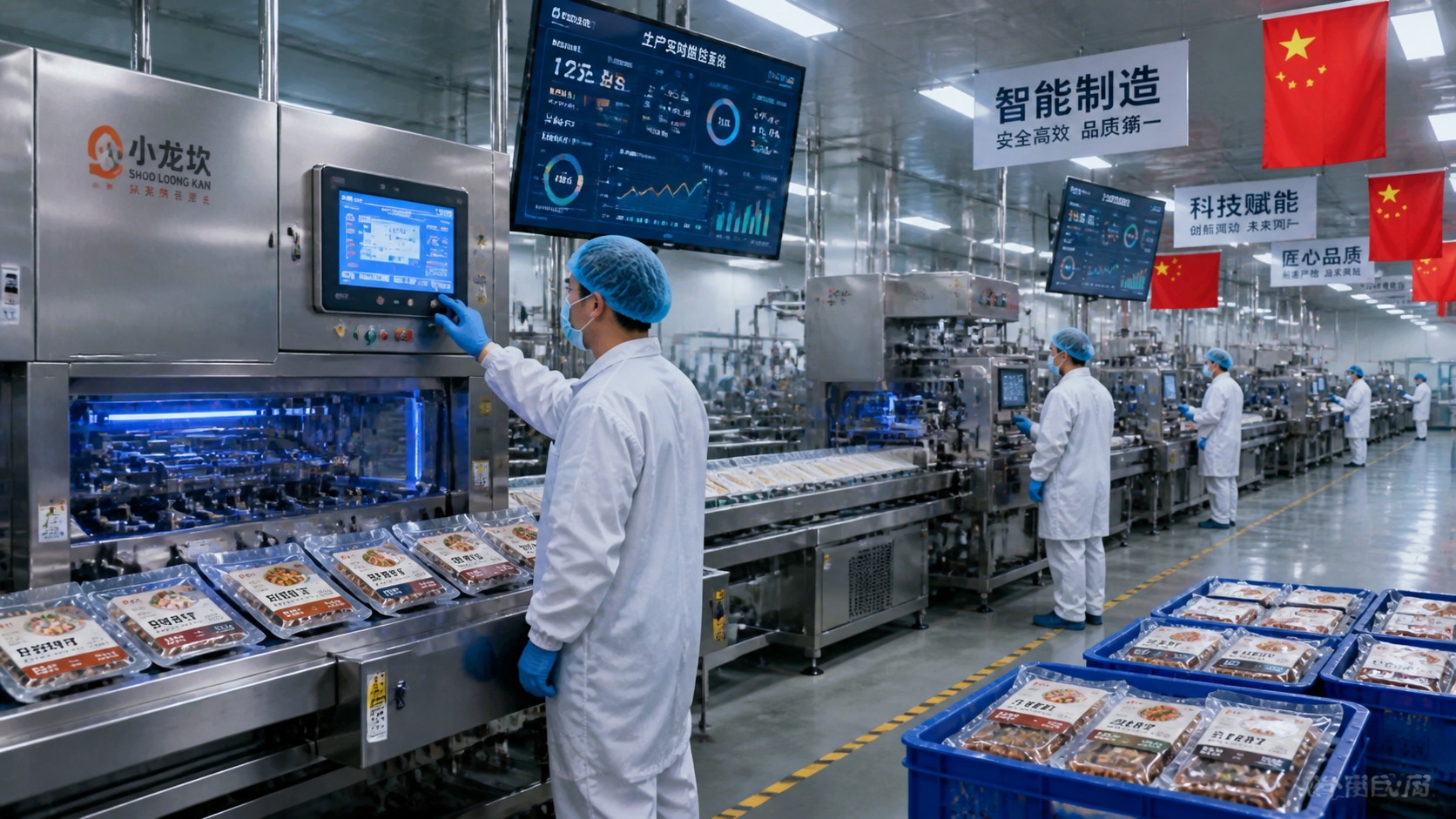
It’s unfair to dismiss pre-made meals as merely “tasteless” or “unhealthy.” The technology has advanced significantly in recent years. Modern cryogenic freezing, vacuum sealing, and nitrogen packaging allow dishes to retain much of their original flavor and texture.
In factories in Jiangsu province, engineers are developing smart heating systems that mimic the wok hei (breath of the wok) technique—a key element in authentic Chinese cooking. Some brands now use enzyme-based seasoning blends that replicate the complex umami profiles of slow-cooked traditional dishes.
“The goal isn’t to replace chefs,” says Dr. Chen, a food scientist at Shanghai Jiao Tong University. “It’s to ensure consistency and safety while reducing waste. When done correctly, pre-made meals can be nutritious and delicious.”
The Policy Shift: From Gray Area to Regulation
For years, the industry operated in a legal gray zone. Restaurants weren’t required to disclose whether they used pre-made components. This lack of transparency fueled public outrage.
In response, the Chinese government has moved to clarify rules. In late 2024, new national standards were introduced requiring restaurants to label pre-made meals on menus and in advertising. The Ministry of Agriculture and Rural Affairs also announced plans to establish a certification system for high-quality pre-made products.
“Transparency is the key to acceptance,” says an industry analyst. “When consumers know what they’re eating, they can make informed choices.”
A Balanced Future?
The debate over pre-made meals isn’t really about technology—it’s about values. Chinese cuisine is deeply tied to identity, tradition, and the social ritual of sharing food. For many, the act of cooking at home or dining out with family is irreplaceable.
Yet for busy professionals, elderly people living alone, or families in remote areas, pre-made meals offer a practical solution. They provide accessibility, affordability, and variety that might otherwise be unavailable.
The challenge ahead is not to eliminate pre-made meals but to integrate them responsibly. Consumers deserve clear labeling, manufacturers must uphold quality standards, and regulators need to enforce fair practices.
As China continues to modernize, the question isn’t whether pre-made meals will disappear—they won’t—but how society can balance efficiency with authenticity. The future of Chinese food may not be purely traditional or entirely industrial. It might simply be honest: a mix of both, chosen consciously rather than hidden.