

The Neon Lure in Every Mall
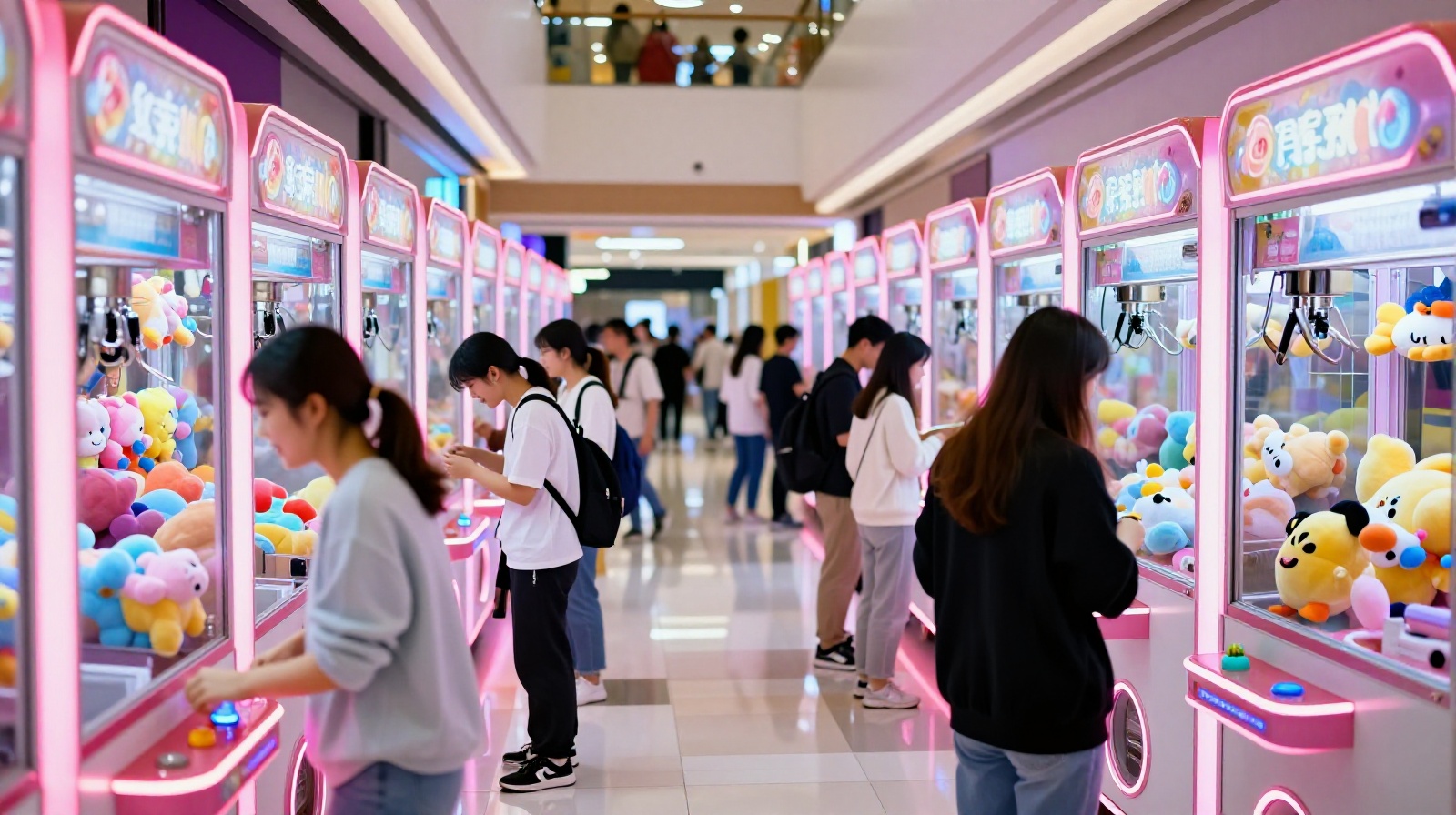
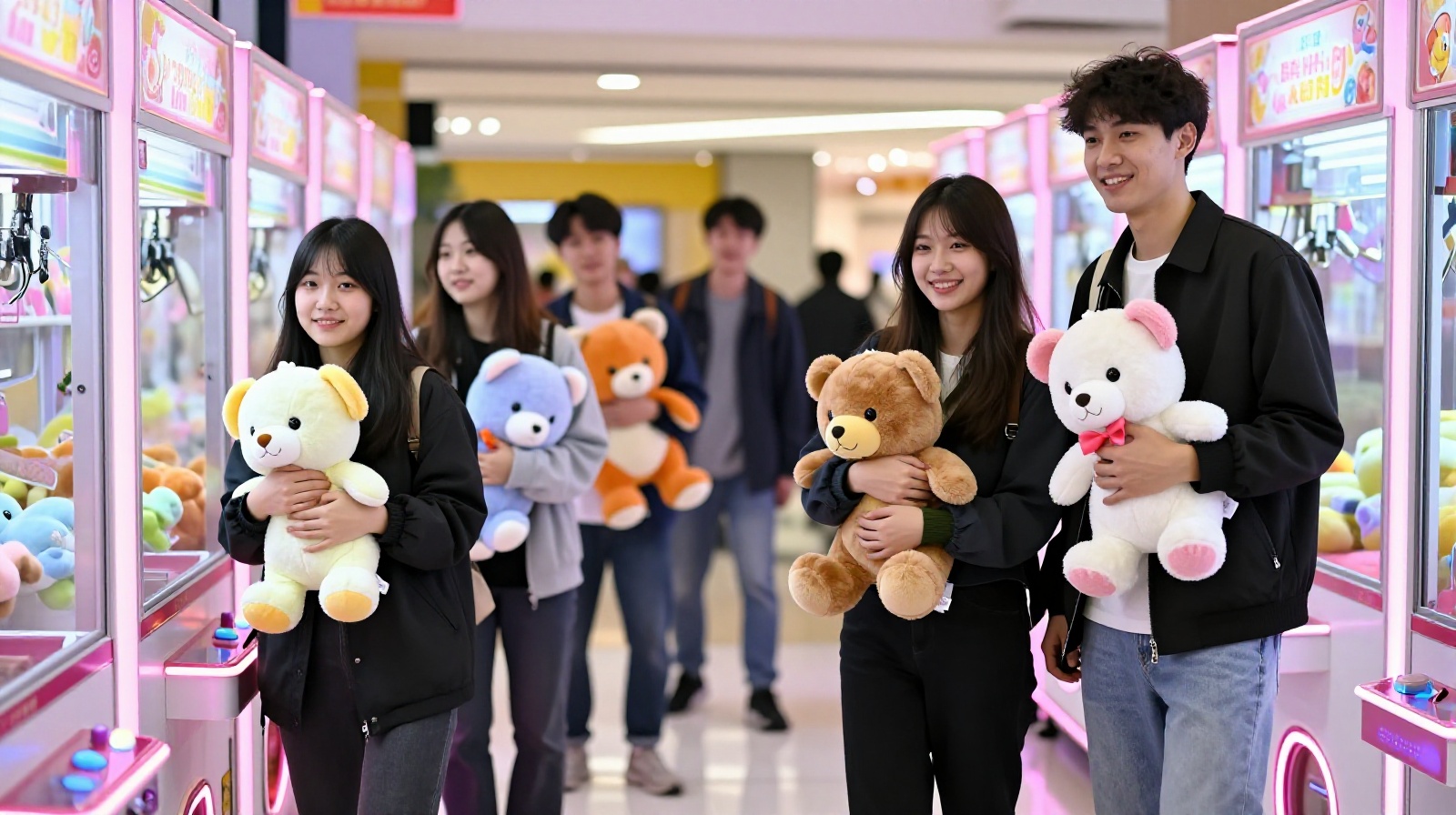
Walk into any shopping mall in a major Chinese city—from Shanghai’s bustling Nanjing Road to the quiet plazas of Chengdu—and you will see them. Rows of claw machines, glowing with neon lights and filled with colorful plush toys, line the corridors. They are everywhere: near cinemas, outside food courts, and even tucked away in corner shops.
For many overseas visitors, this phenomenon seems baffling. In Western countries, arcades were once dominated by video games like Pac-Man or Tekken. Today, in China, the arcade experience has shifted toward tactile prizes. It is a form of “low-cost happiness.” For the price of a few yuan (less than one US dollar), anyone can try their luck at winning a giant bear, an anime character, or even branded merchandise.
But there is a catch. Have you ever watched someone struggle for ten minutes, only to drop the prize inches from the chute? Or noticed how sometimes the claw grabs the toy firmly, but mid-air, it suddenly relaxes and lets go?
The Hidden Mechanics: Is It Rigged?
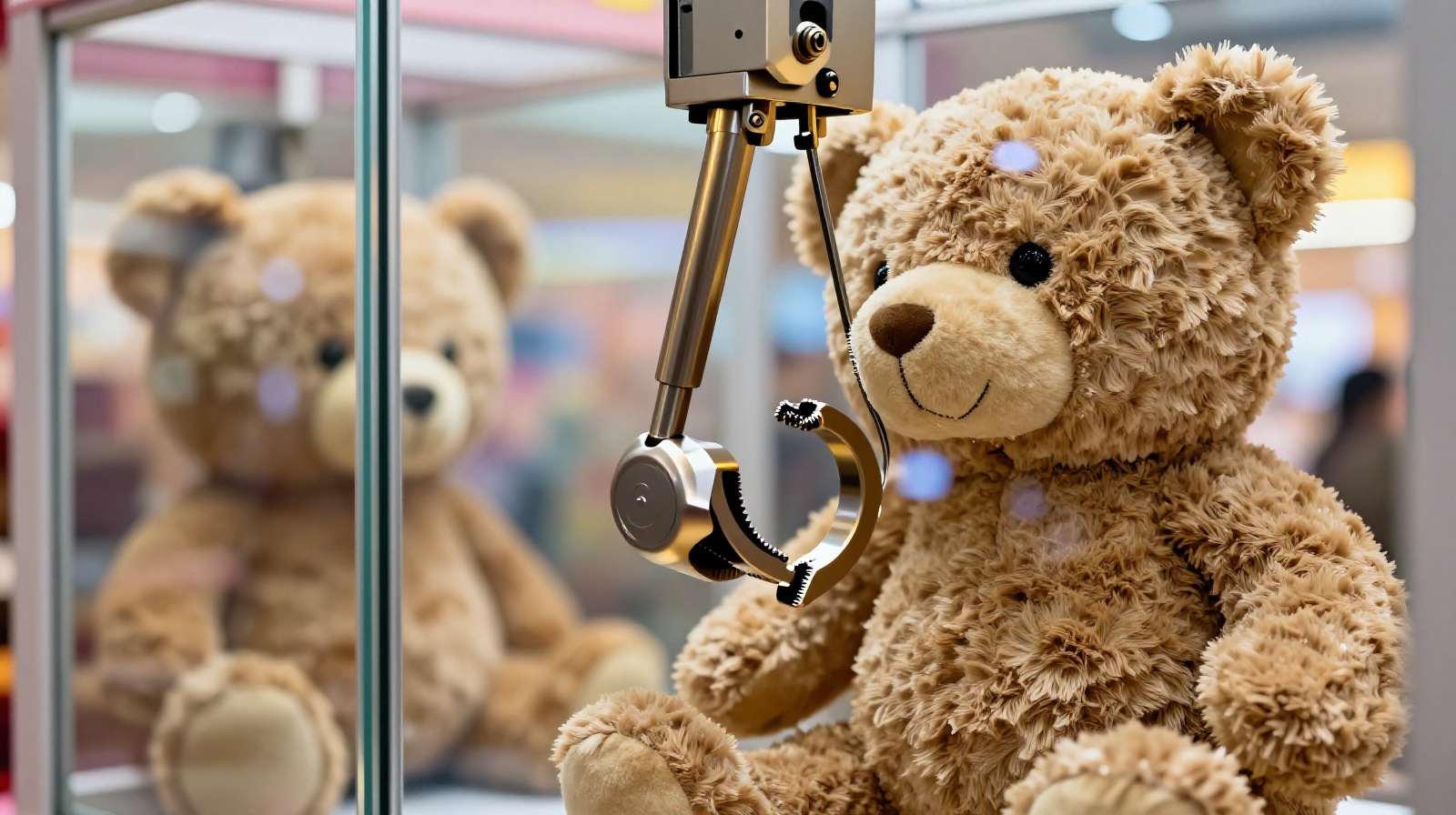
The short answer is yes, but not in the way you might think. Most modern claw machines in China are connected to a central management system. This allows mall owners to adjust difficulty levels remotely.
Key concepts include:
- Payout Rate (保底点数): Machines often have a preset threshold. For example, after 50 plays without a win, the machine enters “guaranteed mode” where the claw grip strength is maximized.
- Grip Strength Variability: Even in winning modes, the claw might still be loose during the initial grab to create suspense, only tightening right before the drop.
This isn’t just random chance. It’s a psychological design meant to keep players engaged longer than they intended.
Practical Tips: How to Actually Win
If you want to stop feeding coins and start winning prizes, here are some tried-and-true methods used by regulars:
1. Observe Before You Play
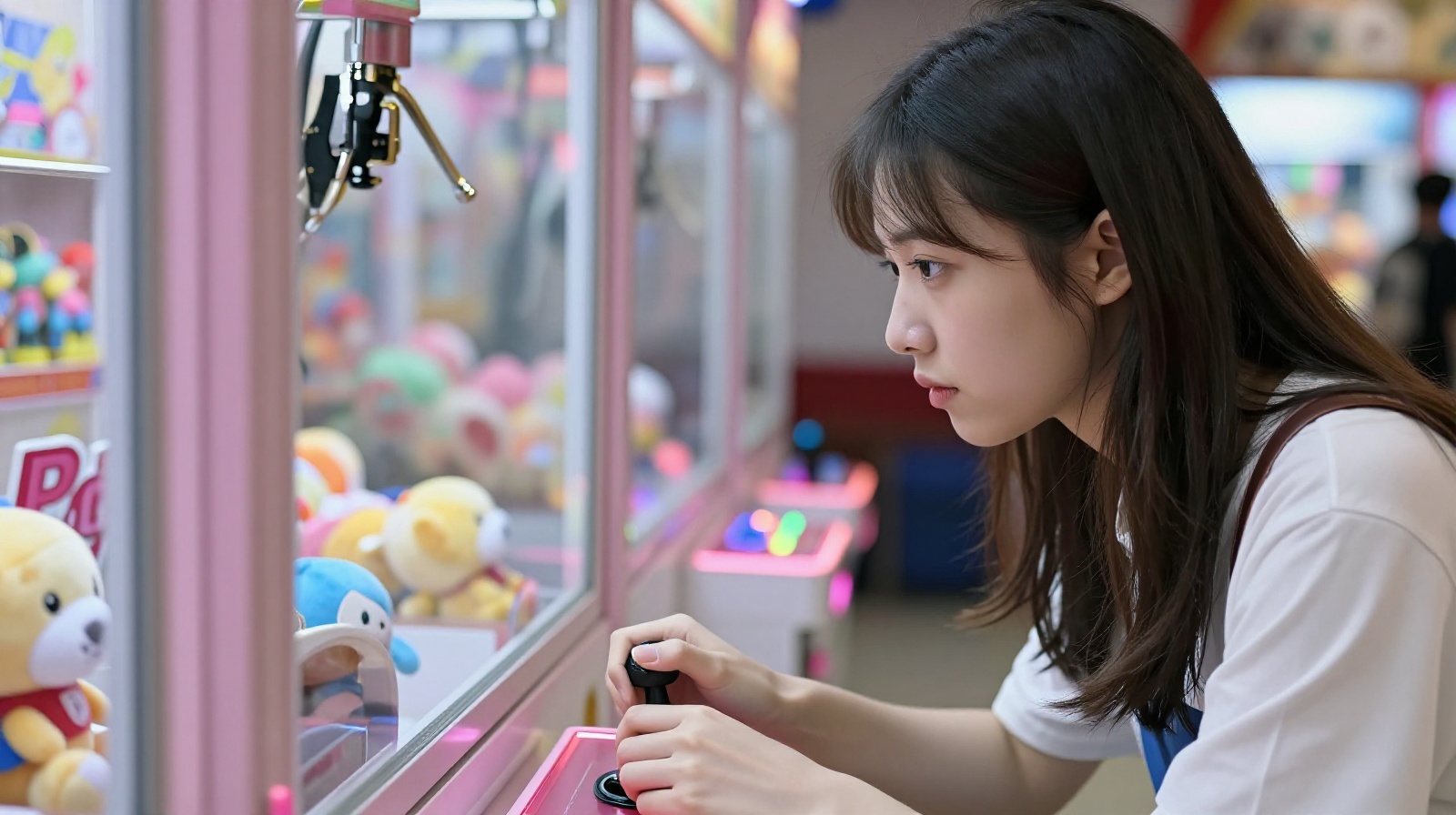
Don’t rush in. Watch other players for five minutes. If a machine hasn’t paid out in hours, it’s likely still in its “hard mode” cycle. Wait until someone hits the jackpot; the machine will reset to a harder state.
2. Aim for the Neck or Tag
Grabbing the body is rarely successful because plush toys are soft and slippery. Instead, look for an opportunity to hook the neck or a tag. If the toy is stacked, try to push it off rather than lift it.
3. Master the “Swinging Claw” (甩爪)
This advanced technique involves moving the claw to one side of the joystick before releasing it. As the claw swings like a pendulum, you release the button at the peak of the swing. This can add momentum to the grab, helping to drag the toy toward the chute.
The Business Logic: Why They Let You Win Sometimes
It might seem counterintuitive for a business to let customers win. However, winning players are essential for marketing. A person holding a giant plushie is walking advertisement. Other shoppers see it and think, “I can do that too,” which drives more foot traffic and coin insertion.
Mall owners calculate the cost of goods (COGS) versus revenue. Plushies in these machines are often mass-produced wholesale items costing very little. The thrill of the game generates far more income than the cost of the prizes given away.
Keep It Fun: A Rational Mindset
The most important tip is to keep your expectations in check. Treat claw machines as entertainment, not an investment strategy. Set a budget for yourself—perhaps 50 yuan—and stick to it. If you don’t win within that limit, walk away.
For many young Chinese people, the joy isn’t just in the toy; it’s in the shared experience. Couples, friends, and families gather around these machines, laughing at near-misses and celebrating small victories. It’s a social ritual as much as a game of skill.
Final Thoughts
The claw machine culture in China reflects a broader trend: accessible, low-stakes entertainment that fits into daily urban life. Whether you succeed in winning a prize or simply enjoy the spectacle, these machines offer a unique glimpse into how Chinese consumers engage with modern retail spaces.