

The Algorithmic Silver Age
When most people in the West think of retirement, they imagine a slow decline: napping on a porch, caring for grandchildren, or perhaps joining a bridge club. In China, there is another reality playing out on millions of smartphones right now.
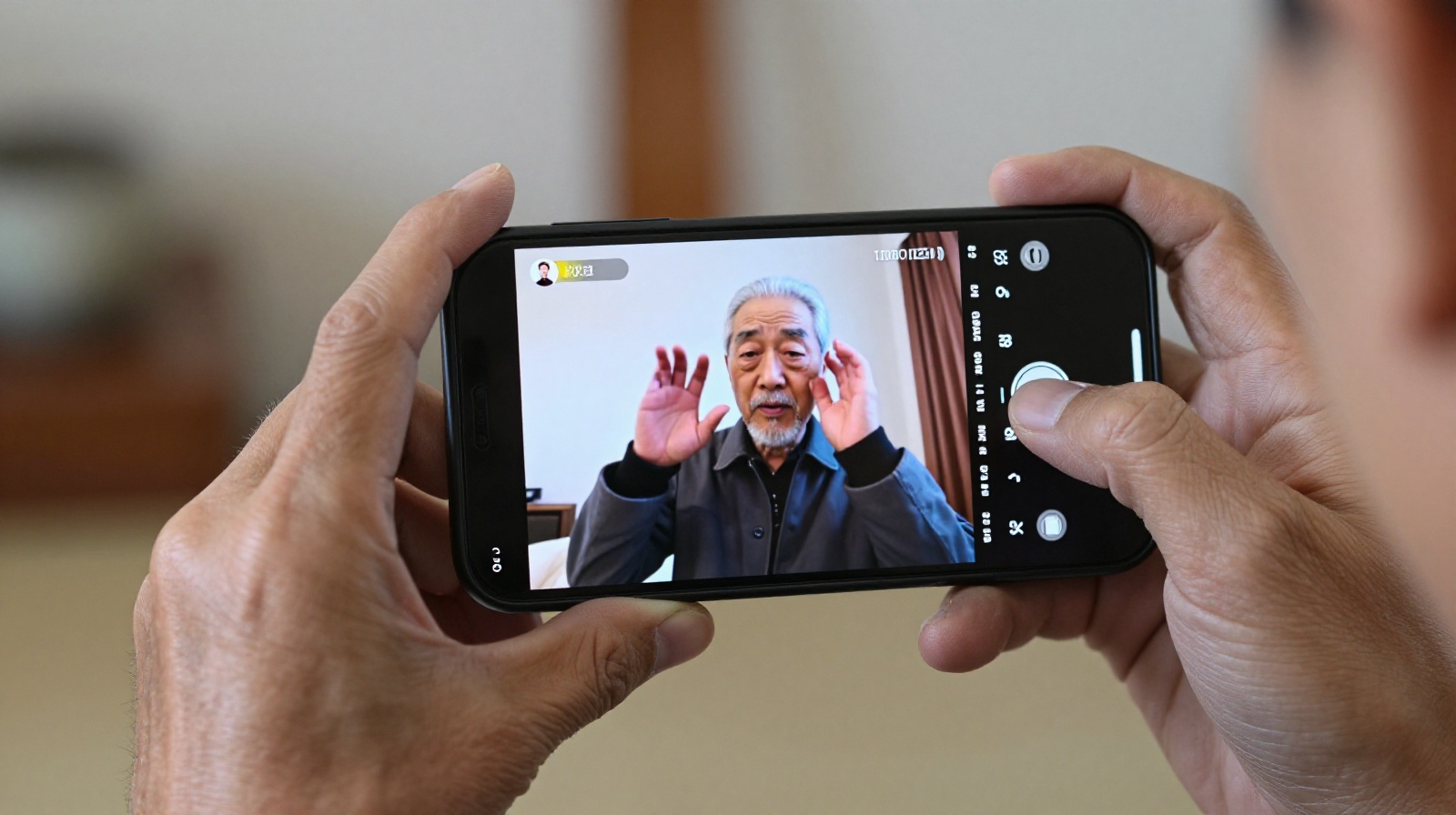
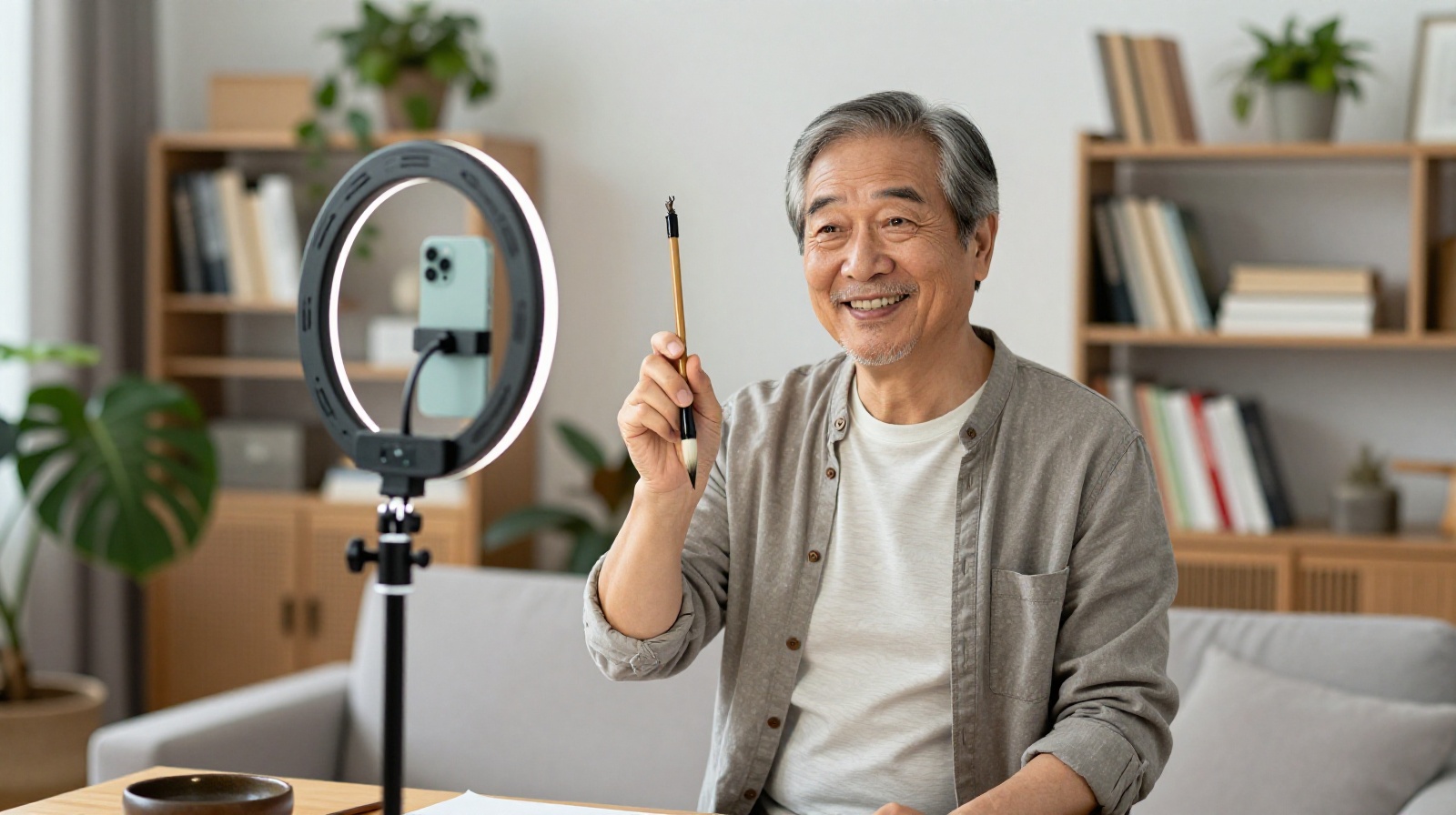
Meet 72-year-old Lao Li. Instead of sitting in a park chatting with neighbors, he is standing in front of a ring light, holding a smartphone like a microphone. “Look at this texture,” he says to an audience of 300,000 people watching live on Douyin (China’s TikTok). He is reviewing a set of traditional Chinese calligraphy brushes. This isn’t a hobby; it’s his second career.
Lao Li represents a massive, often overlooked demographic in China: the “silver influencers.” With over 290 million citizens aged 60 and above, China has the world’s largest aging population. But unlike their Western counterparts who are often framed as passive recipients of care or relics of the past, many Chinese seniors are aggressively embracing the digital economy.
Why now? The answer lies in the algorithm. Platforms like Douyin and Kuaishou have found that older audiences crave content that feels authentic and nostalgic. While young influencers often feel polished and scripted, senior creators bring a raw honesty. A 70-year-old farmer planting rice or a retired engineer fixing a toaster resonates deeply with viewers who are tired of curated perfection.
More Than Just Dancing
If you scroll through Chinese social media, you might assume all older content is about square dancing or singing opera. While those genres still exist, the ecosystem has diversified rapidly.
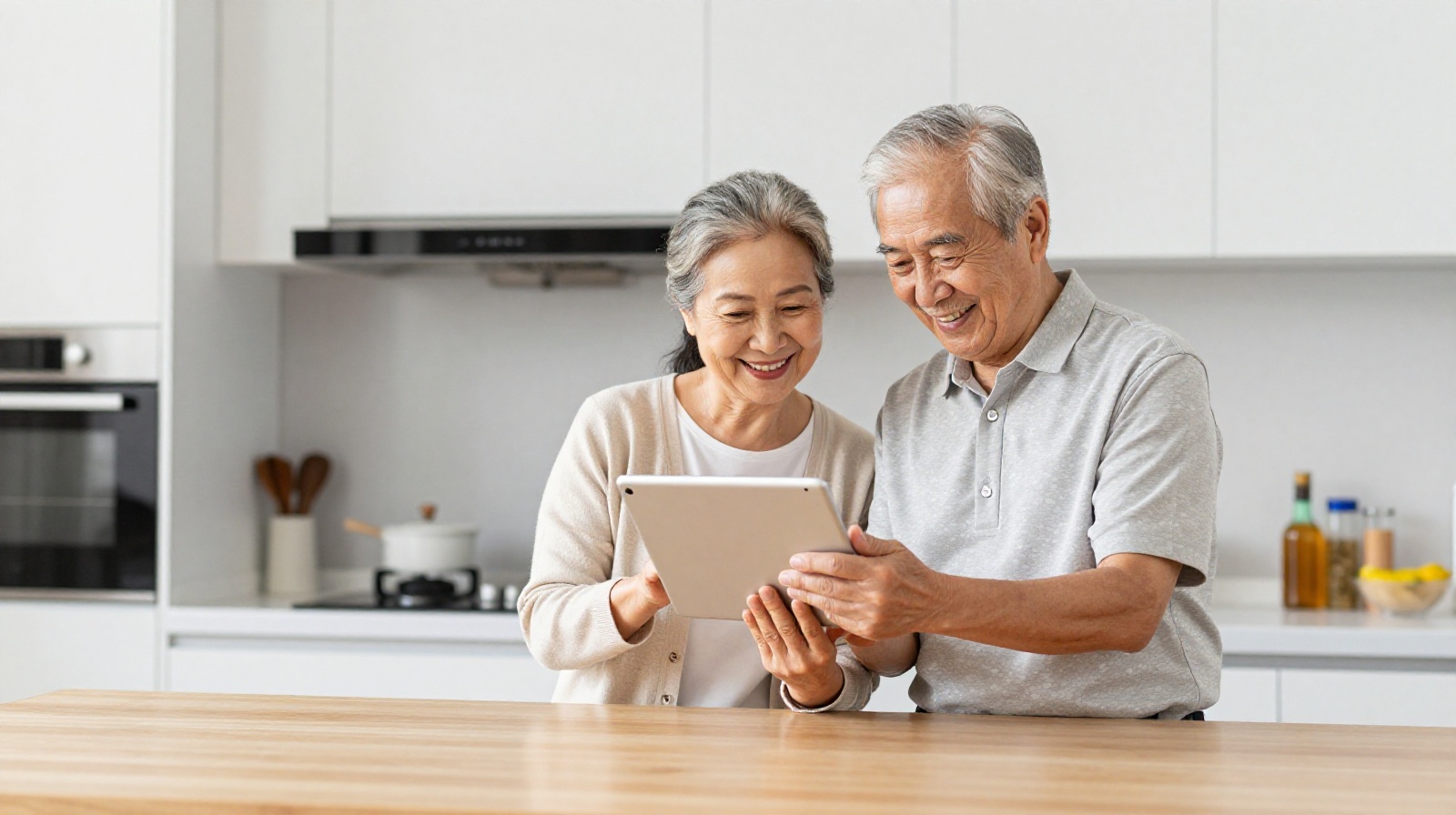
Taking a break from his calligraphy review, Lao Li points to another trend: “My grandson told me people love seeing us use technology.” And he’s right. We are seeing a rise in “tech-savvy grandparents” who unbox the latest smartphones or explain complex AI tools with surprising clarity.
Then there is the professional pivot. Many Chinese seniors spent decades as experts in state-run enterprises or government institutions. Now, they are monetizing that knowledge. Retired doctors offer health advice (with strict platform disclaimers), former teachers provide tutoring for adult learners, and ex-engineers share DIY repair tutorials. This isn’t just about killing time; it’s about reclaiming professional identity.
In rural areas, the phenomenon is even more striking. Elderly farmers are becoming “agricultural influencers,” showcasing organic farming methods or traditional crafts to urban buyers. They bypass middlemen, selling directly to consumers who value transparency and authenticity over mass-produced goods.
The Social Lifeline
For many of these seniors, the camera is a lifeline against loneliness. China’s rapid urbanization has led to a rise in “empty nesters”—parents whose children have moved to major cities for work, leaving them alone in smaller towns or suburban apartments.
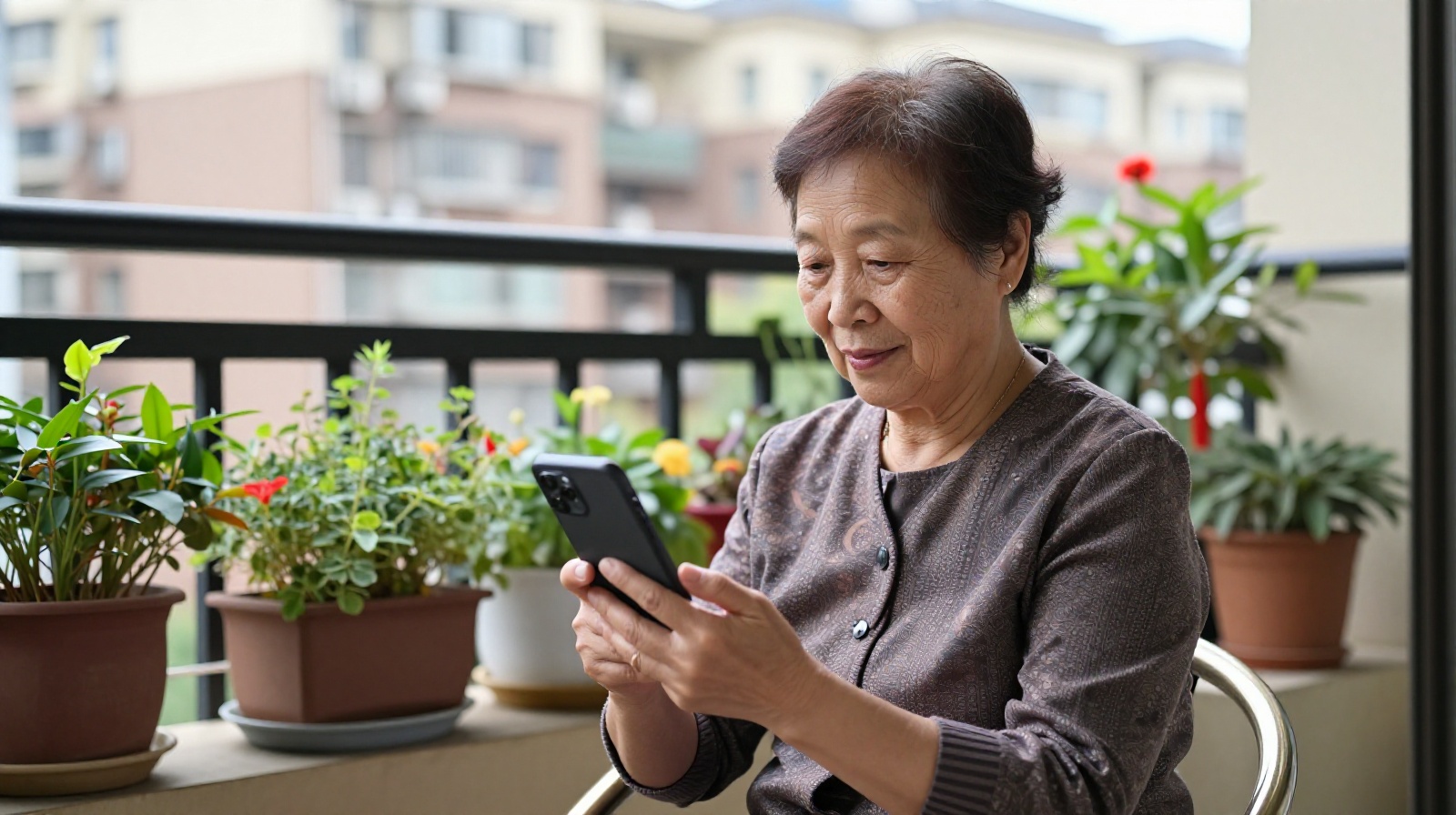
“Before this app, my days were very quiet,” says Mei, 68, a former nurse from Chengdu. Now, she posts daily vlogs about her neighborhood and cooking simple meals. Her phone buzzes constantly with comments. “Young people tell me their children are busy, but they appreciate my videos. It feels like I have friends again.”
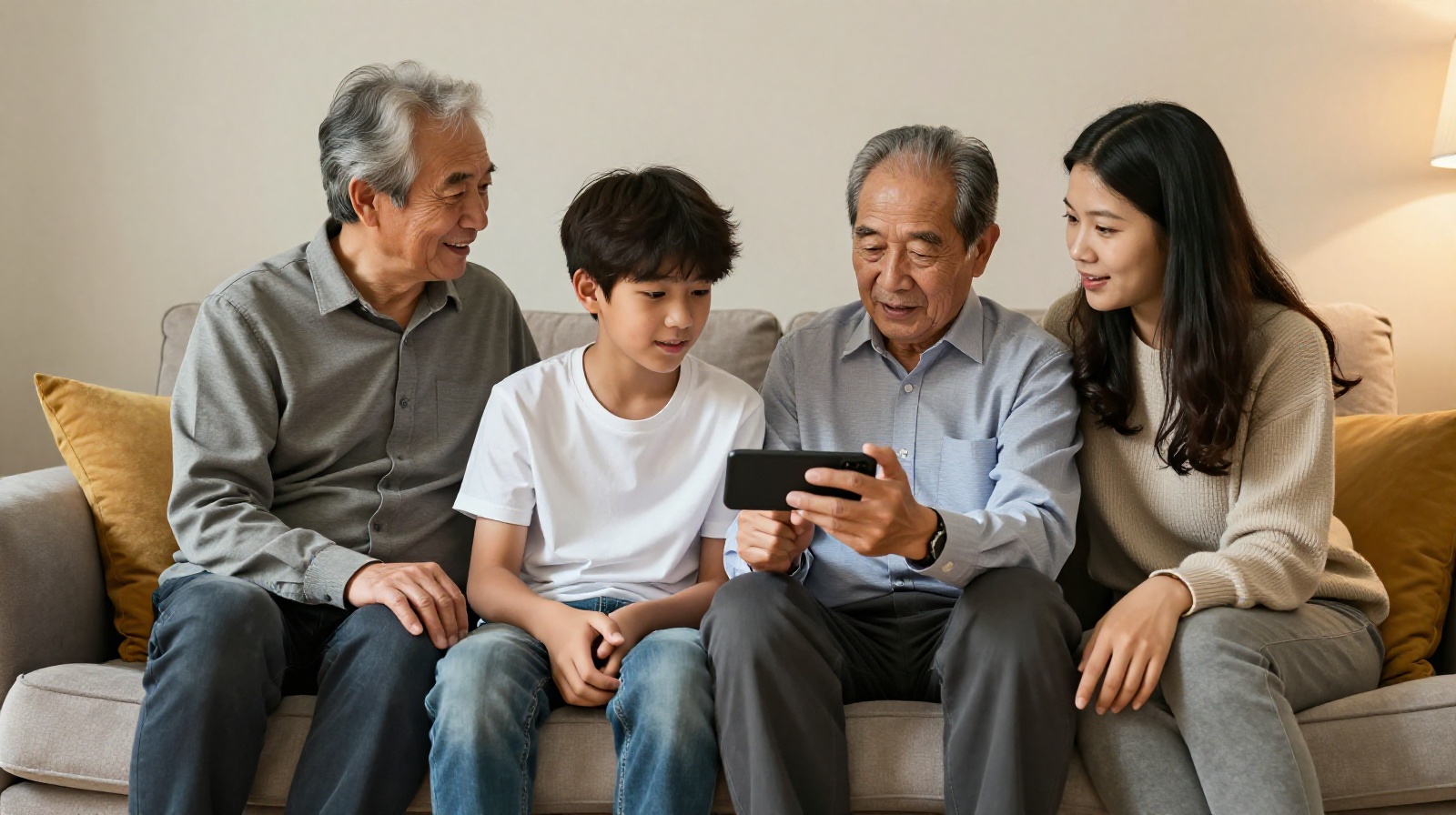
This digital engagement also bridges the generational gap. In a surprising reversal of traditional family dynamics, grandchildren often become the technical managers for their grandparents. They help edit videos, design thumbnails, and even manage comments sections. This collaboration creates a new form of intergenerational bonding, where tech skills meet life wisdom.
Monetization and Misconceptions
Of course, this isn’t just about social connection; it’s also an economic engine. The “silver economy” in China is booming. Seniors can earn money through live-streaming e-commerce, brand endorsements, and paid content.
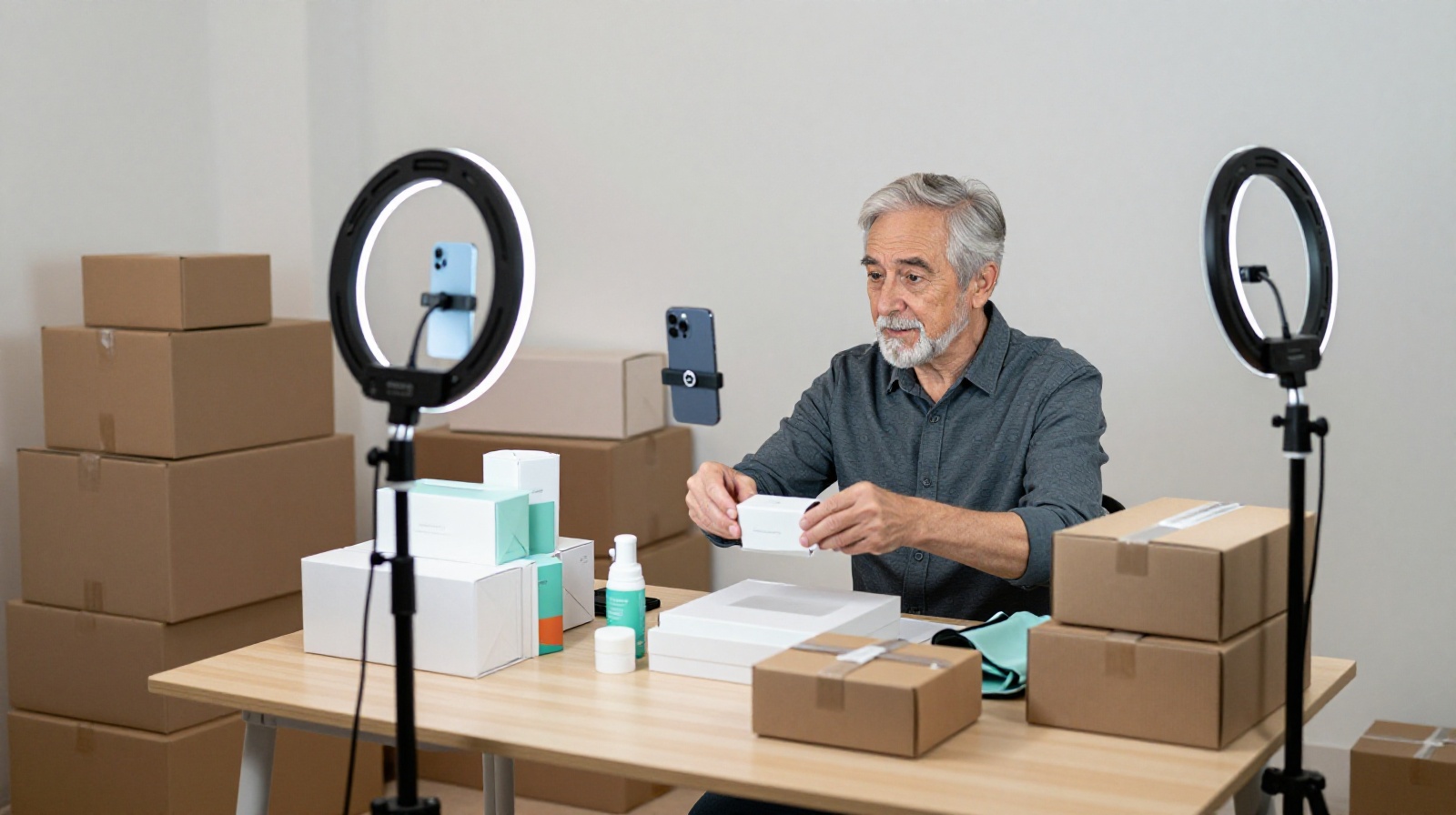
Lao Li explains that his calligraphy brush sales cover his monthly medical bills. But the path isn’t without risks. Scammers often target seniors, promising quick riches or stealing their account credentials. The pressure to perform can also be intense; some creators feel forced to exaggerate personalities or engage in controversial stunts just to keep the algorithm happy.
There is also a fine line between genuine sharing and commercial exploitation. While many platforms are tightening regulations to protect elderly users, the temptation for brands to exploit the “cuteness” or “vulnerability” of seniors remains. It’s a complex landscape where dignity meets commerce.
A Window into Modern China
For outsiders, watching Chinese silver influencers offers a unique window into modern China. It challenges the stereotype that aging equals decline. Instead, it shows a society in transition—one where digital inclusion is becoming a right, not a privilege.
These seniors are not just consuming technology; they are shaping its culture. They are proving that curiosity doesn’t have an expiration date. As China continues to age, the lessons learned from this silver influencer boom—how to stay relevant, how to connect across generations, and how to find purpose in later life—may well offer templates for the rest of the world.
So, if you see a 70-year-old confidently navigating a live stream, don’t just scroll past. Ask what they’re selling, teaching, or sharing. You might find that their best performance hasn’t even started yet.