
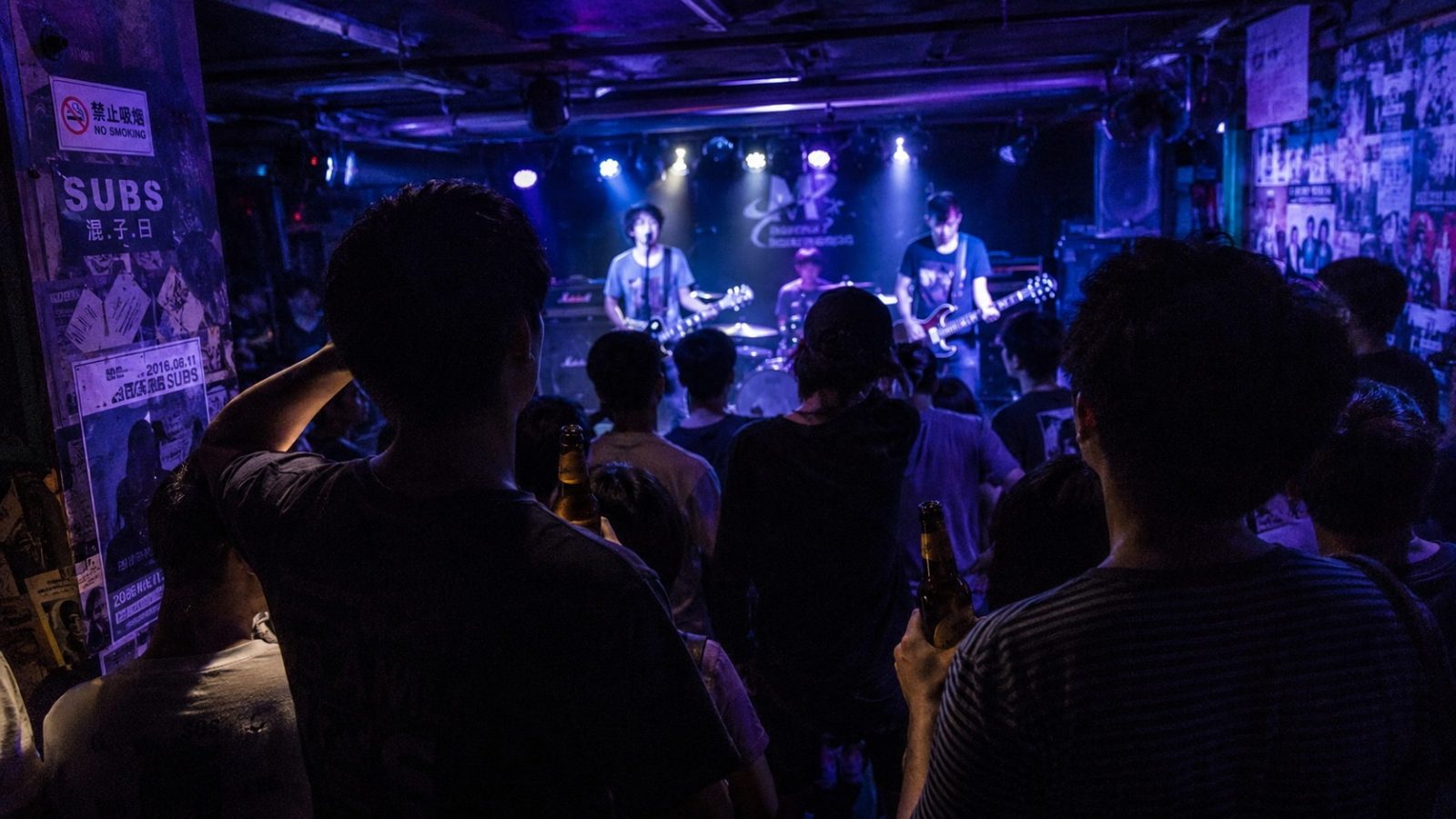

The Smell of Sweat and Feedback
It is 9:30 PM on a Tuesday in Beijing. The venue is not a stadium, but a converted warehouse space with low ceilings and peeling paint. There are no VIP sections, no velvet ropes, and certainly no cell phone screens glowing like constellations above the crowd. Instead, there is only about four hundred people packed into a room the size of a large living room. The air smells of stale beer, cheap perfume, and humidity.
This is a Livehouse. In China, these spaces are the heartbeat of independent music culture. Unlike massive pop concerts in stadiums or background jazz in high-end bars, a Livehouse is defined by intimacy. It is where indie rock bands, underground rappers, and folk singers build their reputations before heading to bigger stages.
What Exactly Is a Livehouse?
If you are used to Western music venues, think of a Livehouse as a hybrid between a punk club in 1980s London and a modern concert hall. The distinction is important.
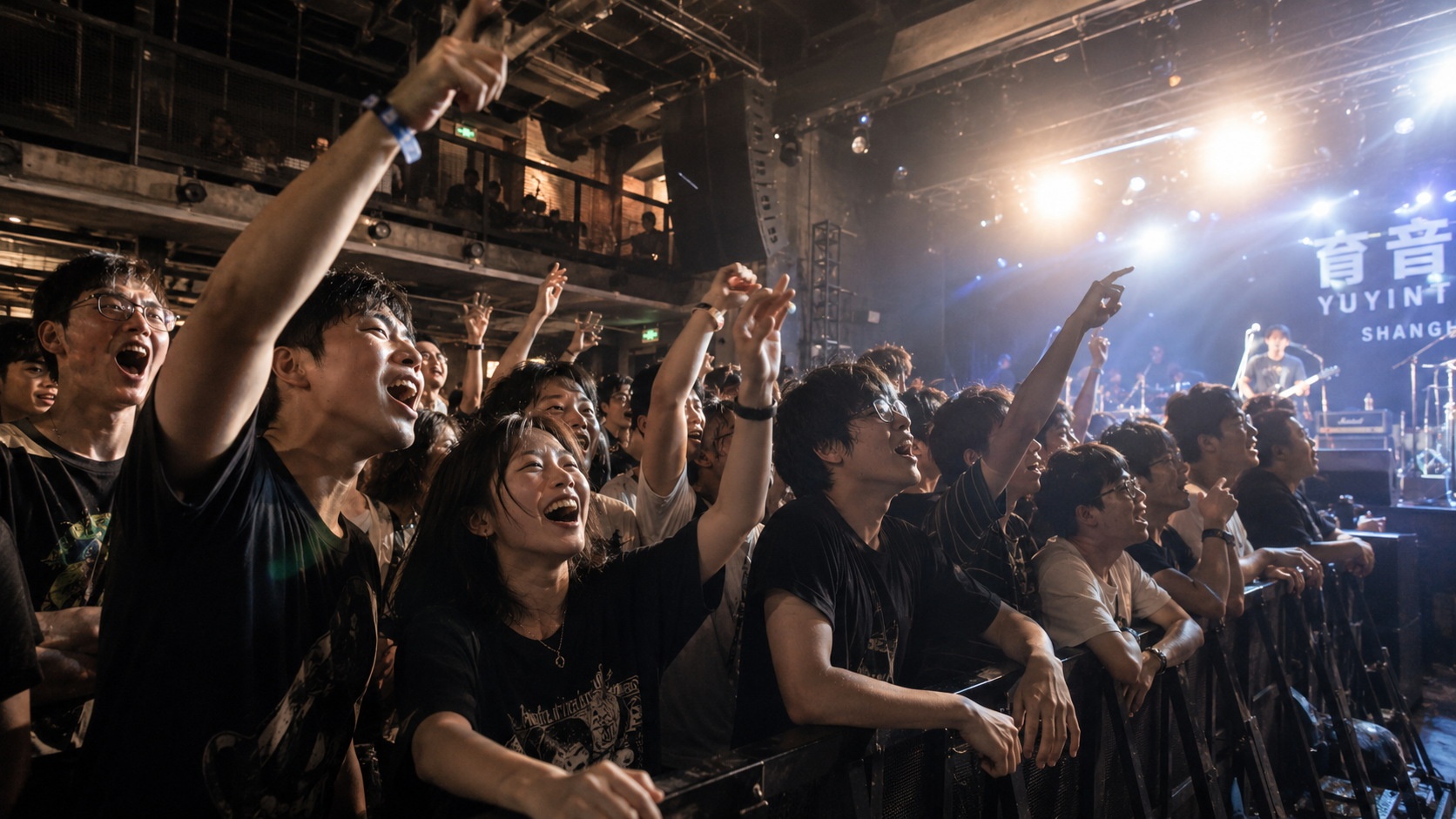
- vs. Stadium Concerts: Pop stars perform in arenas for thousands. You are a spectator. In a Livehouse, you are part of the energy exchange. Bands often interact directly with the front row; sometimes they even climb into the crowd.
- vs. Bars/Pubs: In many Chinese bars, “live music” means a solo guitarist playing covers of Taylor Swift or Jay Chou quietly in the background while you drink cocktails. A Livehouse is dedicated entirely to the performance. The sound system is professional, the volume is loud enough to rattle your ribs, and the focus is 100% on the band.
For foreign visitors or expats, entering a Chinese Livehouse is one of the most authentic ways to experience local youth culture. It is unpolished, energetic, and deeply social.
How to Find Shows: The Digital Ecosystem
You will not find these gigs on Ticketmaster or Songkick. China has its own vibrant ecosystem for live events. Here is how you navigate it:
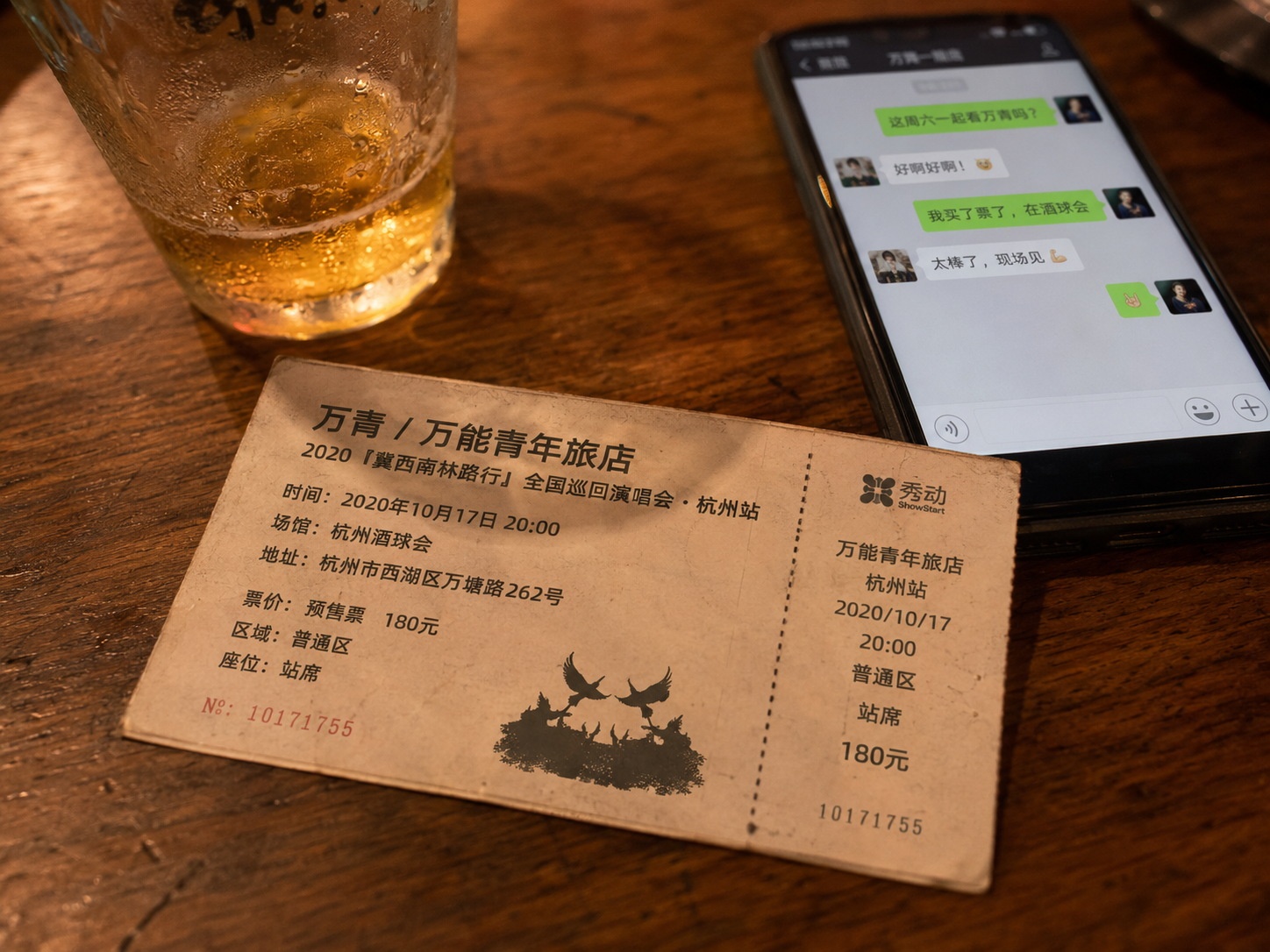
1. Xiudong (秀动)
This is the bible of Chinese indie music. Xiudong is a dedicated app and mini-program within WeChat where almost all independent bands list their tours. It is in Chinese, but simple enough to navigate with a translator:
- Search for the city you are in (e.g., “Shanghai” or “Chengdu”).
- Look at the calendar. You will see band names, often accompanied by genre tags like “Indie Rock,” “Post-Punk,” or “Hip-Hop.”
- Purchase tickets directly through WeChat Pay. Prices are typically between 60 and 150 RMB ($8–$20 USD), making it very accessible.
2. Douban (豆瓣)
Douban is China’s version of Goodreads combined with IMDb, but its “Events” section remains a goldmine for cultural activities. Search for the name of a band or venue to find discussion threads where fans share tips.
Key Cities and Their Vibes
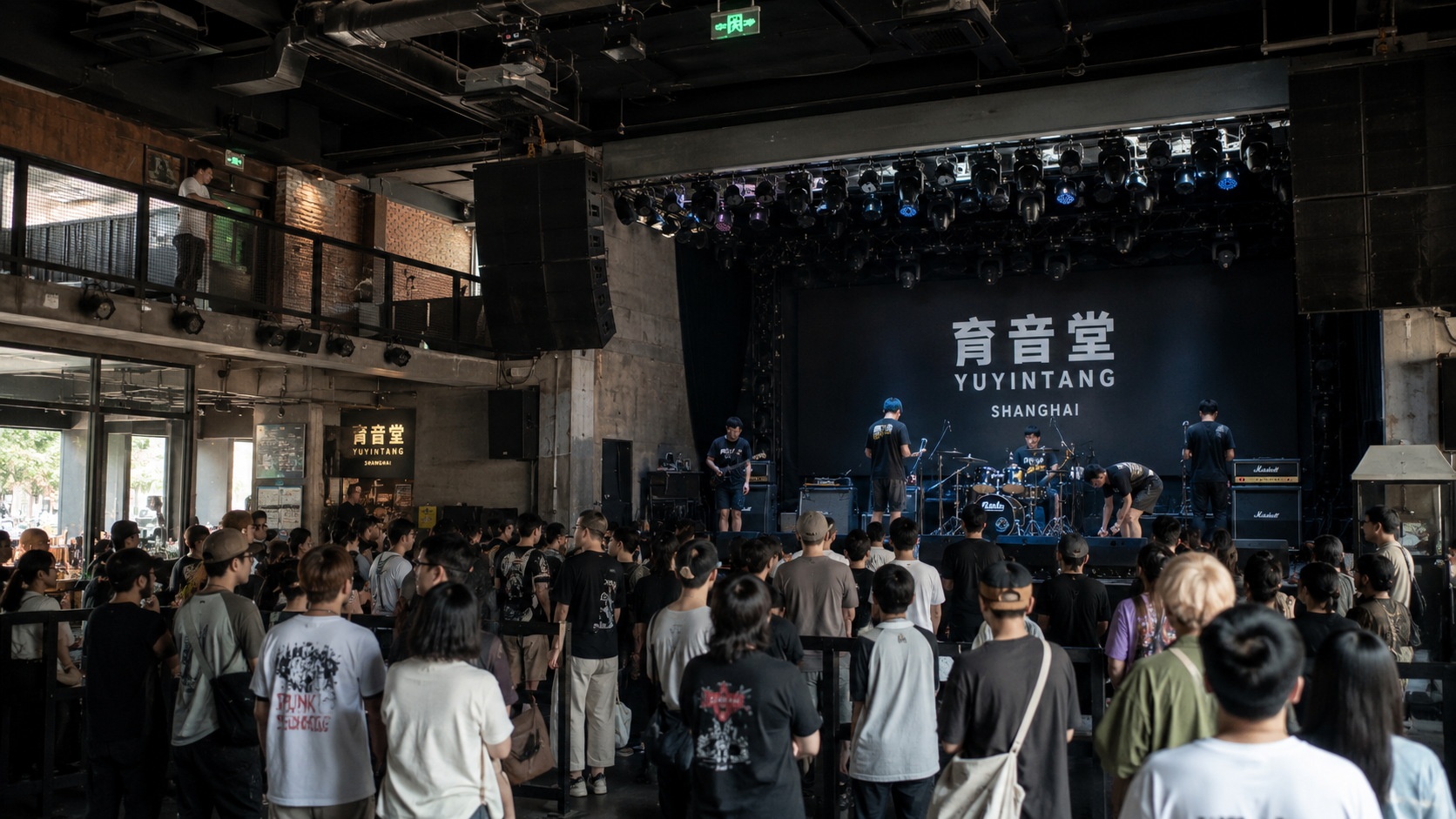
Not all Livehouses are created equal. Each major Chinese city has developed a distinct musical identity:
- Beijing: The historical center of indie rock. Venues like Mao Livehouse (the original one in Sanlitun) or Douyu host everything from classic shoegaze to experimental noise. Beijing audiences can be critical and knowledgeable; they respect authenticity.
- Chengdu: Surprisingly, Chengdu is often called the “capital” of Chinese indie rock today. The vibe here is more relaxed and hedonistic. Bands like Mao or Tiny Spring attract fans from across the country who come for both the music and the city’s famous food scene.
- Shanghai: More cosmopolitan and diverse. You will find a strong presence of electronic, jazz-fusion, and post-punk here. Venues like The Box or Dumbertown attract a trendy, international crowd alongside local hipsters.
- Wuhan: A rising star in the underground scene, particularly for rock and metal. The energy in Wuhan Livehouses is raw and intense.
Navigating the Crowd: Etiquette and “Crowd Surfing”
The physical experience of a Chinese Livehouse can be overwhelming if you are not prepared. The density is high, and the volume is significant. However, it is also incredibly welcoming.
The Mosh Pit vs. The Crowd:
In rock or punk shows, you might see people pushing in a circle near the stage. This is the “mosh pit.” Unlike violent fights seen in movies, this is often a ritualized release of energy. If you want to join, start by just bouncing lightly. Protect your head and glasses.
Understanding “Kai Huoche” (开火车 – Taking the Train):
You may hear this term or see people lifting others onto their shoulders to pass them over the crowd. This is called “crowd surfing,” but locally it’s often referred to as “riding the train.”
Crucial Safety Note: In China, crowd surfing is less common than in Western punk scenes and requires a high level of trust. If someone lifts you up, they will likely place you on their shoulders (like sitting on a bike seat) rather than laying you flat horizontally, due to safety concerns and space constraints.
Rule #1: Never do this unless you are an experienced participant and the crowd is explicitly chanting for it. For beginners, simply standing at the front or side of the stage is perfectly acceptable. The barrier between the band and the audience is often just a metal rail; leaning on it is part of the experience.
Practical Tips for Your First Time
- Dress Code: Casual. T-shirts, jeans, boots. You will be standing for hours and sweating heavily. Do not wear expensive sneakers or formal attire.
- Timing: Shows usually start around 9:00 PM with supporting acts, peaking with the headliner by midnight. Arrive early if you want to see the opening bands, who are often just as talented and eager.
- Cash is Dead: Almost everything, from tickets to beer, is paid for via QR codes using Alipay or WeChat Pay. Ensure these apps are set up with your international card before you go.
- Respect the Space: Livehouses in China are often small businesses fighting against rising rents and strict regulations. Buying a ticket at the door, not cutting lines, and cheering for local bands helps sustain this fragile ecosystem.
The Chinese underground music scene is vibrant, evolving, and deeply connected to the lives of young people navigating rapid urbanization. By stepping into a Livehouse, you aren’t just watching a show; you are witnessing the emotional outlet of a generation that values authenticity over polish.