

Beyond the Ring Light
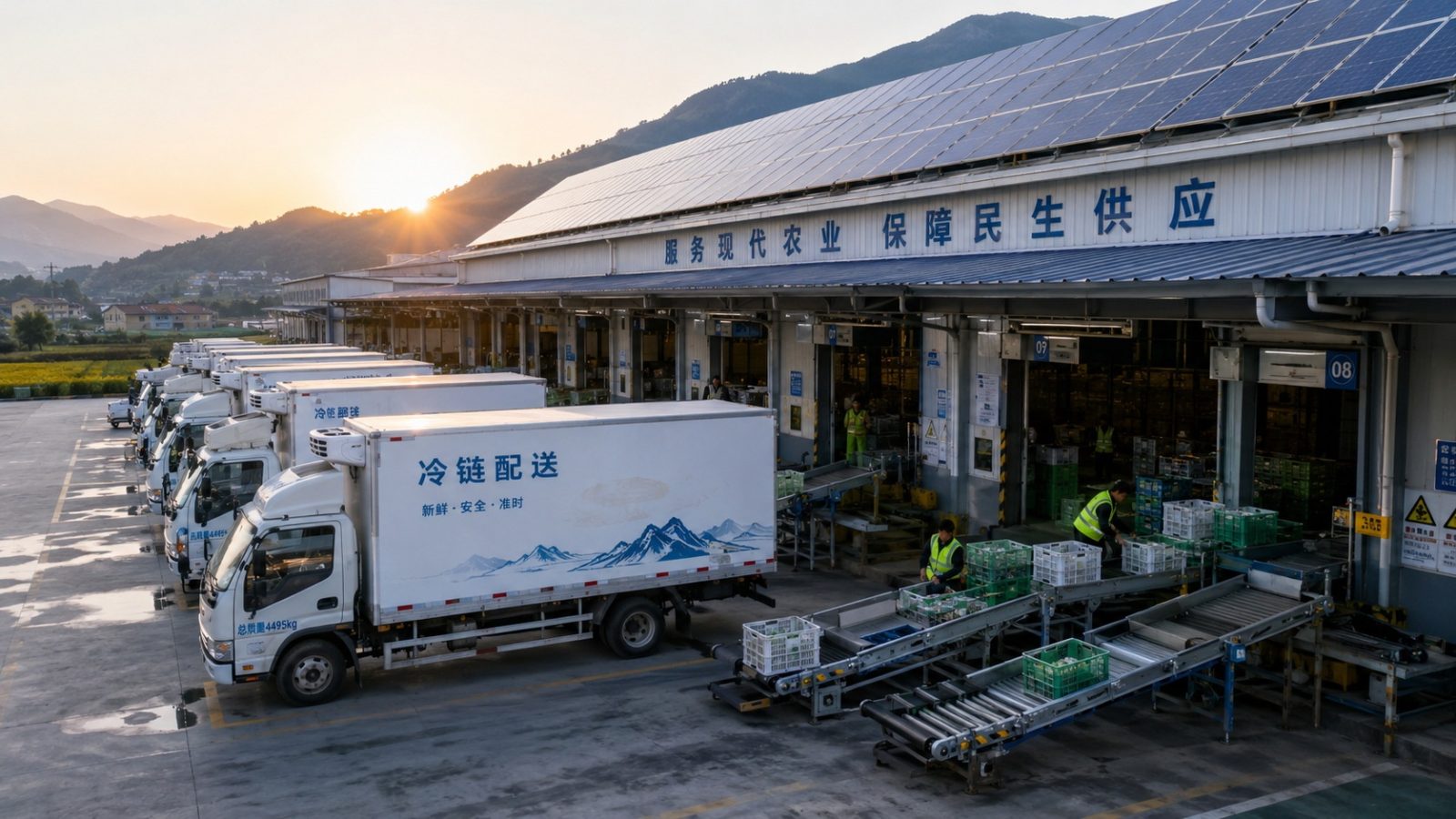
5:40 a.m. The air inside a converted grain warehouse outside Linyi, Shandong, smells of damp cardboard and green citrus peel. Lin Wei checks her phone screen, the blue light reflecting off a clipboard covered in handwritten shift schedules. Three batches of orders have already cleared the e-commerce platform’s automated quality scan. She doesn’t care about the millions of views from last night’s livestream. What matters is whether the refrigerated vans arrive by 7 a.m. to keep the fruit from bruising before it reaches a freight hub in Chengdu or Guangzhou.
For years, overseas coverage of Chinese rural e-commerce focused almost entirely on viral sales videos. Farmers shouting into ring lights, haggling over discounted apples, and moving mountains of inventory in a single night. The reality on the ground is quieter, more industrial, and far more structural. Livestreaming has become merely the checkout counter. Behind it lies a rewired agricultural economy built on standardized grading, cold-chain logistics, digital inventory management, and a steady demographic shift: young professionals returning to counties once defined by outmigration.
The Myth and the Machinery
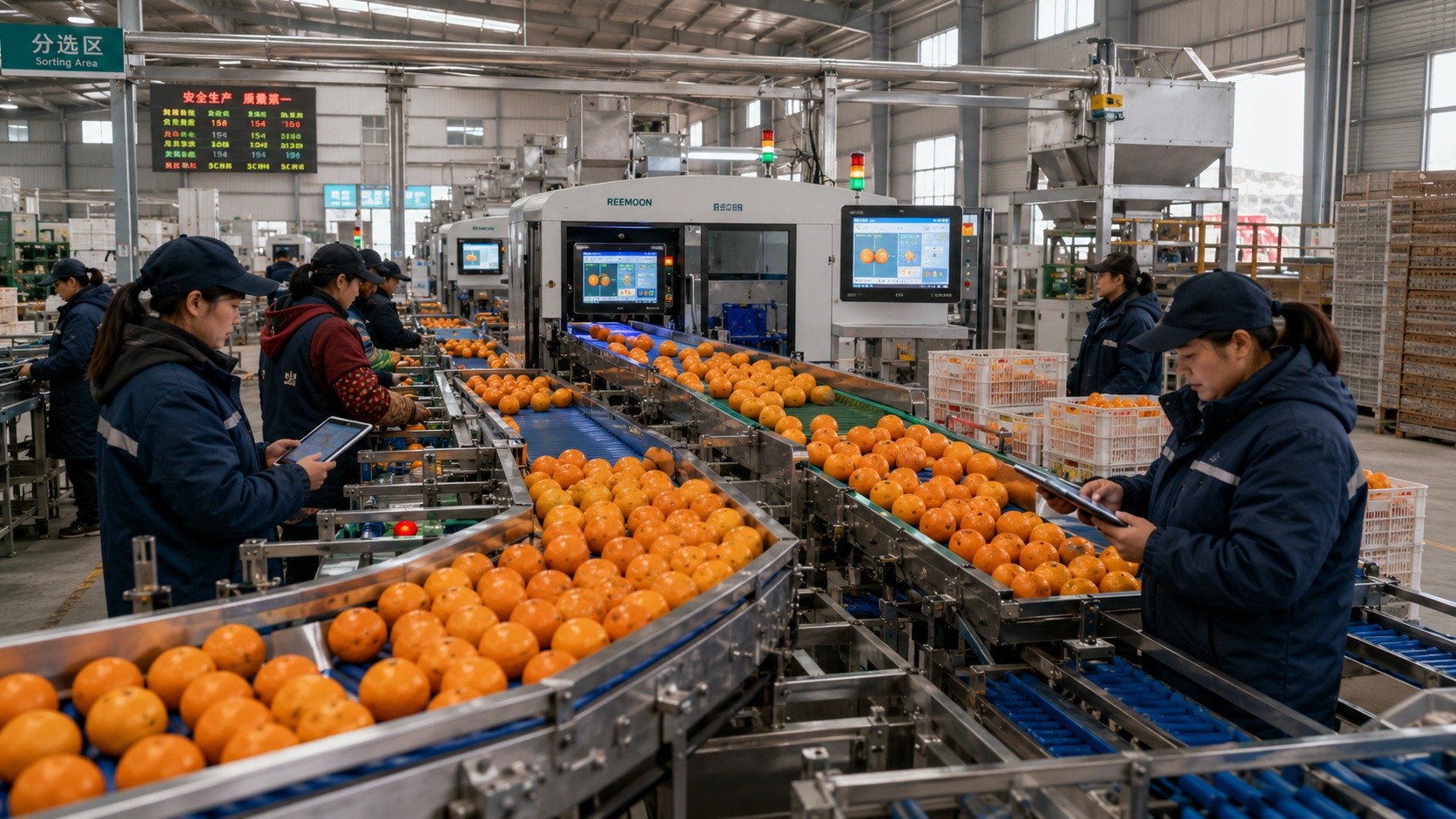
E-commerce platforms did not just open online storefronts in rural China; they forced traditional supply chains to modernize overnight. Ten years ago, local farmers sold to traveling wholesalers who set prices based on weather reports and middleman margins. Today, digital marketplaces require traceability, consistent sizing, and strict quality control. To meet those standards, county-level sorting centers now operate like light manufacturing plants. Optical sensors weigh every fruit. Automated grading lines separate produce into export-grade, domestic premium, and processing categories.
“We used to think selling online meant just taking a photo and waiting for orders,” Lin says, walking past a conveyor belt humming with sorted crates. “Now it means running a small logistics company, managing data analytics, and coordinating with dozens of independent growers across three townships.” The shift has been funded by a mix of local government infrastructure grants and platform subsidies aimed at boosting rural consumption. The result is a network that moves over 10 billion parcels annually through county-level distribution hubs, turning isolated farms into integrated nodes in a national retail grid.
Voice from the Orchard: “We Don’t Just Grow Fruit Anymore”
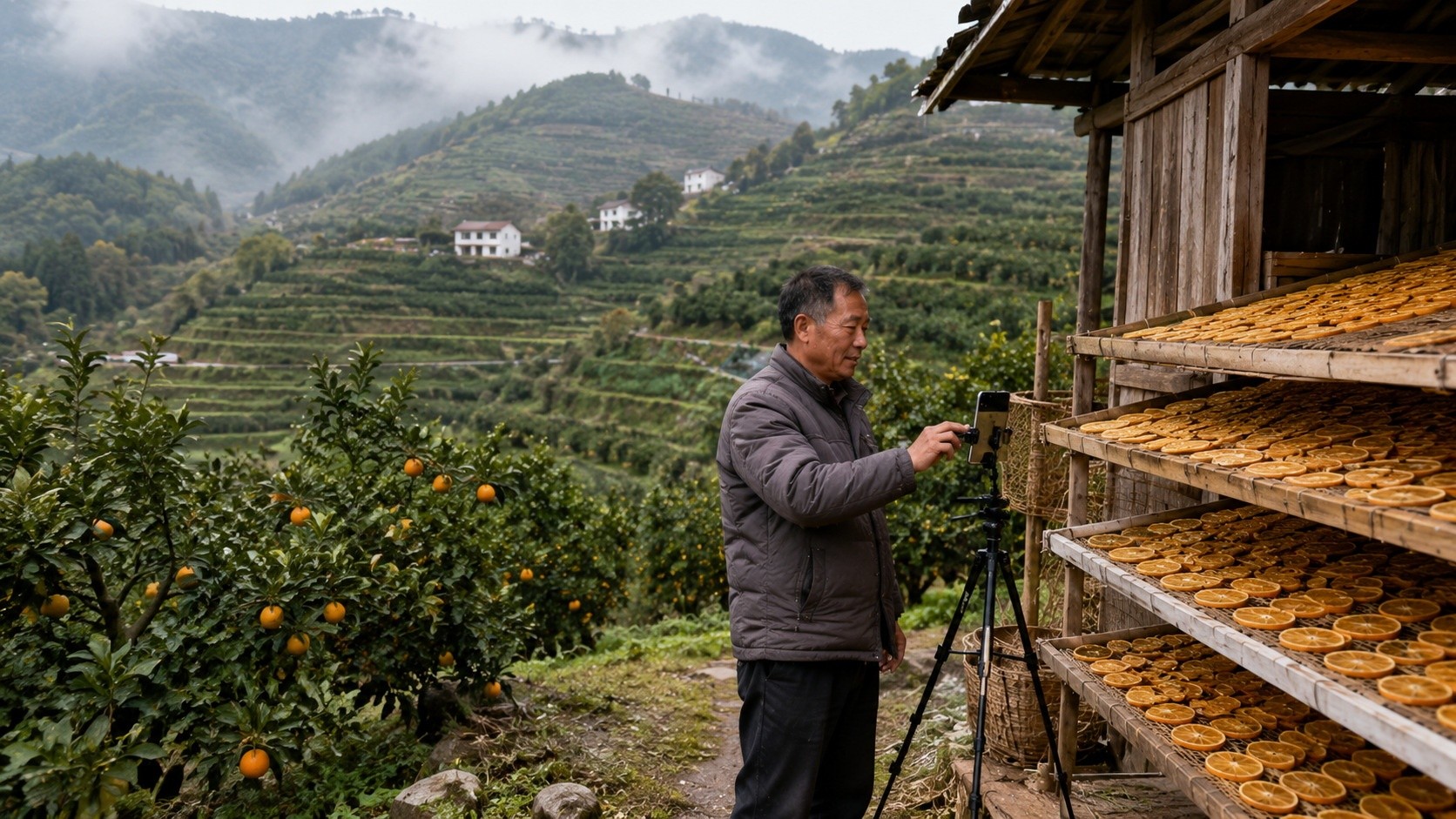
I met Chen Guofu two hours north of Linxi, standing on a terraced hillside where navel orange trees stretch toward the misty ridge line. At fifty-eight, he has watched every cycle of boom and bust in local agriculture. He pulls a smartphone from his jacket pocket, its screen cracked but functional, mounted on a tripod near a wooden drying shed.
“Ten years ago,” Chen says, adjusting his worn leather gloves, “we sold to middlemen who priced us at eighty cents per kilogram. If hail hit during flowering season, we lost everything. The risk was entirely ours.” He taps the screen, showing an app that tracks soil moisture, predicts harvest windows, and calculates shipping costs in real time. “Now the platform handles payments, cargo insurance, and even standardizes return policies. But,” he pauses, wiping dirt from his hands, “the algorithm changes every month. We used to focus on growing better fruit. Now we spend half our waking hours learning how to keep the shop visible.”
This tension between agricultural craft and digital performance defines the new rural economy. Farmers are no longer just producers; they are data operators, customer service agents, and brand managers. The pressure is real. Margins remain thin after platform fees, packaging costs, and cold-chain shipping. Yet for those who adapt, the upside is measurable. Chen’s cooperative now ships to forty-two provinces. His children, who once moved to Shenzhen for factory work, have started returning during harvest season to manage warehouse shifts and handle cross-border export documentation.
Cold Chains, Cloud Dashboards, and New Villages
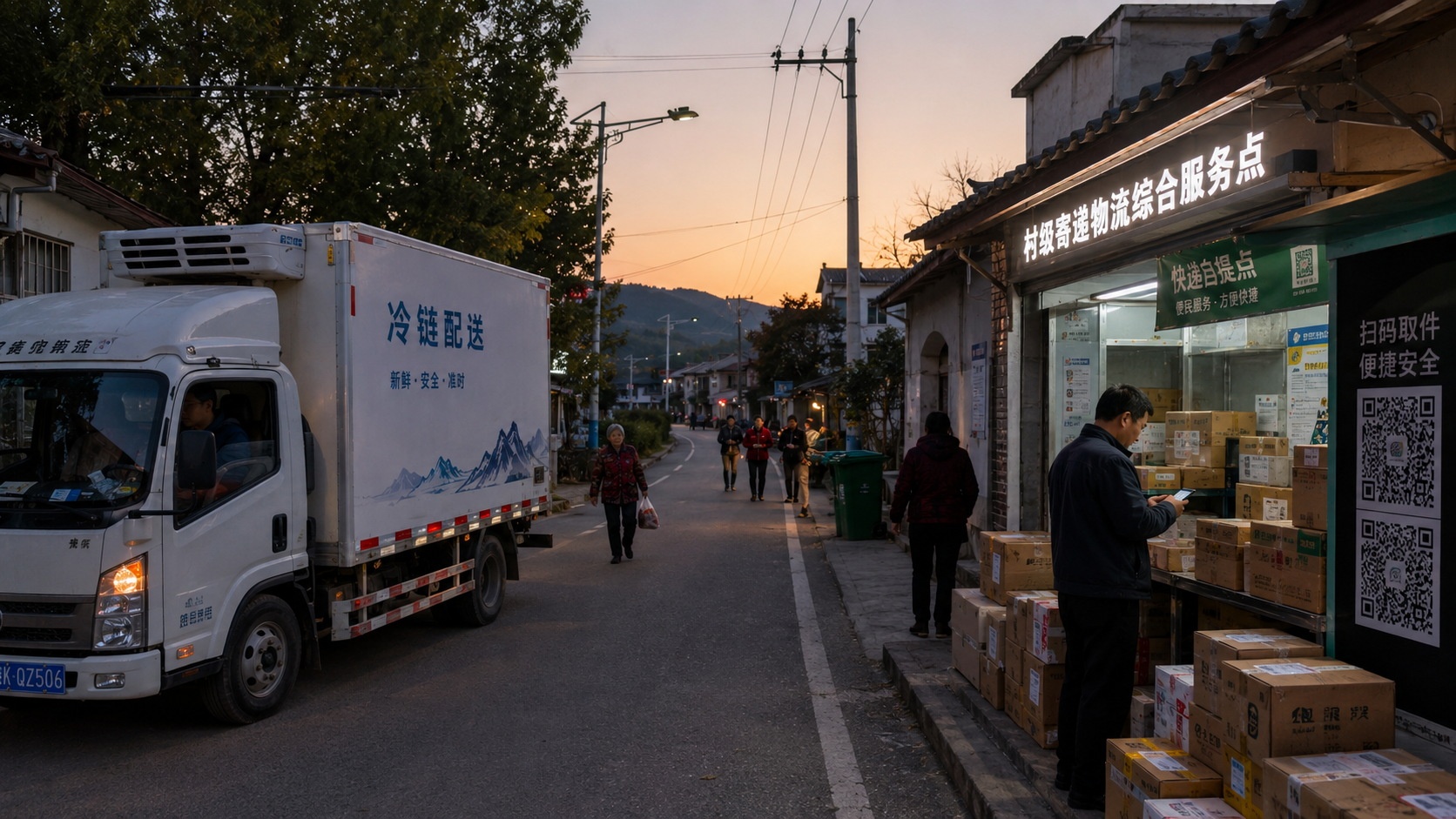
The transformation is visible in the infrastructure itself. Solar panels now crown many rural logistics roofs, offsetting energy costs for refrigeration units that run twenty-four hours a day. County-level innovation centers host training programs where agronomists teach growers how to use AI-powered pest detection apps and drone-based crop monitoring. Broadband expansion has reached remote townships, allowing real-time video calls between orchard managers and urban wholesalers who now request virtual inspections before placing bulk orders.
Lin’s team uses a cloud dashboard that aggregates weather forecasts, real-time market prices from city wholesale markets, and historical sales data to plan picking schedules. “If we harvest too early, the sugar content drops. If we wait too long, the fruit bruises on the truck,” she explains. The system has cut post-harvest loss rates by nearly thirty percent in their region. This isn’t futuristic speculation; it’s daily operational reality for thousands of rural enterprises navigating China’s digital retail landscape.
The Unfinished Harvest
The narrative of rural e-commerce is not a straight line upward. Platform algorithms favor volume and speed, which sometimes discourages long-term soil health investments. Smallholders without reliable internet or smartphone literacy struggle to compete with larger cooperatives that can afford professional photography and full-time customer service teams. Price wars triggered by flash sales squeeze margins until farmers question whether the extra revenue justifies the added complexity.
Local governments are responding by standardizing digital literacy programs, subsidizing shared cold-storage facilities, and encouraging regional branding over generic platform listings. The goal is to shift from competing on price to competing on quality and traceability. It is a slow process, but one that mirrors broader global trends in sustainable agriculture and supply chain transparency.
A Quiet Infrastructure Shift
Livestream sales will always grab headlines, but the real story of rural China today lies in the systems that keep those streams running. The change isn’t measured in viral clips or temporary sales spikes. It’s visible in refrigerated trucks idling at village intersections, in young engineers configuring sorting machines beside orange groves, and in households that now plan planting cycles around digital market signals rather than seasonal intuition.
E-commerce did not simply sell rural products to cities. It rebuilt the backbone of county-level agriculture, forcing it to meet modern standards while creating new economic pathways for those willing to adapt. The countryside is no longer waiting for buyers to arrive. It is learning to ship itself out.