
The Quiet Shift on European Streets
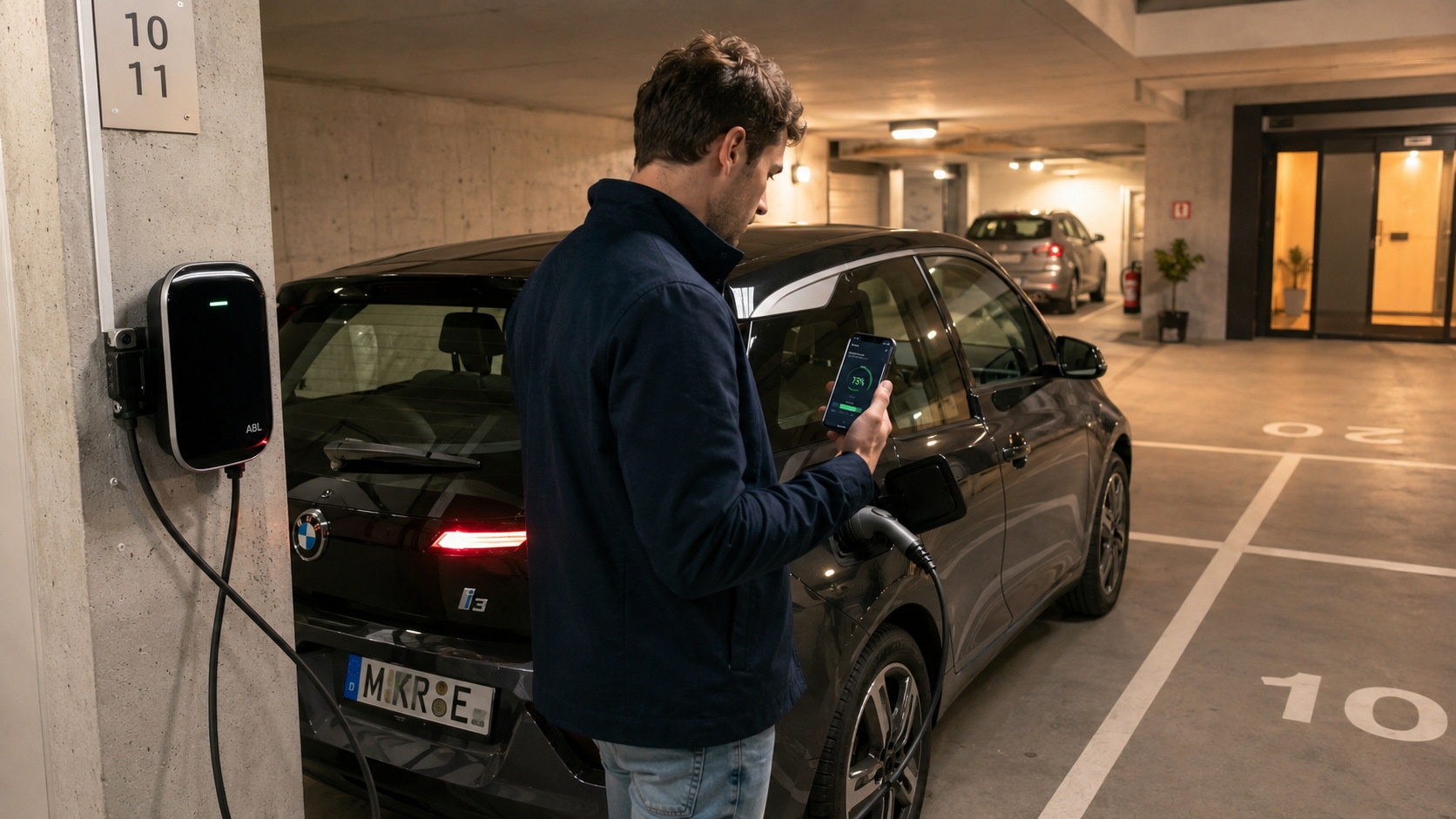
Lars, a secondary school teacher in Munich, plugs his BYD Seal into a wall box behind his apartment building. The screen glows blue as it calculates how much energy it will need for tomorrow’s commute to the city center. There is no fanfare, no press conference, just the quiet hum of an electric motor charging overnight. For many European residents, this scene has become as ordinary as refueling a petrol car used to be.
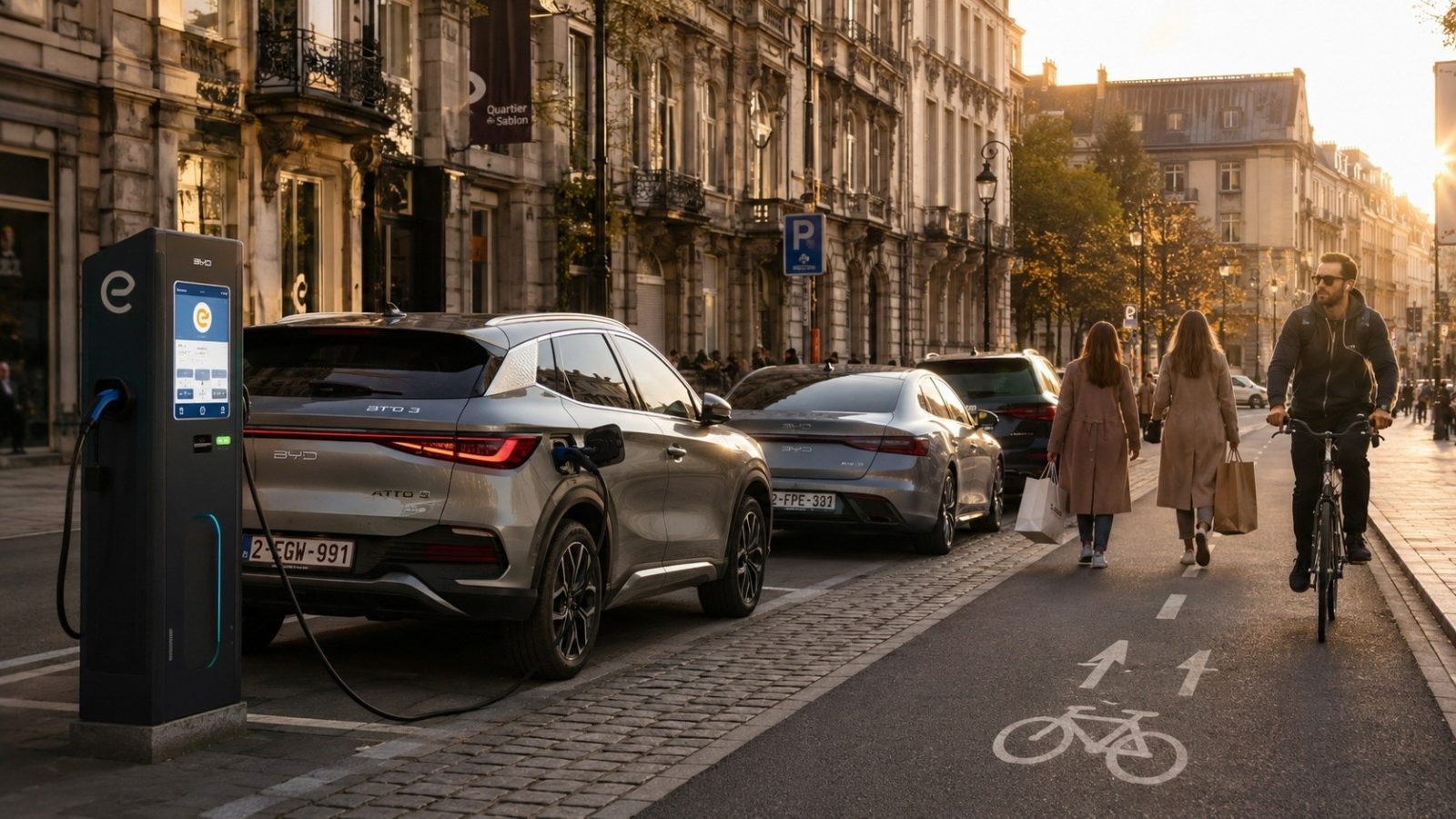
Only a decade ago, Chinese automobiles rarely appeared on Western roads. When they did, they were often remembered for budget pricing and basic interiors. Today, the landscape looks different. BYD’s compact SUVs, hatchbacks, and sedans sit in supermarket parking lots, alongside rental fleets and family minivans. The shift is not driven by marketing slogans but by practical adjustments to daily life: predictable range figures, lower running costs, and software interfaces that handle navigation, climate control, and media without forcing drivers to hunt for physical buttons.
Why the Speed? Supply Chains Meet Street Needs
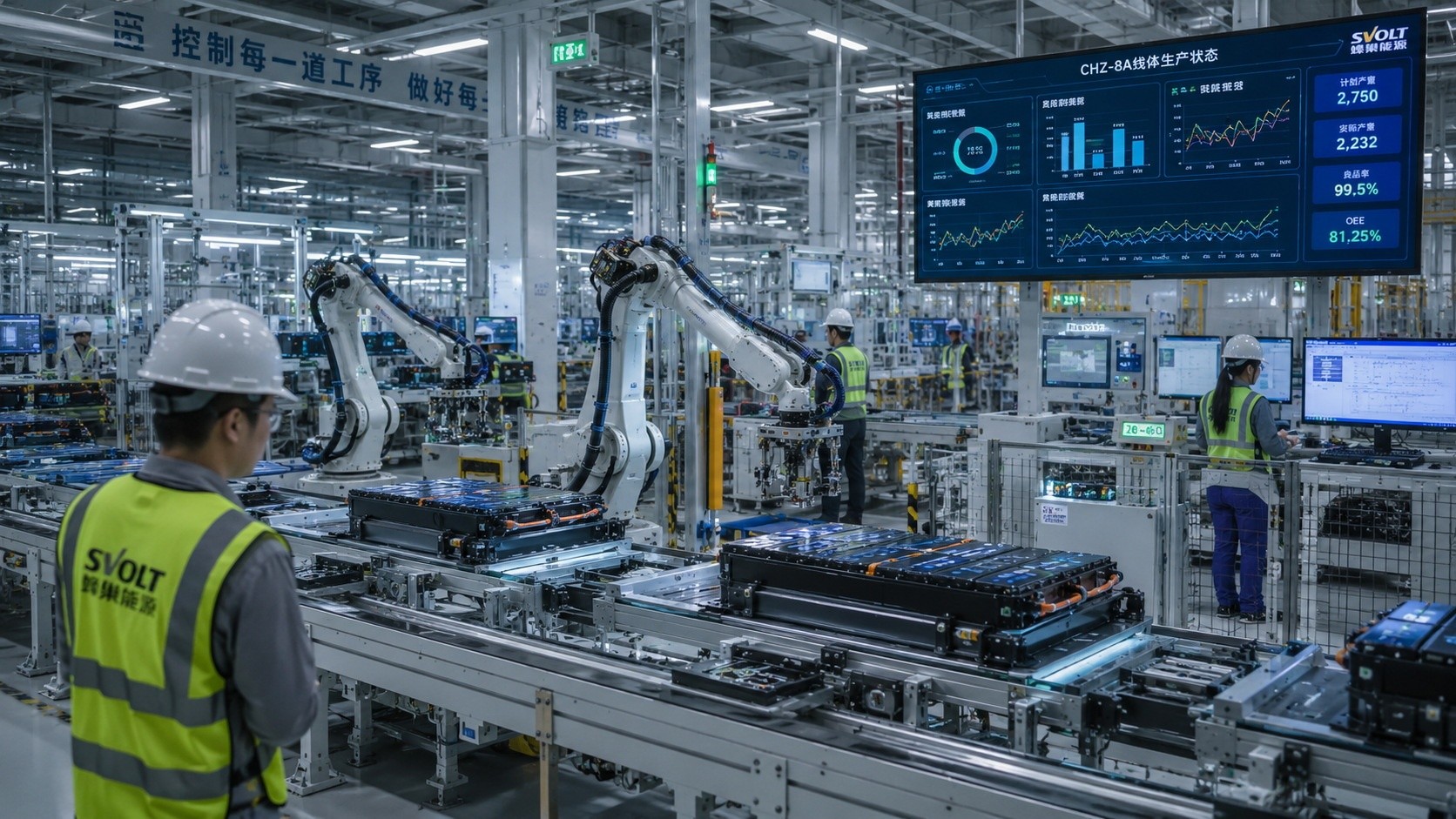
The rapid presence of Chinese EVs on European streets traces back to how China restructured its battery and vehicle supply chains. Instead of relying on imported components at every stage, manufacturers invested heavily in vertical integration. They produce their own lithium iron phosphate (LFP) batteries, power electronics, and even basic semiconductor chips for cabin systems. This approach cut production time and lowered costs without compromising the safety or lifespan that European buyers prioritize.
For everyday consumers, the result is straightforward. A mid-range Chinese EV in Germany or France often arrives with features that legacy automakers still charge extra for: heated seats, advanced driver assistance, and over-the-air software updates. The price point usually lands between €30,000 and €45,000, a range that fits middle-class budgets while meeting strict EU emissions standards. It is not about displacing European heritage brands; it is about filling a gap left during a sector-wide transition to electrification.
Localization Over Copy-Paste
Exporting cars is different from exporting a lifestyle. BYD and other Chinese manufacturers quickly learned that European drivers have distinct habits. High-speed Autobahn cruising requires tuned steering feedback and aerodynamic stability at 130 km/h. Historic city centers with narrow cobblestone streets demand careful suspension calibration to protect both the vehicle and local infrastructure. Charging connectors vary by country, so software platforms must handle multiple networks seamlessly.
Adaptation goes beyond hardware. Voice assistants are trained on European accents, navigation maps integrate regional toll systems, and customer service centers hire local technicians familiar with EU warranty regulations. Some early models featured touch-heavy interfaces that frustrated older drivers; recent versions have reintroduced tactile controls for climate and volume, a small but telling adjustment. The strategy is not to impose Chinese design preferences but to match European daily rhythms.
Friction Points and Real-World Limits
The transition is accelerating, but it is not frictionless. Trade policy debates have introduced tariffs in several major markets, raising questions about fair competition and local manufacturing investments. Charging infrastructure remains uneven across the continent; urban neighborhoods with dedicated garages adapt quickly, while apartment complexes without private parking still rely on public stations that can be unreliable or poorly maintained.
Data privacy and battery sourcing also draw scrutiny. European regulators require transparent supply chain reporting and stricter cybersecurity standards for connected vehicles. Chinese brands respond by opening local engineering hubs, partnering with regional charging networks, and adjusting software architectures to comply with EU data rules. Adoption is still heavily concentrated in wealthier northern and western regions, while southern and eastern markets lag due to lower average incomes and slower public investment.
Beyond National Narratives
What matters most on the ground is how ordinary people experience these changes. A nurse driving a Chinese EV saves hundreds of euros monthly on fuel compared to her previous diesel hatchback. A small bakery owner in Lyon uses an electric delivery van that charges during overnight rest periods, cutting noise and emissions in residential zones. The technology itself has become less remarkable than its accessibility.

Global mobility transitions rarely follow clean headlines. They involve trade negotiations, infrastructure upgrades, changing consumer habits, and the slow work of building trust across borders. Chinese EVs in Europe are not a takeover; they are one piece of a broader shift toward cleaner, software-enabled transport that affects commuters, families, city planners, and auto workers alike.
When Lars turns the key tomorrow, he will notice three things: the cabin stays quiet at low speeds, the navigation suggests a route that avoids steep hills to conserve battery, and the app sends him a simple notification when charging hits eighty percent. None of it feels revolutionary on its own. Together, they reflect how technology adapts to human routines rather than forcing humans to adapt to machines.