

The Wall That Wasn’t There Until Yesterday
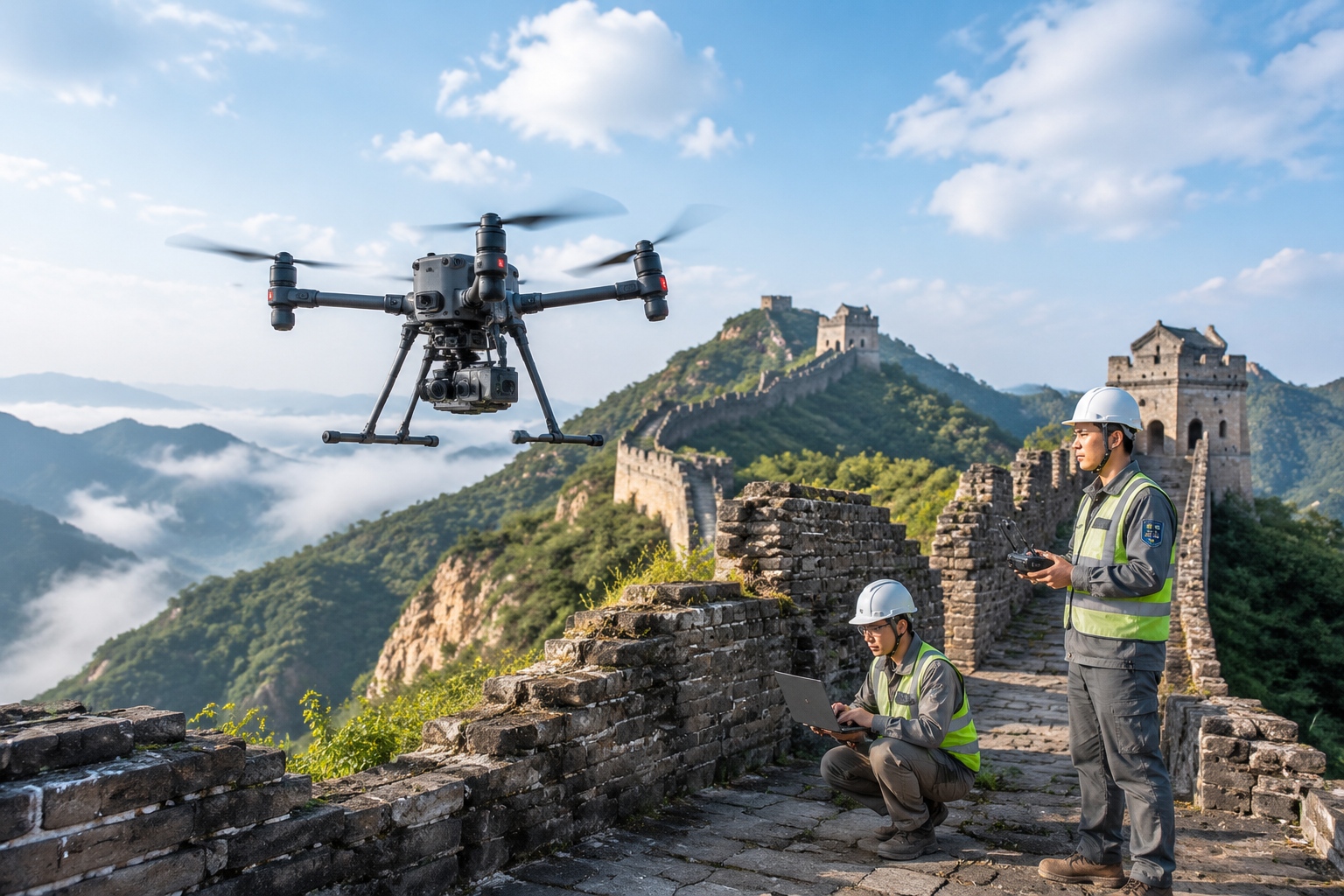
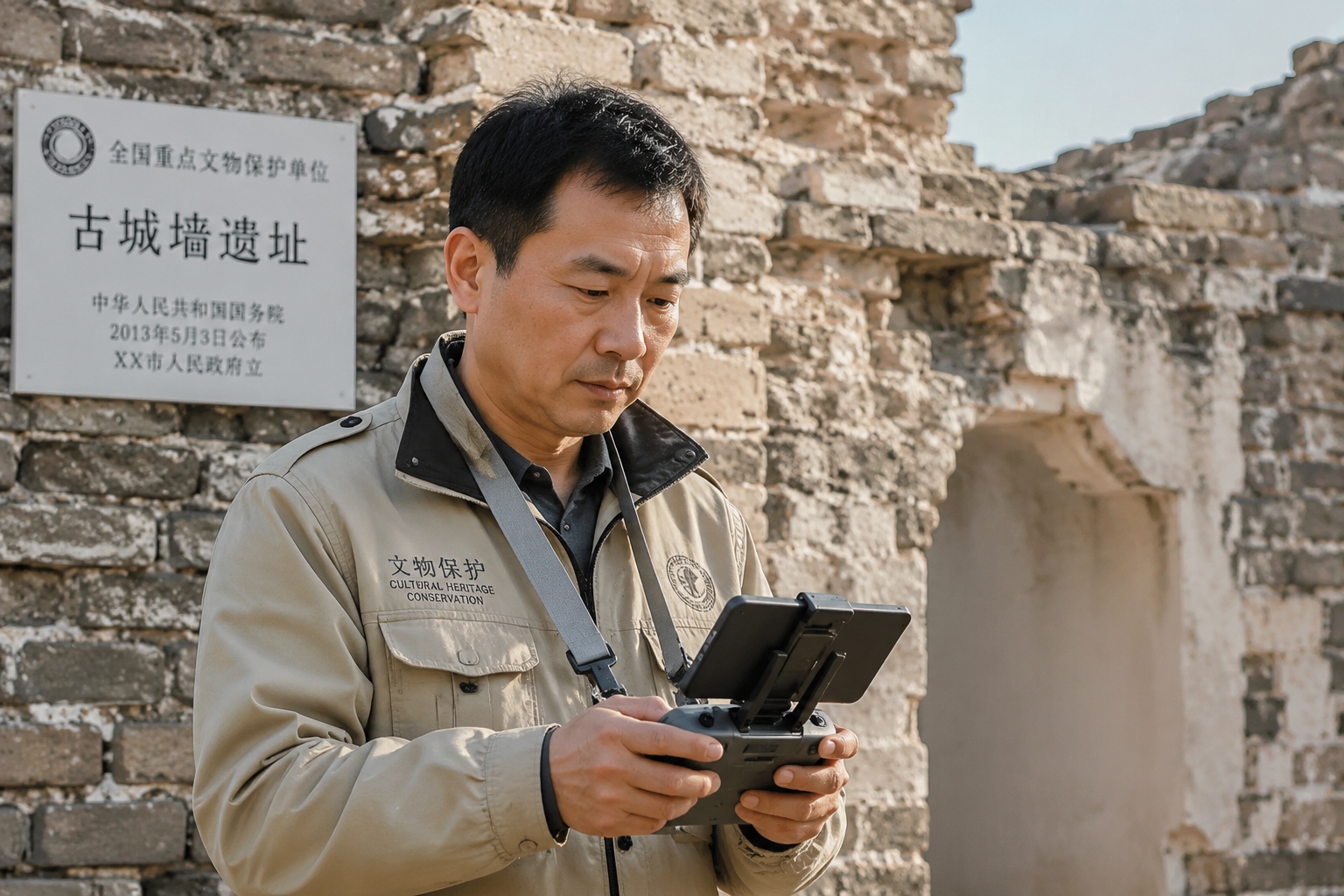
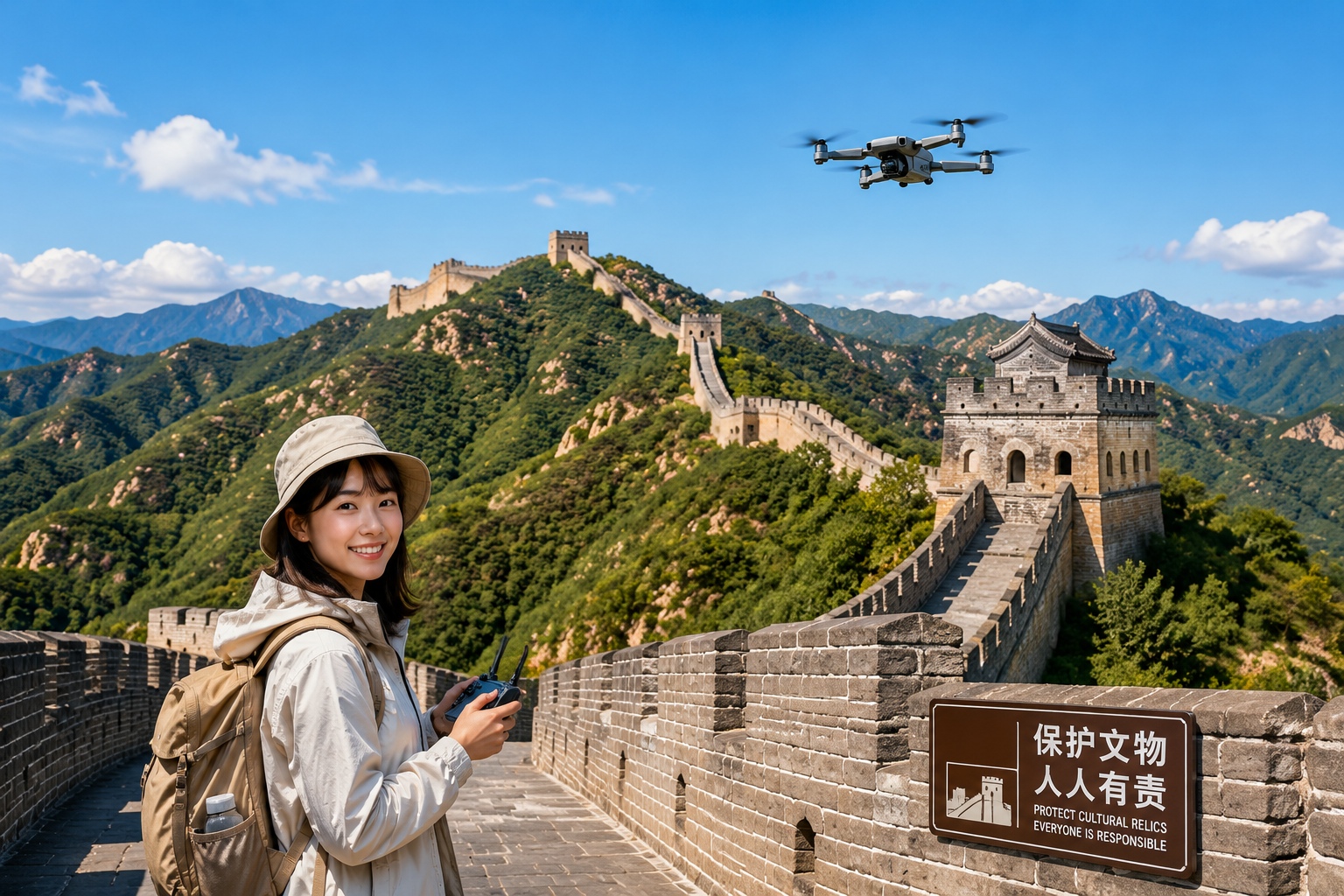
Li Wei, a heritage conservator in Hebei province, doesn’t carry a heavy hammer or a bucket of mortar up the steep steps anymore. Instead, he straps a backpack-sized drone to his back and hikes to sections of the Great Wall that are often inaccessible to humans.
“Ten years ago, we had to climb these walls with ropes just to count the missing bricks,” Li says. “It was dangerous, slow, and we only saw what our eyes could reach from the ground.”
Today, as Li presses a button on his controller, the drone lifts off silently. Within minutes, it captures thousands of high-resolution images and laser scans of the crumbling wall below. Back at his small office in Yanqing District, he opens a laptop and watches a 3D model of the ancient structure materialize pixel by pixel.
Seeing What We Can’t Reach
The Great Wall isn’t just a tourist attraction; it’s a fragile ecosystem of stone, earth, and wood stretching over 20,000 kilometers. In many remote sections, nature is winning. Rain washes away soil, wind erodes bricks, and vegetation roots crack the mortar.
Traditional protection methods were like trying to treat a patient with only one eye closed. Conservators could see the big collapses, but they missed the tiny hairline fractures that eventually lead to disaster.
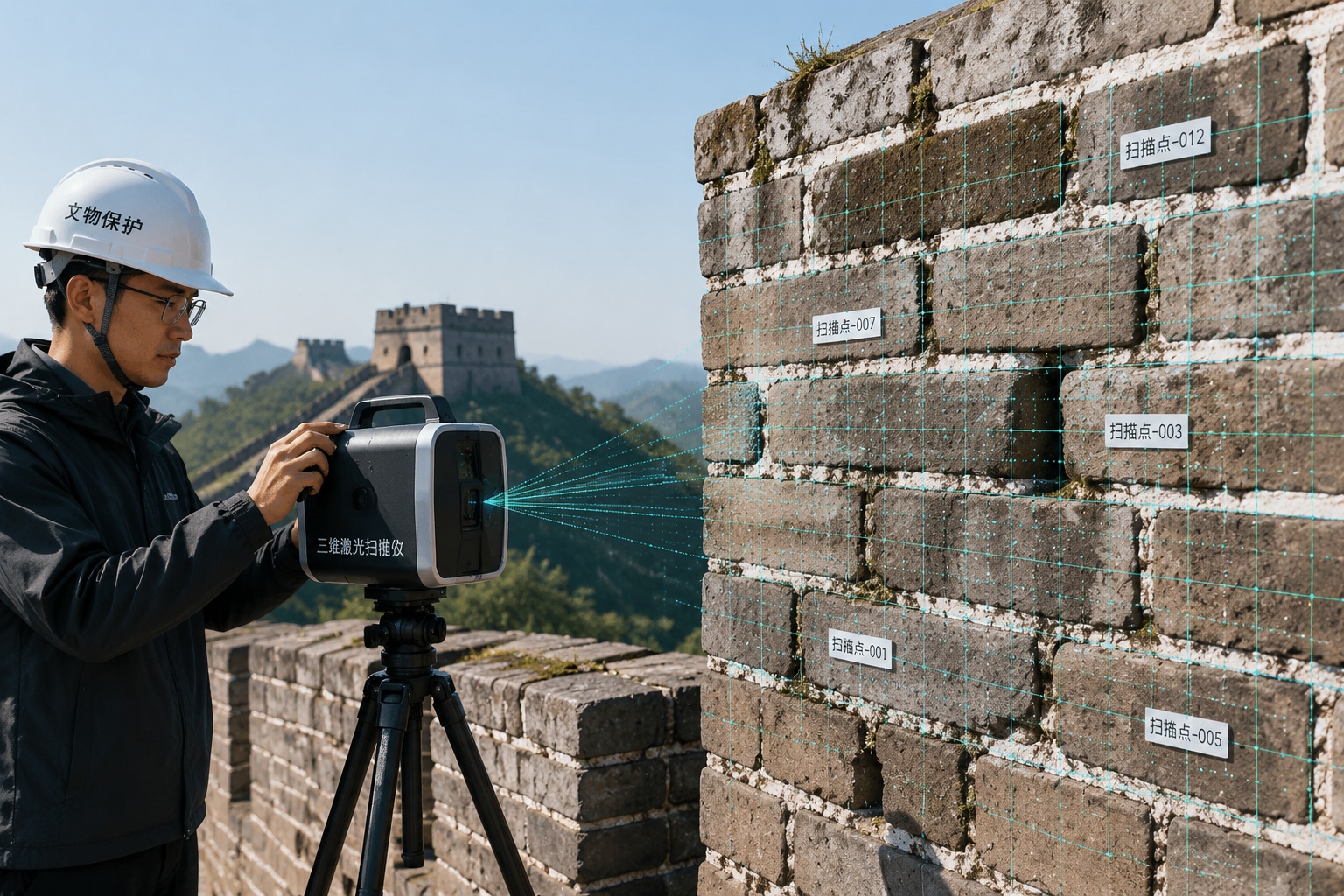
Now, Unmanned Aerial Vehicles (UAVs) equipped with photogrammetry and LiDAR technology act as the wall’s new eyes. These drones fly low and slow, capturing data from every angle—including the undersides of broken battlements that were previously invisible.
From Dust to Digital Twins
The real magic happens when this data is processed. Using a technique called “tilted photography,” the drone takes images at multiple angles simultaneously. Combined with LiDAR (which uses laser pulses to measure distance), it creates a “digital twin”—a perfect, millimeter-accurate virtual copy of the wall.
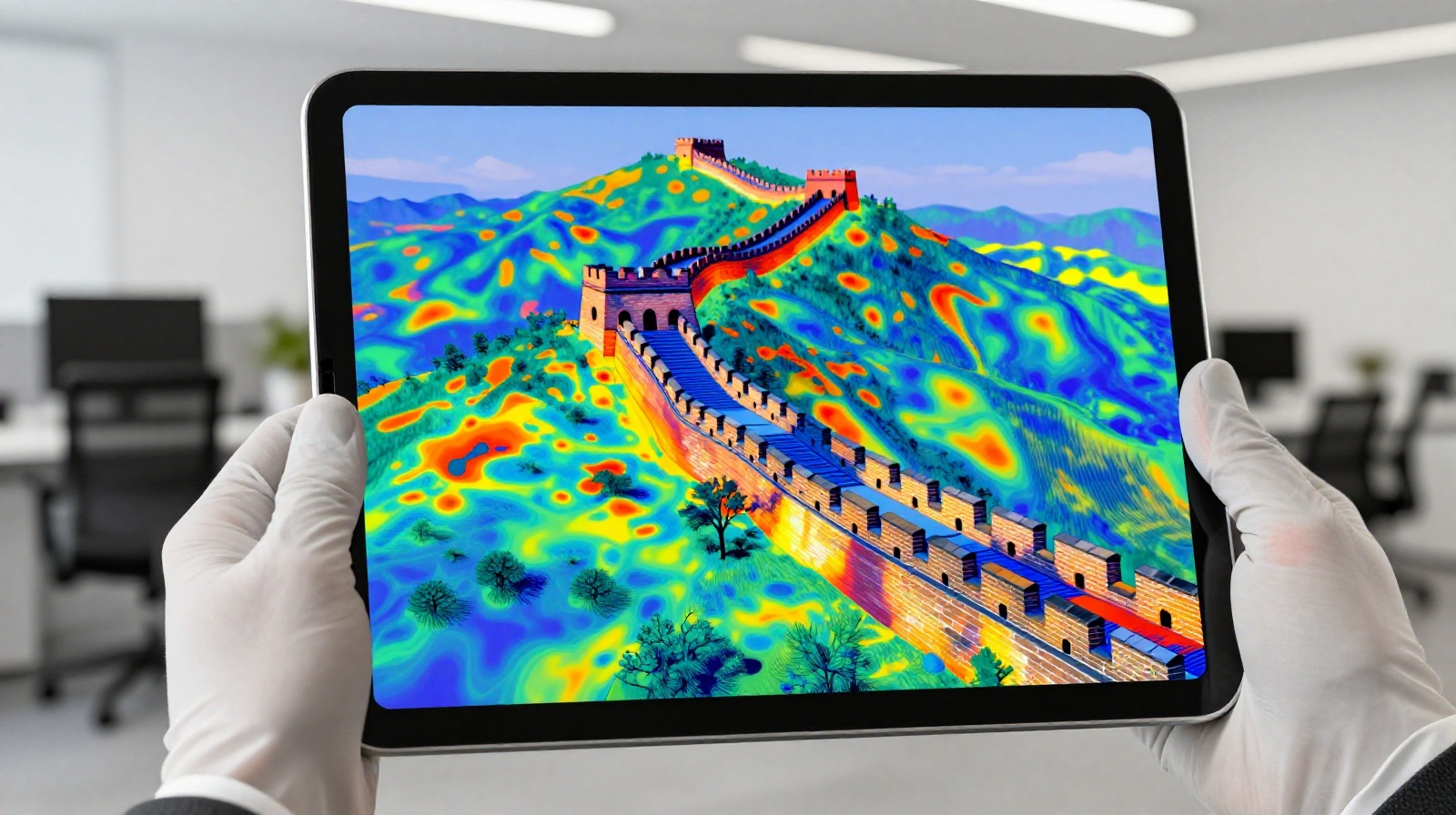
Imagine walking through the Great Wall on your phone without getting wet or tired. That’s what this model allows experts to do. They can zoom in on a specific brick, measure its displacement by mere millimeters over time, and even predict where a collapse might happen next year based on wind patterns and water flow.
This isn’t science fiction. In the Mutianyu section, a similar system helped identify structural weaknesses before they became critical failures, allowing teams to reinforce those spots with minimal intervention.
Why This Matters for Everyone
For many overseas readers, the Great Wall feels like a distant symbol of history. But for Li and his colleagues, it’s a living structure that needs constant care. Technology changes the game from “reactive repair” to “preventive medicine.”
Instead of waiting for a section to fall down and then scrambling to rebuild it with traditional methods—which can sometimes damage the original material—conservators now use AI algorithms to analyze trends in the data.
The result? Faster decisions, less human risk, and more precise preservation. It’s not about replacing history with robots; it’s about giving humans better tools to protect what we value.
A Future Beyond Human Eyes
As AI becomes smarter, these drones will soon be able to detect subtle changes in humidity or temperature that signal decay before they are visible to the naked eye. This shift is part of a global trend where heritage sites from Machu Picchu to Angkor Wat are adopting similar digital monitoring systems.
For Li Wei, the future looks quieter than ever. He still climbs the wall sometimes to touch the stones, but now he carries a tablet that tells him exactly what those stones need before he even steps on them.
Start the discussion at forum.chinacomes.com