
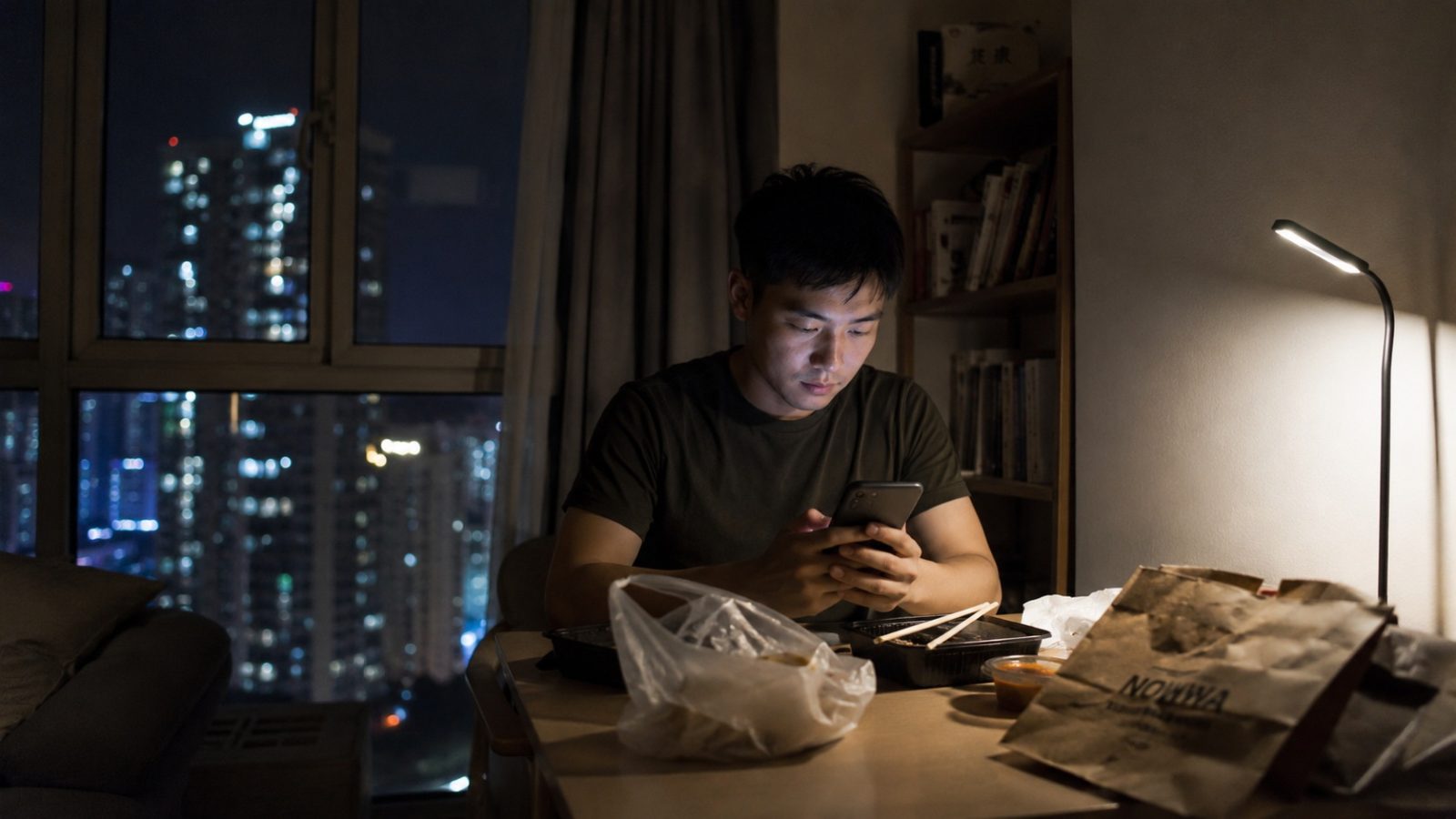

The 11 PM Ritual: Digital Efficiency, Physical Isolation
At 11:30 PM in Shanghai’s Jing’an District, the city has not yet gone to sleep. The neon lights of office towers flicker off one by one, but inside the small apartment of Lin Wei (a pseudonym), the screen is still bright. He opens Meituan or Ele.me, the two dominant food delivery platforms in China. With a few swipes, he selects a bowl of spicy beef noodles from a restaurant three kilometers away.
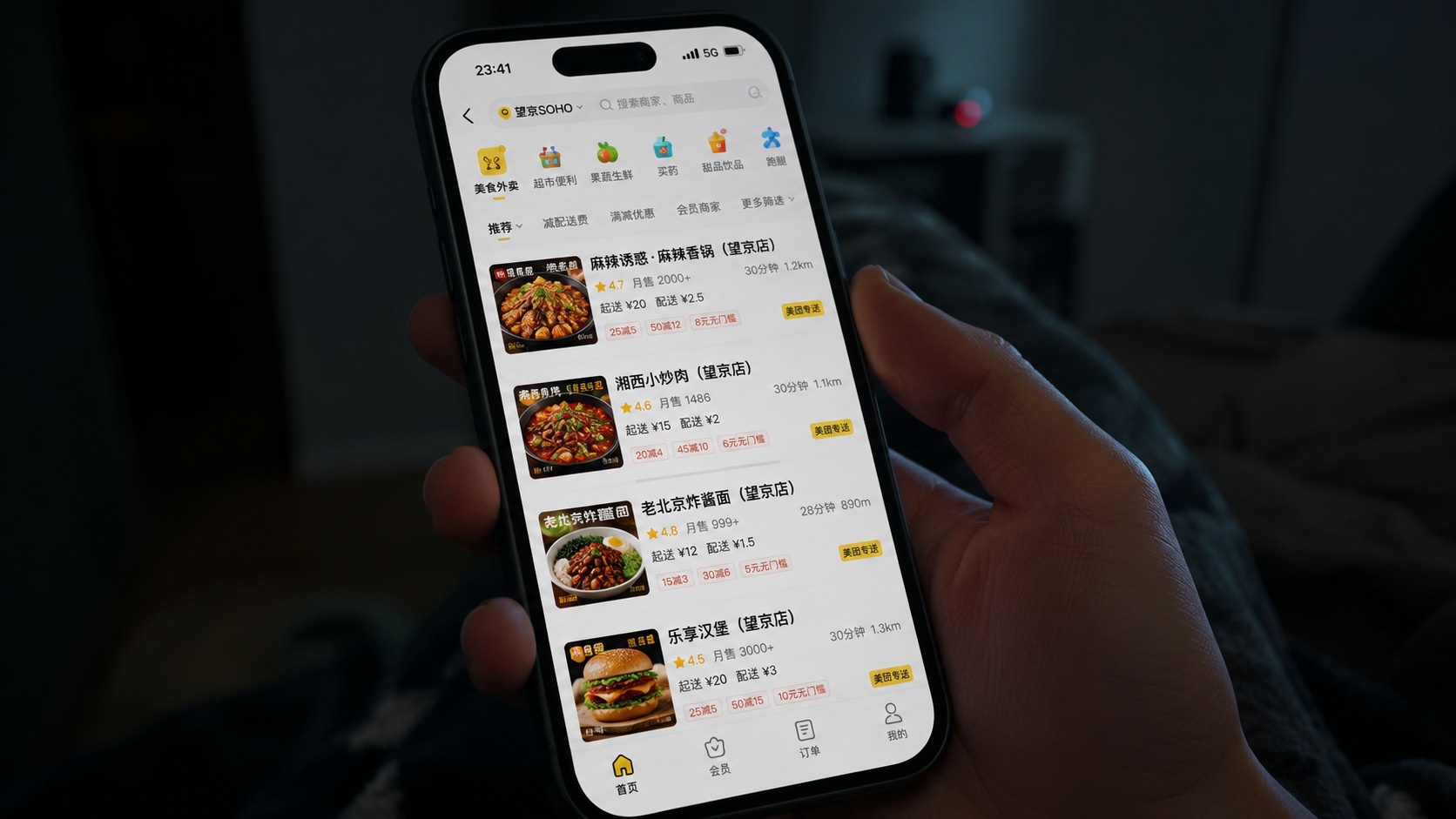
Twenty minutes later, the doorbell rings. A rider in a yellow or blue uniform hands over the bag. Lin Wei takes it, says a quick “thank you,” and closes the door. The interaction lasts less than ten seconds. Inside, he eats alone while scrolling through short videos on his phone. This is the modern Chinese urban ritual: highly efficient, digitally mediated, yet physically solitary.
The Invisible Boss: When Algorithms Manage Your Dinner
For many young professionals in China, the boundary between work and personal time has blurred. Even after leaving the office, they remain “on call” via WeChat groups or email. The delivery app becomes an extension of this always-on culture.
The algorithm doesn’t just deliver food; it delivers urgency. It predicts what you want before you order, suggests items based on your past purchases, and offers discounts to keep you engaged. For Lin Wei, ordering takeout is not just about hunger—it’s a way to decompress after hours of intense focus.
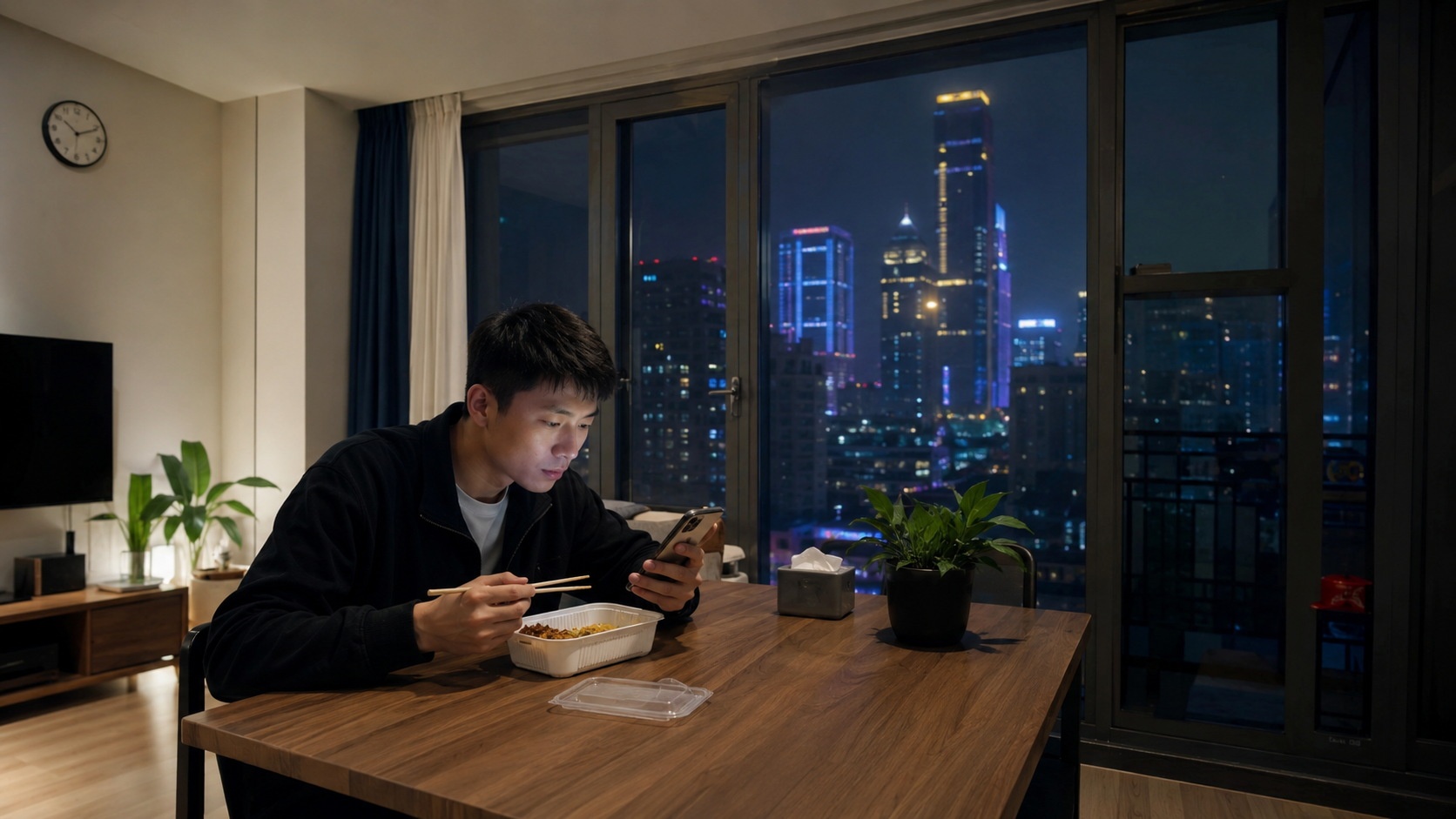
“I don’t have time to cook,” Lin says. “And I don’t want to think about what to eat.” The app removes the cognitive load of decision-making. But this convenience comes with a subtle anxiety: the fear that even your leisure time is being tracked, predicted, and optimized by an unseen system.
Food as Emotional Anchor in a Solo Economy
China’s “solo economy” is booming. Single-person households are increasing, especially among urban youth who delay marriage or choose to stay single. Eating alone used to be seen as lonely or sad, but now it’s normalized—and even embraced.
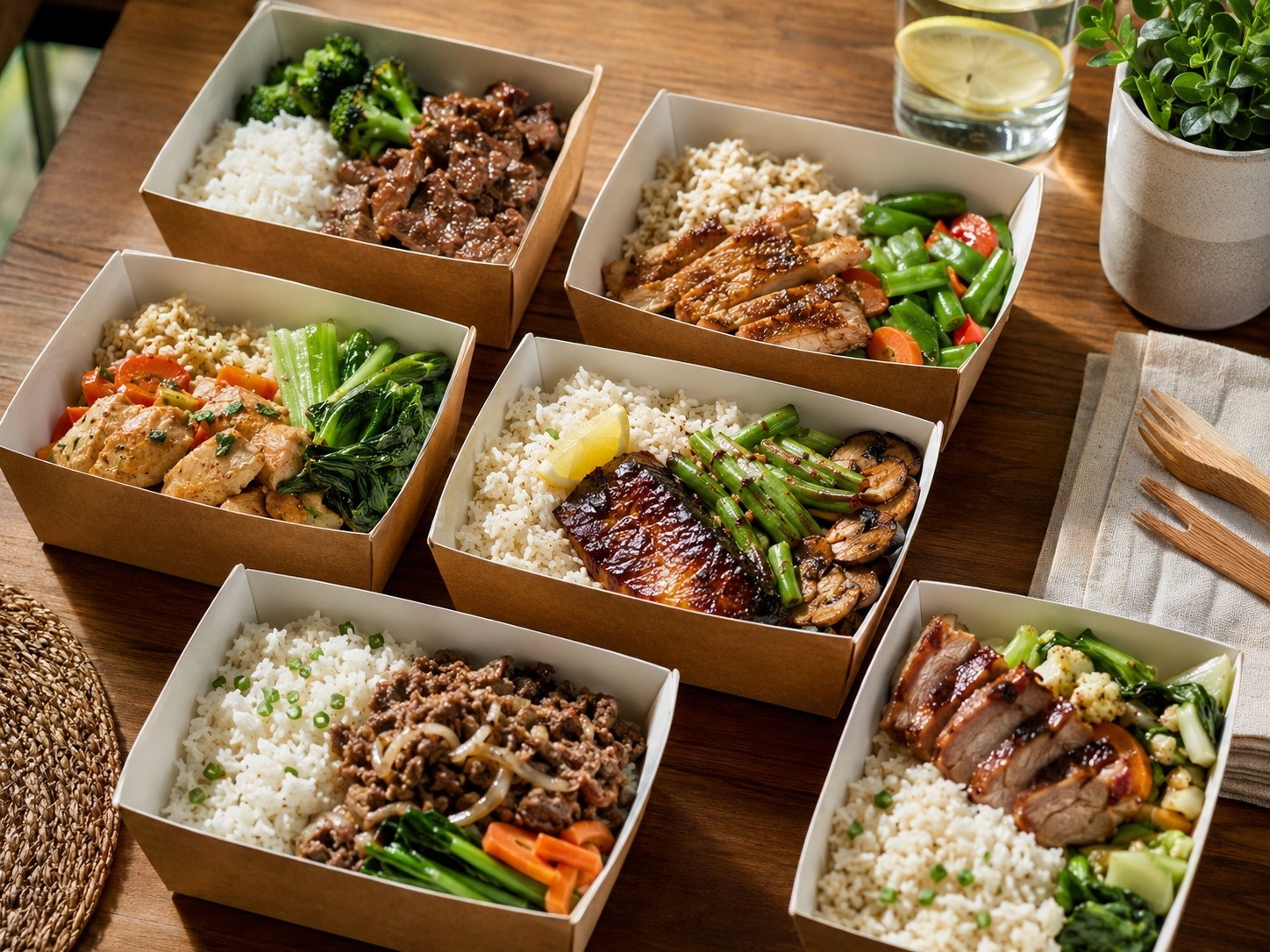
Delivery apps have adapted to this shift. They offer “solo meals” with balanced nutrition, smaller portions, and curated combos. Food becomes a reliable comfort in high-pressure environments. It’s not just fuel; it’s a small moment of control in a life that often feels out of control.
The Human Cost: Riders, Ethics, and Awareness
Behind every seamless delivery is a human being racing against time. China has over 10 million food delivery riders, most of them young men from rural areas. They navigate traffic, weather, and algorithmic pressure to meet tight deadlines.
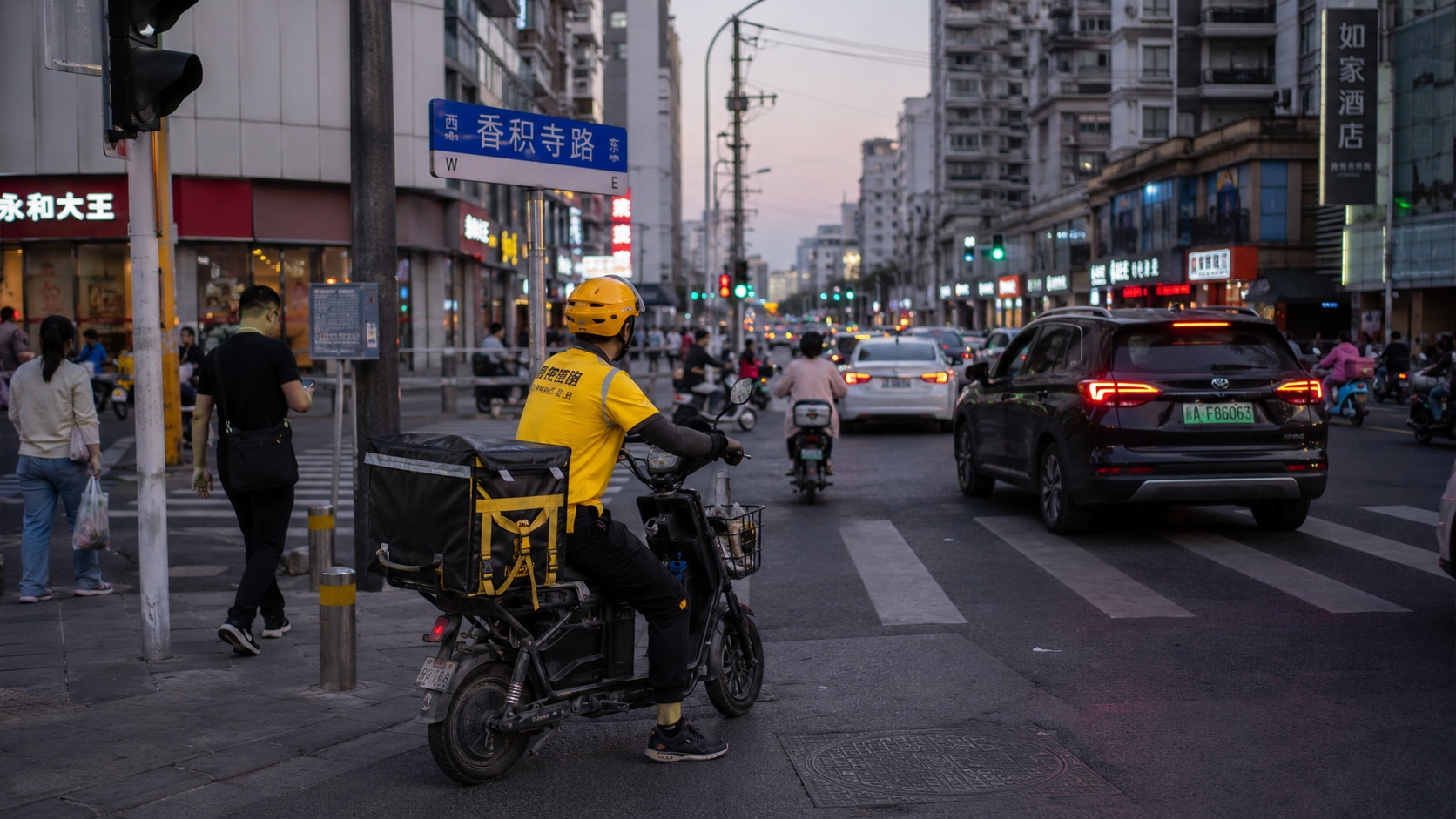
Young consumers like Lin are increasingly aware of this reality. Some leave tips for riders during bad weather or order from restaurants that treat their staff better. Others feel guilty about the environmental impact of single-use packaging. This growing awareness adds a layer of ethical complexity to what was once a simple transaction.
Redefining Freedom: Small Acts of Autonomy
Despite the pressures, Chinese youth are finding ways to reclaim their time. Some practice “digital detoxes,” turning off notifications after 9 PM. Others cook at home on weekends, seeking tactile connection with real food.
The midnight takeout is not just a meal; it’s a symbol of how technology reshapes daily life. It offers convenience but also isolates us. The challenge for China’s urban youth is not to reject technology, but to find balance—using algorithms as tools, not masters.