

The Saturday Morning Timer
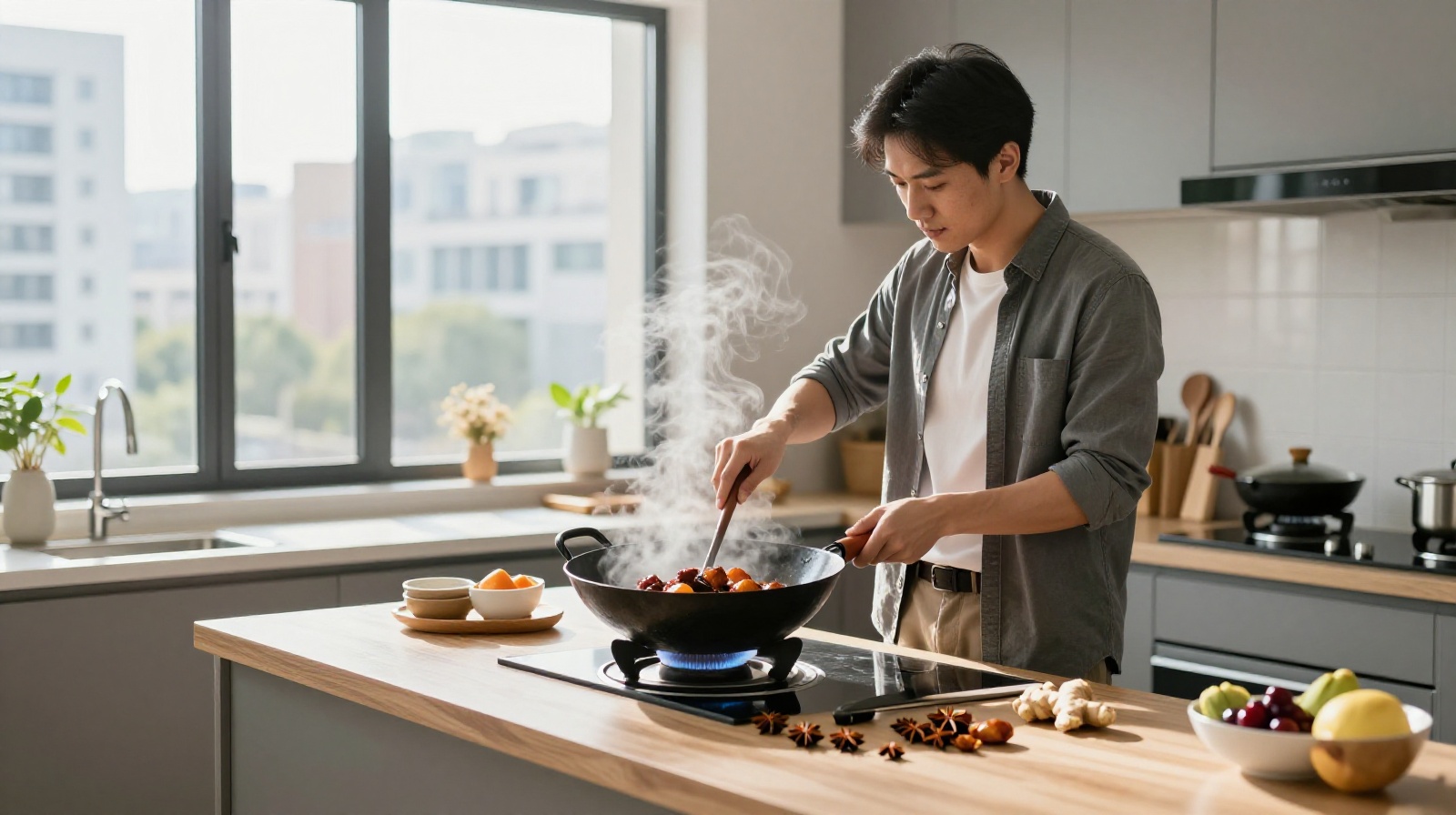
At 7 a.m. on a Saturday, the kitchen in Li Wei’s Shanghai apartment smells of star anise, dried tangerine peel, and slowly rendering fat. Outside, the city is still waking up. Inside, Li, a 28-year-old software engineer, stands over a heavy iron wok, stirring a pot of braised pork belly. He has been doing this for three hours. Earlier this week, he survived on delivery apps and microwaveable meals. Today, his phone is face-down on the counter. The only timer is the one counting down until the broth thickens on its own.
Li’s weekend routine is part of a quiet shift among China’s urban youth. Over the past five years, pre-made meals have flooded Chinese restaurants and supermarkets. Driven by tight schedules and rising commercial rents, restaurant chains and delivery platforms embraced vacuum-sealed dishes, rehydrated soups, and ready-to-wok kits to cut costs and speed up service. For millions of office workers, they became the default lunch. But lately, a counter-movement is simmering in weekend kitchens across tier-one and tier-two cities. Young professionals are deliberately trading convenience for craft, rejecting industrial shortcuts for dishes that demand time, attention, and real fire control.
The Pre-Made Meal Boom and Its Backlash
The rise of pre-made meals in China was never about taste. It was a logistical solution to a fast-paced urban economy. As cities expanded and work hours lengthened, restaurants faced stiff competition for kitchen space and staff. Central kitchens began producing standardized portions that could be reheated or finished in minutes. Delivery algorithms rewarded speed over flavor. Within years, what was once considered a compromise became the norm.
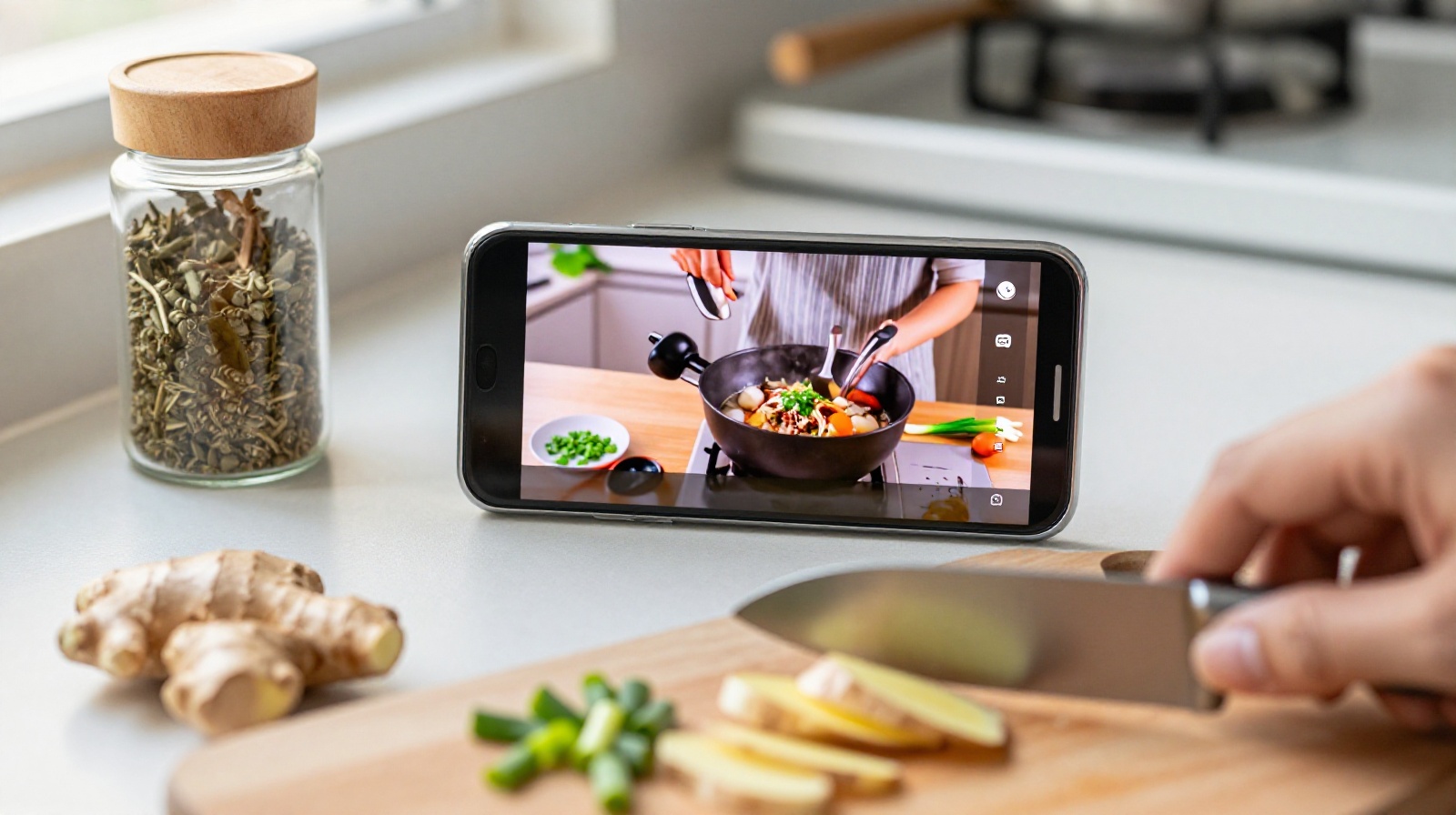
The shift didn’t happen overnight. It started with fatigue. Young people who spent their weekdays eating identical plastic containers began noticing the flat taste, the uniform texture, and the quiet exhaustion that followed. Health awareness grew alongside it. Short-chain videos on Douyin and Xiaohongshu turned into informal classrooms where home cooks shared tips on reading oil temperature, balancing salt, and avoiding heavy preservatives. The goal was never to abandon modern life, but to carve out a few hours where eating felt human again.
Fire, Time, and the Return to Craft
The trend isn’t about reviving ancient recipes for their own sake. It’s about reclaiming a rhythm that fast-paced work has eroded. Take braised pork belly, a dish that cannot be rushed. The meat must be seared, then simmered in soy sauce, rock sugar, and aromatics for two to three hours until the fat melts into the collagen. Or consider clay pot rice, where soaked rice, cured meat, and vegetables are cooked over low heat until a crisp, golden crust forms at the bottom.
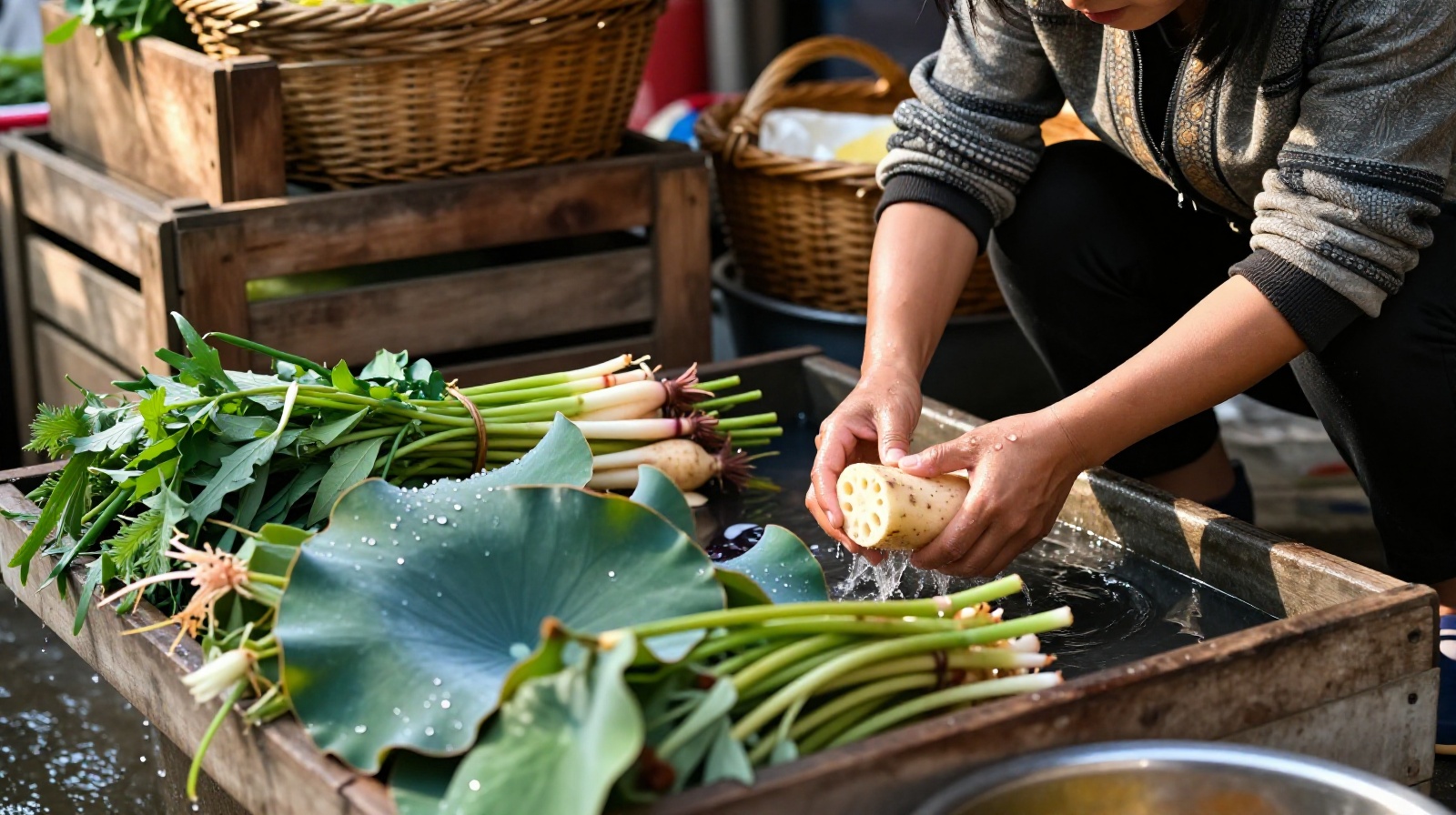
In Chinese home cooking, huohou—the precise control of flame and timing—is considered the difference between a meal and a ritual. You cannot automate it. A gas stove that flares too high will burn the sauce. A lid left on too long will turn tender meat into mush. Young cooks are learning this through trial, error, and short-form video tutorials that have turned weekend cooking into a structured hobby. Many visit wet markets early, buying fresh pork knuckles, dried mushrooms, or seasonal greens that central kitchens would never stock.
A Pause Button in a Fast Life
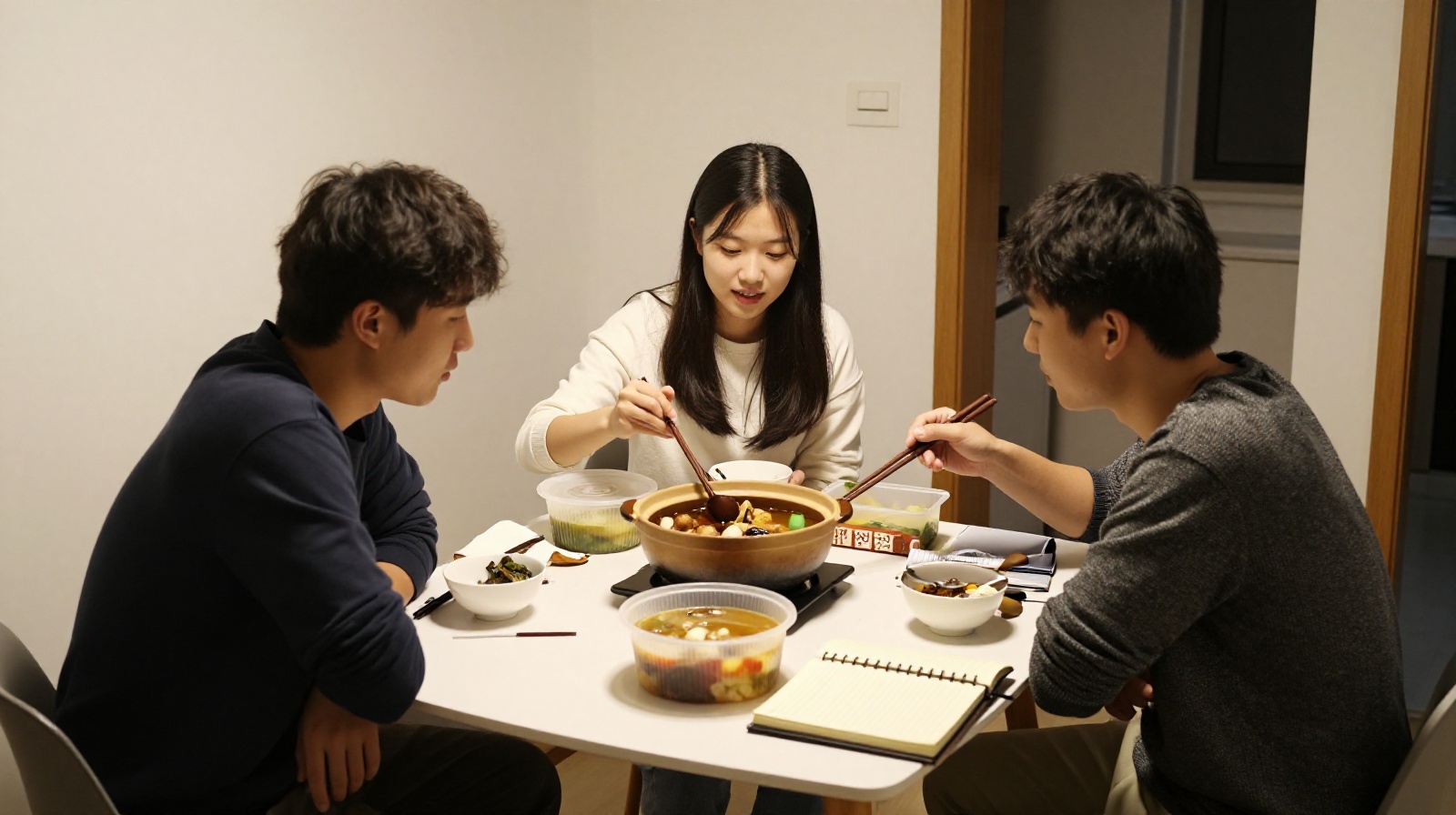
When I eat pre-made food during the week, I feel like I’m fueling a machine, says Lin Na, a 26-year-old graphic designer in Guangzhou. On weekends, I want to taste something that remembers my grandmother’s stove. Her Saturday table now features slow-simmered lotus root and pork rib soup, a Cantonese classic that requires skimming scum, adjusting heat, and waiting. She invites two or three friends over. They chop vegetables, argue playfully over salt ratios, and wait for the pot to bubble. The cooking process becomes a social pause button in a life dictated by Slack notifications and KPIs.
This shift is not without friction. Labor-intensive cooking costs time, energy, and money. Not everyone can afford to spend a Saturday morning at the wet market or clean three heavy pots afterward. Many young people balance this trend with practical compromises: batch-cooking on Sundays, using air fryers for shortcuts, or learning to preserve leftovers through fermentation and pickling. The goal isn’t perfection. It’s agency. In a food system optimized for speed, choosing to slow down is a small but meaningful act of self-care.
Redefining the Weekend Table
The weekend table has become a mirror of how Chinese urbanites are renegotiating their relationship with modernity. Industrial efficiency brought undeniable convenience, but it also flattened the sensory experience of eating. Young people are pushing back not by rejecting technology, but by carving out spaces where tradition and personal care still matter. Community kitchens in shared apartments, neighborhood cooking circles, and even pop-up weekend workshops reflect a desire to eat with intention rather than impulse.
As Li finishes plating his braised pork, the skin glistening and the meat yielding to a chopstick, he turns off the stove. The kitchen is warm, the air smells like home, and for the next few hours, time moves at a human pace. The trend won’t replace delivery apps or central kitchens. But it proves that even in a city built on speed, there is still room for a slow fire, a patient hand, and a table set just for the weekend.