

7 PM in Shanghai: The Microwave Beeps
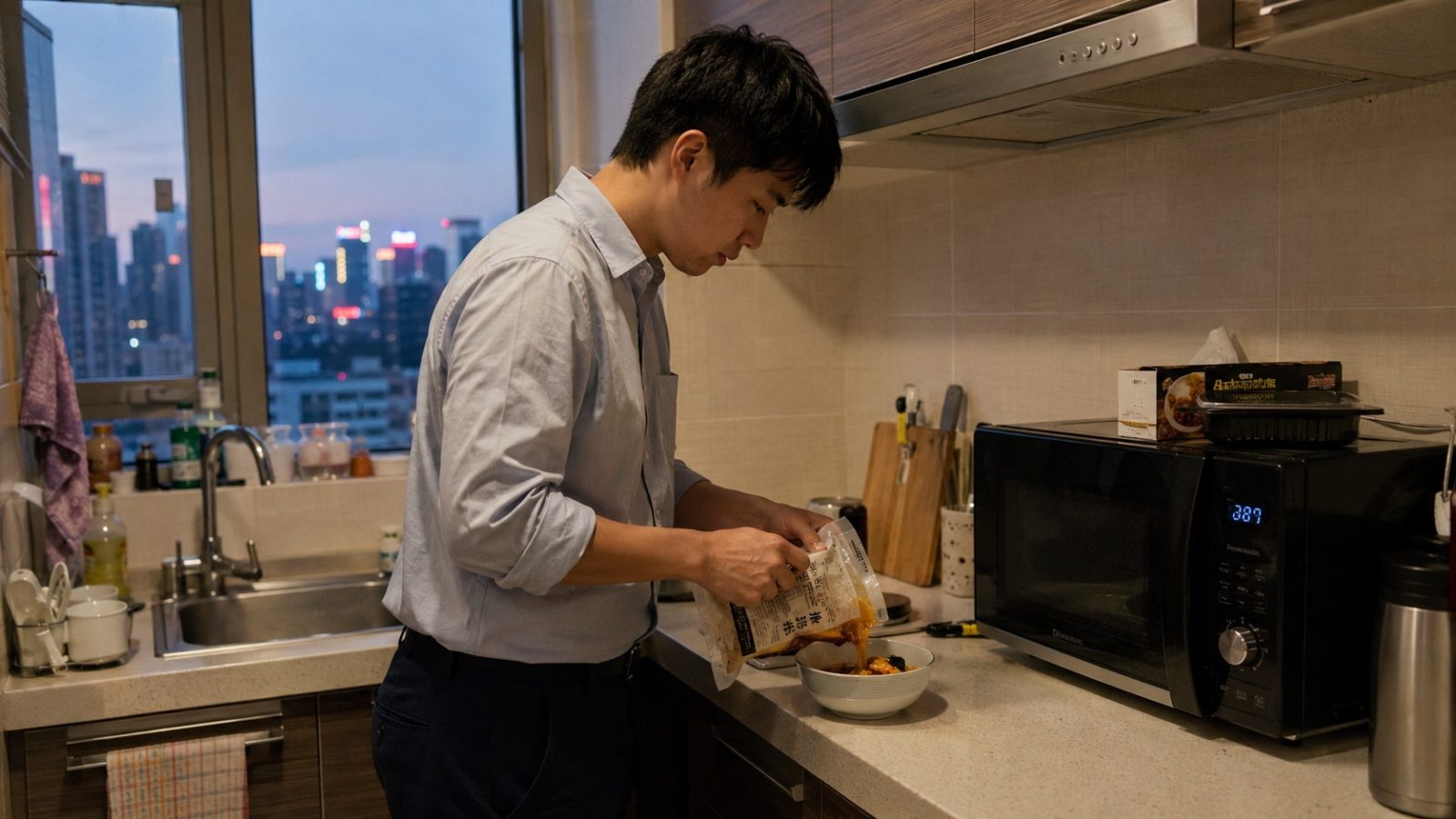
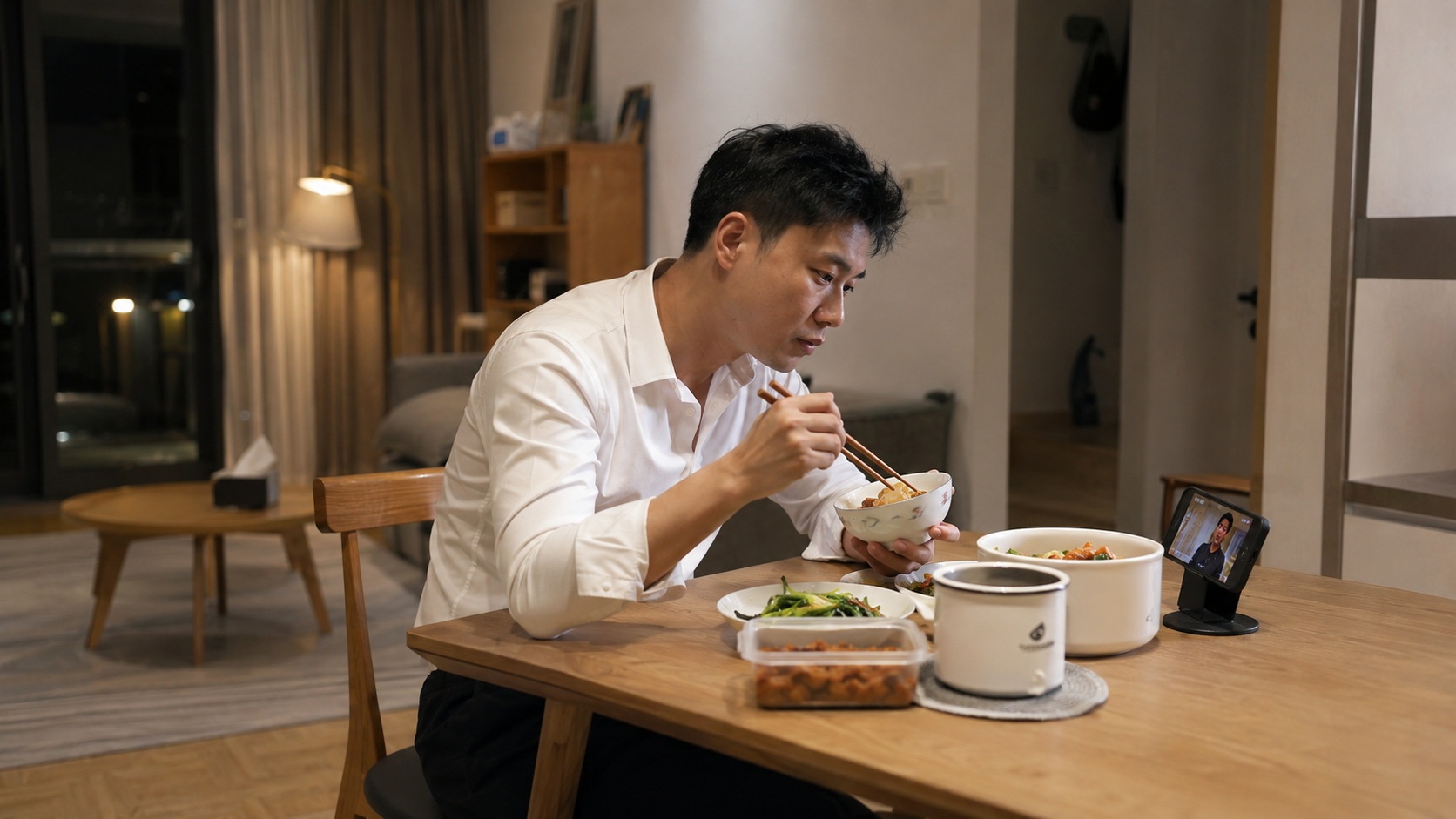
Liu Wei, a 32-year-old project manager in Shanghai’s tech district, clocks out at 8:30 PM. By the time he reaches his apartment in Pudong, the city lights are already blindingly bright. He is exhausted. There is no energy left to chop vegetables or simmer soup. Instead, he walks to a nearby convenience store, picks up two vacuum-sealed packs of braised pork with potatoes and stir-fried broccoli, and heads home.
Back in his kitchen, the ritual is simple: tear open the plastic, pour into a ceramic bowl, and nuke it for three minutes. The microwave hums, then beeps. Dinner is ready in less time than it takes to scroll through social media feeds. For Liu, this isn’t laziness; it’s survival in a city that never sleeps.
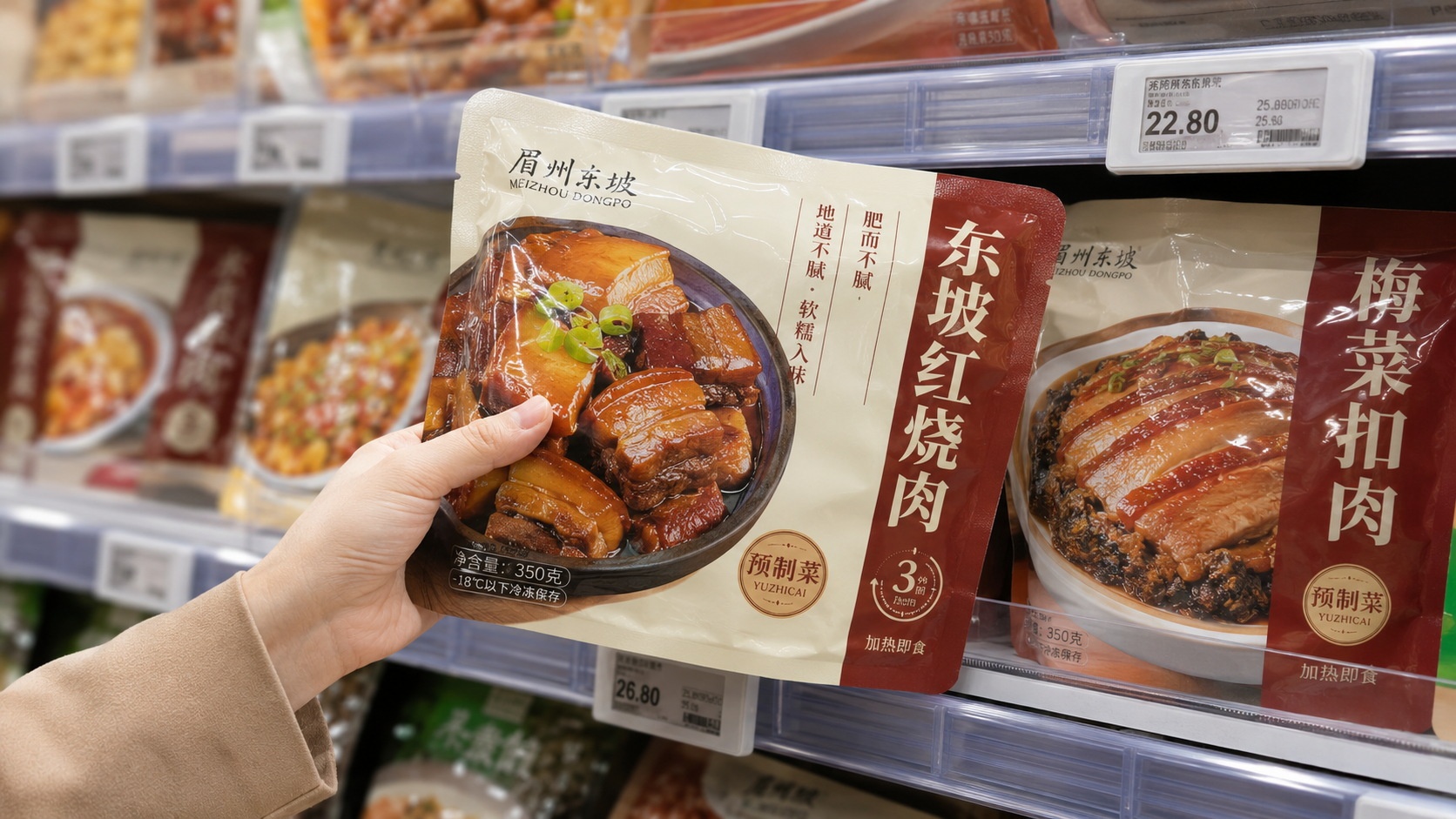
This scene is repeated millions of times every evening across China. What Liu Wei eats at home is part of a massive industry known as yuzhicai (预制菜), or pre-made meals. These are fully cooked, frozen, or refrigerated dishes that only require heating up. Once confined to high-end restaurants and train station food courts, they have now infiltrated ordinary homes, online grocery apps, and increasingly, local eateries.
Why Convenience Wins: The Economic Reality
To understand why pre-made meals are exploding in China, you have to look at the pressures facing modern urban families. In cities like Shenzhen, Hangzhou, and Beijing, the work culture is notoriously intense. Many young professionals face “996” schedules (9 AM to 9 PM, six days a week). Cooking from scratch is no longer just a chore; it is an luxury of time that many simply do not have.
Furthermore, China’s demographics are shifting rapidly. The population is aging, and the number of single-person households has surged. For elderly parents who live alone or dual-income couples with little free time, pre-made meals offer a practical solution: nutritionally balanced, affordable, and instant.
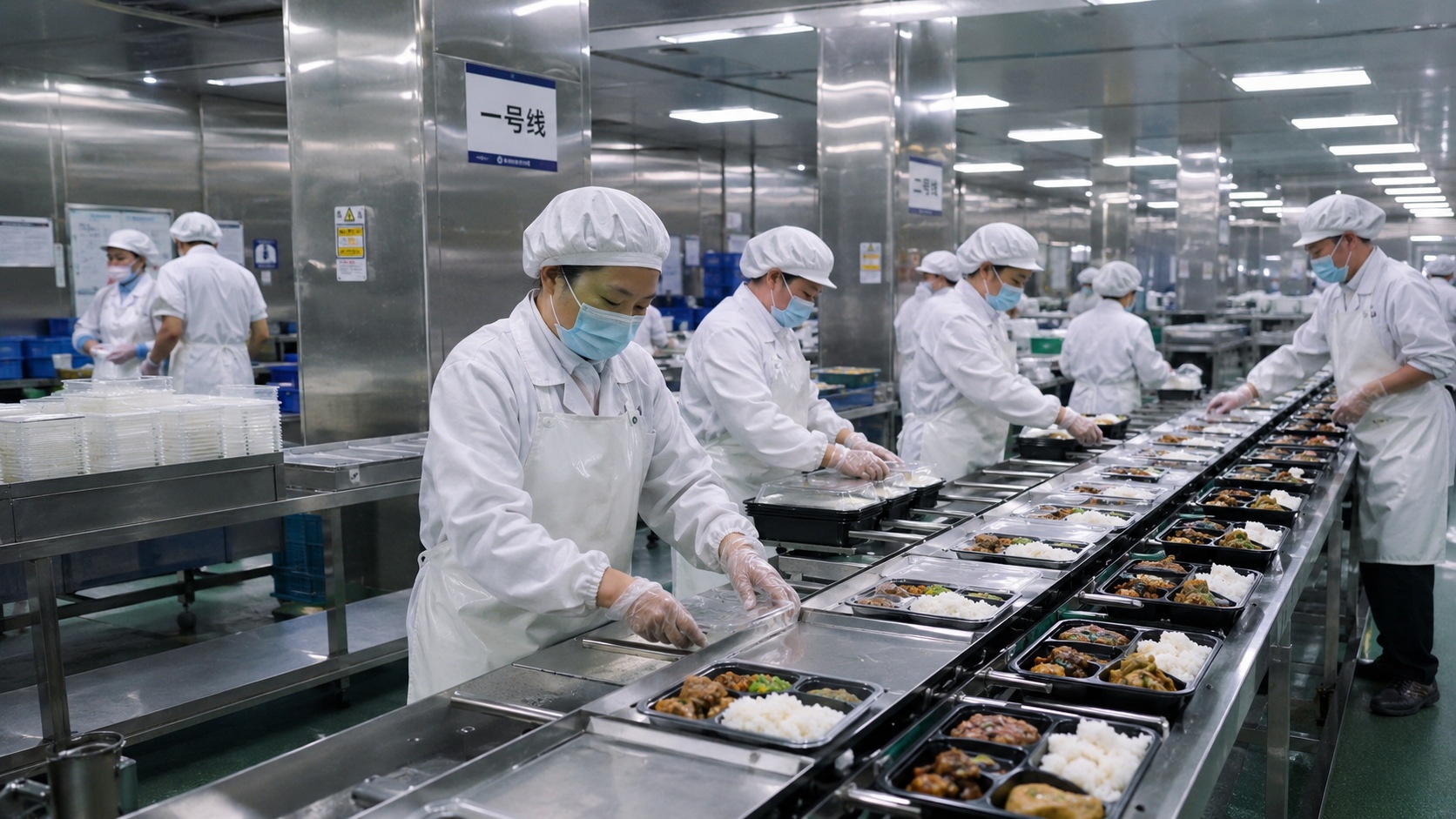
Western readers might relate this to meal kits like Blue Apron or frozen dinners from brands like Lean Cuisine. However, the scale in China is different. The supply chain for yuzhicai is industrialized to an extreme degree. Large central kitchens produce millions of portions daily, using advanced freezing technology to preserve taste and texture. It is not just about convenience; it is about efficiency in a high-speed society.
The Safety Scare: It’s Not Just About the Food
So, why the controversy? If pre-made meals are so convenient, why did they recently spark outrage across Chinese social media?
The core issue is not that the food is unhealthy—in fact, many industrial pre-made dishes meet strict national safety standards. The problem lies in transparency and trust. For years, restaurants used these pre-packaged pouches without informing customers. Diners paid premium prices for “chef-cooked” meals, only to discover later that they were heating up factory-produced bags.
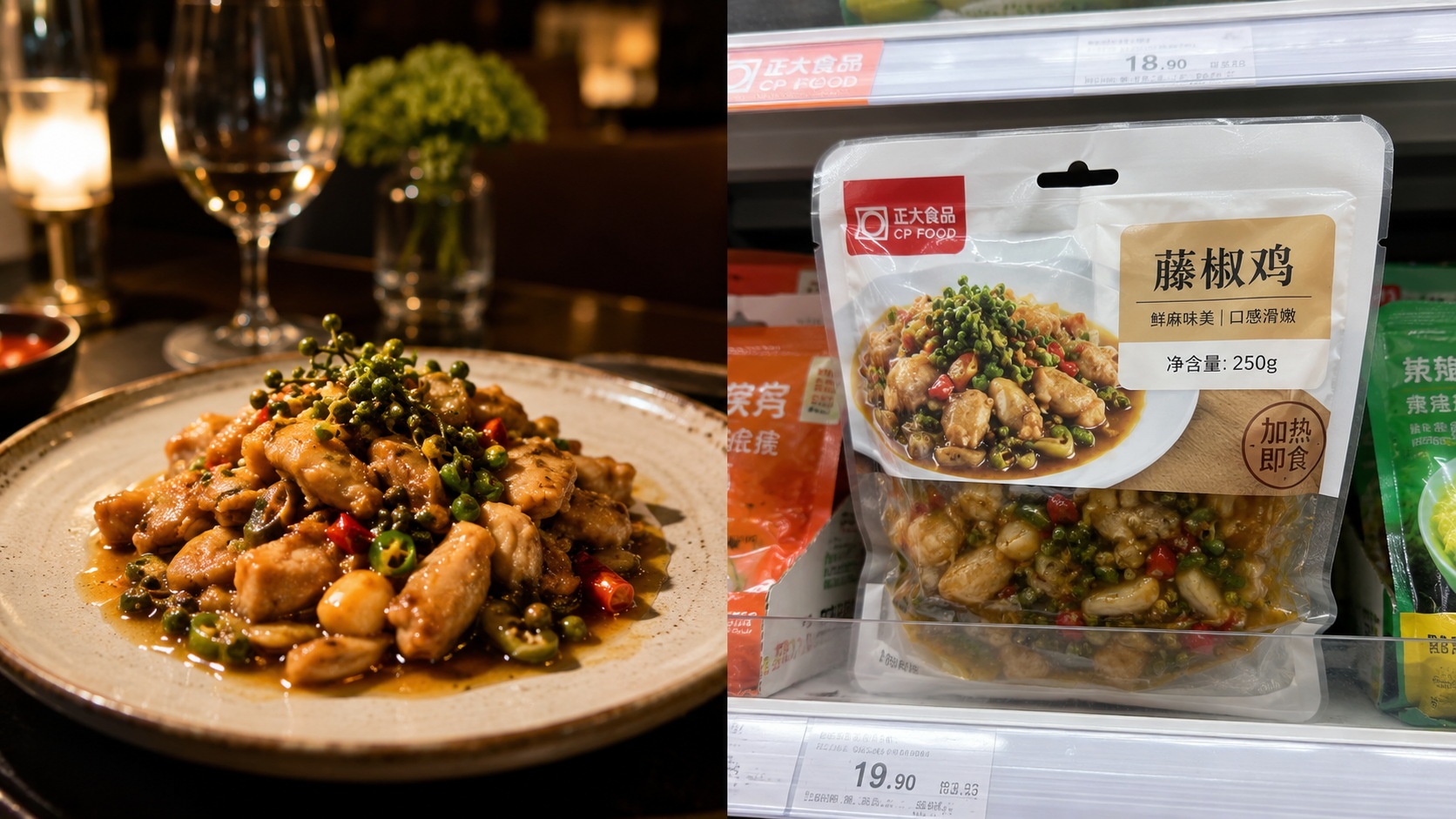
Recent viral videos exposed this practice. A consumer posts a photo of their expensive restaurant dish next to the raw packaging from a local supermarket, showing identical ingredients and branding. The public reaction was swift: anger at being deceived, not necessarily fear of the technology itself. People felt that their right to know what they were eating had been violated.
Home vs. Restaurant: A Tale of Two Tables
This distinction is crucial for understanding the Chinese public’s nuanced view. There is a clear divide between how people perceive pre-made meals at home versus in restaurants.
At home, buying yuzhicai from a supermarket or ordering it via delivery apps is seen as a smart, pragmatic choice. It is transparent: you see the brand, the price, and the expiration date. You pay for convenience, not deception. For many young workers, it is a way to maintain a decent diet without spending hours in the kitchen.
However, when restaurants use these meals, the perception flips. If a diner pays 50 RMB (approx. $7 USD) for a dish that costs 15 RMB to produce in a factory, they feel cheated. The complaint is about value and honesty. It is not that Chinese people reject modern food tech; they reject being sold industrial products at artisanal prices.
Looking Ahead: Trust and Technology
The debate over yuzhicai reflects a broader tension in modern China: the desire for efficiency versus the need for authenticity. As food technology companies continue to innovate, focusing on healthier ingredients and longer shelf-life preservation without excessive additives, the quality of these meals is improving.
Regulators are also stepping in. New guidelines suggest that restaurants should clearly label dishes made from pre-made kits, allowing consumers to make informed choices. This shift towards transparency could turn a source of anxiety into a standard part of urban life.
For Liu Wei, the choice remains personal. He still cooks simple noodles on weekends when he has time, enjoying the process. But on busy weekdays, the microwave is his best friend. The rise of pre-made meals in China is not just a food trend; it is a mirror reflecting how ordinary people navigate the tightrope between health, time, and survival in one of the world’s fastest-moving societies.