

The Anxiety of the Empty Glass
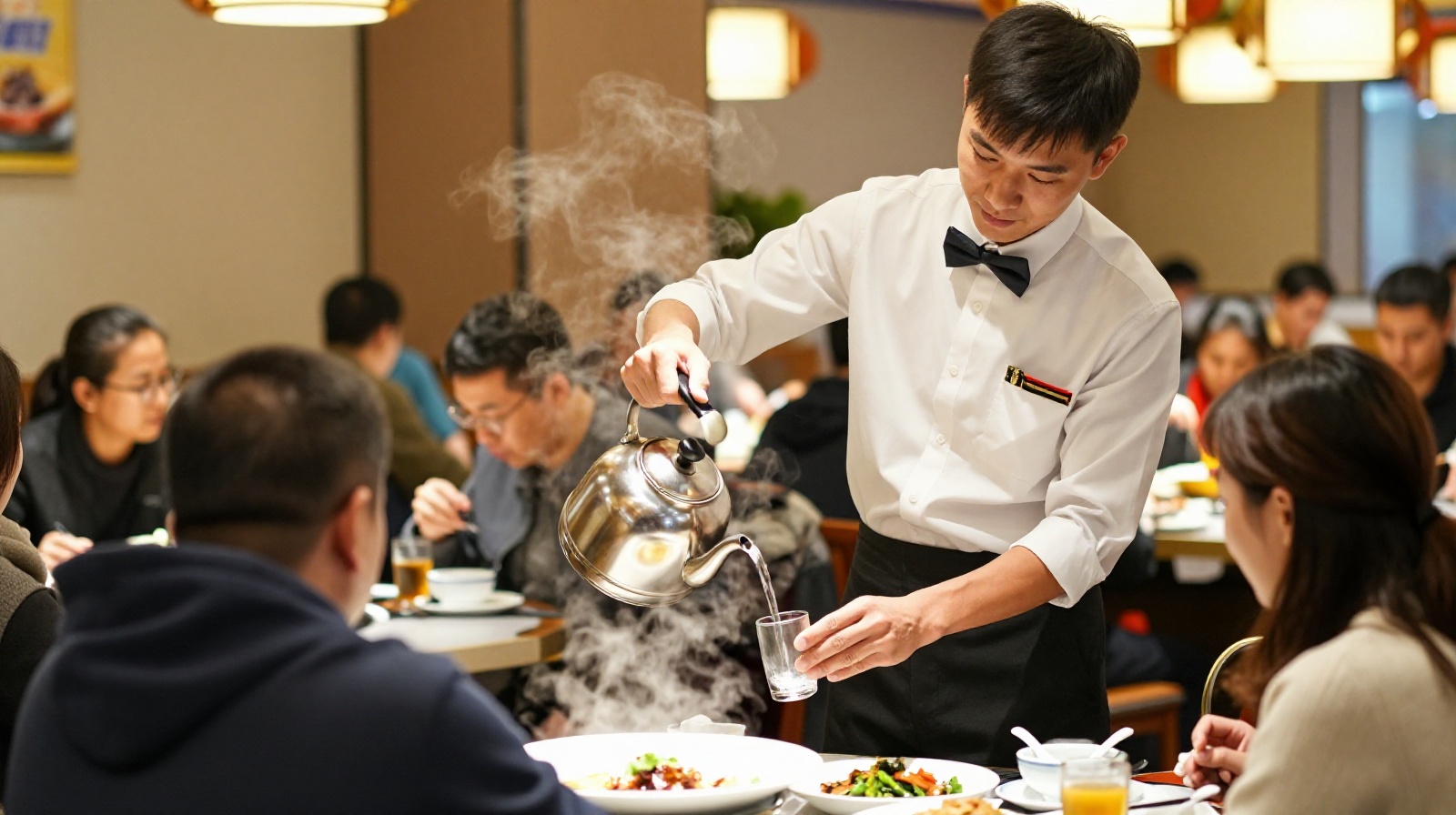
Picture this: You are sitting in a bustling restaurant in Shanghai. The air is thick with the aroma of sizzling stir-fries and the clatter of chopsticks. You take a sip of your water, realizing it is half empty. Before you can even reach for the carafe, a waiter appears, smiles, and fills your glass to the brim. Ten minutes later, you glance down again. The glass is nearly empty. The waiter is there again, silent and efficient.
If you come from Europe or North America, this might feel less like service and more like surveillance. In many Western dining experiences, the norm is “invisible service”: the waiter checks on you occasionally, but mostly leaves you alone to enjoy your privacy and conversation. In China, an empty glass is not just a sign of thirst; it is a signal that something has gone wrong.
“Chashui Man Yi”: The History of Hospitality
To understand this behavior, you have to look back centuries. There is a Chinese idiom, “chashui man yi” (tea and water overflowing), which literally means that a host’s hospitality is so abundant that it spills over the edges of the cup.
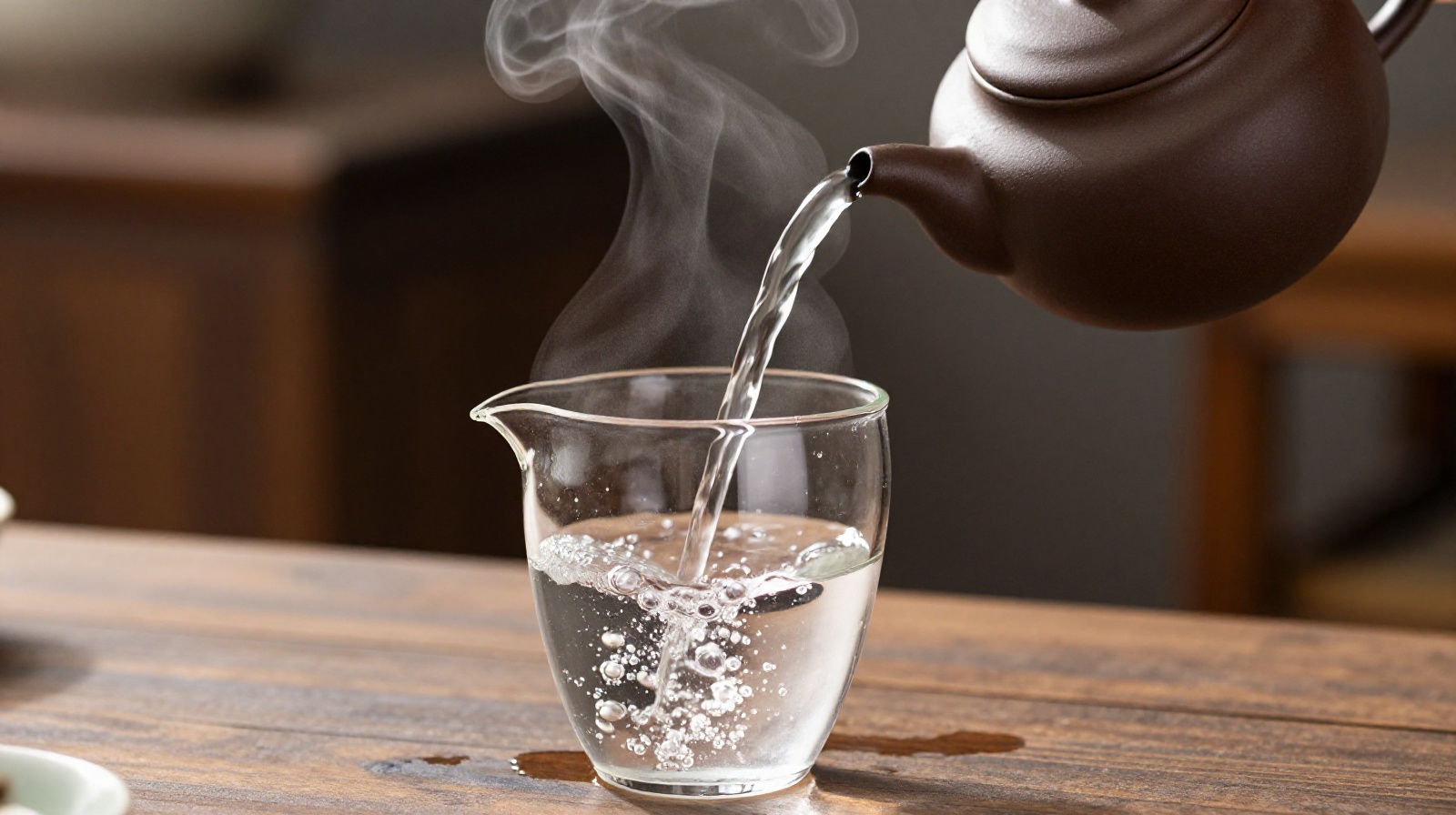
In traditional Chinese culture, offering tea or water is the first step in building a relationship. An empty cup was historically seen as a sign of neglect or poverty. By keeping the vessel full, the host communicates respect and care without saying a word. This cultural logic didn’t disappear with modernization; it migrated from the home tea table to the commercial dining room. Today, when a waiter refills your water, they are performing a ritual of respect. They are telling you, implicitly, that you are a valued guest, not just a transaction.
Service as a Competitive Arena
But it’s not just about history. It is also about economics. China’s restaurant industry is fiercely competitive. In tier-1 cities like Beijing and Guangzhou, there is often a restaurant on every corner. To stand out, service has become the key differentiator.
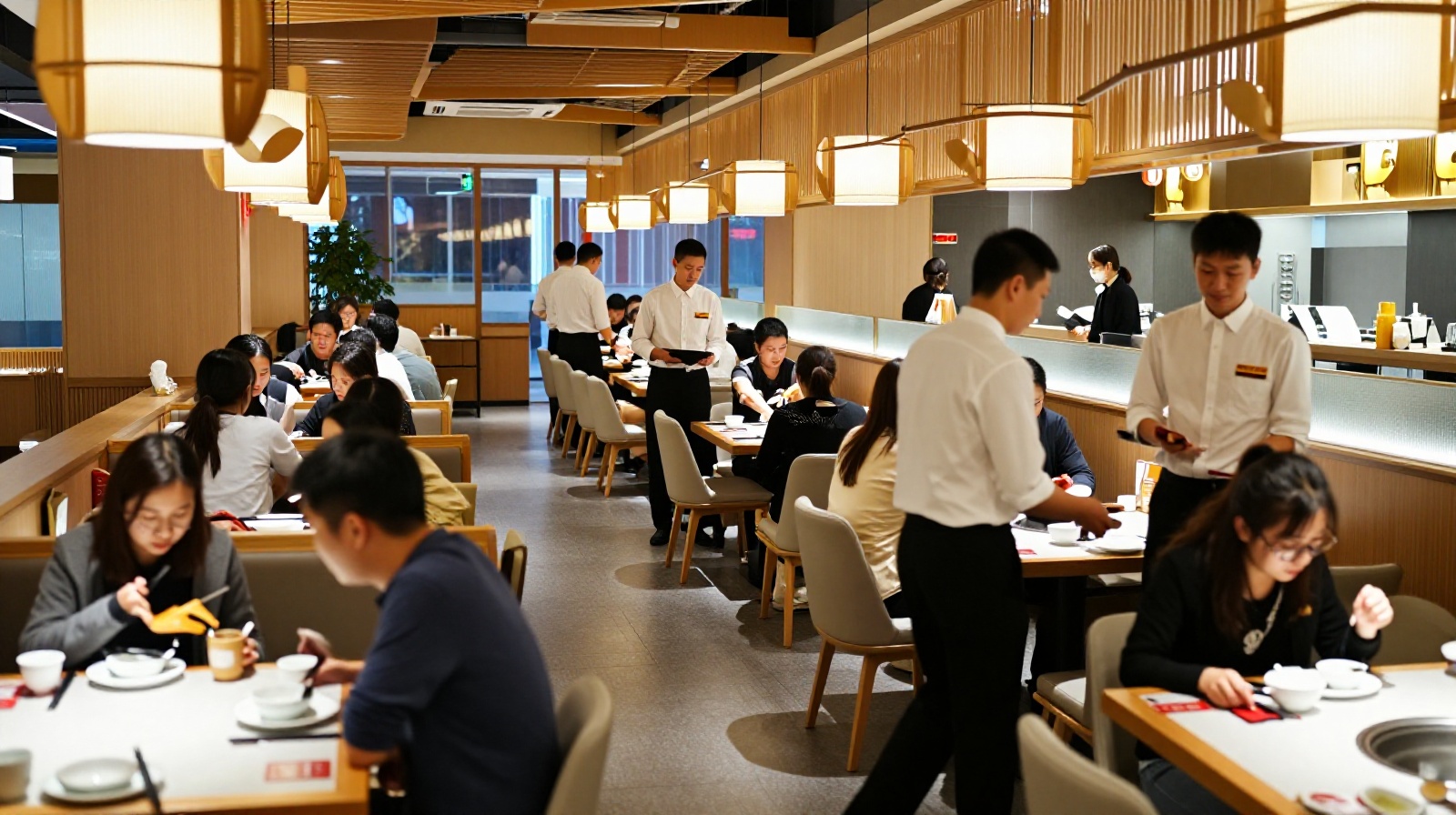
In this environment, “over-service” is a feature, not a bug. Waiters are trained to be hyper-observant. They watch your glass level, the angle of your chopsticks, and even the expression on your face. This constant attention is part of the value proposition. For many Chinese diners, being “hovered over” is not annoying; it is reassuring. It signals that the establishment is attentive and cares about quality control. If a waiter ignores you, you might worry that the food will arrive late or that your needs will be overlooked.
Privacy vs. Care: A Cultural Clash
This is where the cultural translation gap often widens. For Westerners who value individual space and “personal bubble,” this level of attentiveness can feel intrusive. It can create a low-level anxiety, as if you are being monitored rather than served.

However, in the Chinese context, this proximity is interpreted as warmth. Think of it like a close relative who constantly asks if you are cold or hungry. It might feel smothering if you want space, but it stems from a place of genuine concern. The waiter’s goal is to anticipate your needs before you even voice them, creating a seamless experience where you don’t have to lift a finger.
How to Navigate the “Hover”
So, how should you react? First, reframe your perspective. View the full glass as a compliment. It means you are being taken care of. If you find the constant refills distracting, you can politely communicate your preference. A simple, “I’m good, thank you,” accompanied by a gentle hand wave, is usually enough to give the waiter space for a while. They will respect your boundary, but they may still keep a distant eye on you.
Ultimately, China’s service culture is an exercise in collective harmony and attentiveness. It is less about the individual’s right to solitude and more about the group’s comfort and satisfaction. Once you decode this signal, that hovering waiter stops being a nuisance and becomes a symbol of a society that prioritizes care, hospitality, and seamless connection.