

The Kitchen at 6:30 AM
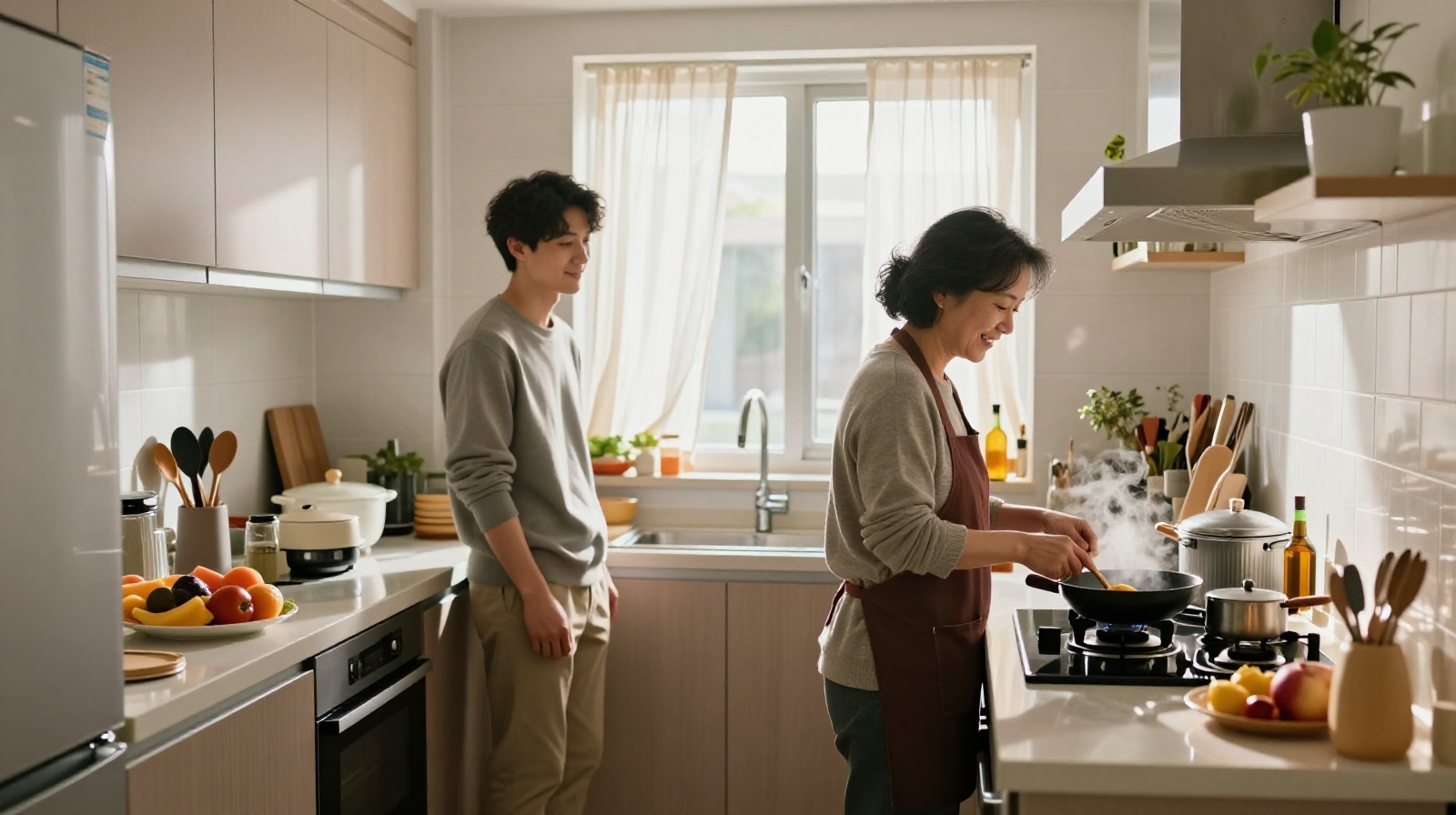
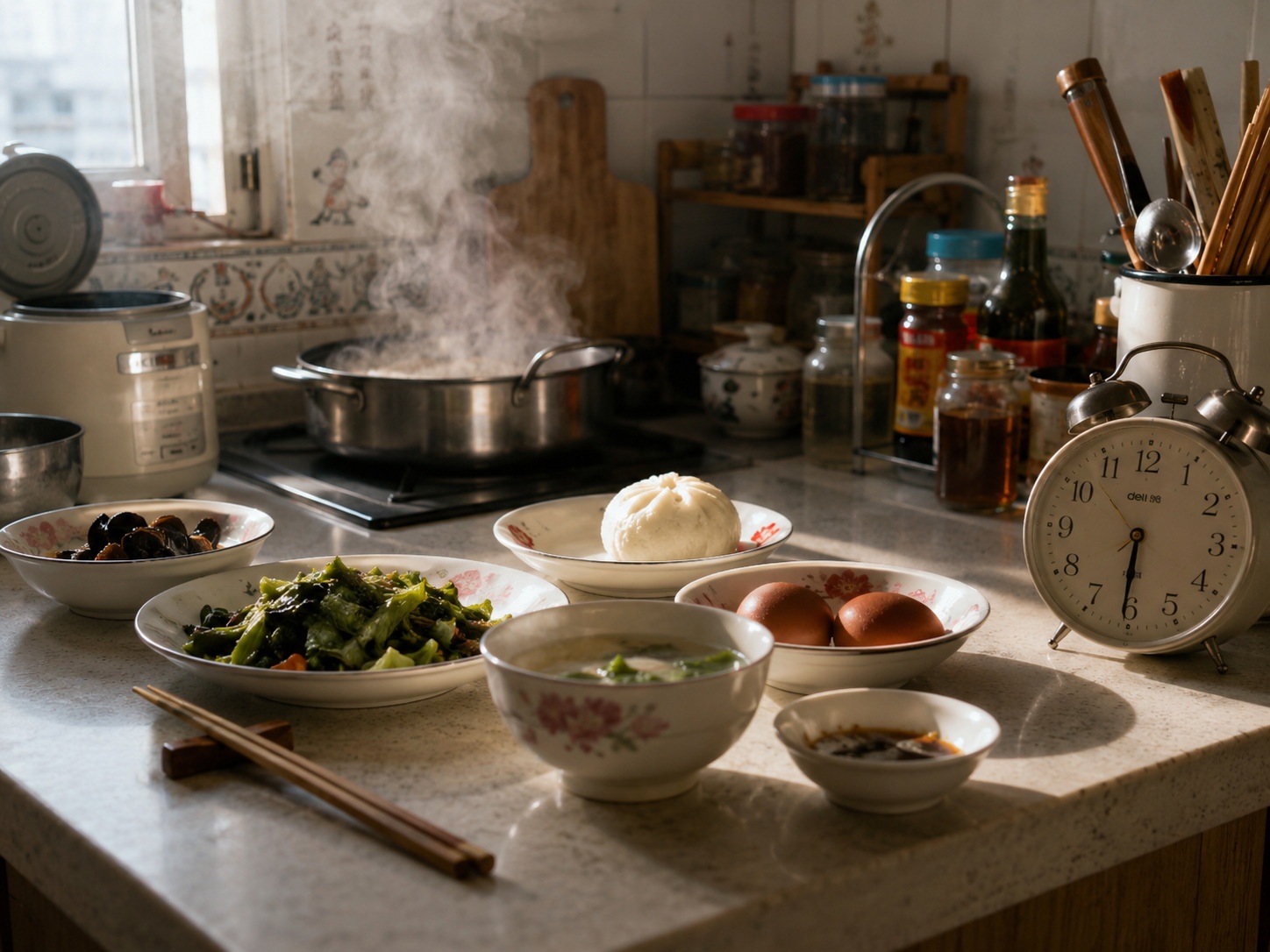
The smell of scallion pancakes hits you before your eyes even open. It’s 6:30 AM in a 70-square-meter apartment in Beijing’s Haidian district. Outside, the traffic on the third ring road is already a river of red taillights. Inside, the kitchen is a study in controlled chaos.
Liu Wei, 32, a software engineer, tiptoes past the kitchen island. His mother-in-law, 68, is already at the stove, flipping batter with the rhythmic precision of someone who has done this for forty years. She doesn’t look up. In this household, silence is not awkwardness; it’s a carefully negotiated treaty.
Why We Live Together
In many Western contexts, multi-generational living is often framed as a temporary crisis or a cultural relic. In China, it is a pragmatic architectural solution to three converging pressures: soaring housing prices, the intense competition of urban education, and the shrinking size of the nuclear family.
Liu Wei and his wife, Chen Na, earn decent salaries in tech, but buying a larger home in Beijing is mathematically impossible for them right now. Meanwhile, their three-year-old son needs childcare that neither parent can provide full-time without sacrificing their careers. The solution? A simple real estate transaction: the grandparents move into the second bedroom.
This isn’t about lack of privacy; it’s about resource pooling. It is a calculated trade-off where financial stability and child-rearing support are exchanged for shared spaces and complex social dynamics. For millions of Chinese families, this “two-bedroom apartment” model is not a compromise—it’s the only way the machine keeps running.
The Geometry of Boundaries
In a space this small, geography is politics. The apartment has one bathroom. This single fixture dictates the daily rhythm of four adults and one child. The unspoken rule number one: timing is everything.
There is a mental schedule that no one writes down but everyone follows. Morning routines are staggered. If Liu Wei leaves at 7:30, his mother-in-law takes the bathroom from 7:45 to 8:15. Chen Na uses it after her husband leaves. This precision prevents the “bathroom bottleneck” that could derail the entire day.
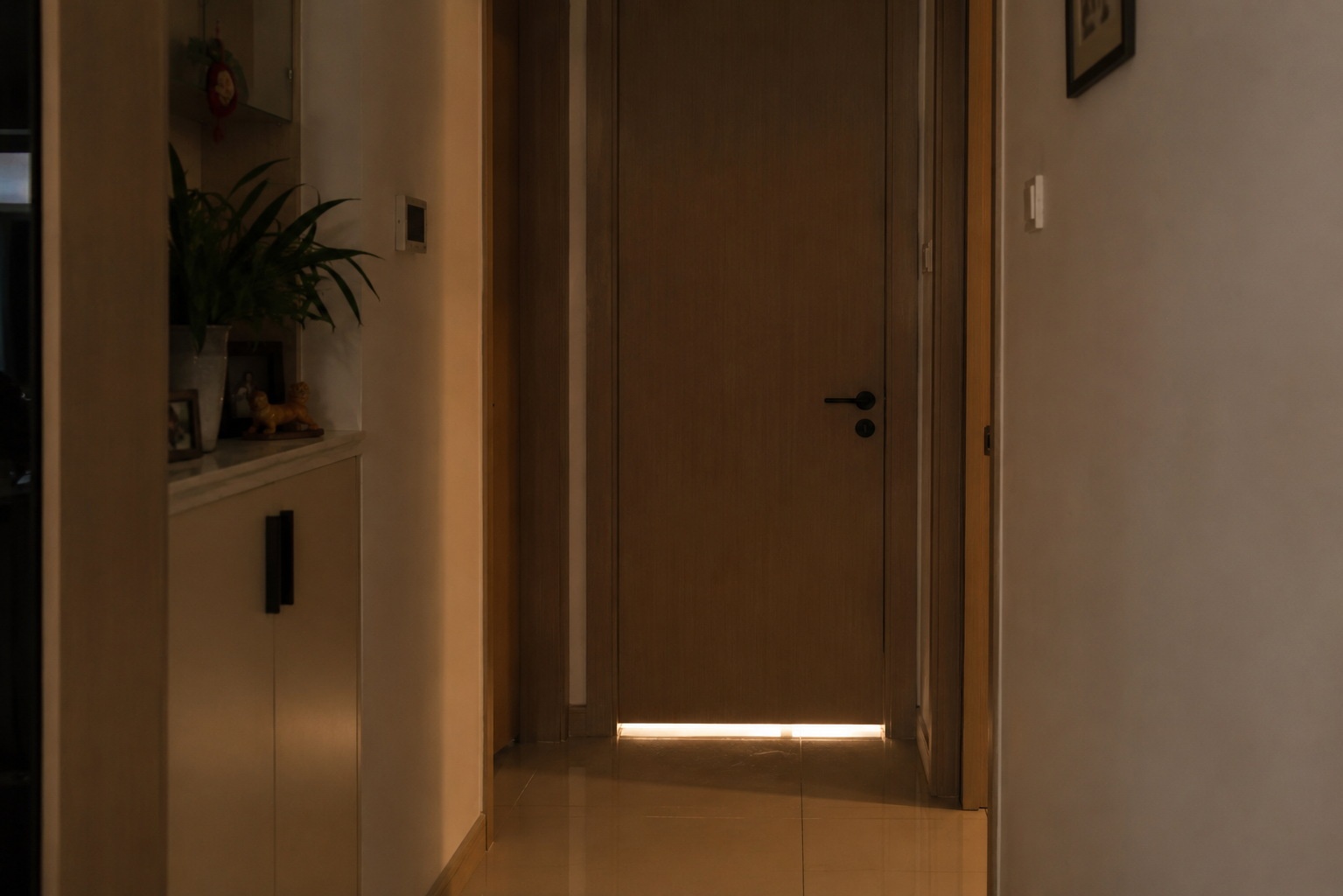
But the most important boundary is the door. In a two-bedroom apartment, the bedroom is the only true sanctuary. The golden rule of living with in-laws is: once you close the door, it is locked. Whether it’s for a Zoom call, a nap, or just to breathe, the act of closing the door signals respect for privacy. Opening someone else’s door without knocking is considered a severe breach of trust, akin to reading their diary.
The Currency of Food
If boundaries are built on silence and doors, harmony is maintained through food. In Chinese culture, love is rarely expressed with the words “I love you.” It is expressed by putting food on your plate.
Liu Wei’s mother-in-law expresses her care through portions. If you finish your bowl, she immediately refills it. If you don’t, she looks concerned, as if you are suffering from a hidden illness. This can feel suffocating to younger generations raised on individual dietary choices, but it is the primary language of affection in the household.
There is also an unspoken debt. The grandparents provide childcare and cooking, saving the couple tens of thousands of yuan annually in nanny fees. In return, the couple provides financial support for utilities, groceries, and eventual medical needs. It is a symbiotic relationship. The mother-in-law is not just a guest; she is a co-parent and a domestic partner. Recognizing this contribution is key to avoiding resentment. The “unspoken rule” here is gratitude: you do not argue with the person who keeps your life from falling apart.
Navigating the Friction
Conflict is inevitable. The differences are often small but sharp: how much to spend on toys, whether to wear a jacket in spring, or the best way to wipe a counter. Direct confrontation is avoided. Chinese family dynamics often favor “saving face” and indirect communication.
Instead of saying, “Don’t tell me how to raise my son,” Chen Na might say to her husband, “I’m worried about the child’s screen time,” leaving him to gently relay the message to his mother. This triangulation is messy but effective. It preserves the hierarchy while allowing issues to be addressed.

The Hidden Network
Living with a mother-in-law also means integrating into her social network. She knows the neighbors, the local market vendors, and the other grandmothers in the community park. These connections are invaluable. When Liu Wei’s car broke down last winter, it was his mother-in-law’s network of neighbors that helped tow it home before the roads froze.
This integration creates a safety net that nuclear families often lack. The mother-in-law is the anchor of the local community, providing stability and continuity in a city that can feel transient and isolating.
Beyond the Stereotype
Pop culture often depicts the mother-in-law/daughter-in-law relationship as a battle for dominance. But in the reality of the Chinese two-bedroom apartment, it is more like a complex dance. It requires constant adjustment, emotional intelligence, and a willingness to let go of idealized notions of independence.
For Liu Wei and Chen Na, the apartment is noisy. The bathroom is always occupied. The food is always hot. But when their son runs into the living room, shouting “Grandma!” with pure joy, the compromise makes sense. They are not just surviving the space; they are building a life within it, one scallion pancake at a time.