

The Unexpected Scene
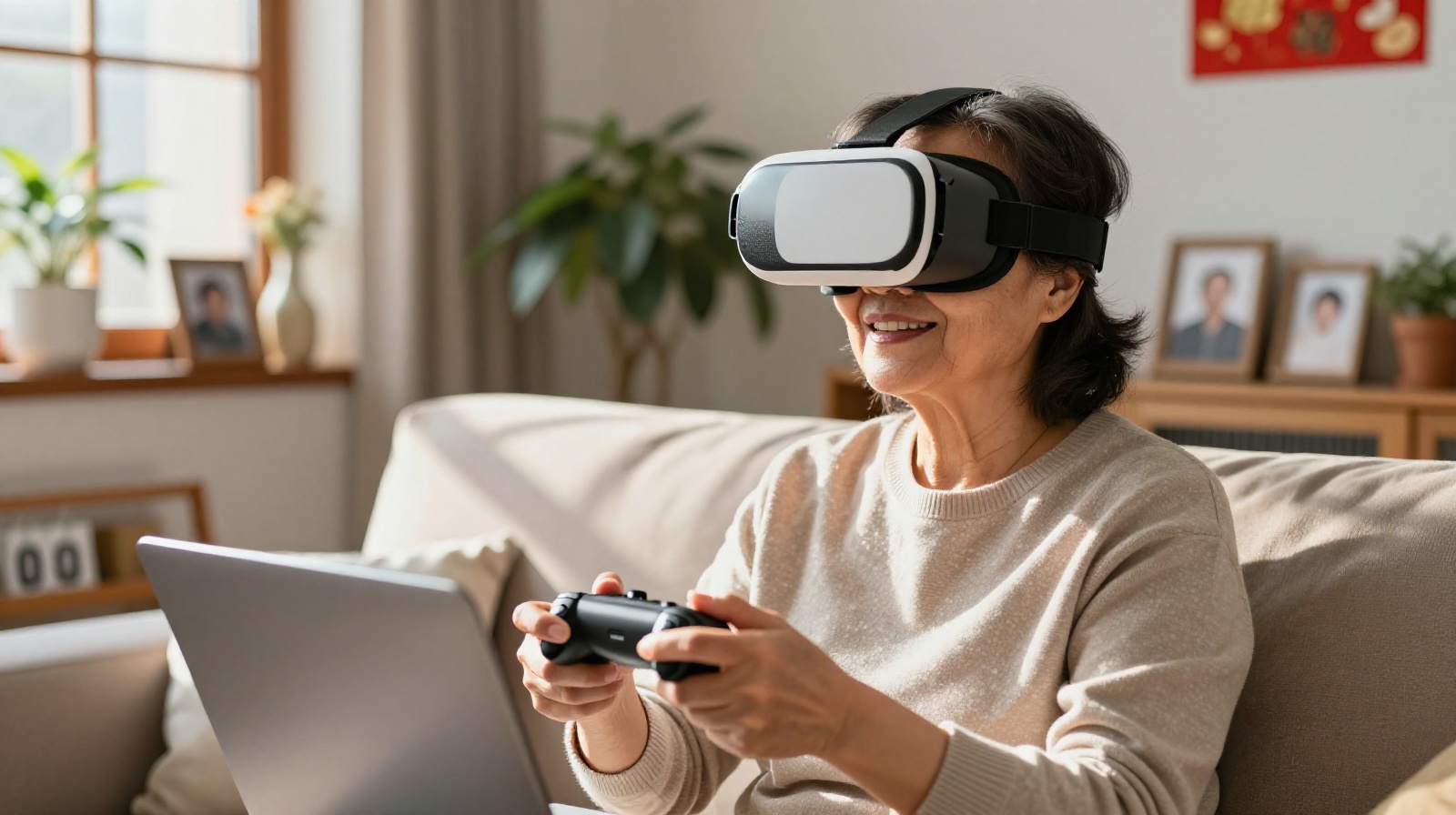
It was a rainy Tuesday afternoon in Chengdu when I walked into a community center not filled with mahjong tiles, but with the soft hum of virtual reality. In a corner, 72-year-old Liu Meiling adjusted her headset. She wasn’t playing a violent shooter game. She was standing on a digital beach in Hainan, feeling the sun and hearing the waves.
“I went to Paris last year,” she told me, laughing as she removed the glasses. “This time, I just want to walk through the streets of Rome without leaving my living room.”
Liu is part of a growing wave across China. In cities from Beijing to Guangzhou, grandmothers and grandfathers are discovering that virtual reality (VR) isn’t just for gamers or tech enthusiasts anymore. It has become a vital tool for mobility, social connection, and mental well-being in an aging society.
Why Now? The Post-Pandemic Shift
The pandemic changed everything. For years, many elderly Chinese lived in relative isolation after retirement. Lockdowns hit hard. They couldn’t travel to visit grandchildren or attend community events easily.
Families looked for solutions. Traditional entertainment like television often felt passive and lonely. VR offered something different: immersion. It allowed seniors to “travel” virtually, exercise in guided classes, or join a virtual tea party with distant relatives. The shift wasn’t about chasing trends; it was about filling a void left by physical restrictions.
Lowering the Barrier
You might wonder: isn’t technology too complicated for them? In China, the answer is often no, thanks to specific market adaptations.
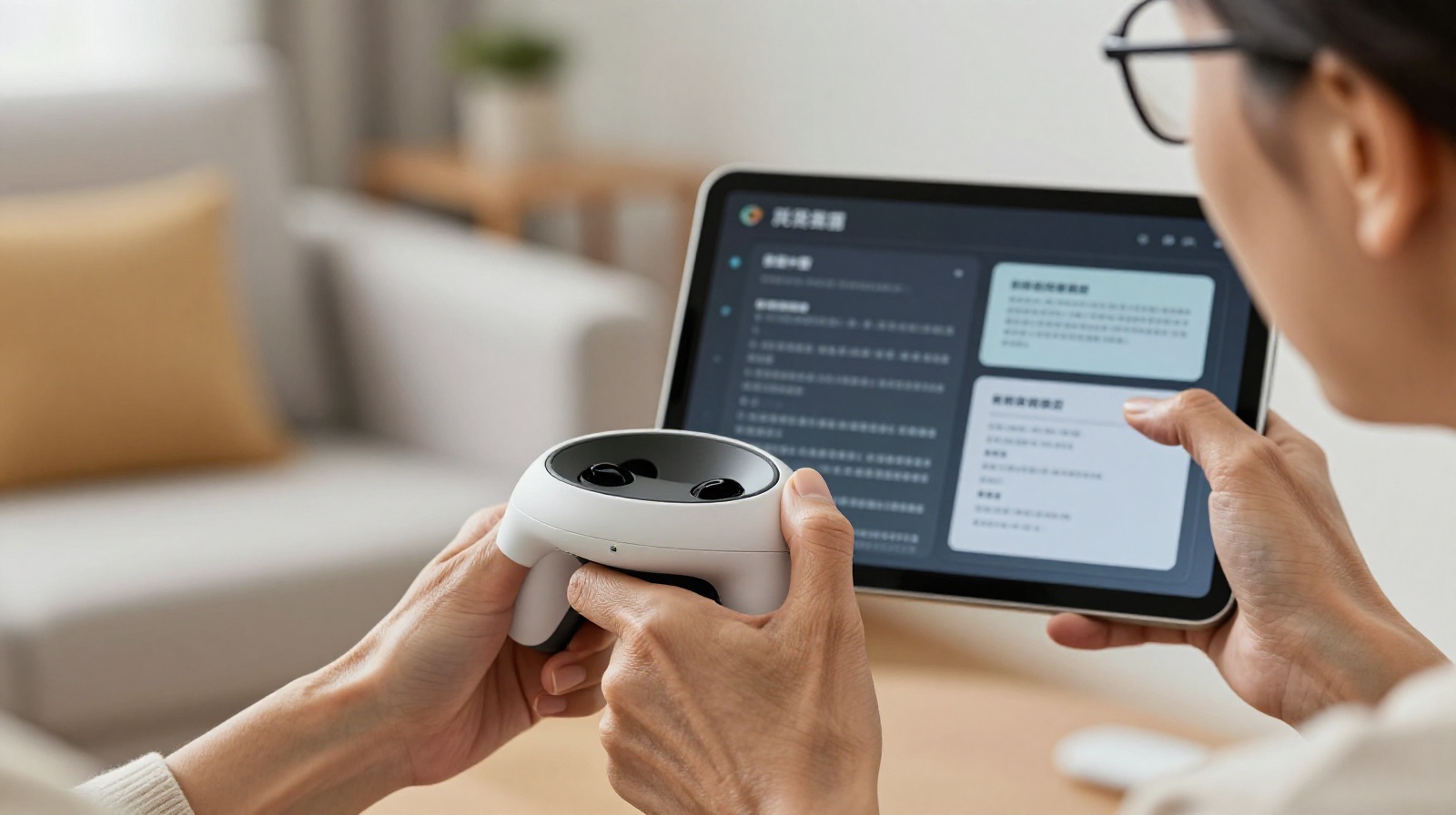
First, hardware costs have dropped significantly. Standalone VR headsets that don’t require a powerful PC are now affordable, often costing less than $300 USD. Second, Chinese tech giants like Pico and ByteDance have redesigned interfaces for older eyes. They use larger fonts, voice commands in clear Mandarin dialects, and simplified menus that resemble popular apps like WeChat.
“My daughter set it up,” says 68-year-old Zhang Wei from Shanghai. “It’s just like using a tablet. If I get lost, the voice guide helps me.”
Real Stories: Travel, Fitness, and Connection
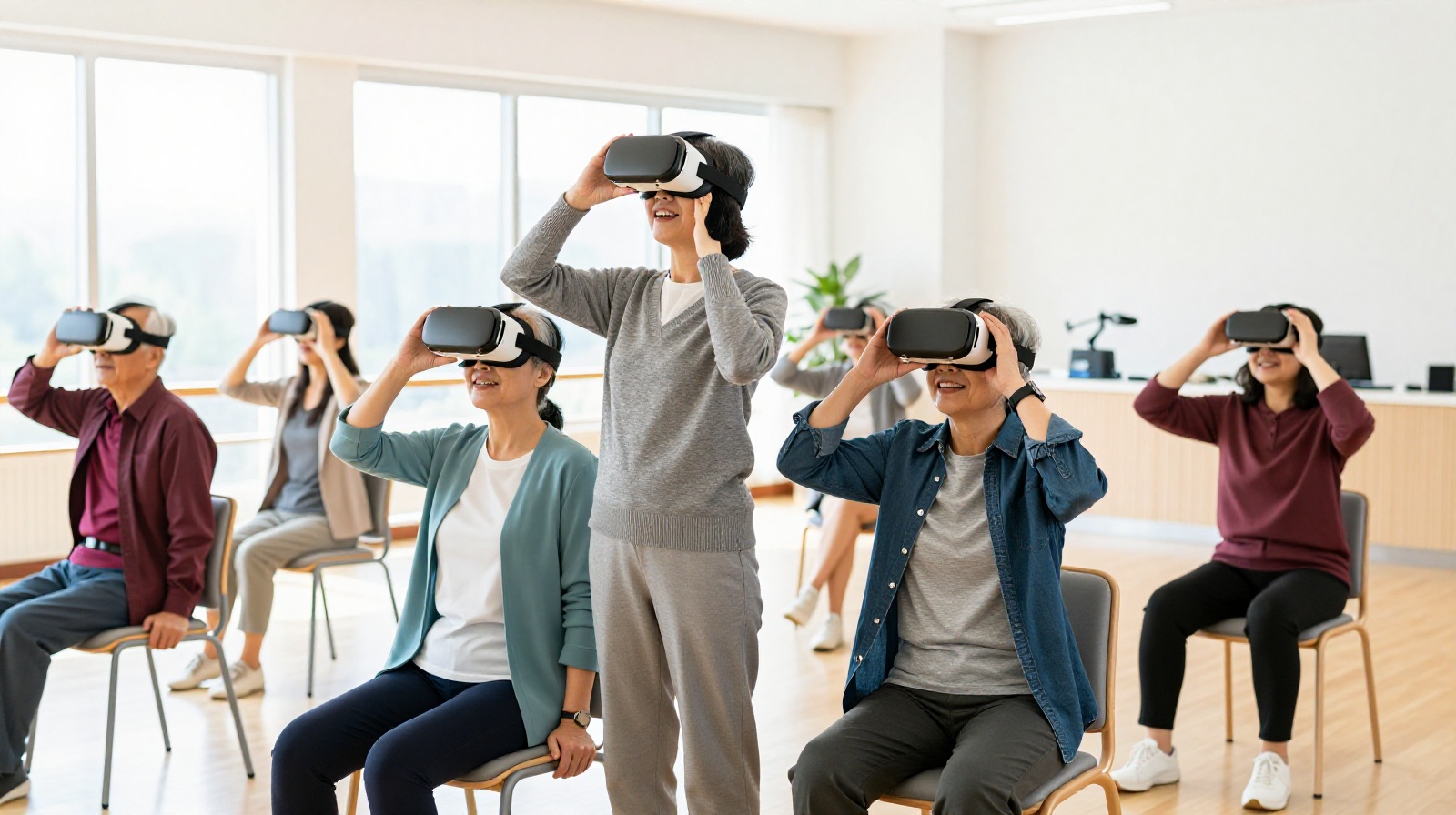
The applications are surprisingly diverse. In Beijing, a group of seniors uses VR for “virtual fitness.” They swing their arms to slice vegetables or dance to traditional music in a virtual garden, burning calories without the risk of falling.
In Suzhou, grandmothers use headsets to revisit places from their youth. One woman, who grew up in Harbin but now lives in the south, put on her headset and immediately recognized the snowy landscape of her childhood home. Tears welled up as she walked down the virtual streets where she once played.
But perhaps the most powerful use is social. In a small apartment in Shenzhen, 75-year-old Chen joined a weekly VR book club. She sat next to digital avatars of friends from across the country. They discussed novels, laughed at jokes, and felt less alone. “I see their faces,” Chen said. “It feels like they are really here.”
The Bigger Picture: Tech Inclusion for an Aging Nation
This trend reveals a crucial aspect of modern China: rapid technological inclusion for the elderly. Unlike in some Western countries where digital divides often leave seniors behind, Chinese communities and tech companies are actively bridging this gap.
Local governments have started funding “Digital Senior Centers” that offer free VR training. Tech companies see a massive market opportunity. There is no stigma attached to using these devices; instead, it is seen as a sign of staying young at heart.
A New Normal
The image of a grandma in a VR headset might seem futuristic, but for millions in China, it is everyday life. It represents a shift from exclusion to empowerment. Technology isn’t replacing human connection; it is extending it across distances and physical limitations.
As Liu Meiling put it: “I used to think the future was far away. Now, I can touch it with my hands.”