

The Golden Centerpiece
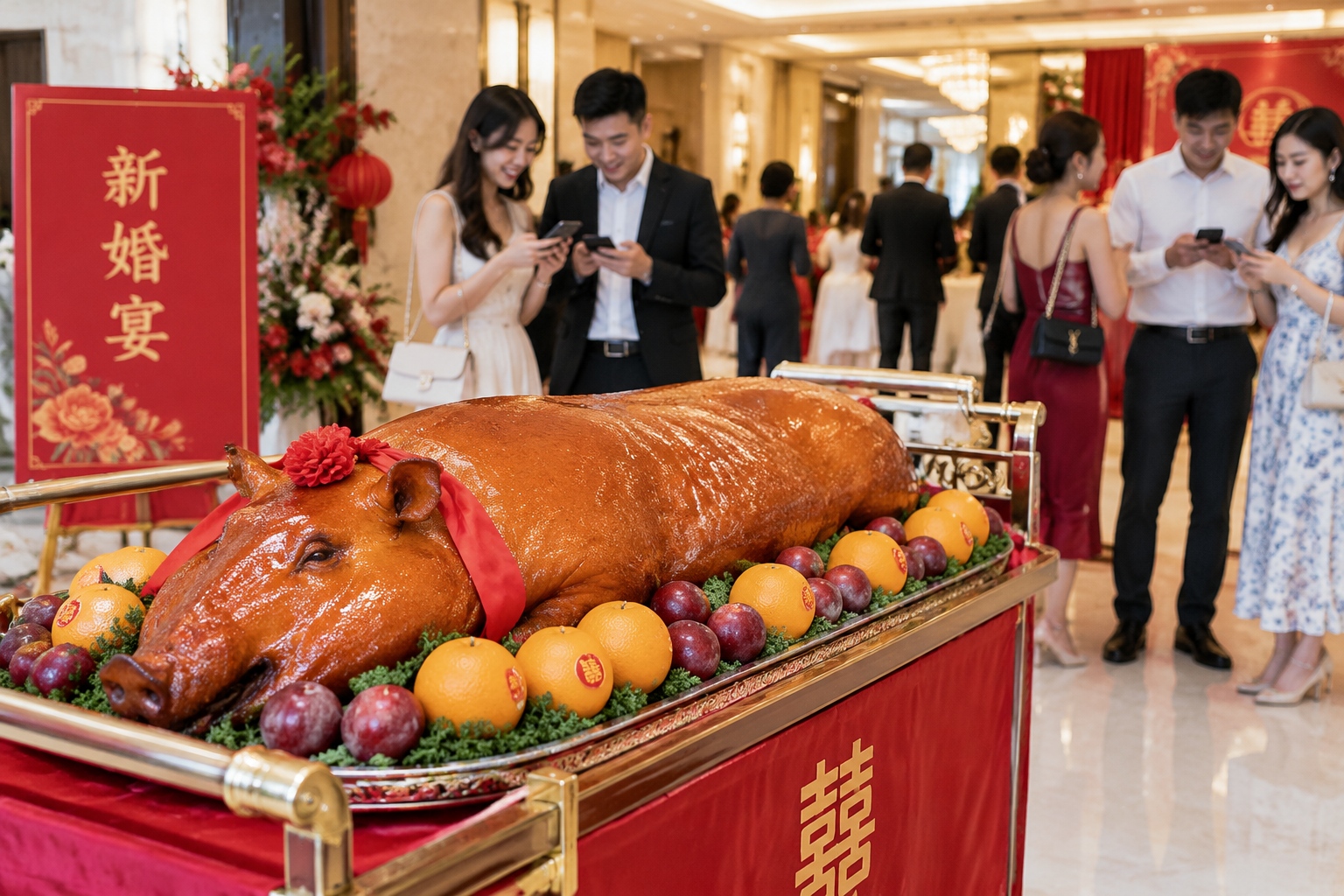
Walk into a wedding banquet hall in Guangzhou or Shenzhen, and the first thing you will likely notice is not the flowers or the speeches, but the elephant in the room: a whole roasted suckling pig, laid out on a trolley at the entrance. Its skin is lacquered to a deep, vibrant red, crackling with oil, and it is often presented alongside bright red plums and oranges—a visual shout of prosperity.
For decades, this dish, known as “zhu tou” (pig’s head), was non-negotiable in Cantonese weddings. It symbolized fertility, abundance, and the family’s ability to host a grand occasion. If the pig was missing, guests might whisper that the groom’s family was either stingy or facing financial trouble. The ritual was about more than food; it was a public declaration of social standing.
The Price of Tradition
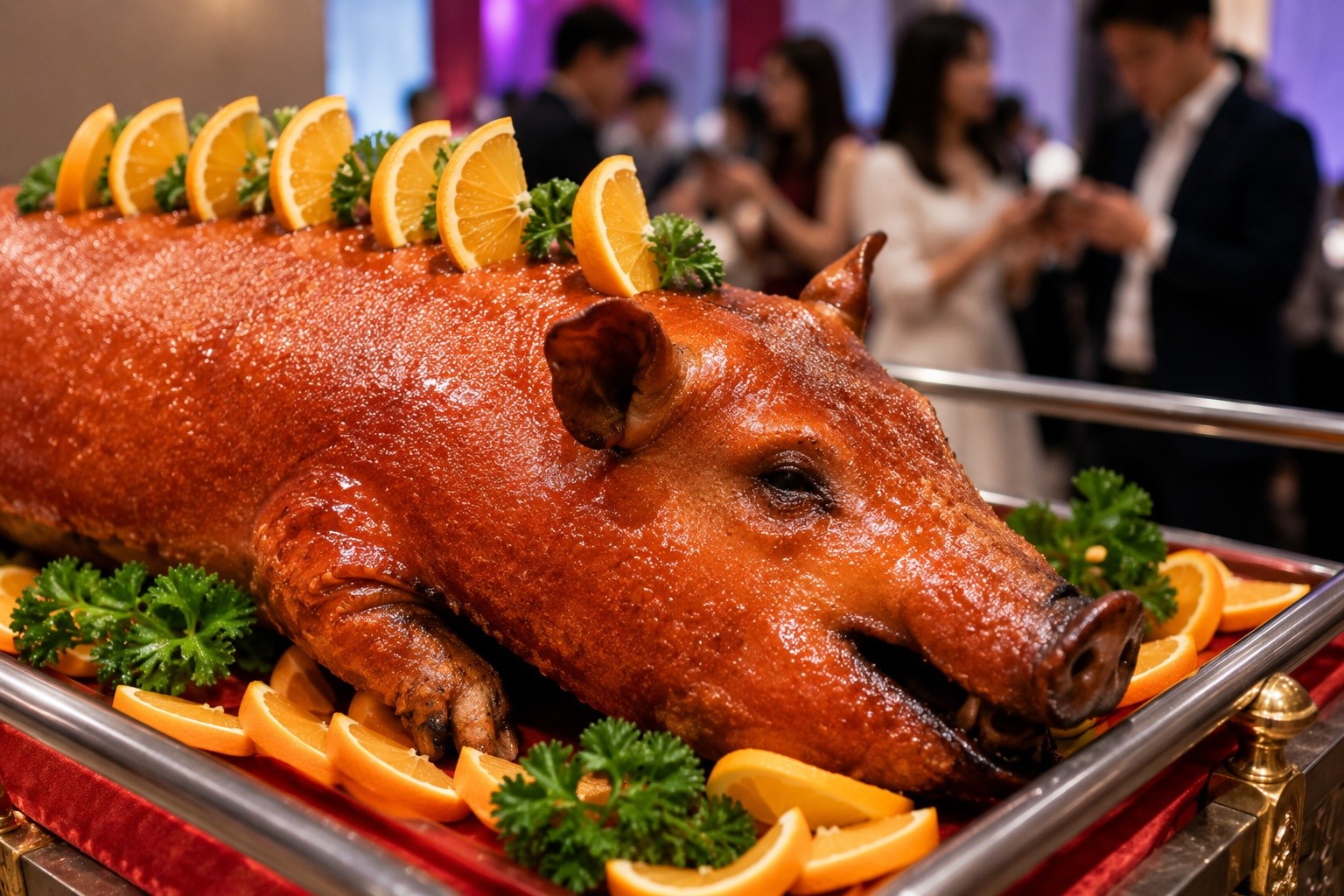
But today, the economics of marriage are shifting. A whole roasted suckling pig for a banquet can cost anywhere from 800 to 2,000 RMB ($110–$280), depending on quality and size. For young couples in tier-one cities, where housing prices can consume decades of income, this expense feels increasingly archaic.
“My parents wanted the full set,” says Lin, a 29-year-old software engineer in Hangzhou. “But my fiancée and I looked at the price tag for the pig, the abalone, and the sea cucumber, and we realized we could put that money toward our down payment.”
This is a common trade-off. The traditional banquet, once a tool for “face” (social prestige), is now being scrutinized for its cost-efficiency. Many young couples are opting for smaller banquets or replacing the most expensive traditional dishes with simpler, more practical alternatives. The shift reflects a broader trend of “rational consumption” among Chinese youth, who are prioritizing long-term stability over short-term display.
Health Over Heaviness
Beyond cost, there is a growing health consciousness reshaping the menu. Traditional Cantonese banquet dishes are often rich, oily, and heavy—designed to impress, not necessarily to suit modern dietary preferences. The roasted suckling pig, while delicious, is high in fat and calories.
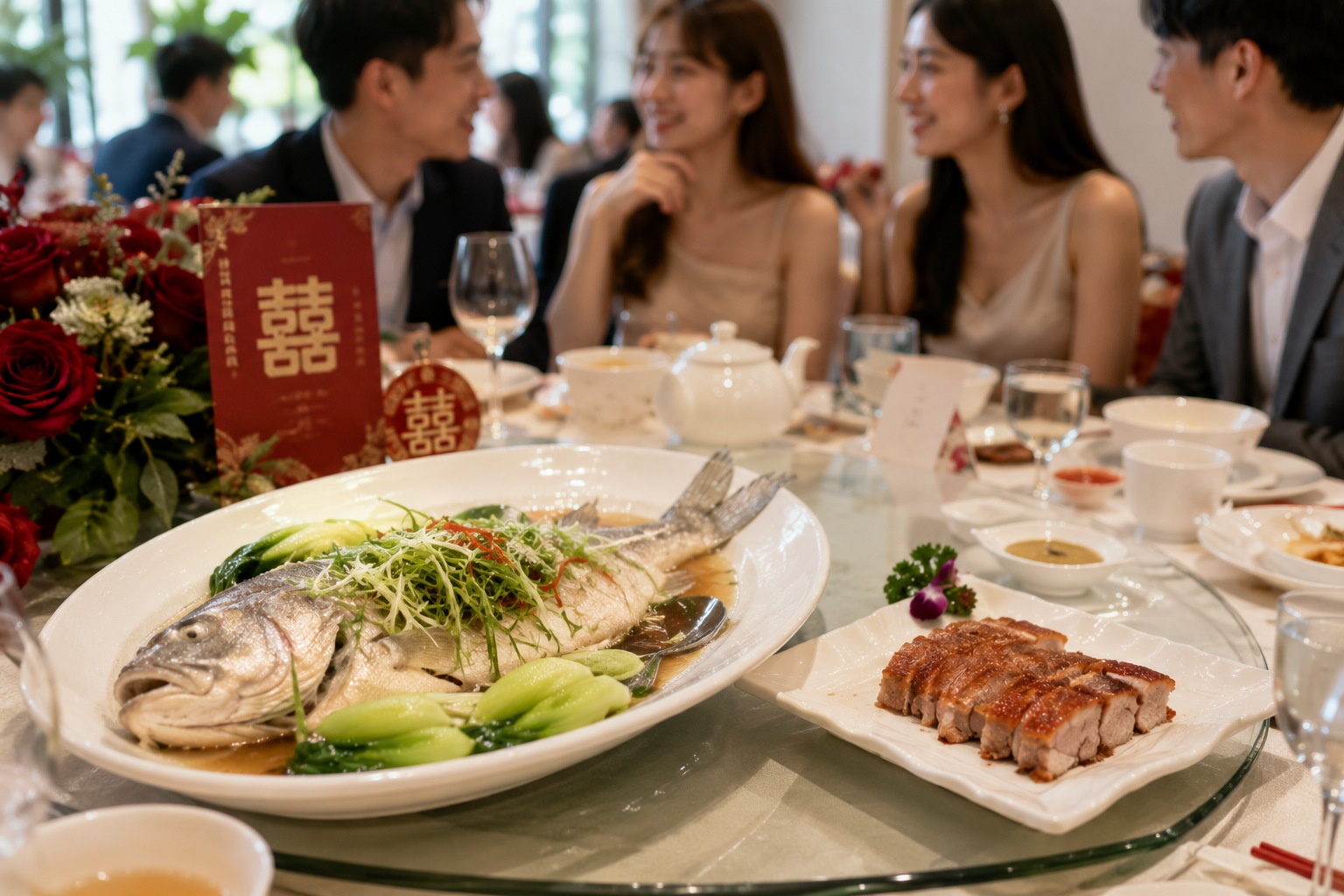
“When I was at university, we ate like this all the time,” says Mei, a 26-year-old marketing manager. “Now, my friends are into yoga, keto, and low-sugar diets. We don’t want to sit through a twelve-course meal that leaves us feeling sluggish.”
This has led to a noticeable change in banquet menus. Steamed fish, poached chicken, and vegetable dishes are taking center stage, while the greasy, heavy meats are being reduced in quantity or replaced with lighter proteins like shrimp or tofu. The roasted pig is still present in many venues, but it is no longer the sole focus. Some couples even opt for a “miniature” version—a single slice or a small portion—served alongside healthier options to cater to diverse guest needs.
From Community Display to Personal Celebration
The function of the wedding banquet itself is evolving. In the past, these events were community affairs, where families showcased their networks and status. Today, they are increasingly becoming personal celebrations for the couple.
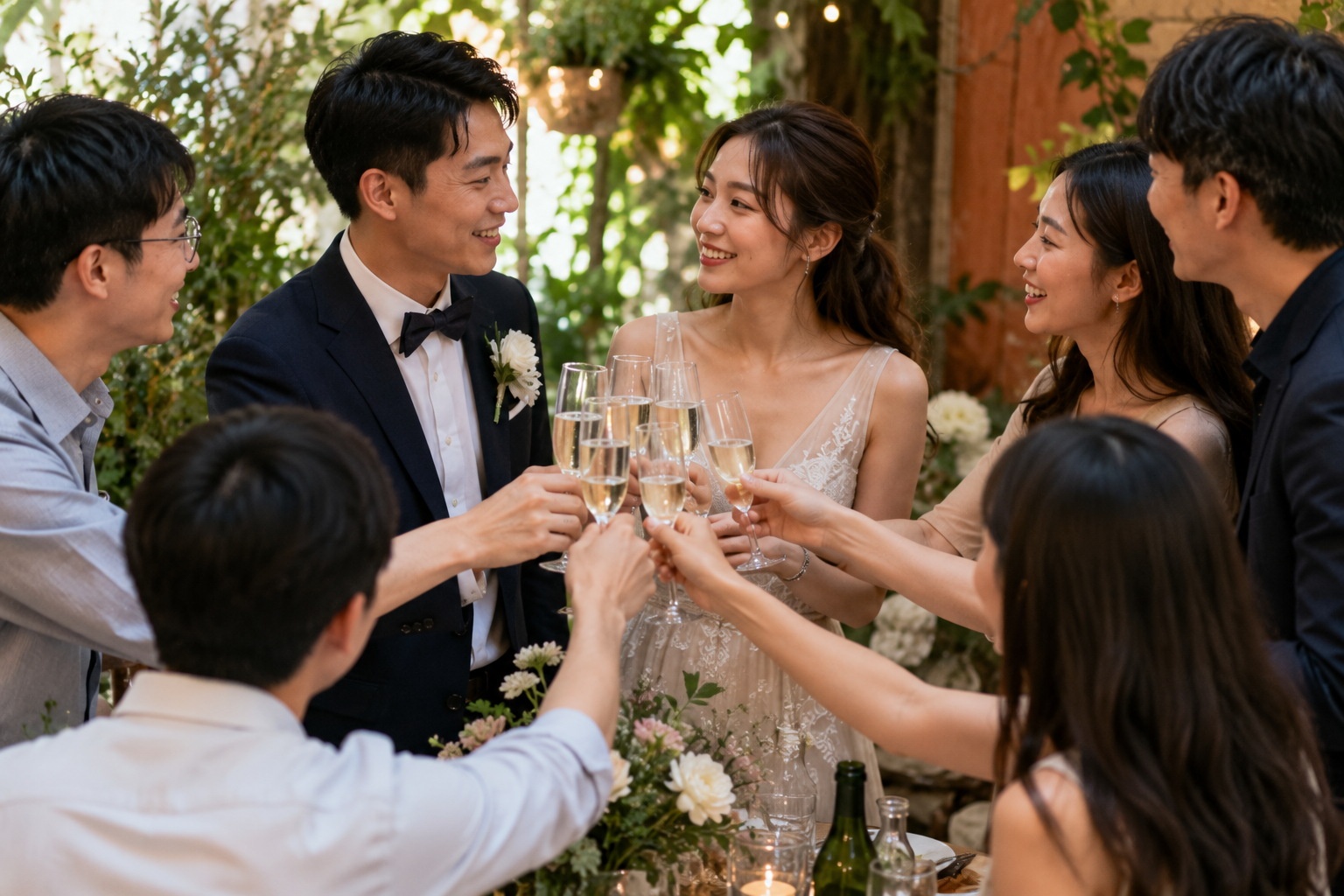
This shift is evident in the rise of “micro-weddings” or destination weddings, where couples invite only close friends and family to smaller, more intimate venues. In these settings, the grand roasted pig feels out of place. Instead, couples might choose buffet-style dining, cocktail receptions, or themed dinners that reflect their individual tastes rather than traditional expectations.
Even when traditional banquets are held, the pressure to conform has eased. Parents are more willing to accept simpler menus if it means their children are financially secure and happy. The rigid rules of the past are giving way to a more flexible, personalized approach.
A Window into Modern China
The changing role of the roasted suckling pig on the wedding table is a microcosm of broader changes in Chinese society. It reflects a move from collectivist traditions to individualistic choices, from showing off wealth to prioritizing practical security, and from heavy indulgence to health-conscious living.
For overseas observers, this shift offers a nuanced view of China’s social fabric. It is not a rejection of tradition, but an adaptation to it. Young Chinese are not abandoning their culture; they are redefining it to fit their modern realities. The wedding banquet, once a stage for societal performance, is becoming a space for personal expression—a testament to how deeply economic and social changes have reshaped even the most intimate rituals of daily life.
Start the discussion at forum.chinacomes.com