

The Kitchen at 6 PM: A Stage of Tension
The air in the apartment kitchen is thick with the scent of star anise and frying ginger. It is 6:00 PM on New Year’s Eve. In a high-rise in Chengdu, 32-year-old Li Wei stands by the stove, carefully placing braised pork belly into a clay pot. His mother, 60, hovers nearby with a ladle, not to help, but to supervise. “The fire is too high,” she says softly, adjusting the flame. “It will make the meat tough.”
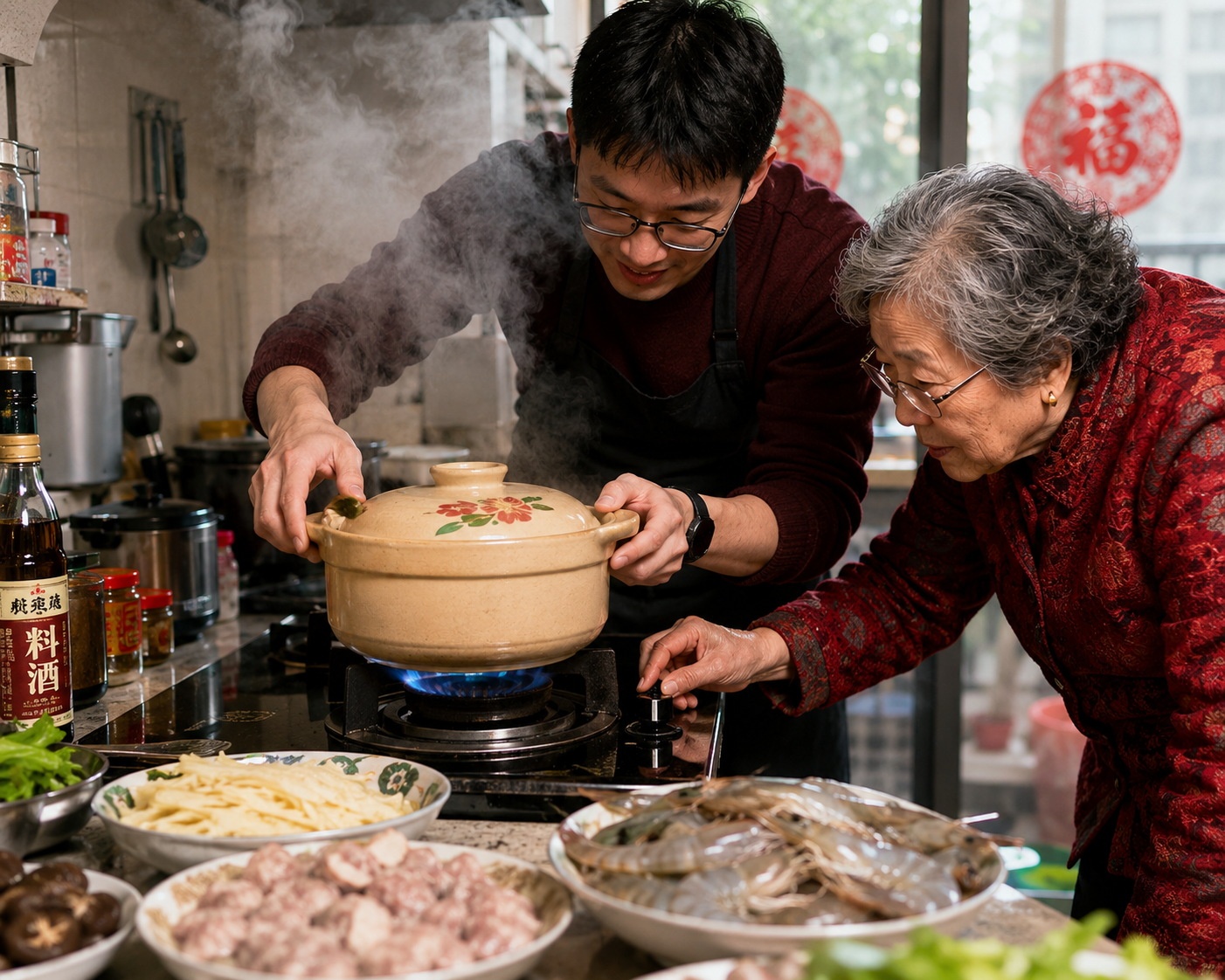
This scene is familiar to millions of Chinese households. The Lunar New Year dinner, or Nian Ye Fan, is no longer just about eating; it is a complex social performance. For decades, this meal was a rigid ritual where filial piety was demonstrated through obedience. Today, it has shifted. It is less about perfect execution and more about the shared effort to reconnect. The tension in the kitchen isn’t anger; it is the friction of two generations trying to find common ground in a rapidly changing society.
From Paper Envelopes to Digital Transfers
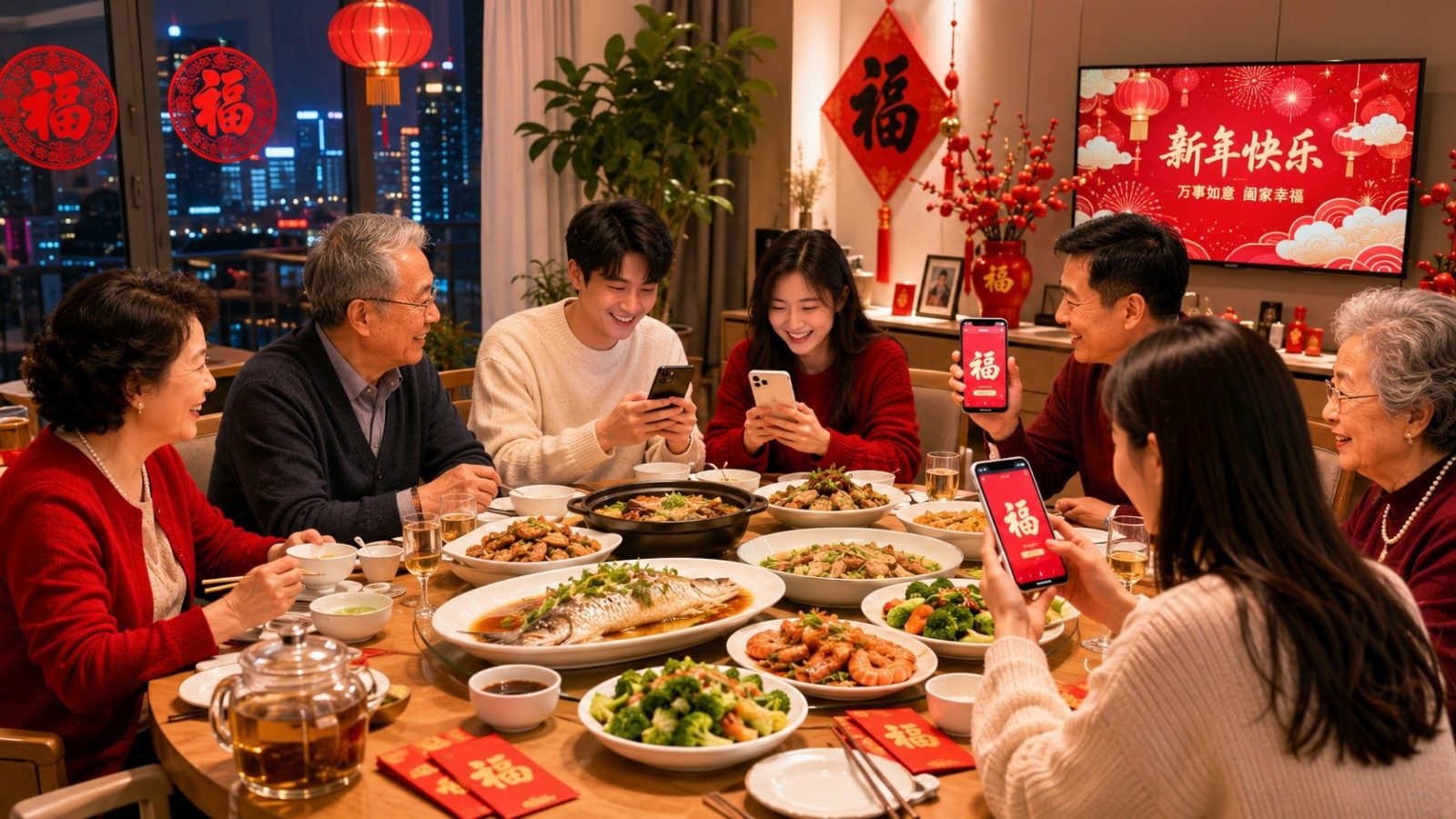
Outside the kitchen, the living room tells a different story. The traditional stack of red envelopes filled with cash is shrinking. In its place are smartphones. Li Wei’s cousin, studying in London, joins the family video call on a tablet. “Happy New Year,” she says, her face pixelated but smiling. She taps her screen, sending a digital red packet to the group chat.
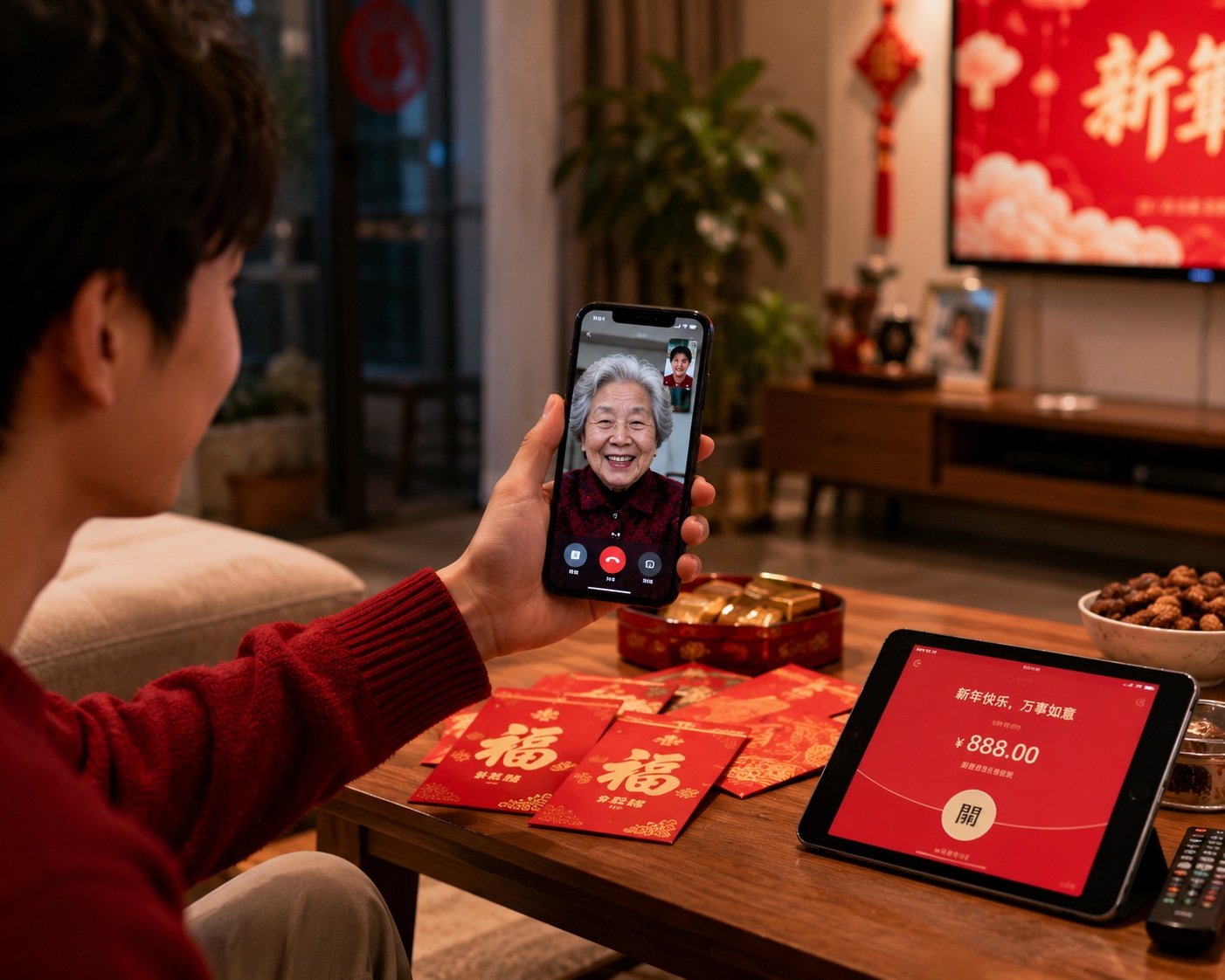
For overseas readers, this might seem like a loss of tradition. In reality, it is an adaptation. Digital red packets on platforms like WeChat have become a new form of social lubricant. They allow family members who cannot physically return home—often due to work pressures or geographic distance—to participate in the ritual. The money matters less than the notification sound that signals, “I am still here.” Technology, often criticized for creating distance, has ironically become the bridge that keeps the family unit intact during this critical holiday.
The Changing Menu: Health and Convenience
Back at the dinner table, the menu reflects broader social changes. Ten years ago, the spread would have been heavy on fatty meats and excessive portions, a sign of prosperity in times of scarcity. Today, Li Wei’s table features steamed sea bass with fresh ginger, a variety of leafy greens, and a clear broth. Health consciousness is driving the menu.
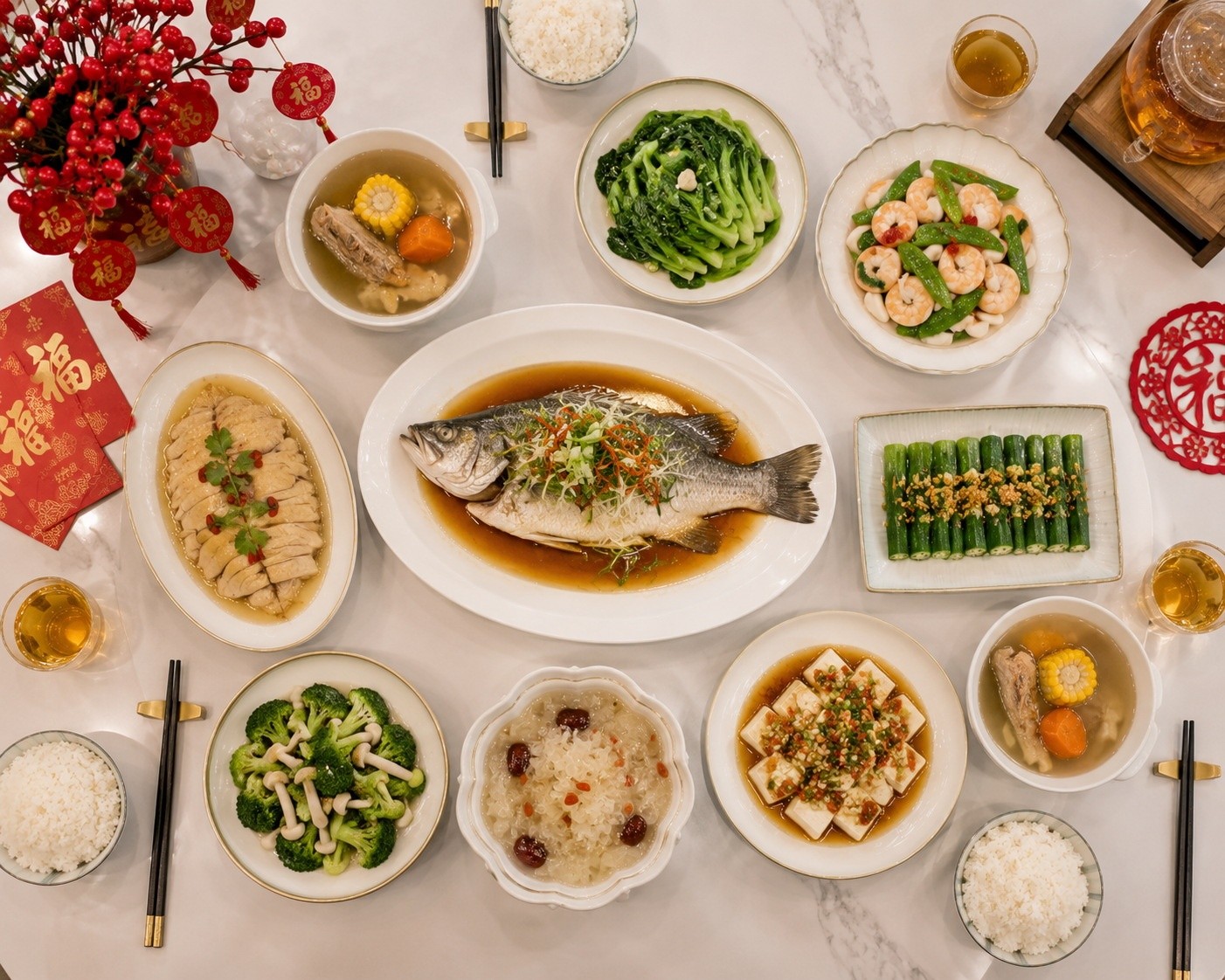
Moreover, the definition of “homemade” is shifting. Many young professionals now purchase prepared dishes from high-end supermarkets or hire chefs for a few hours to cook the main courses. This outsourcing is not laziness; it is a pragmatic response to time poverty. The goal remains the same: the collective meal. But the burden of labor has been redistributed, allowing more time for conversation rather than scrubbing pots. The food is still symbolic, but the process of making it has been modernized.
Breaking the Mold: Travel Instead of Return
Not every family is gathered in one apartment. A growing trend among Chinese youth is “reverse travel” or taking parents on a trip instead of returning to their rural hometowns. Li Wei’s neighbor, the Chen family, booked a hotel in Sanya for their New Year’s Eve. They skipped the chaotic train station rush and the pressure of maintaining household order.

This shift challenges the traditional Confucian ideal of “returning home.” For many, the journey back is exhausting and stressful. By choosing a hotel dinner or a local restaurant in a tourist city, families are prioritizing relaxation and quality time over obligation. It is a quiet rebellion against the “must-do” nature of the holiday, reflecting a broader social change where individual well-being is beginning to outweigh strict traditional expectations.
Quiet Conversations: Beyond the Small Talk
As the night deepens, the noise of the city outside fades. The TV plays the annual New Year Gala in the background, but few are watching it intently. The real program is the conversation at the table. The topics have shifted. In the past, questions about marriage and salary were interrogations. Now, they are often gentle inquiries, or deliberately avoided to keep the peace.
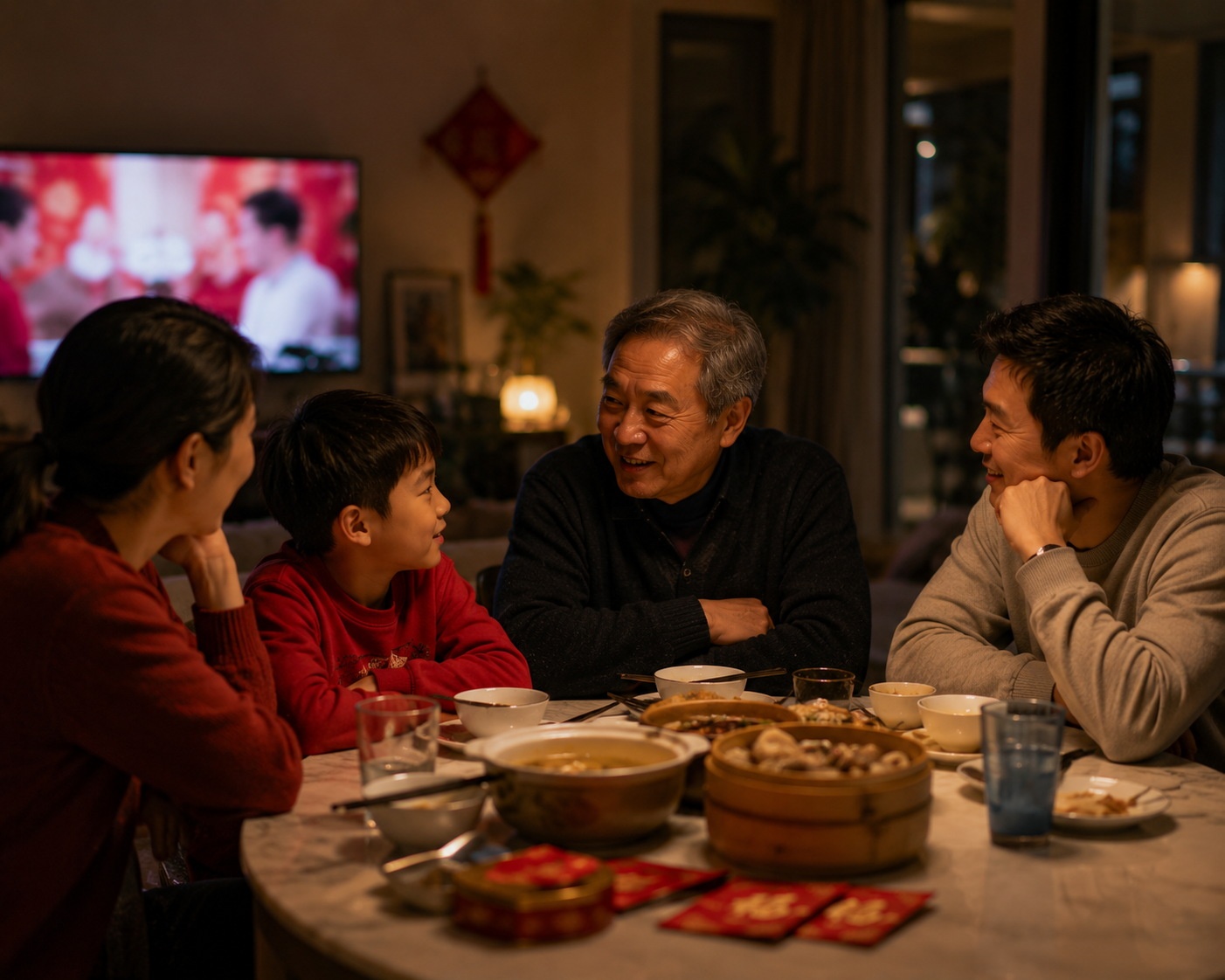
Instead, families talk about travel plans, new technologies, or the simple exhaustion of work life. The Nian Ye Fan has become a safe harbor. It is a moment where the competitive pressure of modern Chinese society pauses, even for a few hours. The dinner is no longer a test of status or wealth. It is a reminder that despite the digital distractions and geographic distances, there is still a need to sit together, break bread, and acknowledge each other’s presence.
In the end, the Chinese New Year is not about preserving the past in amber. It is about how a family negotiates its identity in the present. The fireworks are loud, but the real magic lies in the quiet clinking of chopsticks and the digital ping of a red packet that says, “I love you. I am here.”