


The New Travel Metric: Ping Time Over Scenery
At 9:30 AM on a Tuesday in Dali, Yunnan province, the air is crisp and smells of pine and damp earth. Lin, a 28-year-old frontend developer from Shenzhen, sits in a renovated courtyard cafe. Instead of sketching postcards or taking selfies with Erhai Lake in the background, he is staring at his laptop screen, watching a speed test bar fill up. “120 Mbps down, 45 Mbps up,” he mutters, satisfied. He takes a sip of his oat milk latte and opens his video conferencing app. The connection holds.
This is the new reality of travel for China’s growing cohort of “digital nomads.” For traditional tourists, a destination is chosen based on landmarks, weather, or budget. For this new group, the deciding factor is often simpler: is the Wi-Fi strong enough to run my job?
The boundary between work and leisure is dissolving. With the normalization of remote work, especially after the pandemic, a new type of traveler has emerged. They are not backpackers sleeping in hostels for the sake of adventure; they are professionals who need a reliable infrastructure to maintain their careers while exploring the country. Their itinerary is plotted not just on maps, but on network coverage charts.
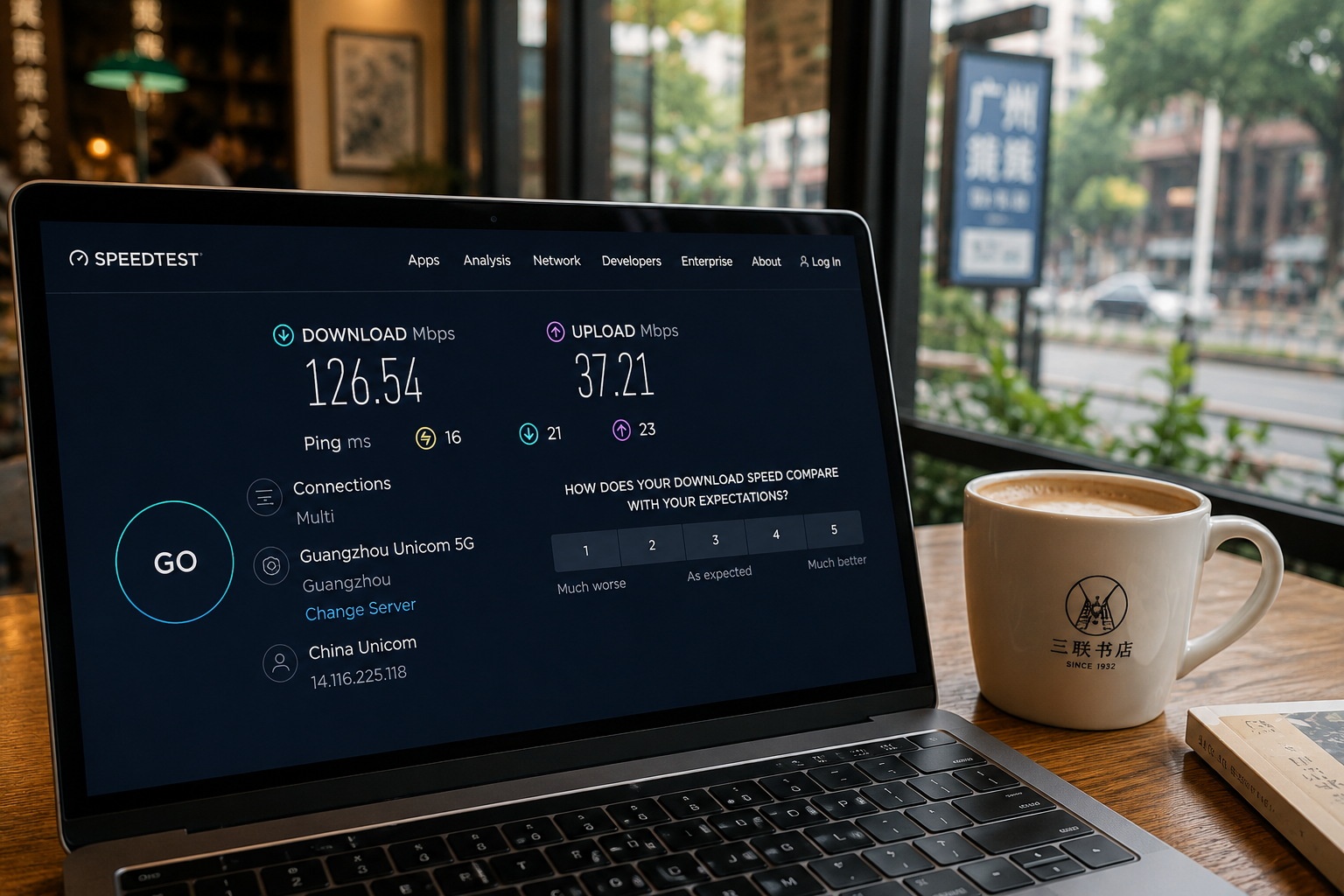
Why Connectivity Is the New Luxury
In the past, a hotel’s star rating determined its quality. Today, for a remote worker, the “star rating” is measured in bandwidth and latency. A scenic view is useless if the Zoom call freezes every thirty seconds. The rise of digital nomad tourism highlights a shift in consumer values: convenience and stability are now luxury goods.
This demand has forced a rapid evolution in China’s local tourism industry. Historically, rural or minority areas in provinces like Yunnan, Guizhou, and Sichuan were praised for their untouched beauty but criticized for poor infrastructure. Now, that is changing. Local governments and private investors are recognizing that attracting remote workers brings steady, high-value revenue.
Take Dali, often called the “capital” of China’s digital nomad community. What was once a quiet tourist stop for backpackers has transformed. You will now find co-working spaces in ancient town alleys, cafes with dedicated power outlets at every seat, and community managers who organize networking events. It’s not just about escaping the rat race of Beijing or Shanghai; it’s about finding a place where you can work efficiently while enjoying a lower cost of living.
Where to Go: The Map for Remote Workers
So, which Chinese cities are truly ready for this lifestyle? The answer goes beyond the megacities. While Beijing and Shanghai offer world-class internet, their high cost of living and fast pace make them less ideal for long-term stays. Digital nomads are increasingly looking at “second-tier” or even “third-tier” cities that offer a balance of infrastructure and livability.
- Dali & Lijiang, Yunnan: The pioneers. Dali has the largest established community, with a well-developed ecosystem of nomad-friendly cafes and spaces. Lijiang is catching up, offering stunning landscapes and improving connectivity.
- Anji, Zhejiang: Known as the “bamboo sea,” Anji is close to Hangzhou (home to Alibaba). It offers high-speed rail access and a quiet, nature-focused environment, attracting tech workers from the Yangtze River Delta.
- Quanzhou & Xiamen, Fujian: Quanzhou, a UNESCO World Heritage site, has lower rents than Xiamen and excellent 5G coverage. It offers a rich cultural backdrop for those who want to blend history with remote work.
- Chengdu, Sichuan: The capital of leisure. Chengdu has a vibrant food scene, a strong startup culture, and reliable internet. It’s a hub for creatives and tech professionals who want urban amenities without the extreme pressure of Shenzhen.
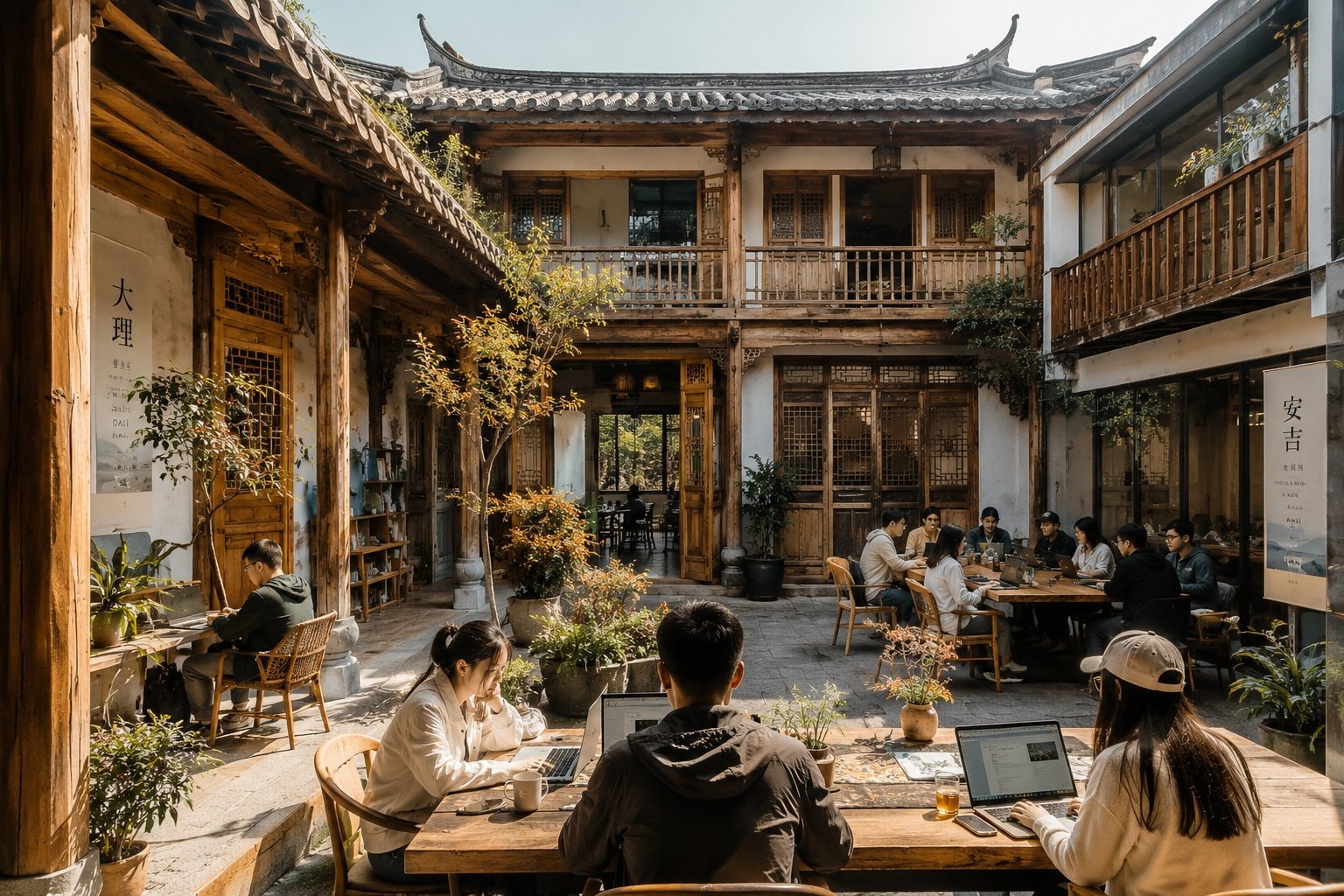
More Than Just a Laptop: The Social Impact
The influx of digital nomads is reshaping local communities in ways that go beyond economics. In places like Dali, you’ll see a blending of cultures. Local residents interact with remote workers from Europe, Southeast Asia, and other parts of China. This cross-pollination brings new ideas, but it also creates friction.
There are concerns about gentrification. As demand for long-term rentals rises, local prices can increase, pushing out original residents. However, many nomads are careful to engage with the community. They volunteer, support local businesses, and participate in cultural activities. The goal is not just to extract value, but to co-create a sustainable lifestyle.
This lifestyle is also influencing how Chinese youth view “success.” For decades, the ideal path was clear: graduate, get a job in a big city, buy a house, climb the corporate ladder. Now, a growing number of young people are questioning this script. They value flexibility, health, and experiences over traditional markers of status. Digital nomadism is one expression of this broader social shift.
The Future: Tourism Adapts to the Remote Worker
As remote work becomes permanent for many, the tourism industry is adapting. We are seeing a rise in “workation” packages—hotels and resorts that offer high-speed internet guarantees, ergonomic workstations, and community events. Travel agencies are starting to create itineraries based on “connectivity zones” rather than just tourist attractions.
China’s extensive 5G infrastructure plays a crucial role here. With one of the largest 5G networks in the world, China can support high-bandwidth activities like video editing, coding, and online gaming even in remote areas. This technological advantage allows digital nomads to access places that were previously inaccessible to modern workers.
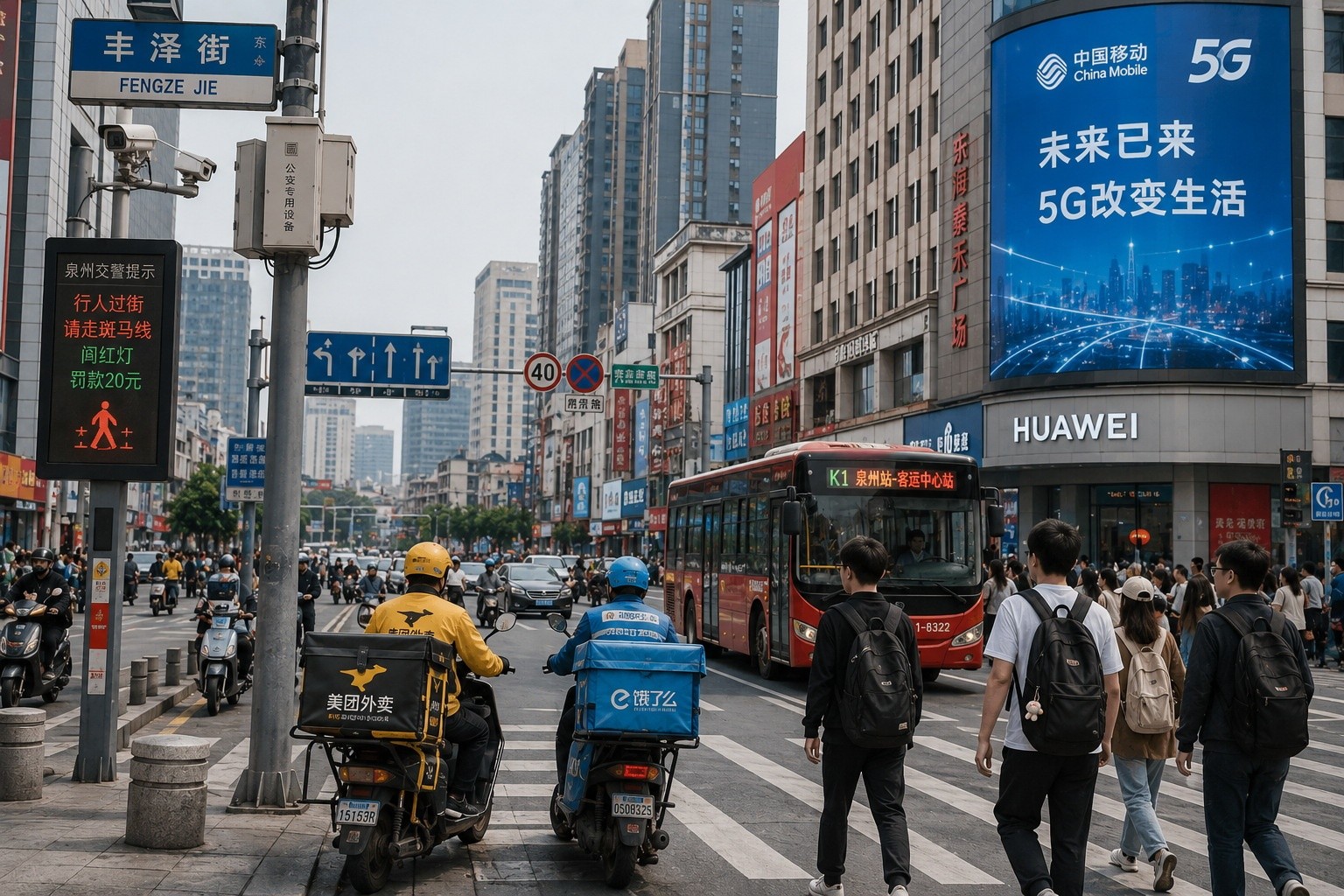
A New Way of Being
Digital nomad tourism is not just a trend; it’s a reflection of how technology is reshaping our relationship with space and time. For these travelers, the world is no longer divided by borders, but by bandwidth. They are proving that you can be deeply connected to your work while being physically present in a new place.
As Lin finishes his morning session, he closes his laptop. The speed test was successful, his tasks are done, and the sun is now hitting the lake outside. He picks up his camera—not for work, but for himself. For the first time in years, he feels like he is truly on vacation, without the guilt of being “offline.” This is the promise of digital nomad tourism: the freedom to work anywhere, and the peace to live well.