

The Silence Before the Storm
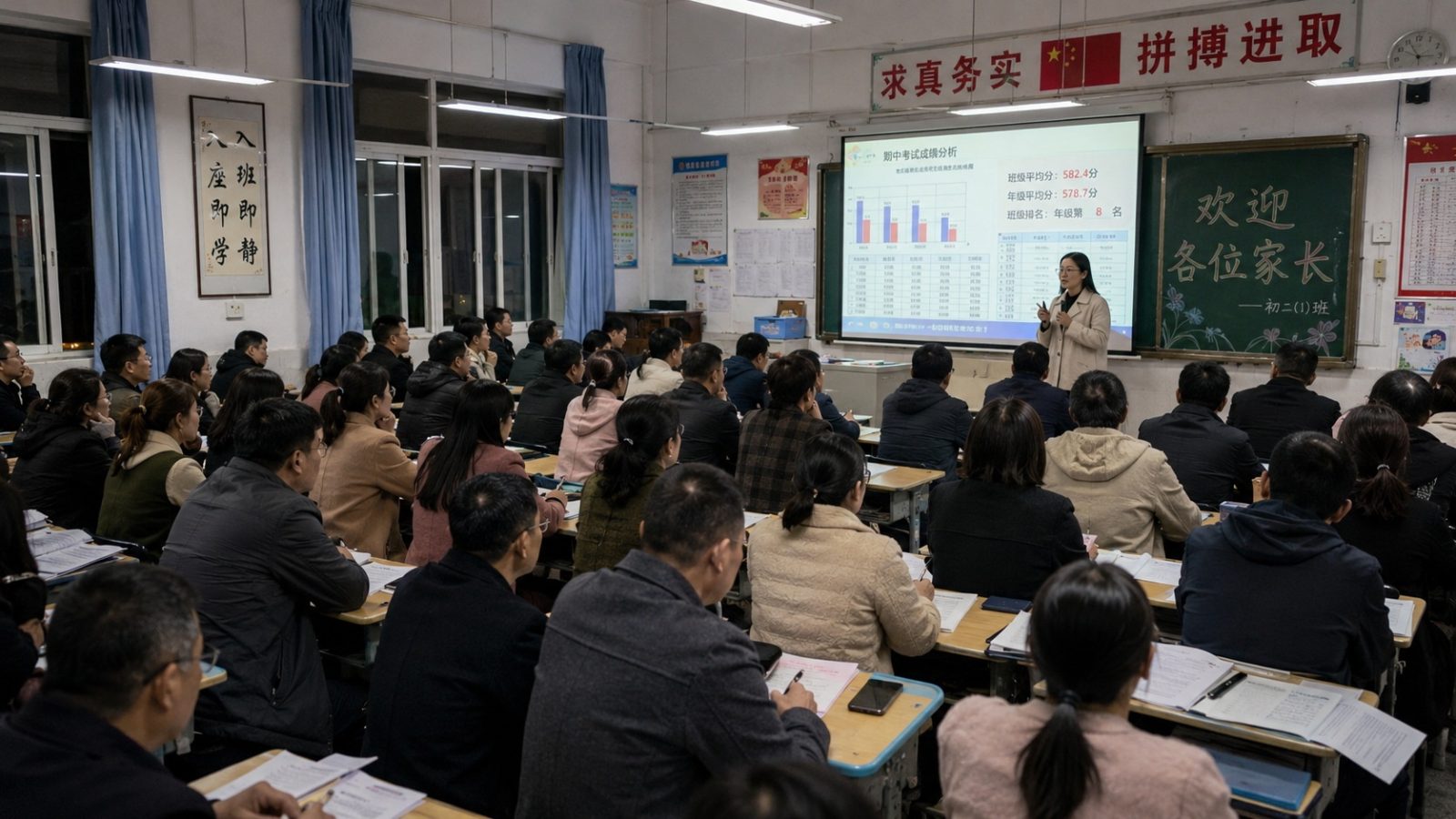
It was 7:45 PM on a Tuesday in November. The classroom in a public middle school in Hangzhou smelled of whiteboard markers and damp winter coats. There were no parents lounging on sofas, chatting idly as is common in some Western schools. Instead, the room was packed with about forty adults sitting rigidly on small student chairs. The air was thick with a specific kind of tension—the silence of people trying very hard not to look at their phones.
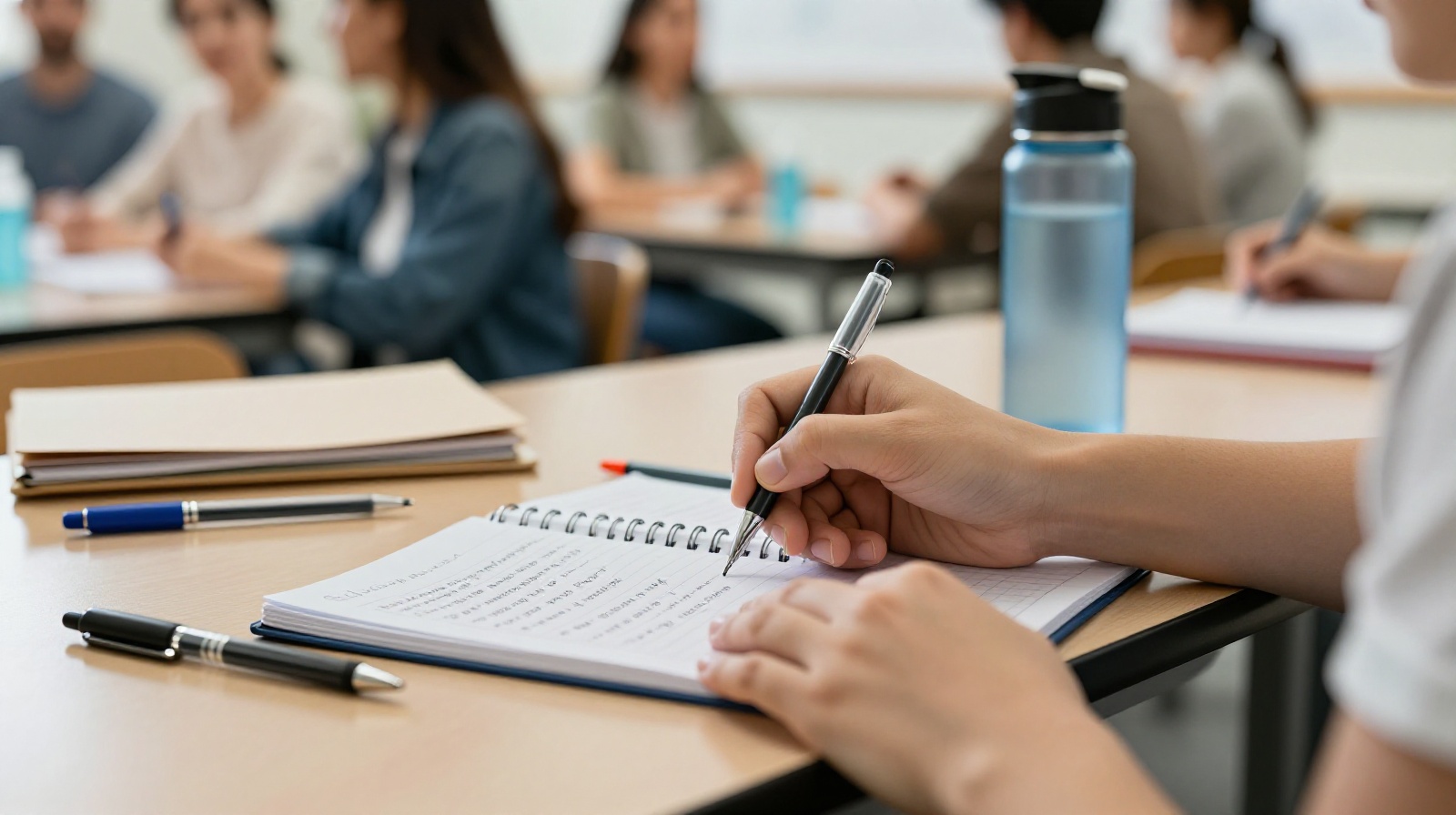
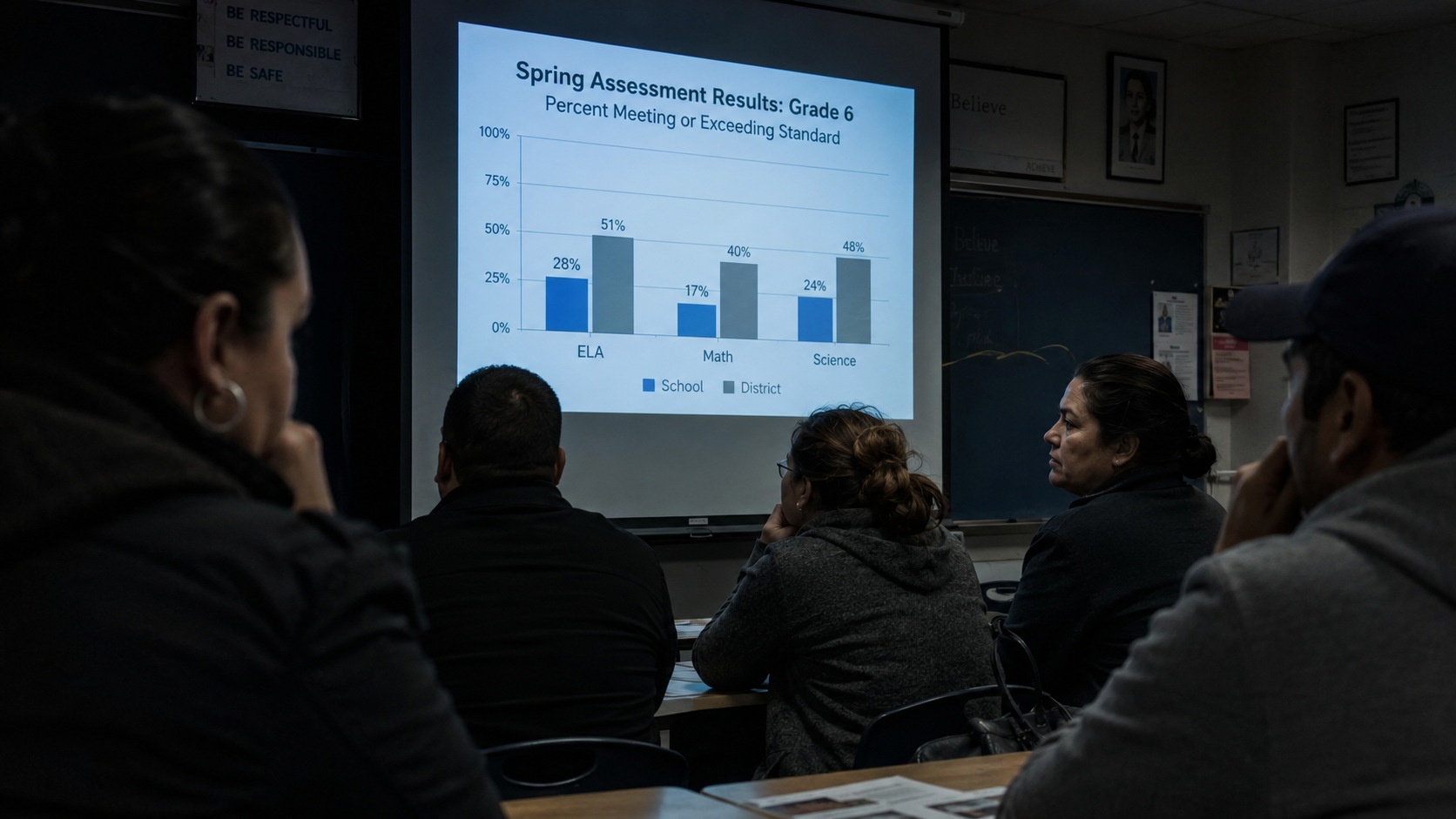
I sat behind Mr. Li and Mrs. Chen, a couple who had traveled an hour each way from the suburbs. Mrs. Chen’s notebook was already half-filled with dense, handwritten notes. When the physics teacher, Ms. Wang, entered, she didn’t smile. She walked straight to the podium, tapped a remote, and the projector screen lit up with a bar chart showing the class’s average scores compared to the city-wide benchmark. The room grew colder.
Deconstructing the “Tiger Mom” Myth
In Western media, the “Tiger Mom” is often portrayed as an authoritarian figure who demands perfection through fear. But sitting in that room, the reality felt more like collective anxiety than individual tyranny. Ms. Wang’s tone was not cruel; it was urgent. She spoke of “sorting”—a term every Chinese parent dreads.
“The High School Entrance Examination (Zhongkao) is a 50-50 split,” she stated matter-of-factly. “Half of the students will go to vocational schools. The other half goes to academic high schools, which are the only real path to university.”
She didn’t need to raise her voice. The message landed with the weight of a physical blow. For many parents in that room, the fear wasn’t that their child was lazy; it was that the system offers a rigid funnel. If your child falls into the bottom 50%, the perceived gap in social mobility is vast and difficult to bridge.
The Economics of Education
After the official presentation, the atmosphere shifted from passive listening to frantic negotiation. Parents crowded around Ms. Wang’s desk. This wasn’t just about grades; it was about strategy.
“Teacher, Li Ming’s math is good, but his English is lagging by 15 points,” Mr. Li said, his voice tight. “Should we hire a tutor? Is it worth the money?”
The teacher’s advice was pragmatic, almost economic. “Private tutoring is expensive and time-consuming. Focus on classroom efficiency. If he can’t keep up in class, no amount of extra hours will help.”
This interaction highlights the core of the Chinese educational landscape: it is resource-intensive. Parents are not just paying for knowledge; they are buying insurance against uncertainty. The scarcity of spots in top-tier high schools in cities like Hangzhou, Beijing, or Shanghai creates a zero-sum game mindset. Every point lost is seen as a step away from security.
The Weight of Expectations
During the break, I spoke with Mrs. Chen while she packed her bag. She looked exhausted. Her son, a third-grader in junior high, had scored 88 out of 100 in physics. In many countries, this would be considered a solid B+.
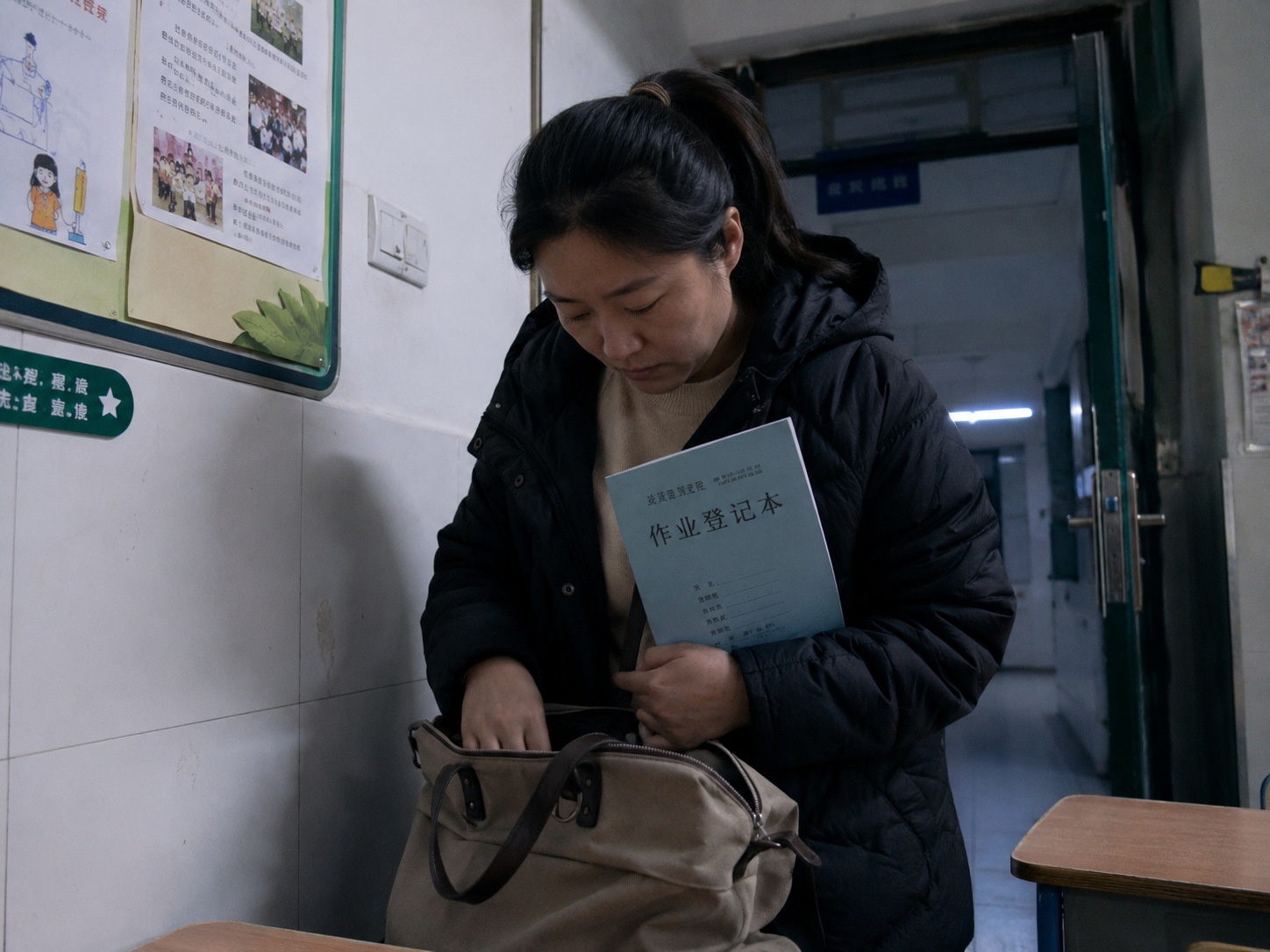
“He is not failing,” she told me, her voice trembling slightly. “But if he doesn’t get into the top three high schools in our district, he won’t get into a good university. And if he doesn’t get into a good university, how will he survive? The job market is too hard.”
Her words cut through the stereotype. This wasn’t about vanity or forcing a child into a mold. It was a genuine, terrifying calculation of risk. In a society with a strong cultural emphasis on education as the primary ladder of mobility, parents feel they are standing on the edge of a cliff, holding their children’s hands.
Love and Pressure: Two Sides of the Same Coin
The “Tiger Mom” label often strips parents of their humanity, reducing them to caricatures. But in that Hangzhou classroom, I saw love expressed through worry. The parents weren’t trying to crush their children; they were trying to arm them for a battlefield they didn’t create but had to navigate.
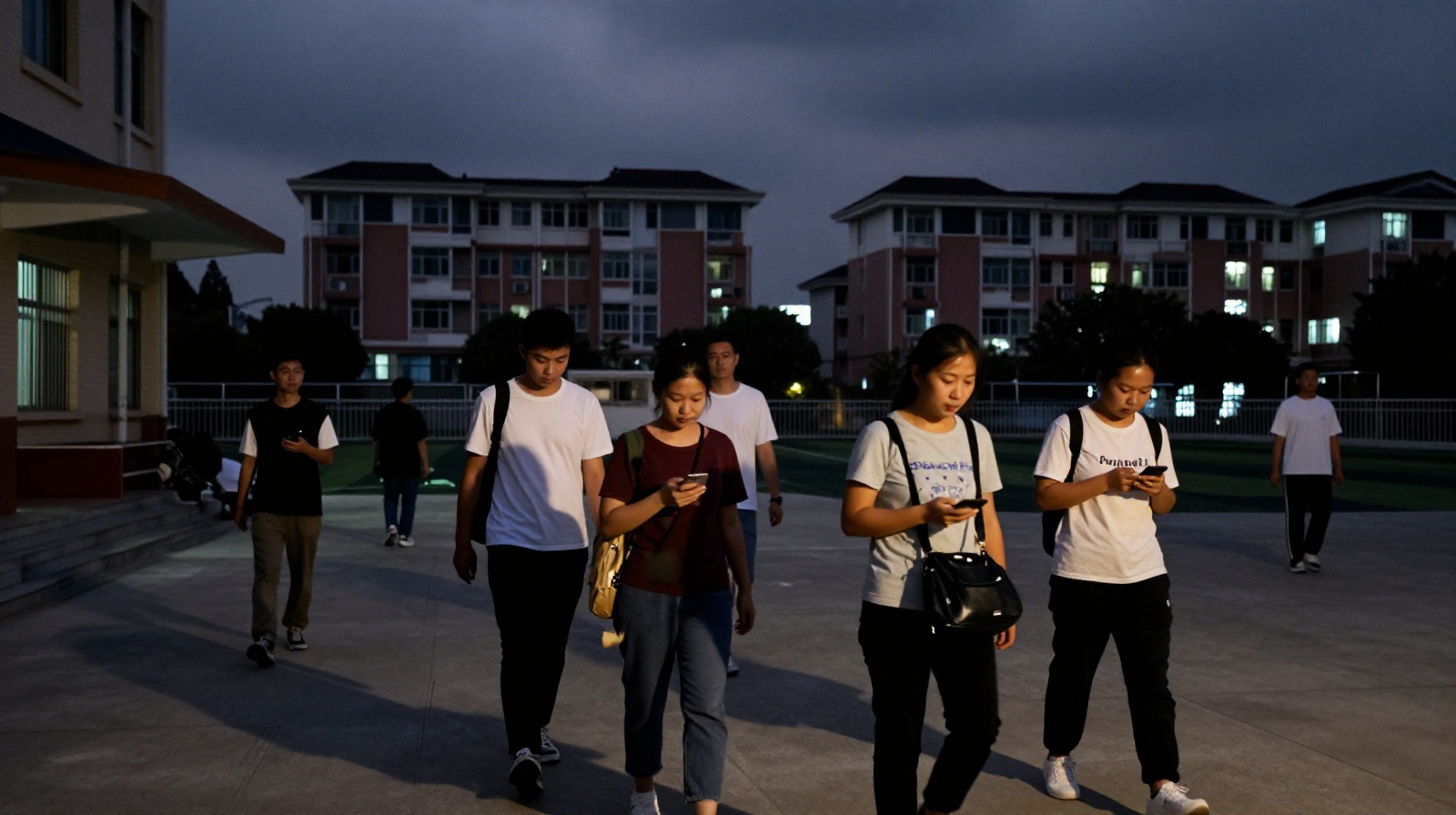
As the meeting ended, the parents stood up, stretching their stiff backs. They packed up their notebooks, checked their children’s homework diaries one last time, and headed out into the cold night. There was no celebration, only the quiet determination of people who know the race is far from over.
Understanding this requires looking beyond the label. The pressure Chinese parents exert is not a cultural quirk; it is a rational response to a highly competitive educational ecosystem. It is a story of resilience, fear, and an unwavering belief that education is the only way forward for the next generation.