
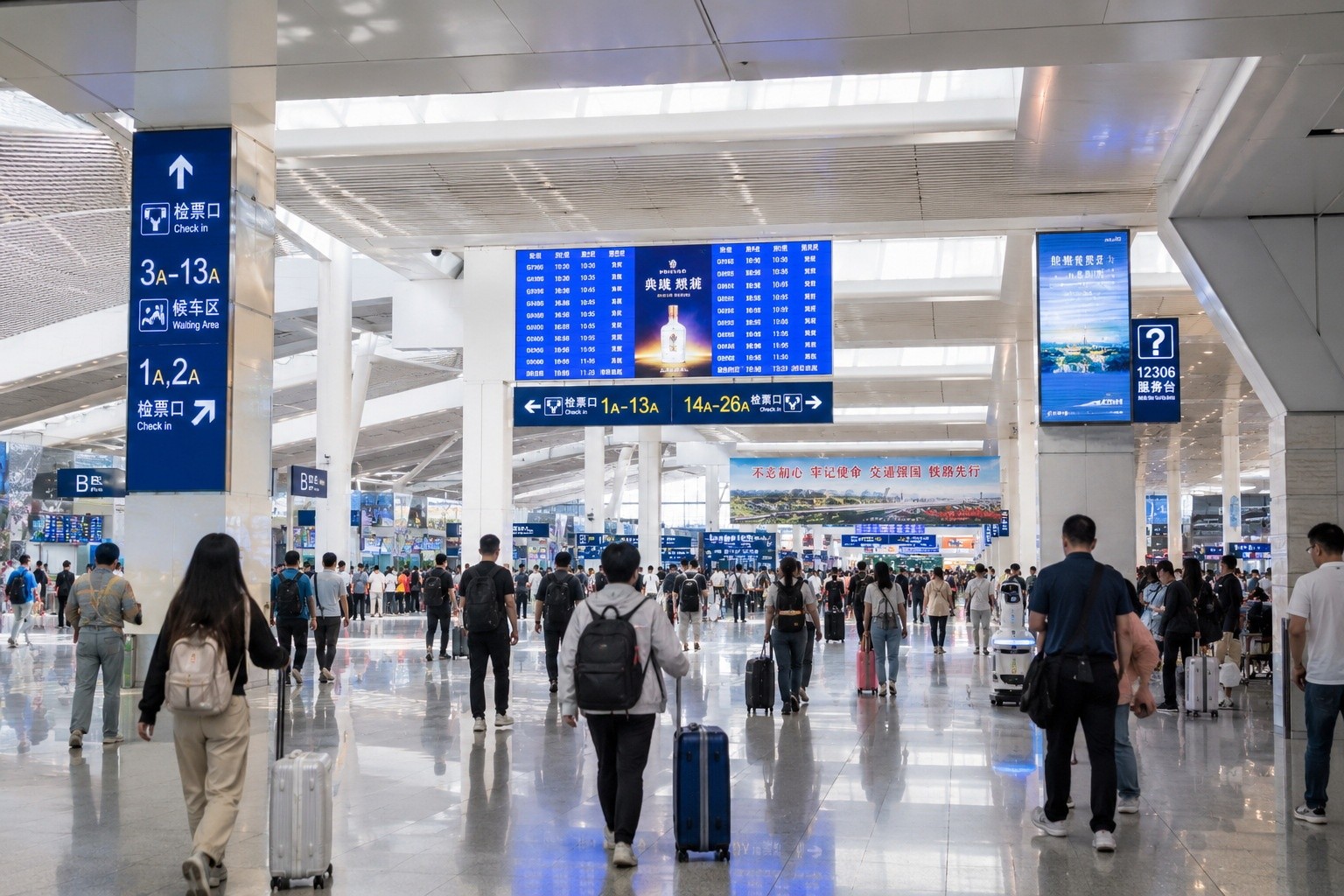

From Headlines to High-Speed Rail
If you ask a foreigner what “national unity” sounds like, they might imagine marching armies or political speeches. But in China, it sounds like the *click* of a phone screen confirming a delivery, or the smooth swipe of a card at a train station.
For ordinary people, this concept isn’t abstract. It is the seamless flow of goods, services, and people across a continent-sized country. It means that the digital and logistical systems binding Shanghai’s skyscrapers also reach remote villages in Yunnan. Let’s look at how this “unified market” actually feels on the ground.

Why Your Delivery is Faster: The Logistics Revolution
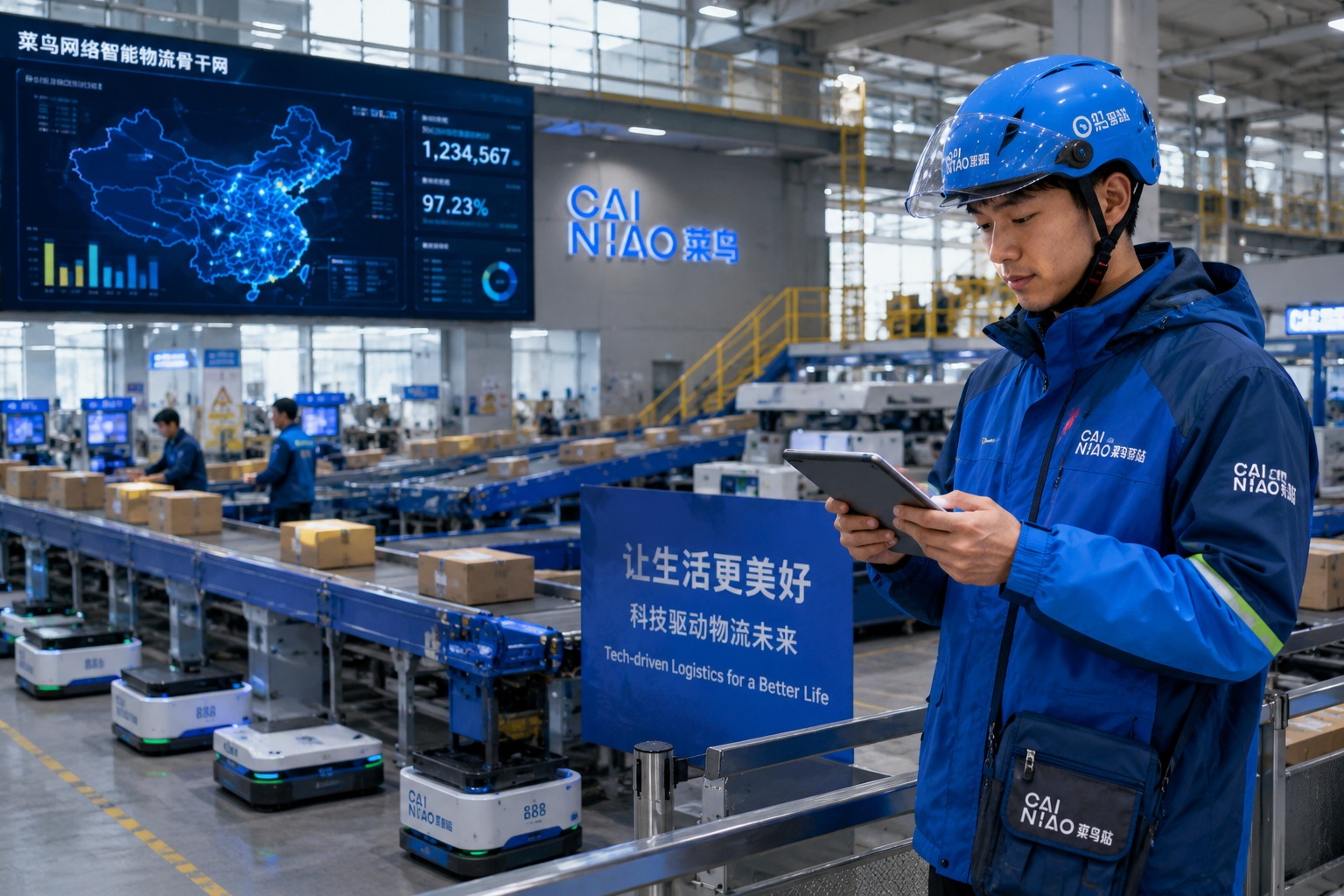
Consider Lin, a tea farmer’s daughter in Enshi, Hubei. Five years ago, selling her high-quality pu-erh tea to customers in Shanghai meant navigating complex middlemen and slow shipping. Today, she sits in her village home, streams live video, and ships boxes directly via a unified national logistics network.
This is the first tangible dividend of integration: the collapse of distance. China’s internal market has standardized logistics so thoroughly that next-day delivery is no longer a luxury for tier-1 cities; it’s becoming the norm in tier-3 and tier-4 towns. For consumers, this means access to the same variety of goods regardless of location. For small businesses, it removes the geographic bias that once favored coastal cities.
The Digital Lifeline: One App, One Nation
Traveling across China used to require a wallet full of local cash and a mental map of incompatible regional apps. Today, digital infrastructure acts as the country’s invisible nervous system. Whether you are in Beijing or a small town in Guizhou, Alipay and WeChat Pay work identically.
Take Sarah, a software engineer who recently moved from Shenzhen to Chengdu. In many fragmented economies, moving cities means months of bureaucratic headaches: new bank accounts, different utility setups, incompatible ID verification systems. In China’s integrated digital ecosystem, Sarah set up her life in days. Her health codes, social security records, and even her professional credentials are portable across provincial lines.
This frictionless mobility is a double-edged sword. It offers incredible convenience, but it also means that competition is no longer local—it is national. A designer in Chengdu is now competing with talent from every corner of the country for the same remote jobs.
Chasing Opportunities: The New Labor Mobility
Historically, China’s hukou (household registration) system tied people to their birthplaces, limiting access to healthcare and education elsewhere. While the hukou system hasn’t disappeared, its grip has loosened significantly through integration efforts.
Now, social security benefits are increasingly portable. A migrant worker moving from a rural province to a manufacturing hub like Wuhan can more easily access healthcare and pension benefits in their new city. This fluidity allows labor to follow industry. If tech jobs are booming in Shenzhen and manufacturing is rising in inland hubs, workers can move without being penalized by rigid local barriers.

Is Everything Becoming the Same? Cultural Anxiety
With this level of integration comes a common anxiety: “Is everything becoming the same?”
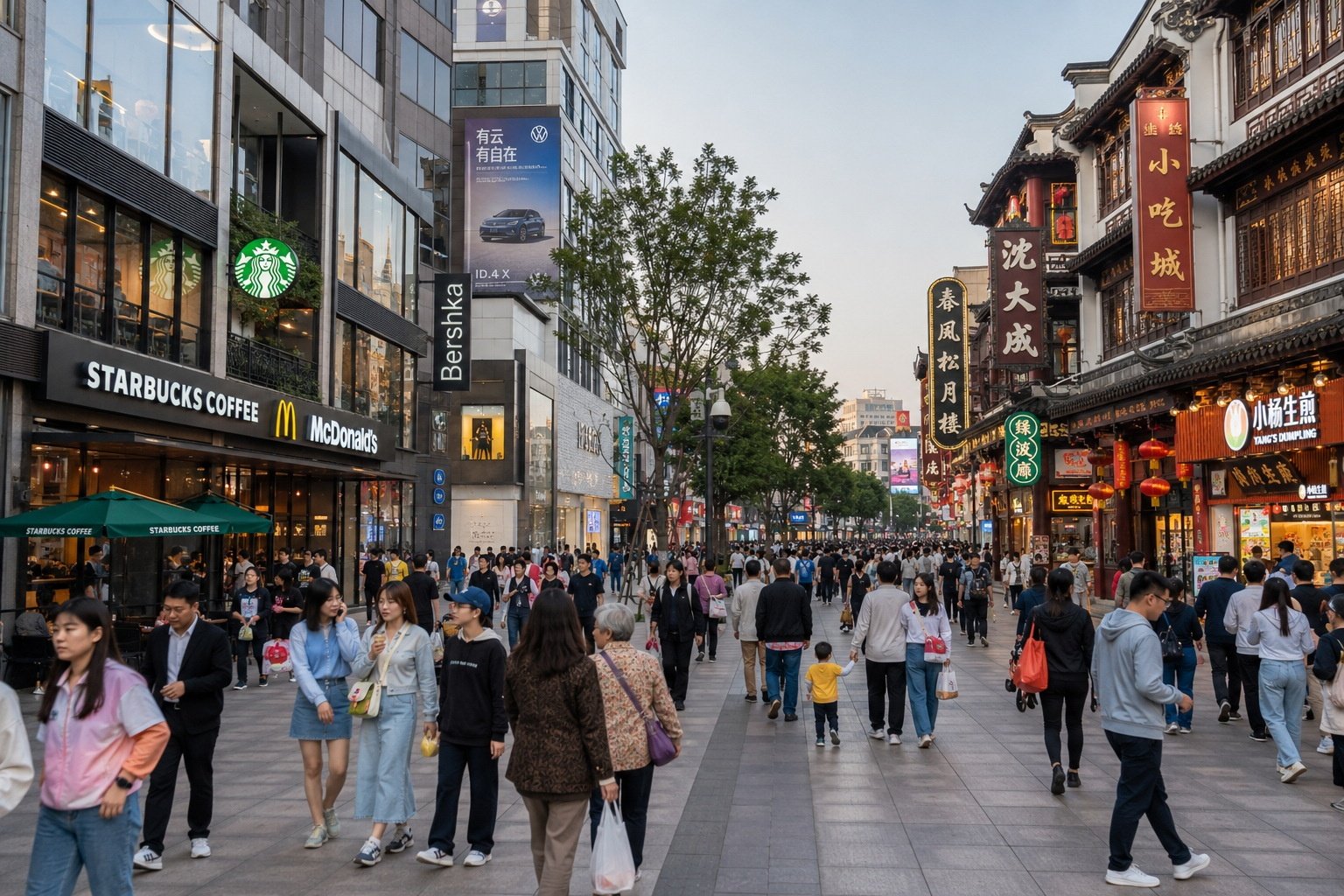
Walk down any major street in China, and you will see the same coffee chains, the same fast-fashion brands, and the same high-speed rail stations. Critics argue this leads to cultural homogenization, erasing local identities.
However, the reality is more nuanced. Standardization has improved service quality and safety, but it hasn’t erased local flavor. In fact, the unified market allows local specialties to find global audiences. Sichuan hotpot chains are expanding nationally, but they still adapt their spice levels to local tastes. Regional dialects, festivals, and food cultures remain vibrant because consumption is now a choice, not just a necessity.
The Hidden Costs: Competition and Disparities
We must be honest about the challenges. Integration brings efficiency, but it also brings intense competition. In a unified job market, “good enough” is no longer safe. Professionals face the “996” work culture (9 am to 9 pm, 6 days a week) not just in tech hubs, but as a standard expectation across many sectors.
Furthermore, while logistics have improved, the gap between urban centers and rural peripheries still exists. A package might arrive quickly, but high-quality medical care and elite education remain concentrated in major cities. Integration helps, but it doesn’t instantly erase decades of regional disparity.
What This Means for the World
For outside observers, understanding China’s internal integration is key to decoding its economic resilience. This isn’t just about GDP numbers; it’s about a consumer base of 1.4 billion people who share a common digital language and logistical network.
This unified market allows China to absorb shocks better than fragmented economies. When one region slows down, another can pick up the pace. For foreigners looking to do business or live in China, recognizing this integration means realizing that while local nuances matter, the underlying rules of the game are becoming increasingly uniform.
As you navigate China, notice these layers. The convenience is real, but so is the pressure. It is a complex, dynamic system that is constantly evolving, driven by the everyday choices of ordinary people moving, buying, and connecting across one of the world’s largest internal markets.