

The Silence Behind the Sound
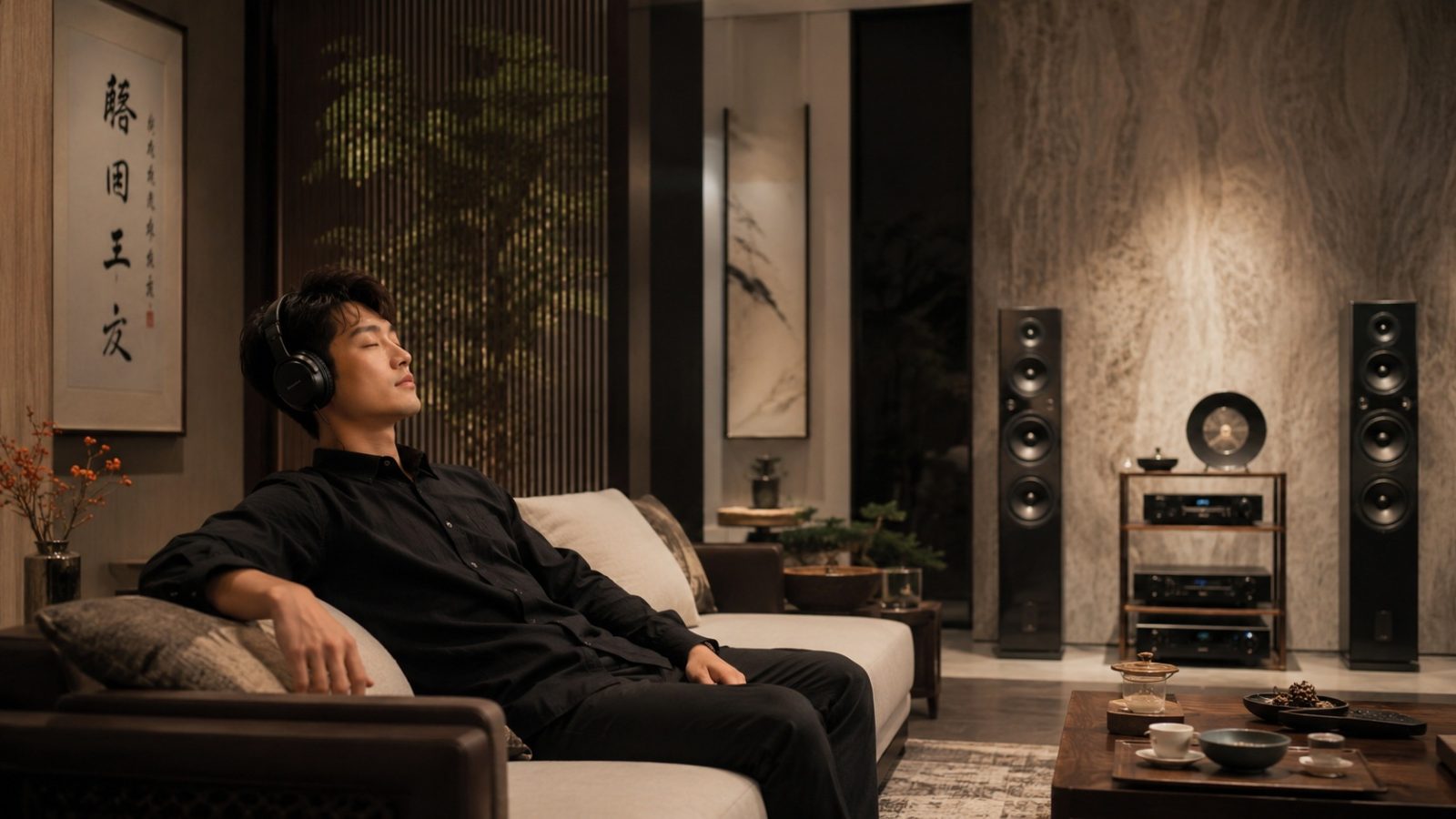
When Li Wei, a 32-year-old software architect in Shenzhen, first visited the boutique audio store in his district, he didn’t look at screens or check specs. He sat down, closed his eyes, and listened to a cello piece played through a system that cost more than his first car. The room wasn’t just quiet; it felt suspended.
Three months later, Li delivered on a promise he made to himself: he had spent $12,000 of his savings on a pair of floor-standing speakers and an integrated amplifier. This was only the beginning. For Li, this isn’t just a hobby; it is a form of “audio philanthropy”—a term used in the Chinese audiophile community to describe the selfless devotion of time, money, and emotional energy into the pursuit of perfect sound.
The Rise of “Audio Philanthropy”
You might wonder why anyone would spend $50,000 or more on hi-fi equipment in an era where Spotify and AirPods are ubiquitous. The answer lies in a growing phenomenon among China’s urban middle class: the desire for uncompromised sensory experiences.
Unlike the flashy, status-driven consumption of the early 2000s, today’s high-end audio buyers are often young professionals seeking refuge from burnout. A recent industry report showed that the domestic high-end hi-fi market in China grew by 15% last year, with over 40% of buyers under the age of 40. They are not buying brands to show off; they are buying clarity to disconnect.
Why Sound Costs So Much
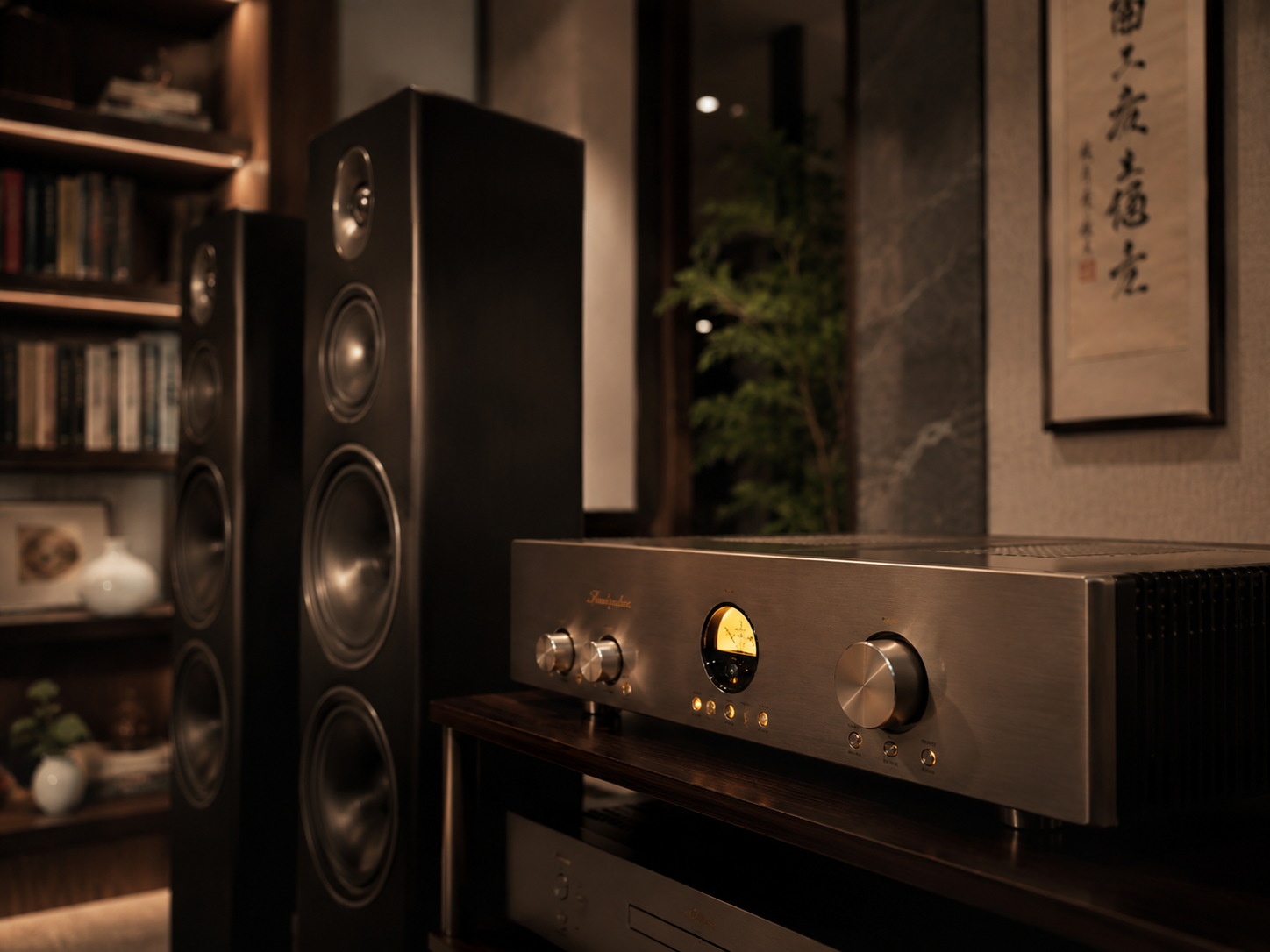
To the uninitiated, spending $50,000 on speakers seems irrational. But in the world of high-fidelity, the cost isn’t just about metal and wire. It’s about acoustic engineering, rare materials, and hours of meticulous tuning.
Consider the “listening room” itself. For audiophiles, the environment is half the equation. Li renovated a small corner of his apartment, adding sound-absorbing panels and bass traps. He spent weeks adjusting the speaker placement by millimeters, chasing a specific tonal balance. This level of detail transforms sound from background noise into a tangible presence.
Moreover, the Chinese hi-fi scene is highly localized. Unlike in the West, where global brands dominate, China has a vibrant ecosystem of domestic manufacturers who innovate rapidly. Brands like Simaudio (though Canadian-owned, heavily manufactured and marketed in China), Naim, and local upstarts offer systems that rival international giants at a fraction of the price, making the entry barrier lower for new enthusiasts.
Spiritual Comfort in a Fast-Paced Life
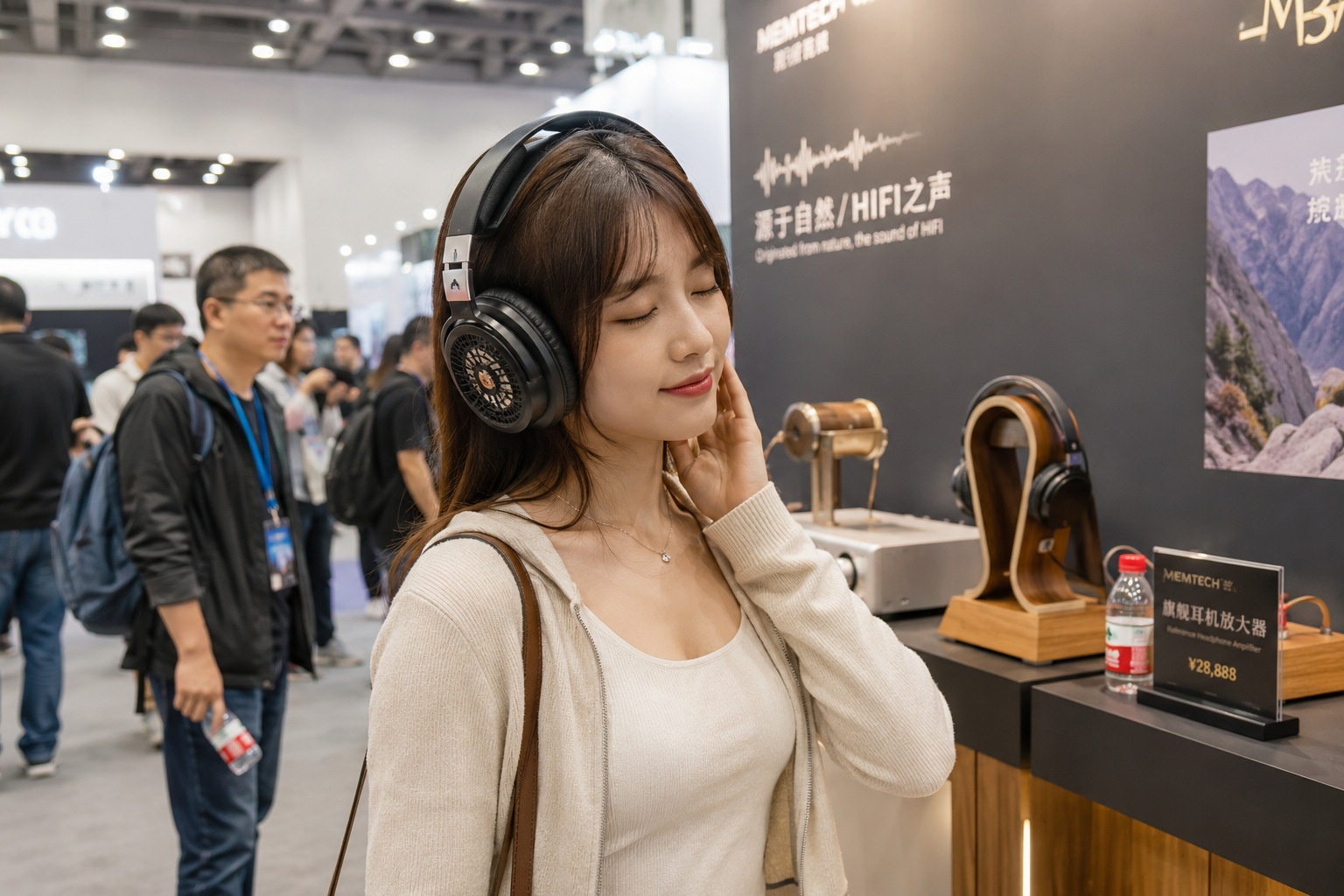
Li’s story is not unique. Across tier-1 and tier-2 cities, from Beijing to Chengdu, similar scenes are playing out. In Hangzhou, a young teacher spends her weekends visiting audio expos, not to buy, but to listen. She describes the experience as “meditation with ears.”
This trend reflects a broader societal shift. As China’s economy matures, consumption is moving from material accumulation to spiritual enrichment. High-end audio offers a controlled, predictable sanctuary. In a world of instant messaging, rapid delivery, and constant notifications, a vinyl record or a high-res digital file demands patience and attention.
The Future of Listening
Will this niche market continue to grow? Data suggests yes. As disposable income rises and the cost of living pressures persist, the “lipstick effect” may shift towards “affordable luxuries” that offer immediate emotional returns. High-end audio, once considered an elderly hobby, is now being reclaimed by Gen Z and millennials.
For Li, the $50,000 investment isn’t just about hearing every breath of the singer. It’s about reclaiming a piece of his mind. In the end, “audio philanthropy” is less about the money and more about the silence that follows the last note.