


The New Normal: From ‘Made for the World’ to ‘Made for Us’
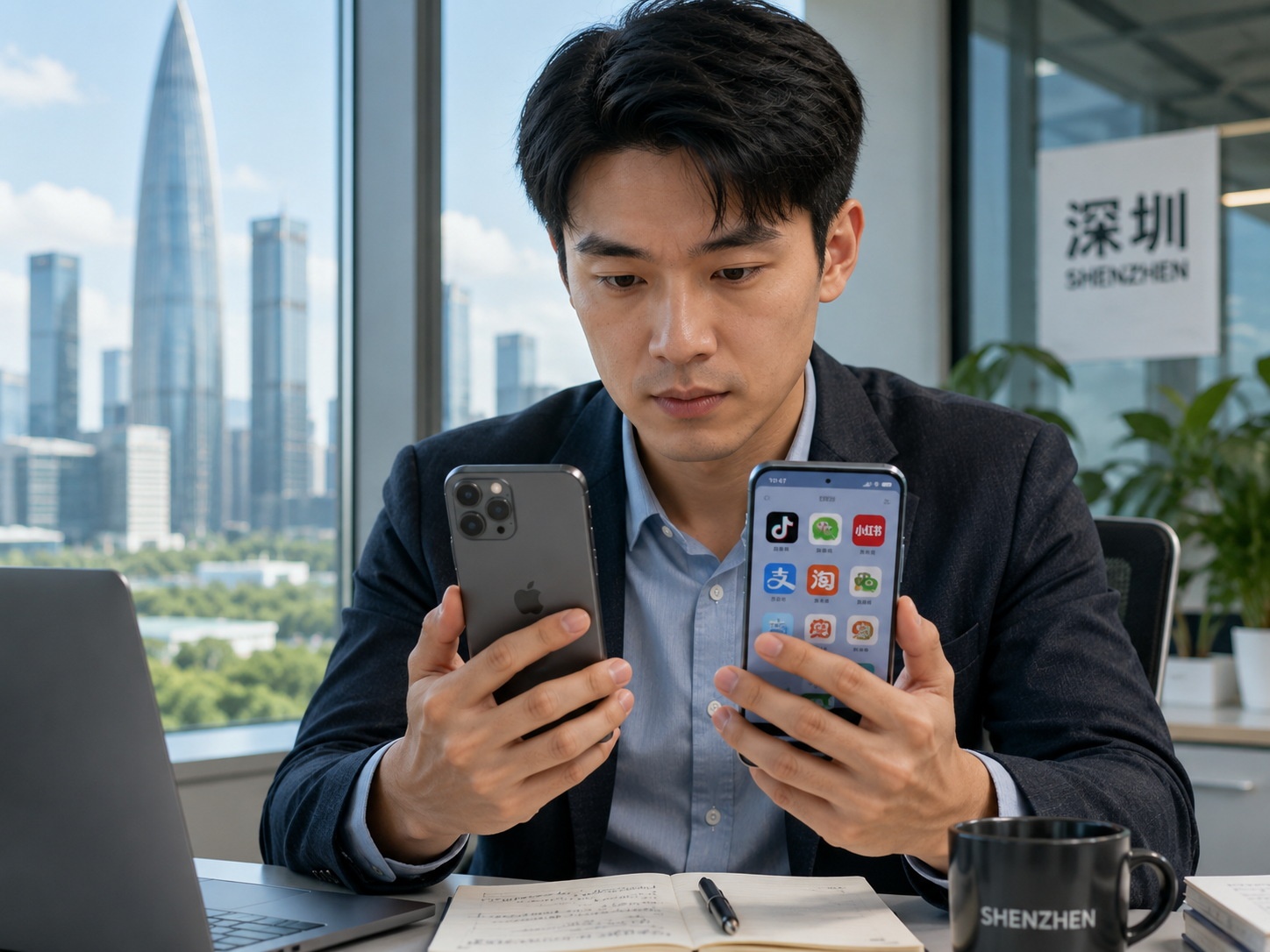
Ask a foreigner from ten years ago what they think of Chinese products, and you might hear words like cheap, copycat, or low quality. Today, if you ask Li Wei, a 26-year-old software engineer in Shenzhen, he will show you his phone. It’s not an iPhone. It’s a Huawei Mate series device, bought with local currency, using a domestic payment app, on a website that delivers it the same day.
Li isn’t boycotting foreign brands out of anger. He simply finds them overpriced for what they offer. His experience is part of a massive, quiet shift in China’s consumer landscape. The era of worshipping the foreign halo—where owning a Western brand was seen as a status symbol—is fading. In its place is a generation that prioritizes value, technological parity, and cultural relevance.
The End of the ‘Foreign Halo’
For decades, the narrative was simple: Western brands meant better technology; Chinese brands meant lower costs. That gap has virtually closed. In Shenzhen, the global hub for electronics supply chains, the difference between a domestic flagship phone and an iPhone is often less about hardware and more about software localization.
Take Lin Na, a marketing manager in Guangzhou. She switched from Samsung to a Xiaomi device last year. “The camera is just as good,” she says. “But the Chinese interface integrates my calendar, my WeChat chats, and my ride-hailing apps seamlessly. Apple feels like it’s fighting against my habits rather than supporting them.”
This is not unique to phones. In electric vehicles (EVs), brands like BYD and Nio offer interiors with ambient lighting, voice assistants that understand local dialects, and battery tech that charges faster in typical urban conditions. For young Chinese consumers, the value proposition has flipped. Paying a premium for a logo no longer makes sense when the domestic alternative is technically superior.
‘Guochao’: Style with Substance
The rise of domestic brands is also driven by Guochao (National Trend). But don’t mistake this for simple patriotism. It is a fusion of traditional aesthetics and modern streetwear.
Consider the rise of Chinese sportswear giants like Li-Ning and Anta. Ten years ago, they were seen as outdated athletic gear. Today, Li-Ning walks the runways of New York and Paris Fashion Week. Their designs incorporate elements of Chinese calligraphy, traditional colors, and historical motifs, reimagined for the urban commuter.
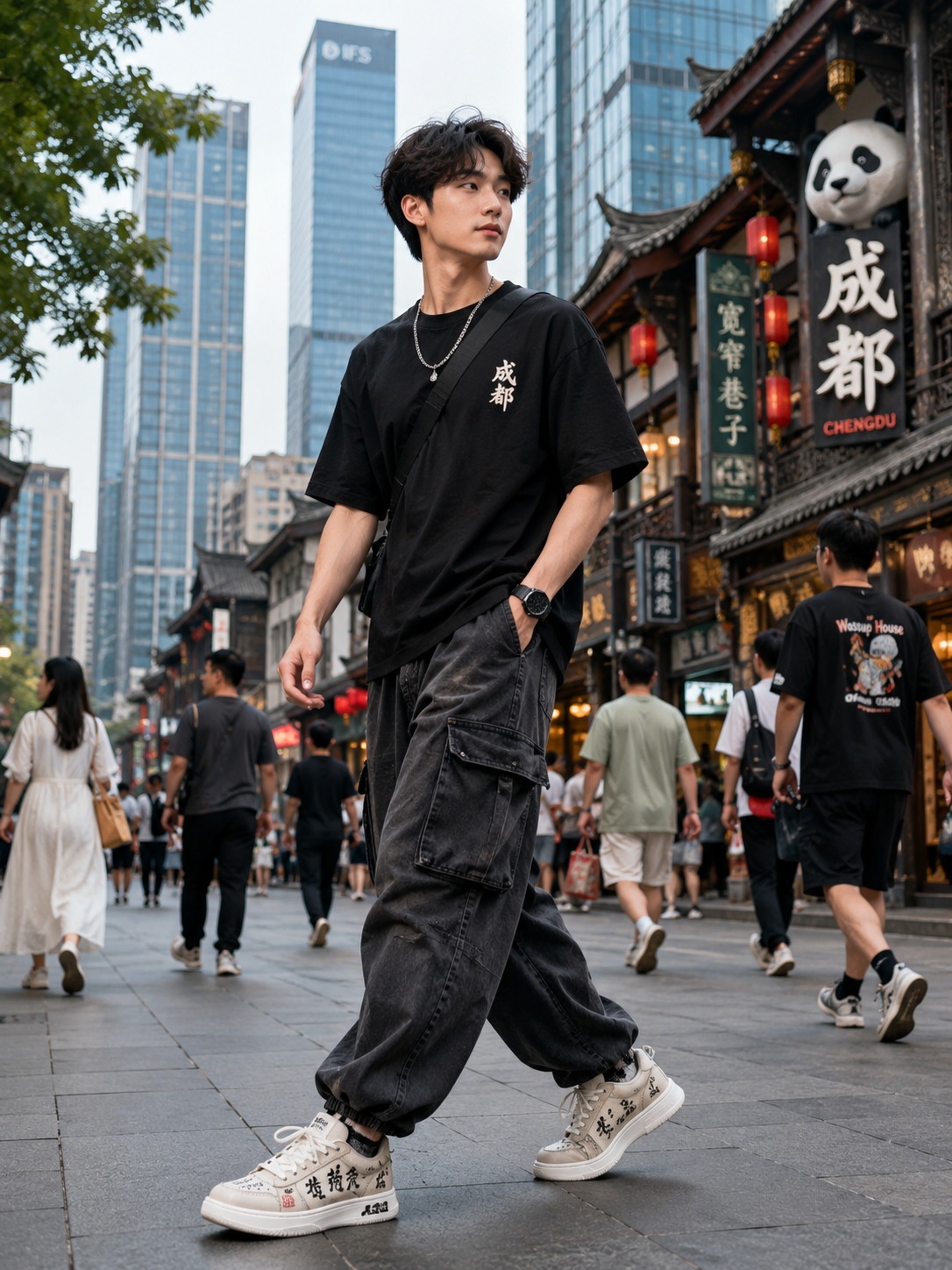
Zhou Yi, a 24-year-old graphic designer in Chengdu, wears Li-Ning sneakers to work every day. “It’s not about rejecting Nike,” he explains. “It’s that the design language speaks to me. When I wear these shoes, I feel connected to a modern Chinese identity that isn’t trying to imitate the West. It’s confident.”
This cultural confidence is the core engine of the Guochao movement. Young consumers are no longer ashamed to be Chinese; they are eager to express it through what they buy, wear, and drink. Local tea brands like Heytea, for example, have revolutionized the beverage industry with innovative fruit-tea hybrids that global giants like Starbucks struggle to replicate locally.
The Digital Advantage: Speed and Ecosystem
There is also a practical reason why young Chinese consumers prefer domestic platforms: the ecosystem. In the West, shopping might involve Amazon, PayPal, Instagram, and a separate delivery app. In China, it is all in one place.
Taobao and JD.com are not just stores; they are comprehensive life services. You can buy clothes, book a doctor’s appointment, order food, and pay utility bills within the same app interface. This digital convenience creates high switching costs for foreign competitors. Why would a user go to a fragmented Western platform when the domestic one offers a frictionless experience?
Moreover, the speed of innovation is relentless. Live-streaming commerce, where influencers demonstrate products in real-time, has become a dominant shopping channel. If you see a gadget on Douyin (TikTok) that you like, you can buy it and have it at your door within 24 hours in most cities. This immediacy shapes consumer behavior in a way that traditional e-commerce cannot match.

Rational Choice: Value Over Prestige
Finally, we must address the economic reality. China’s economy is transitioning from high-speed growth to high-quality development. For many young people, this means tighter budgets and a more cautious approach to spending.
This is not just about being cheap; it is about being smart. The mindset has shifted from conspicuous consumption (buying luxury goods to show off) to rational consumption (buying what delivers the best utility per yuan spent).
In Harbin, where winters are harsh, young professionals are choosing domestic EVs like the Wuling Hongguang Mini EV for their daily commute. They are affordable, easy to park in narrow streets, and perfectly adequate for city driving. Meanwhile, in Shanghai, students are buying high-quality domestic skincare brands that use advanced biotechnology, rather than paying double for European luxury labels.
What This Means for the Future
The shift toward domestic brands is not a wall against the world. It is a maturation of the market. Global brands are still welcome in China—Apple, Tesla, and Nike remain popular—but they can no longer rely on their foreign halo. They must compete on merit.
For global companies, the lesson is clear: respect the Chinese consumer’s intelligence. They are well-informed, digitally native, and culturally proud. They will choose the product that works best for their lives, whether it bears a Chinese flag or a Western logo.
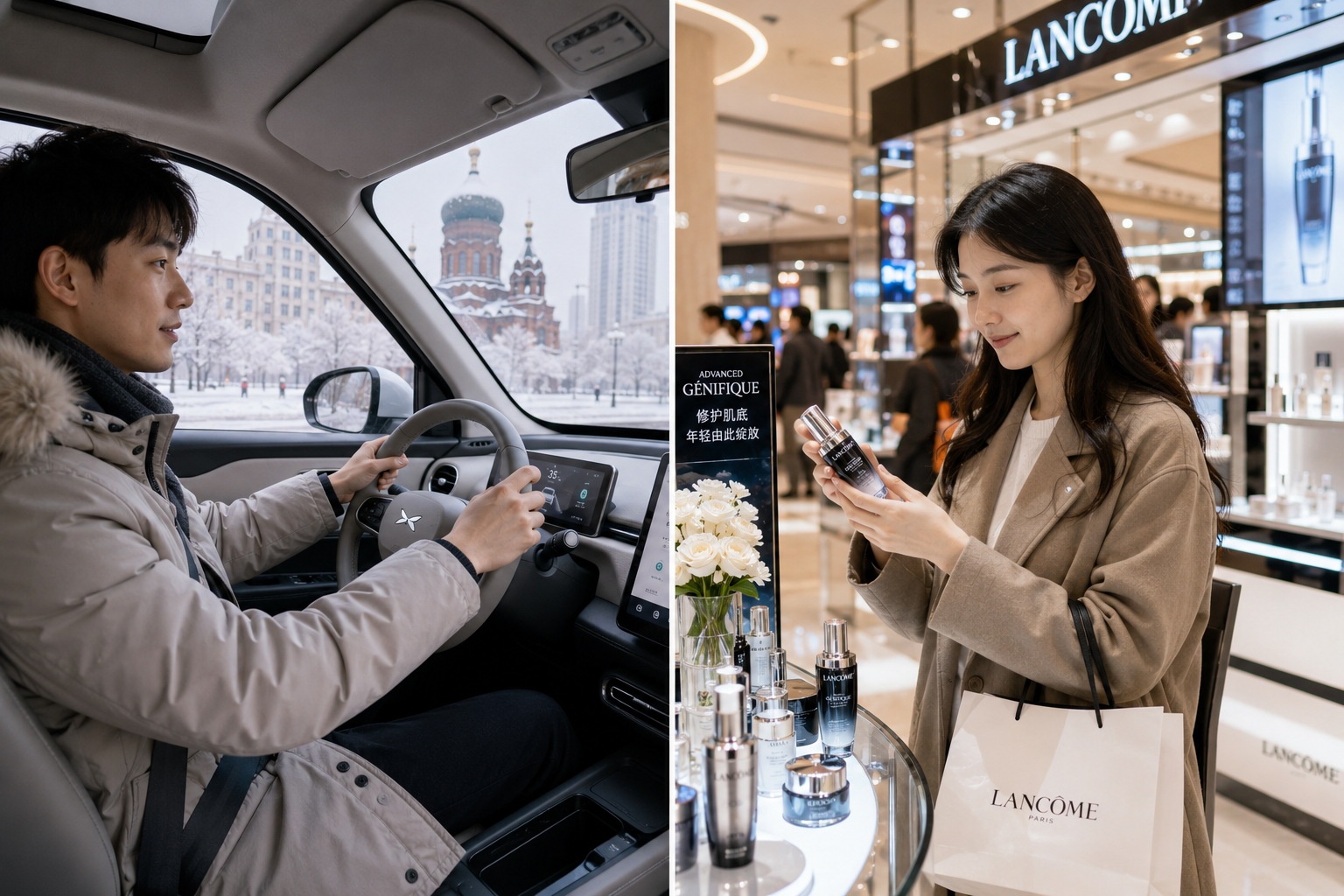
From the tech hubs of Shenzhen to the historic streets of Harbin, young China is telling the world: we have our own standards. And for now, those standards are often met best at home.