
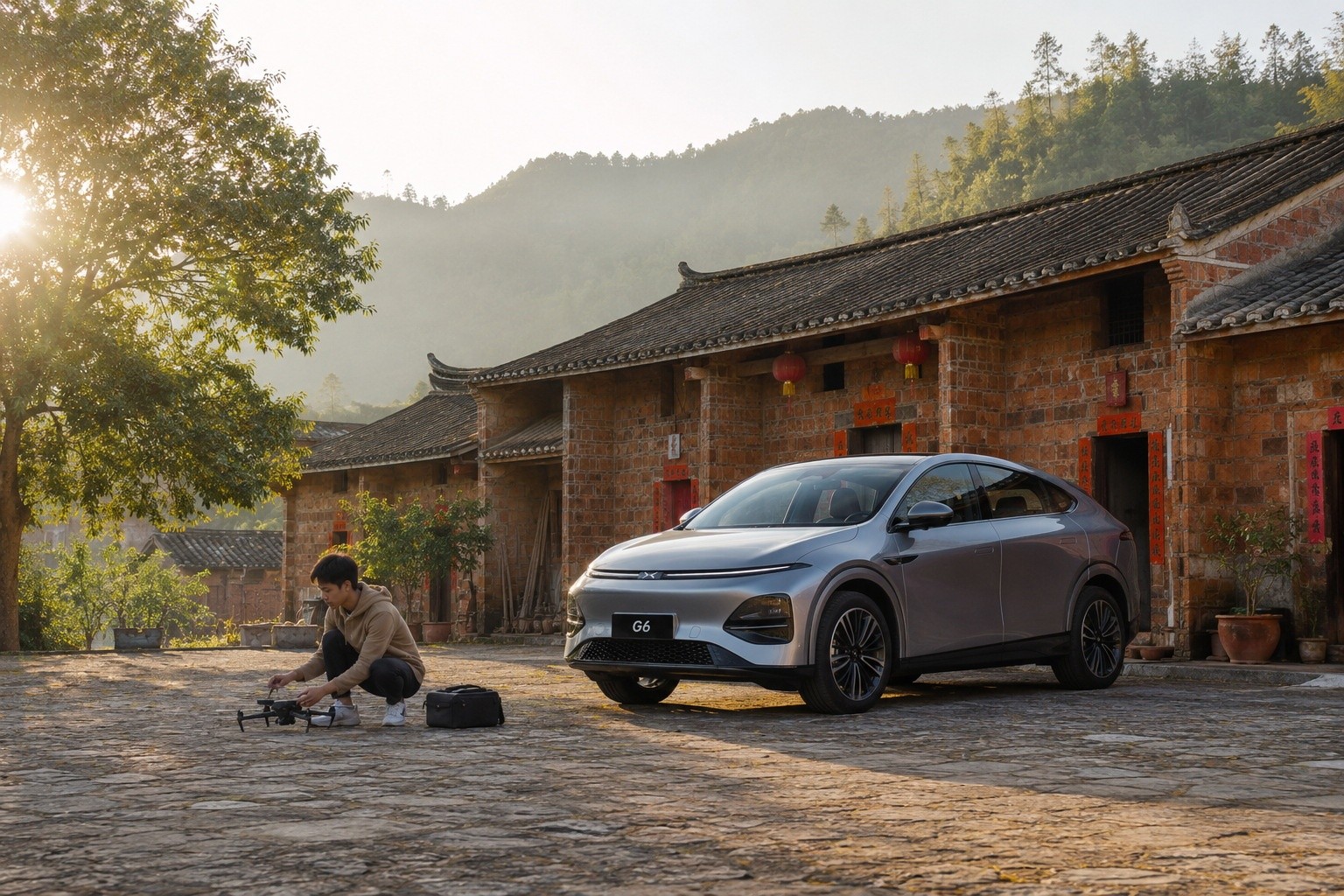

The Arrival: Steel Meets Soil
At 8:45 AM, the tires of my BYD Seal electric SUV crunched over the newly paved asphalt road, kicking up a fine dust that smelled of dry earth and wood smoke. In my hand was a DJI Mavic drone, its propellers folded like sleeping wings. I was returning to my ancestral village in Henan province, a place I hadn’t visited in five years. For the average Western reader, this image might seem contradictory: a sleek, silent vehicle from Shenzhen’s high-tech hub entering a landscape often depicted in media as static, agrarian, and disconnected from modernity.
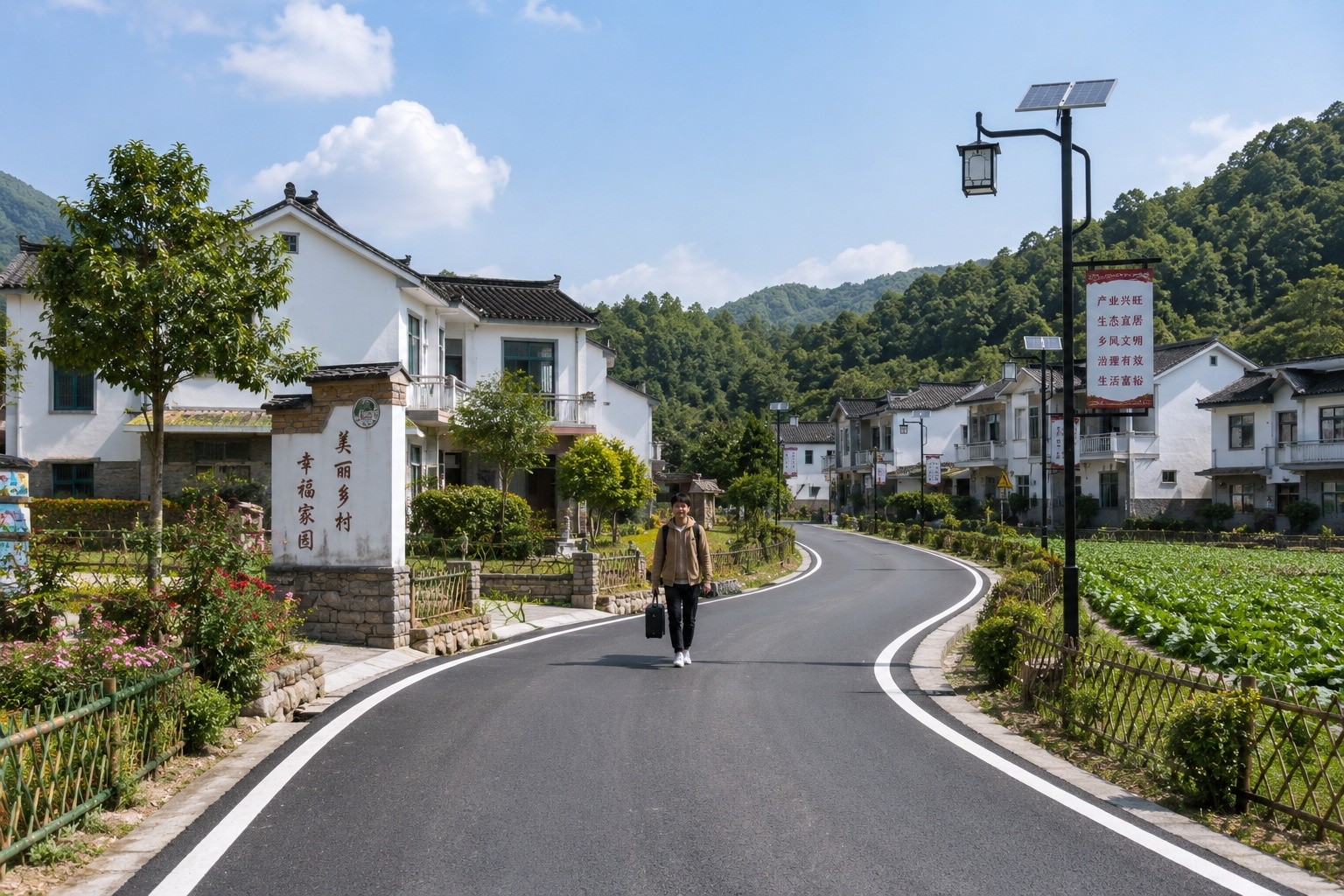
But the contrast is precisely the point. China’s rural revitalization isn’t just about painting walls white or building community centers. It’s about infrastructure that allows a digital native to live, work, and visit from anywhere. As I parked in front of my grandparents’ courtyard, the silence of the morning was broken not by roosters, but by the low hum of the car’s thermal management system and the notification ping on my phone: 5G Connected.
Beyond the Stereotype: The Invisible Grid
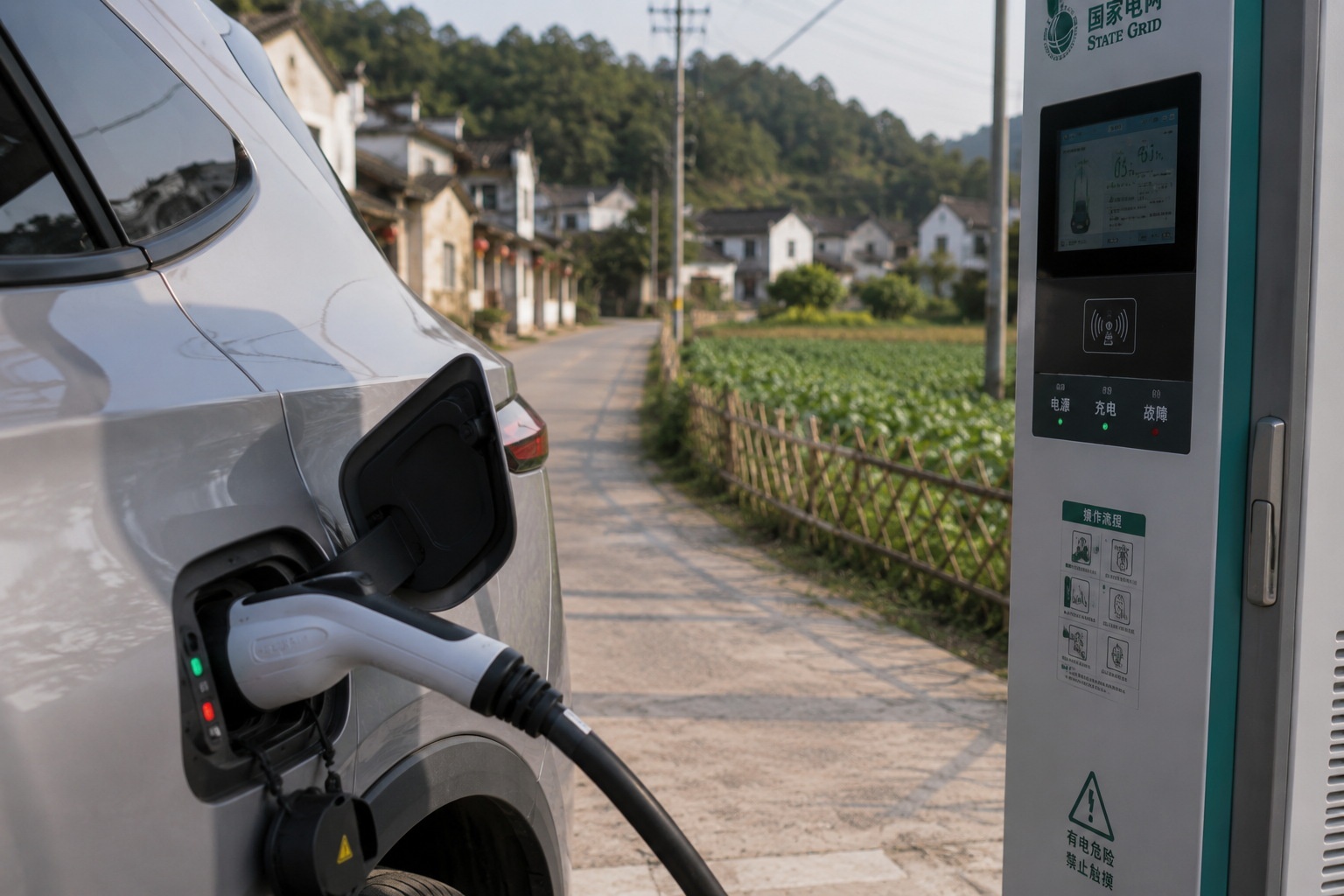
When I mentioned to my neighbor, Uncle Liu, that I had driven 300 kilometers from Zhengzhou without stopping for fuel, he frowned slightly. “Did you charge it?” he asked, not out of skepticism, but out of a genuine concern for the car’s health. He led me to a charging station installed just last year by the local grid company, a modest white box mounted on a pole near the village clinic.
This is the first layer of change that outsiders rarely see. The romanticized notion of the “remote village” assumes isolation. In reality, China has deployed one of the world’s largest public charging networks, extending deep into counties and townships. The “last mile” problem, which plagues electric vehicle adoption in many Western suburban areas, has been solved by state-led infrastructure planning. For me, this meant no range anxiety, just the smooth, quiet glide of electricity replacing the roar of gasoline.
5G in the Fields
Inside the courtyard, my 70-year-old grandfather was tending to his potted chrysanthemums. He looked up as I unfolded the drone. “Is that a toy?” he asked, squinting against the morning sun. “No, Grandpa,” I said, “it’s my eyes in the sky.”
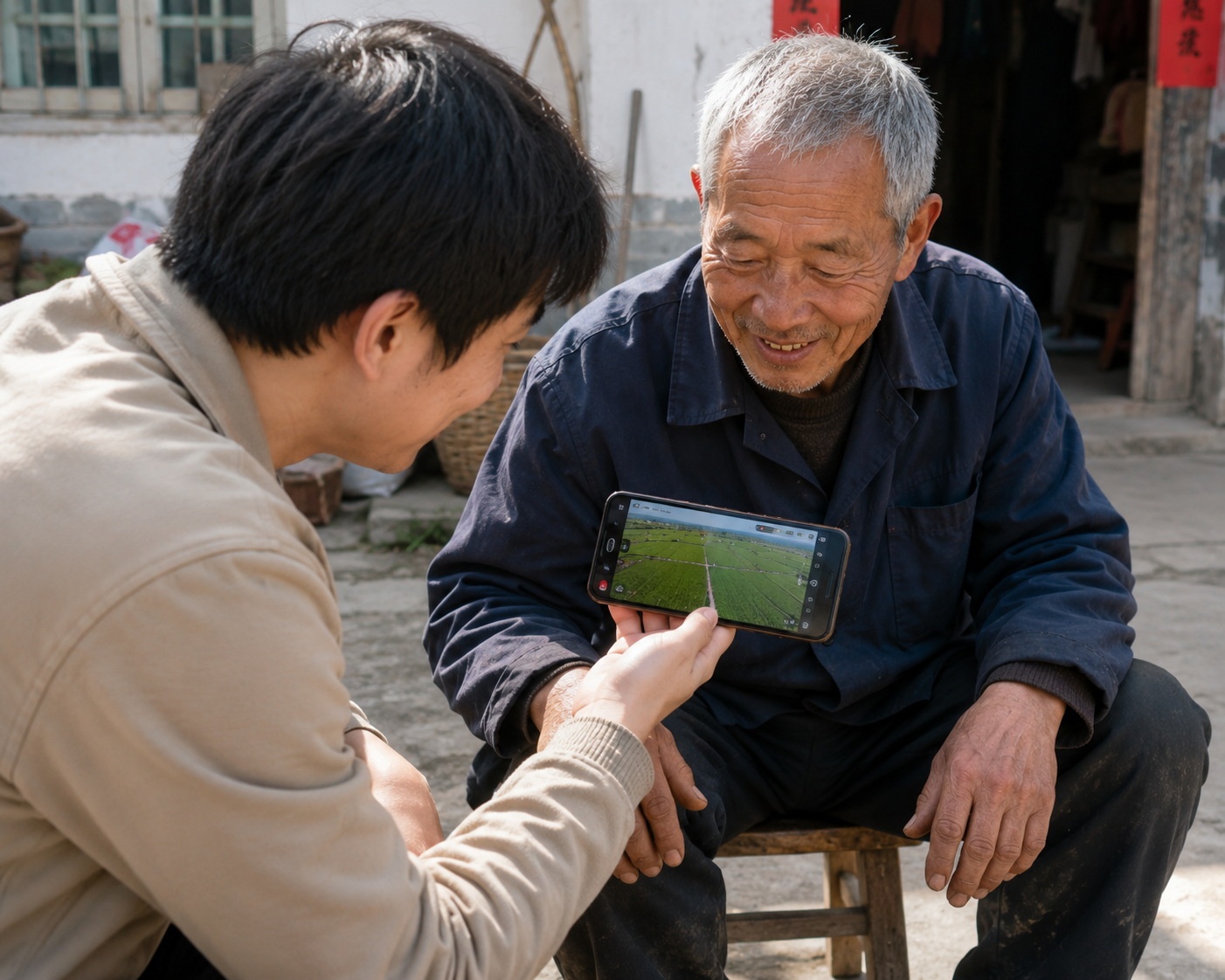
He didn’t understand the technology, but he understood the utility. Later, while I calibrated the drone, he sat on a plastic stool, watching the screen as the aerial view revealed the patchwork of green wheat fields behind our house. For generations, this land was worked by hand, measured in paces, and monitored for pests by walking the rows. Now, it was mapped in pixels. This isn’t just about cool gadgets; it’s about precision agriculture. Drones in rural China are increasingly used for spraying pesticides with millimeter-level accuracy, reducing chemical use and protecting the health of farmers like my grandfather.
Bridging the Digital Divide
The interaction between my grandfather and the drone was brief but telling. He didn’t see it as a replacement for his labor, but as an extension of my care. In Chinese culture, visiting ancestral villages is often laden with guilt—a sense of abandonment due to urban migration. Technology has softened this blow.
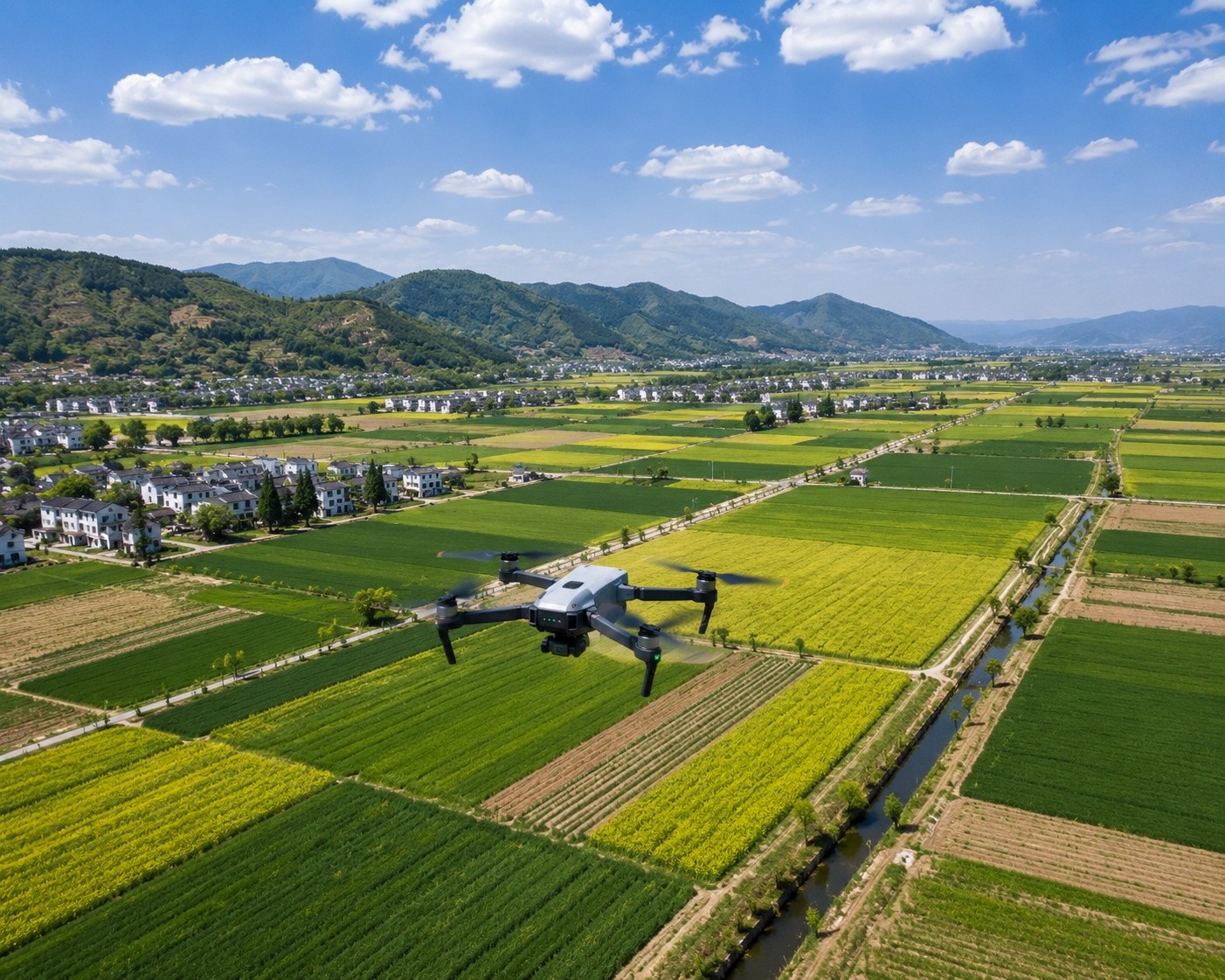
My grandfather uses WeChat daily, not just for calls, but for short videos. When I showed him the timelapse footage I had edited from the drone’s video, his eyes widened. “It looks like a painting,” he said. The digital divide, often cited as a barrier to rural progress, is actually becoming a bridge for emotional connection. He can see the world through my lens; I can see his home through his eyes. The gap between the high-speed internet of Shanghai and the quiet rhythm of Henan’s countryside has collapsed into a single, shared screen.
Roots in the Cloud
As the sun began to set, casting long shadows across the village square, I packed the drone back into its case. The village hadn’t changed into a futuristic city. There were no neon lights or flying cars. It remained a place of hard work, traditional rituals, and quiet endurance. But the tools had changed.
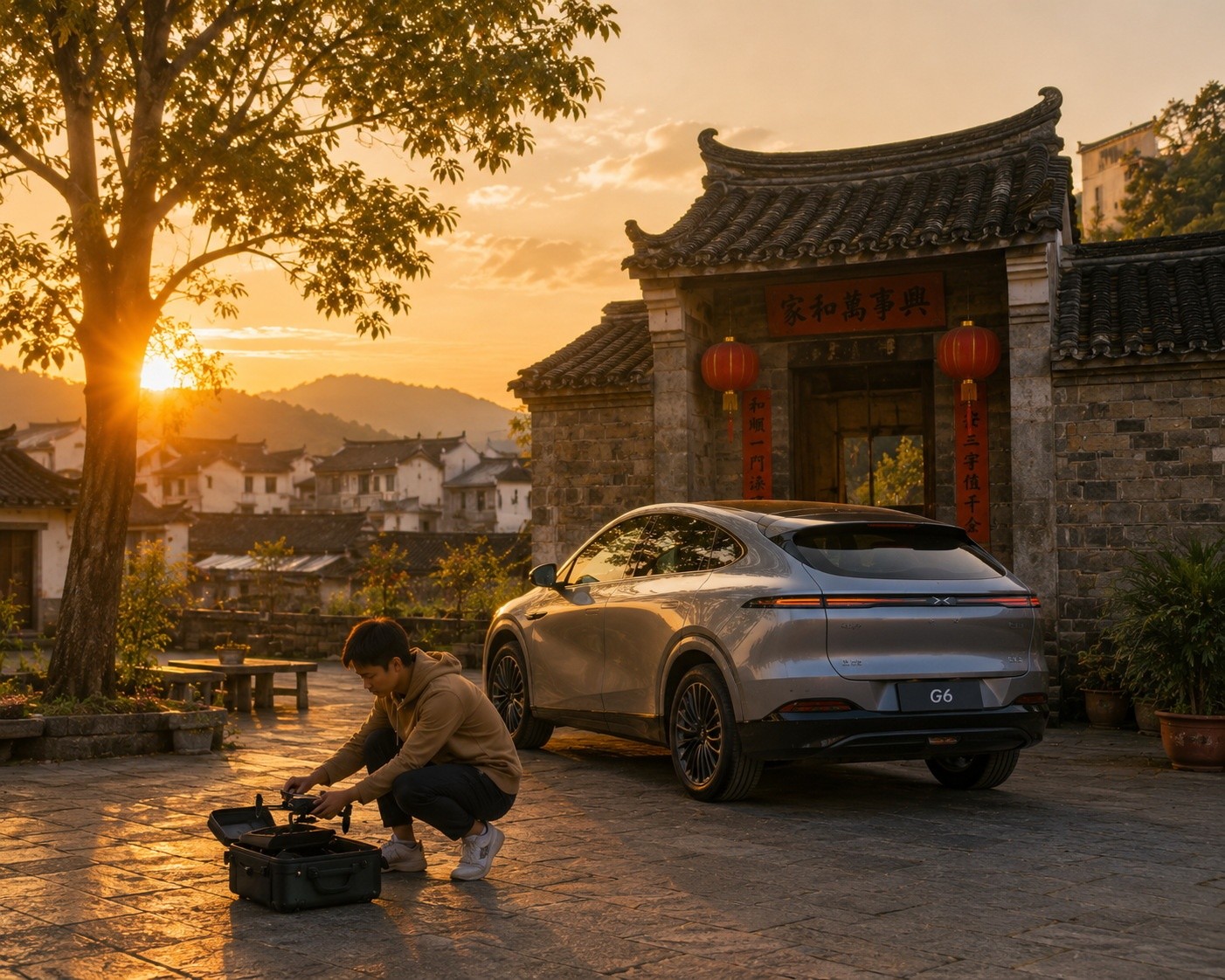
For young Chinese like me, returning home is no longer a retreat from modernity, but a reintegration of it. The electric car represents the new energy transition; the drone represents the new agricultural reality. Together, they symbolize a China where heritage and innovation are not mutually exclusive. We are not leaving our roots behind; we are watering them with new technologies.
This “flash-back” traveler experience challenges the binary narrative of traditional vs. modern. In China’s villages, the future is already here, parked quietly in a courtyard, waiting for the next flight.