

From Whiskey Tables to Game Boards
If you walked into a private club in Beijing or Shanghai five years ago, the scene would likely have been predictable: clinking glasses of expensive whiskey, the haze of cigarette smoke, and executives trying to build trust over rounds of Maotai. Business in China was once synonymous with guanxi built on alcohol.
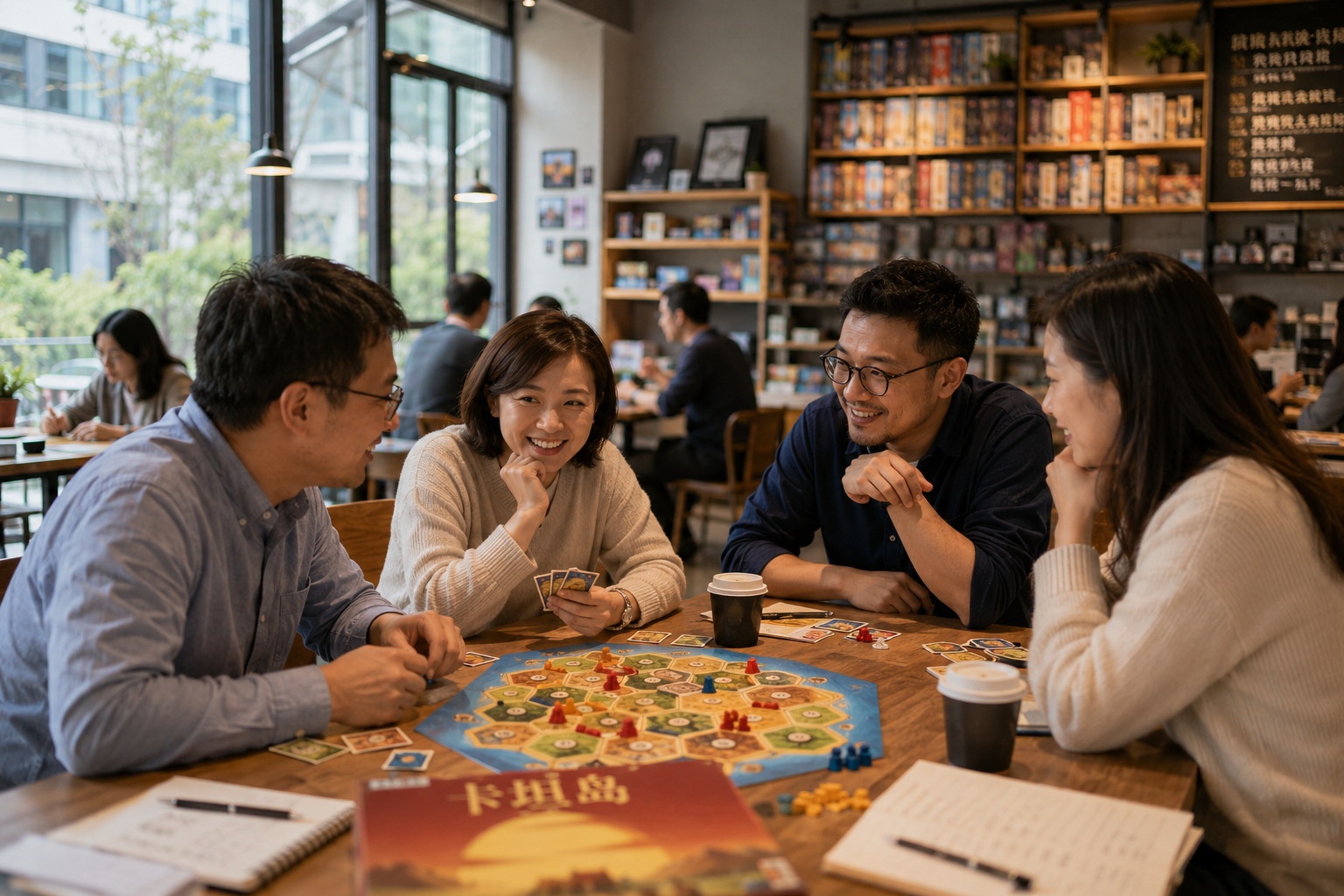
But walk into a modern, minimalist board game café in Shanghai’s Jing’an District today, and the atmosphere is entirely different. The air smells of coffee and fresh wood. Instead of shouting to be heard over noise, groups of people in their thirties and forties are leaning over wooden boards, whispering intensely about resource allocation.
This is not just a hobby. For a growing number of Chinese executives—especially those born after 1980 and 1990—strategy board games have become the new boardroom. Games like Catan, Power Grid, Avalon, and even complex role-playing games like Script Murder (Jubensha) are replacing the late-night drinking sessions as the primary way to bond, negotiate, and test character.
The Psychology of Play: Simulating Business Risks
Why would people in high-pressure jobs choose to play games with them after work? The answer lies in the cognitive simulation these games provide.
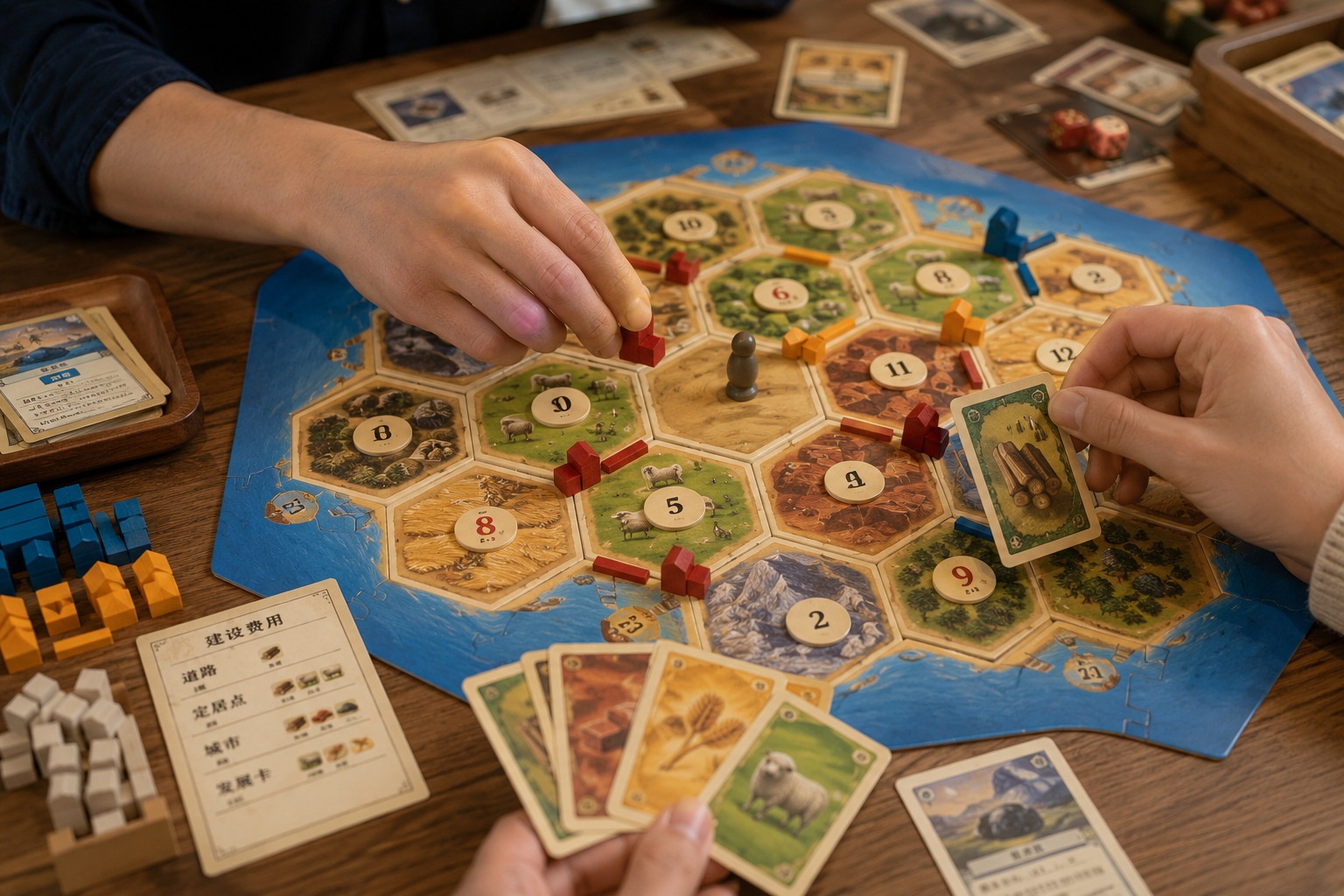
Strategy board games are essentially low-stakes simulations of business environments. In a game like Catan, you must manage limited resources (wood, brick, wheat) while negotiating trades with other players who may also be your competitors. It mirrors the daily reality of supply chain management and partnership building.
For Chinese executives, who often operate in a fast-moving, highly competitive market, these games offer a safe space to practice decision-making without real-world financial consequences. “When you play Power Grid, you learn quickly that hoarding resources is useless if you can’t secure the energy to use them,” says Li Wei, a product director at a tech firm in Shenzhen. “It’s exactly like cash flow management in a startup. You have to know when to take a risk and when to conserve.”
The psychological shift is significant. These games force players to think several steps ahead, assess opponents’ intentions, and adapt to sudden changes. It’s mental calisthenics for leaders who need to stay sharp in an unpredictable economy.
The “Soft Interview”: Testing Partnerships
Beyond personal enrichment, these games have evolved into a powerful tool for social screening. In China’s business culture, trust is the most expensive currency. How do you quickly determine if a potential partner is honest, resilient, or cooperative?
Game theory suggests that people reveal their true colors when the stakes are low but the competition is high. Board games provide a unique window into a person’s character.
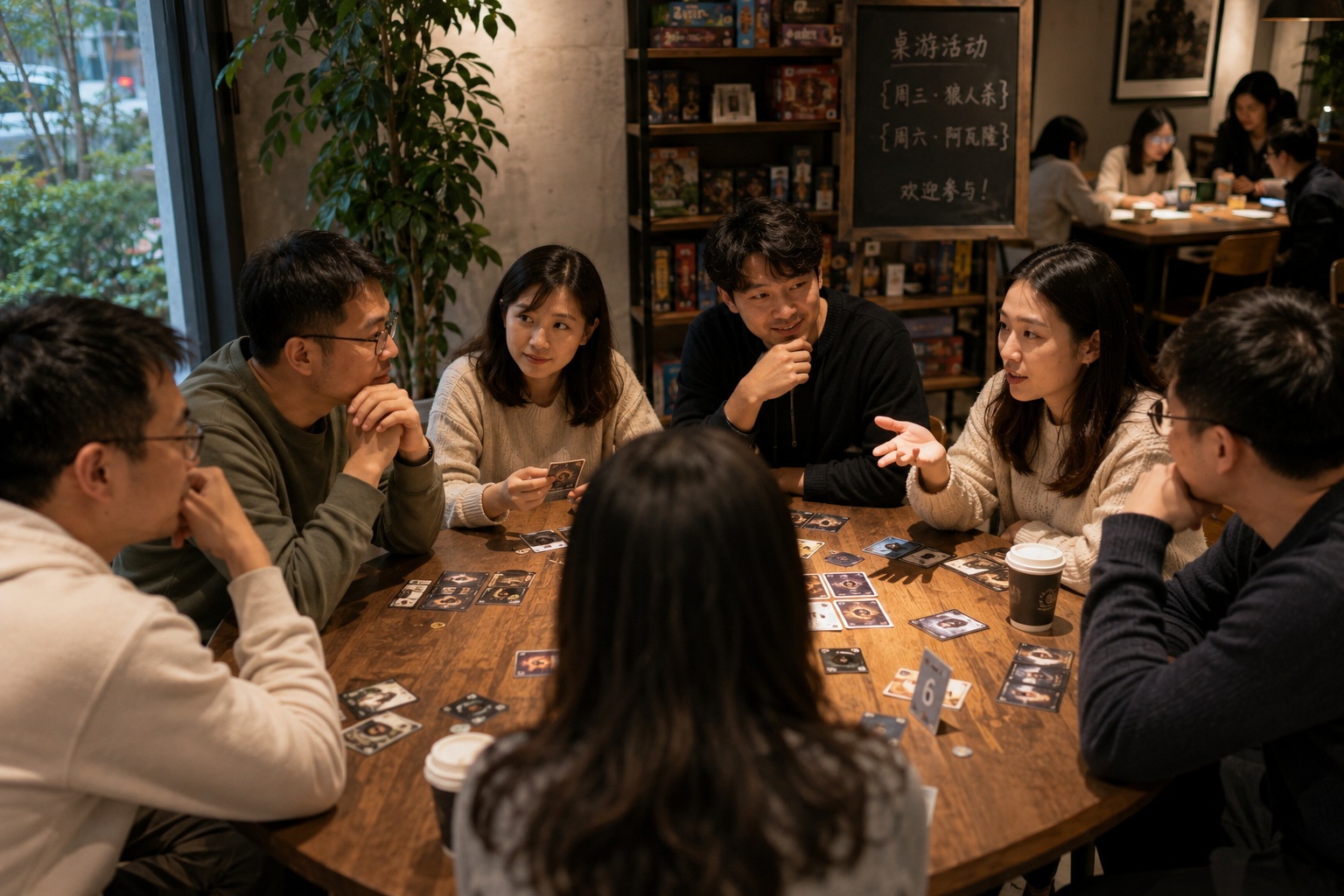
Consider the game Avalon, a social deduction game where players are secretly assigned roles as heroes or villains. There are no cards to hide behind; you must rely on logic, persuasion, and reading facial expressions. For executives, playing this game is like a “soft interview.” If someone lies convincingly but collapses under logical questioning, they might be a brilliant negotiator but a risky partner. If someone plays fairly even when losing, they may be trustworthy for long-term collaboration.
“I’ve seen more about a person’s integrity in three hours of Werewolf than in three months of business lunches,” says Zhang Min, a venture capitalist in Shanghai. “Alcohol makes people loose-lipped and emotional. Games make them logical and transparent. You see how they handle defeat, how they blame others, and how they celebrate victory.”
A Generational Shift: From Hierarchy to Equality
This trend is also a reflection of China’s generational shift. The older generation of Chinese business leaders often relied on hierarchy and formal dinners to establish authority. Drinking was a test of loyalty and obedience.
But for the younger, tech-savvy executives who now dominate sectors like e-commerce, AI, and digital media, this old model feels outdated—and exhausting. They value intellectual equality and fun. A board game café is a neutral ground where titles don’t matter. The CEO sits next to the junior developer, and both are just players trying to win.

This leveling effect creates a different kind of connection. It’s not about who has the most power; it’s about who has the best strategy. This shift has made networking less coercive and more engaging. Younger professionals are more willing to engage with leaders who can laugh at their own mistakes in a game, rather than those who demand respect through status.
Real Stories: From Game Table to Deal Table
The transition from game to business is not just theoretical. Many Chinese startups now use board game nights as part of their onboarding process or team-building exercises. Some even use specific games to identify future leaders.
Takeshi, a founder of a fintech startup in Hangzhou, shares that his co-founder was someone he met while playing Catan regularly. “We spent two years building a friendship over that wooden board,” he recalls. “When we decided to start a company, we already knew each other’s risk profiles. I knew he was aggressive in negotiations; he knew I was careful with finances. It saved us years of磨合 (móhé – friction/adjustment).”
Even large corporations are taking notice. Some HR departments in Shanghai and Shenzhen have started incorporating logic puzzles and strategy games into their recruitment interviews for management trainees. It’s a way to filter for critical thinking skills that resumes cannot show.
The Future of Chinese Business Socializing
The rise of strategy board games among Chinese executives is not just a fad; it’s a symptom of a maturing business culture. As China’s economy shifts from rapid, brute-force expansion to innovation-driven growth, the skills required for leadership are changing. Patience, strategic foresight, and emotional intelligence are becoming more valuable than sheer endurance or alcohol tolerance.
For foreign observers, this might seem like a quirky trend. But for those inside the system, it’s a clear signal. The new Chinese executive is not just a deal-maker; they are a strategist, a psychologist, and a player who understands that the best deals are built on mutual respect and shared understanding.
So, the next time you hear about a Chinese executive inviting you for dinner, ask if they mean a restaurant or a game café. The answer might tell you more about their management style than any business card ever could.