
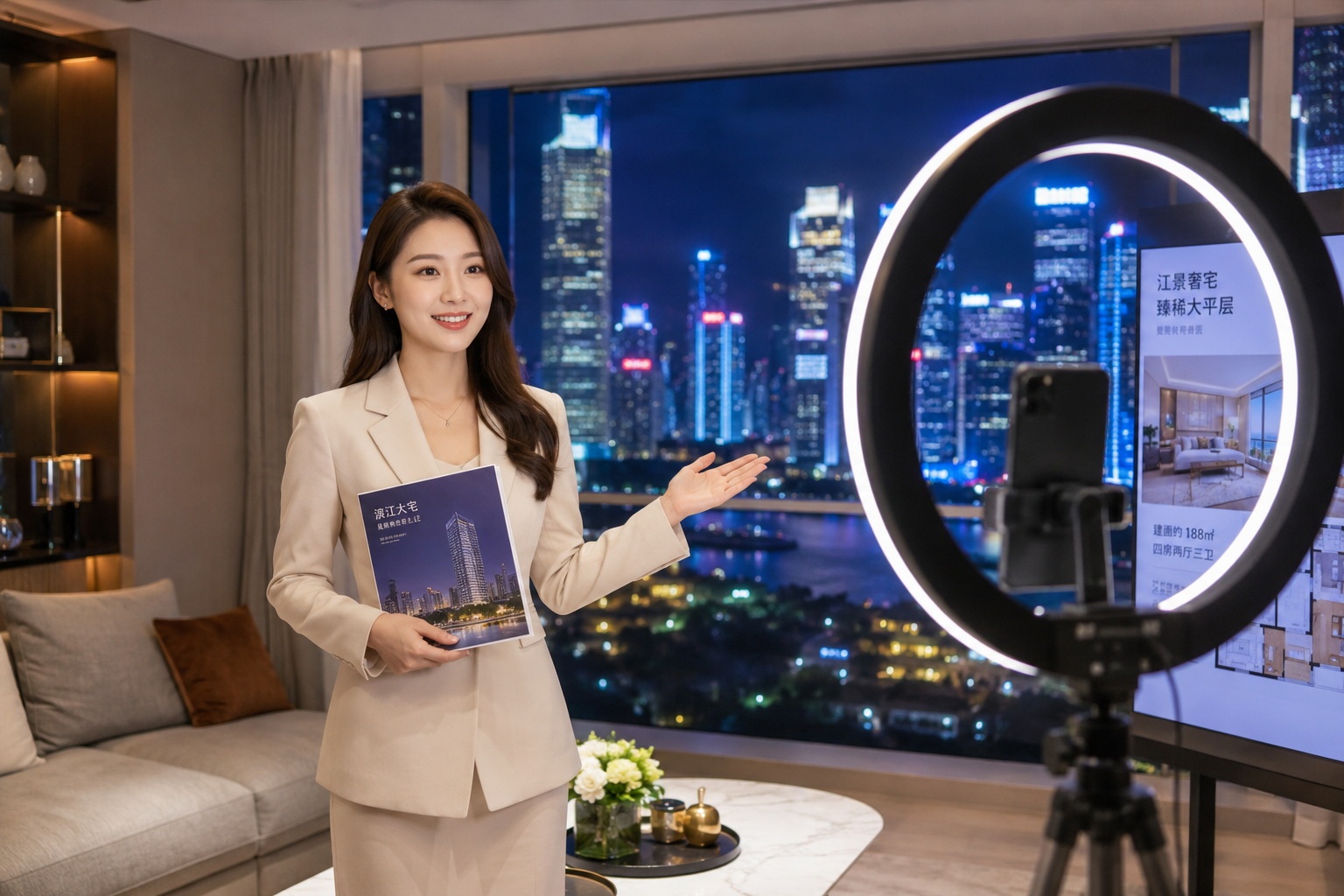

The Screen as the New Showroom
It is 10:00 PM on a Tuesday in Shanghai. While most of the city is winding down, a team of ten real estate agents is just getting started. They are not waiting in a cold, empty sales office for walk-in clients. Instead, they are holding smartphones, adjusting ring lights, and speaking directly into cameras with rehearsed enthusiasm.
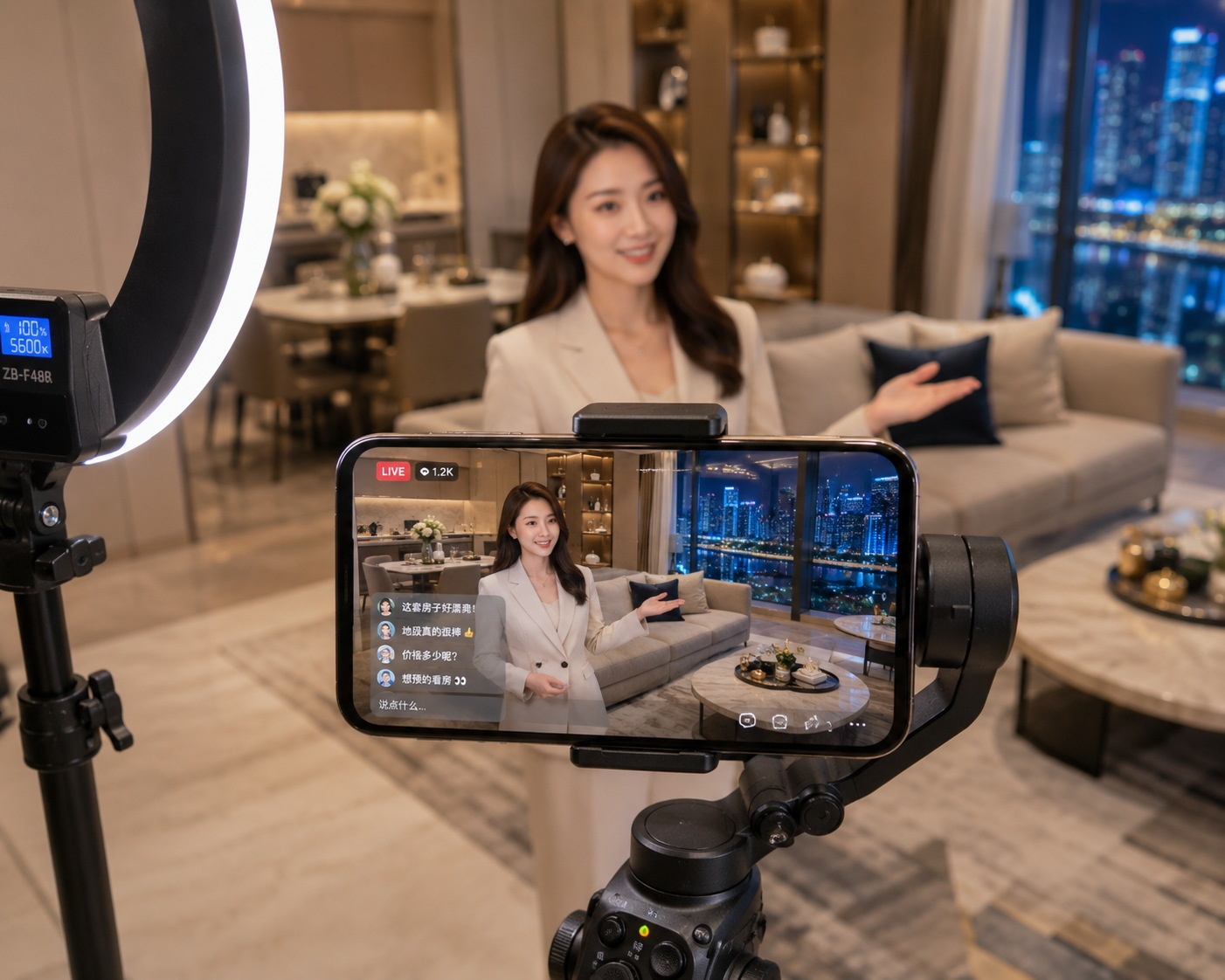
On the screen, a 35-year-old agent named Li Wei walks through a penthouse apartment in the Lujiazui financial district. The unit costs $2.5 million. Li doesn’t just show the marble floors; he sits on the Italian sofa, opens the floor-to-ceiling windows to show the view of the Huangpu River, and answers questions from 5,000 viewers scrolling through their phones. “This light is perfect for morning coffee,” he says, smiling at the camera. “And the smart home system can control everything with your voice.”
This scene is no longer an anomaly. It is the new normal in China’s high-end real estate market. The era of waiting for customers to visit physical showrooms is fading, replaced by a dynamic, interactive digital experience that bridges the gap between luxury aspiration and digital convenience.
From Physical Offices to Virtual Tours
To understand why live streaming has become essential, one must look at the recent history of Chinese real estate. For decades, buying property here meant visiting massive, often intimidating sales centers. You would sit down with an agent, review paper brochures, and try to visualize your life in a space you couldn’t fully see.
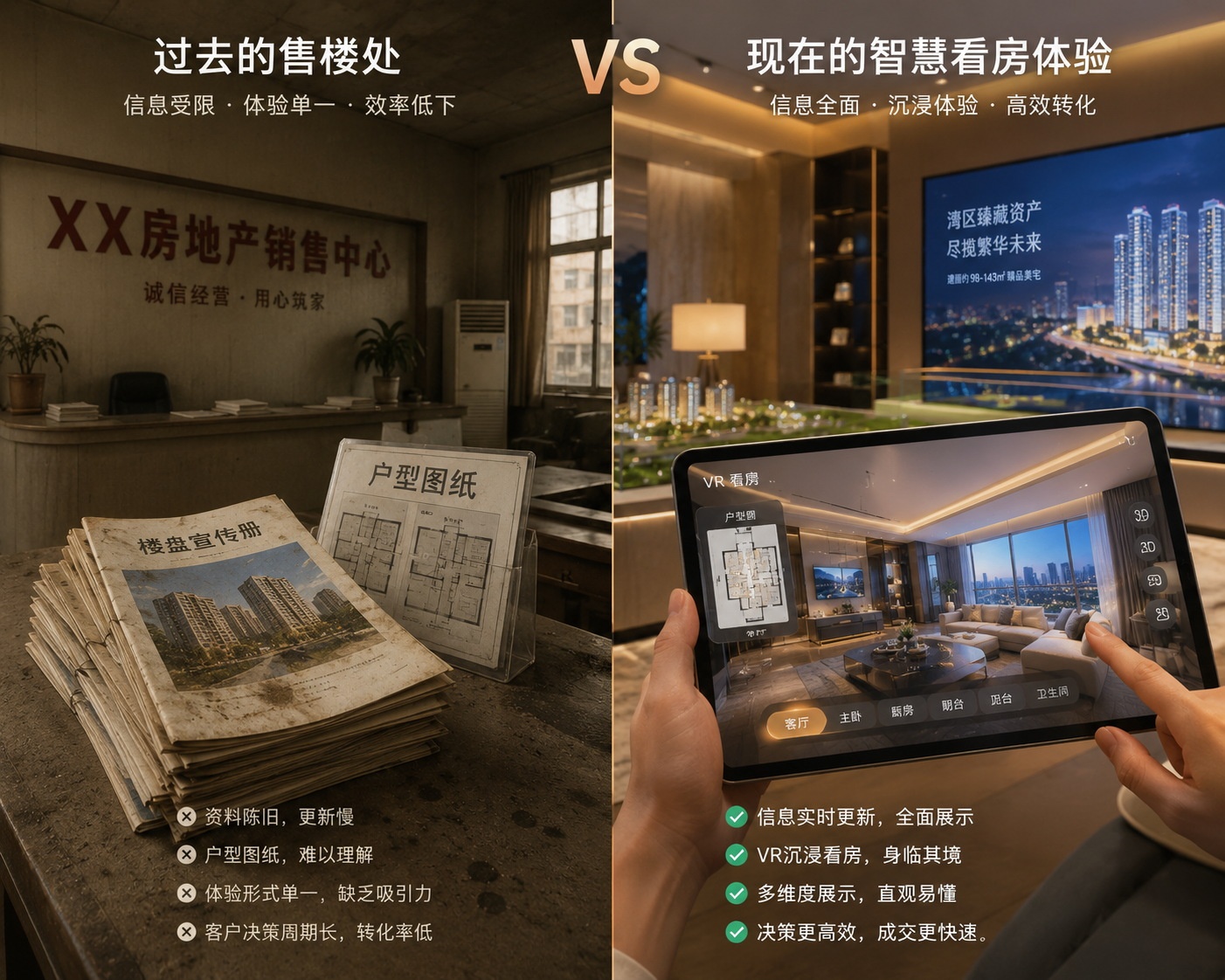
The pandemic acted as a catalyst. With travel restrictions and social distancing measures in place, developers could not rely on foot traffic. They turned to Virtual Reality (VR) tours, allowing buyers to walk through apartments from their living rooms. While VR improved accessibility, it lacked human connection. It was static and impersonal.
Live streaming added the missing piece: the human element. Agents like Li Wei do not just show the house; they sell the lifestyle. They respond to real-time comments, adjust lighting on the fly, and create a sense of community even for remote viewers. This shift was not just a survival tactic during the pandemic; it became a permanent fixture because it offered something physical offices could not: immediacy and intimacy.
The Psychology of the Digital Auction
Selling a $2 million apartment via a smartphone screen requires a different psychological approach than traditional sales. Live streaming leverages three key drivers: visual impact, interactivity, and urgency.
First, the visual quality has evolved. High-definition cameras and professional lighting allow agents to showcase details that brochures miss—the texture of the wood flooring, the quality of the window seals, the view from the balcony. For younger buyers, who are digital natives, this clarity builds confidence faster than a paper catalog.
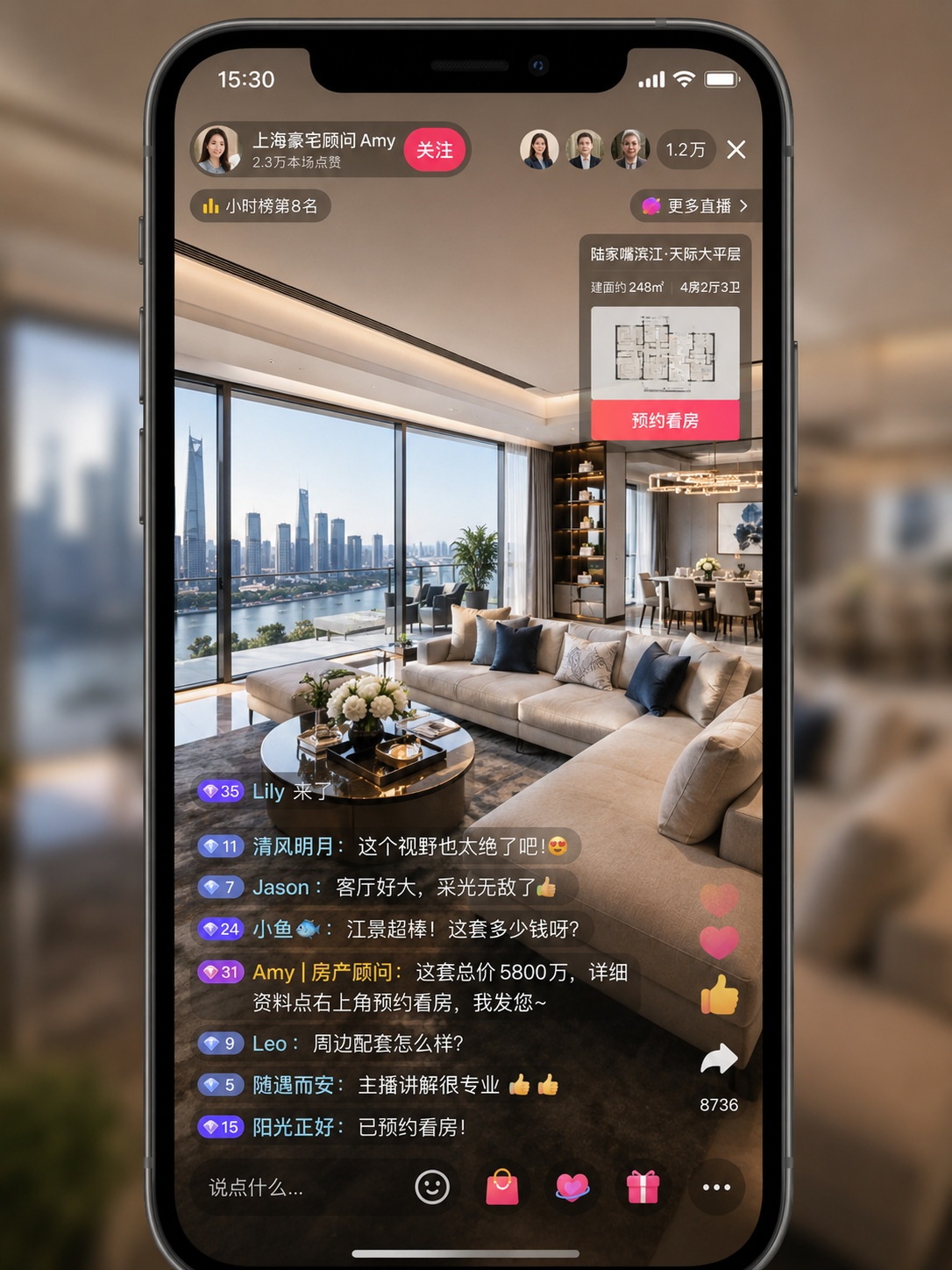
Second, interactivity reduces anxiety. Buying a home is the largest financial decision most people make. In a physical store, you can always leave if you feel pressured. In a live stream, the agent can address specific concerns immediately. “Is the soundproofing good?” a viewer might ask. The agent can demonstrate by clapping loudly or playing music, providing instant proof. This transparency helps build trust in a market historically plagued by off-plan delivery delays.
Third, urgency is manufactured through digital scarcity. Agents often announce “live-stream-only discounts” or limited-time bonuses, such as free furniture packages or waived property management fees for the first year. This creates a Fear Of Missing Out (FOMO) effect, compelling viewers to act quickly rather than delaying their decision.
Building Trust in a Digital Vacuum
However, selling luxury homes online faces a significant hurdle: trust. How can a buyer be sure they are not purchasing a “pig in a poke”—a property that looks better in the video than in reality?
Top-tier agents and developers have responded with radical transparency. Many now offer “virtual-to-physical” conversion paths. They encourage viewers to schedule an in-person visit after the stream, often providing transportation or exclusive access. Some agencies even provide 360-degree video recordings of the exact unit for sale, ensuring no hidden flaws.

Furthermore, the rise of “key opinion leaders” (KOLs) in real estate has changed the dynamic. Professional agents with verified credentials and large followings act as trusted intermediaries. Their reputation is tied to their sales record, so they have a vested interest in maintaining honesty. If an agent misrepresents a property, the backlash on social media can be immediate and damaging.
The Reality Check: Conversion Rates and Limits
Despite the glamour of live streaming, it is not a magic wand for all real estate. The conversion rates for high-end properties remain low compared to mass-market items. Most viewers are window shopping; only a tiny fraction actually purchase through the stream.
Moreover, this method works best in tier-1 and tier-2 cities like Shanghai, Beijing, and Shenzhen, where the market is liquid and buyers are tech-savvy. In smaller cities or for lower-income housing, traditional methods or cheaper digital channels may still be more effective. The cost of producing high-quality live streams—including professional teams, equipment, and platform advertising fees—can be prohibitive for smaller developers.
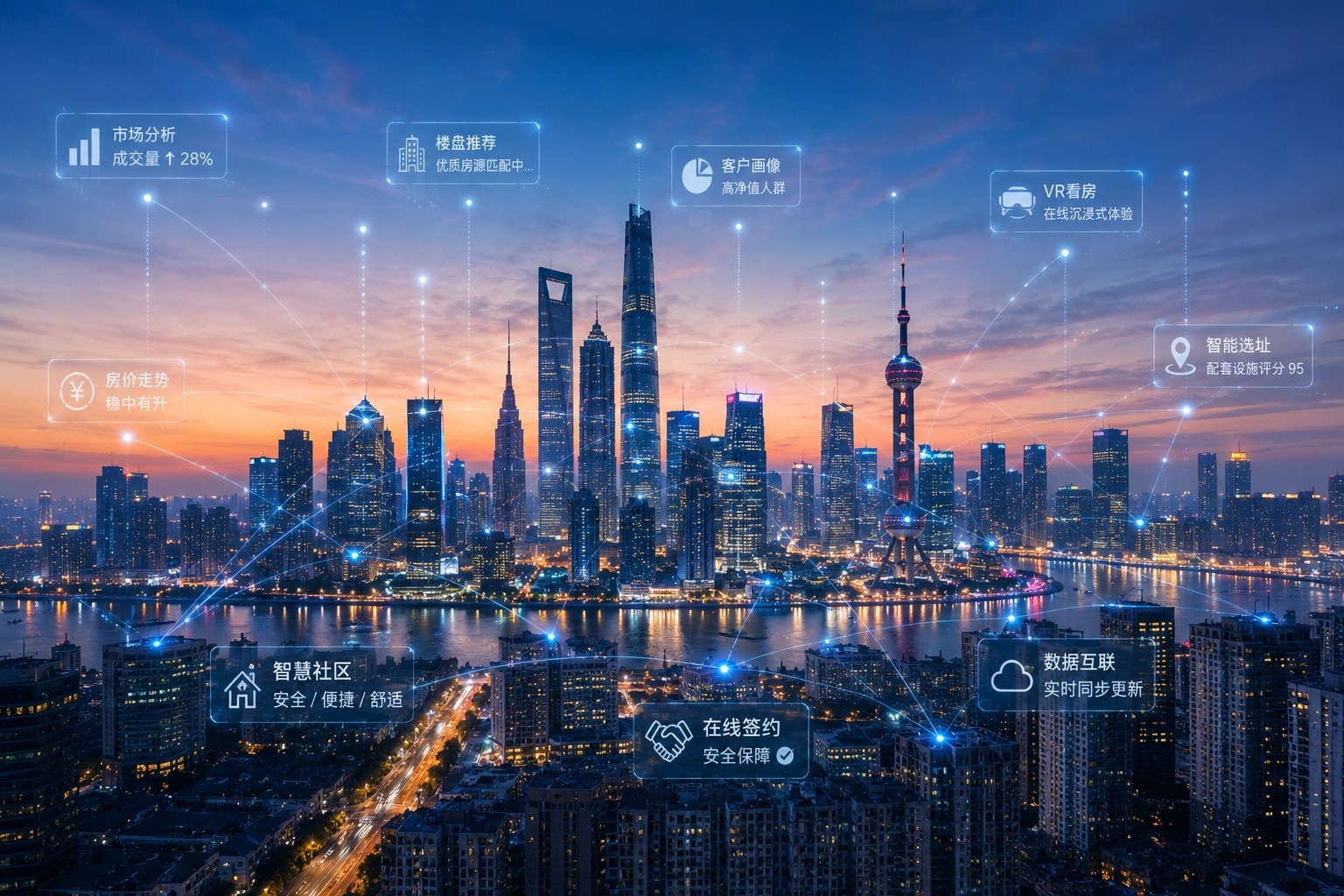
Nevertheless, the trend is irreversible. Live streaming has democratized access to luxury real estate information. It has forced agents to become better communicators and developers to produce higher-quality products. For the buyer, it offers a new way to explore possibilities without leaving home. As technology improves, with the potential for augmented reality (AR) overlays in future streams, the line between digital viewing and physical ownership will continue to blur.
In China, the smartphone has become more than a communication device; it is a portal to a new kind of consumption. Selling millions of dollars in real estate through a screen is not just about technology; it is about adapting to a society that values efficiency, transparency, and digital connection above all else.