

The Contrast: Waiting vs. Being Welcomed
At 7:30 AM, the public hospital in central Shanghai is already a sea of faces. People sit on narrow plastic chairs, clutching paper slips, waiting for doctors who may not see them until noon. The air is thick with anxiety and the smell of disinfectant.
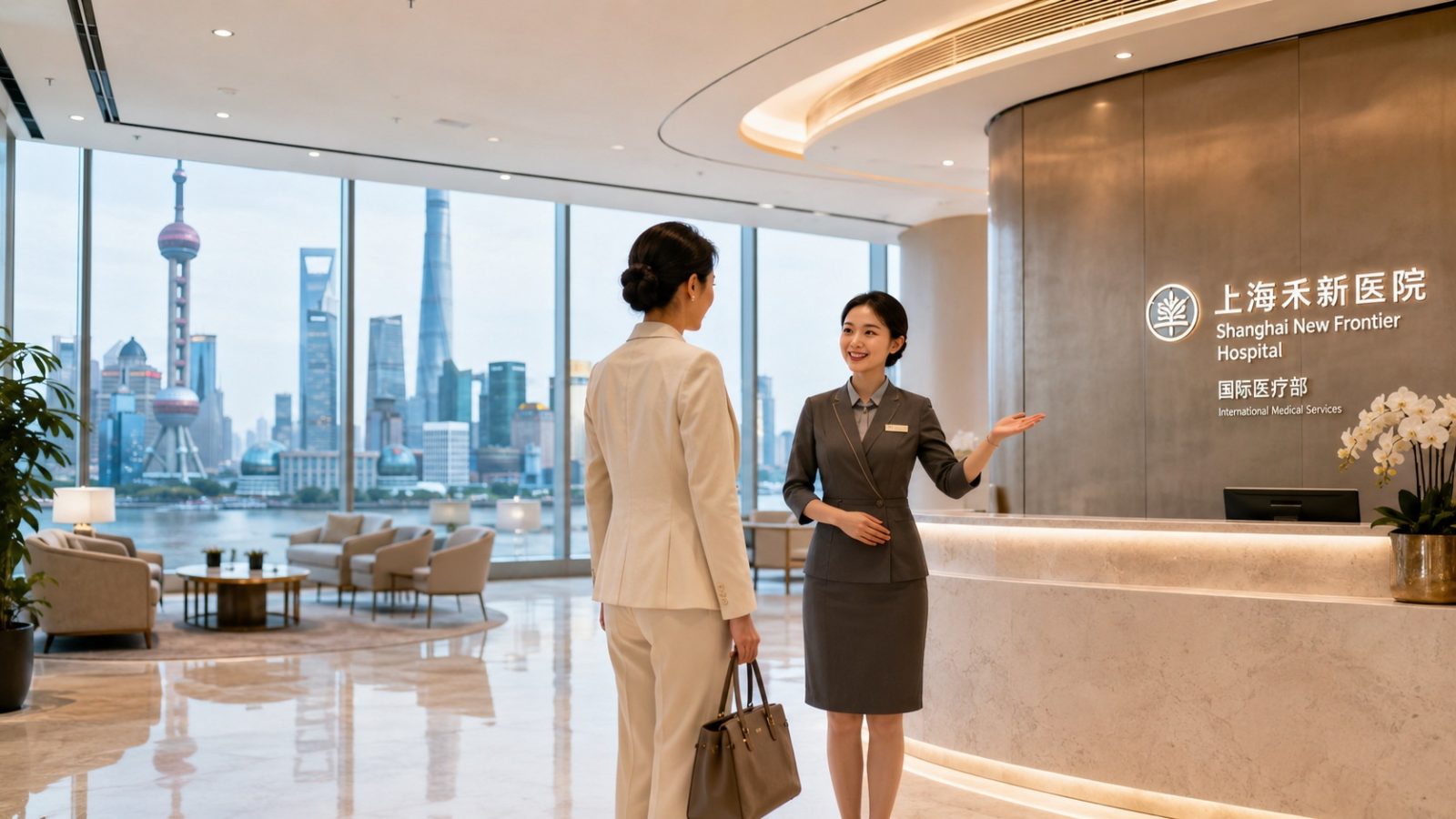
Just two kilometers away, in a quiet high-rise in the Jing’an District, the scene is entirely different. There are no plastic chairs. No ticket numbers. As Li Wei, a 38-year-old marketing director, steps into the lobby of ARII International Hospital, he is greeted by a concierge who takes his coat and guides him to a private consultation room. The only sound is soft jazz playing in the background.
This is the reality of China’s high-end private healthcare sector. For those who can afford it, medical care has become less about survival and more about service quality, efficiency, and dignity.
What $2,000 Actually Buys You
Likely the most striking question from overseas readers is: Why would anyone pay $2,000 (approx. 15,000 RMB) for a routine health check-up? In China’s public system, a comprehensive annual exam might cost $50 to $100, heavily subsidized by the state.
The answer lies in the structure of the service. The high-end package is not just a list of tests; it is a holistic experience designed to eliminate stress.
- Time Efficiency: The entire process, which would take three fragmented days in a public hospital, is completed in under four hours. Doctors from multiple specialties—internal medicine, cardiology, oncology, and imaging—are available simultaneously in the same room.
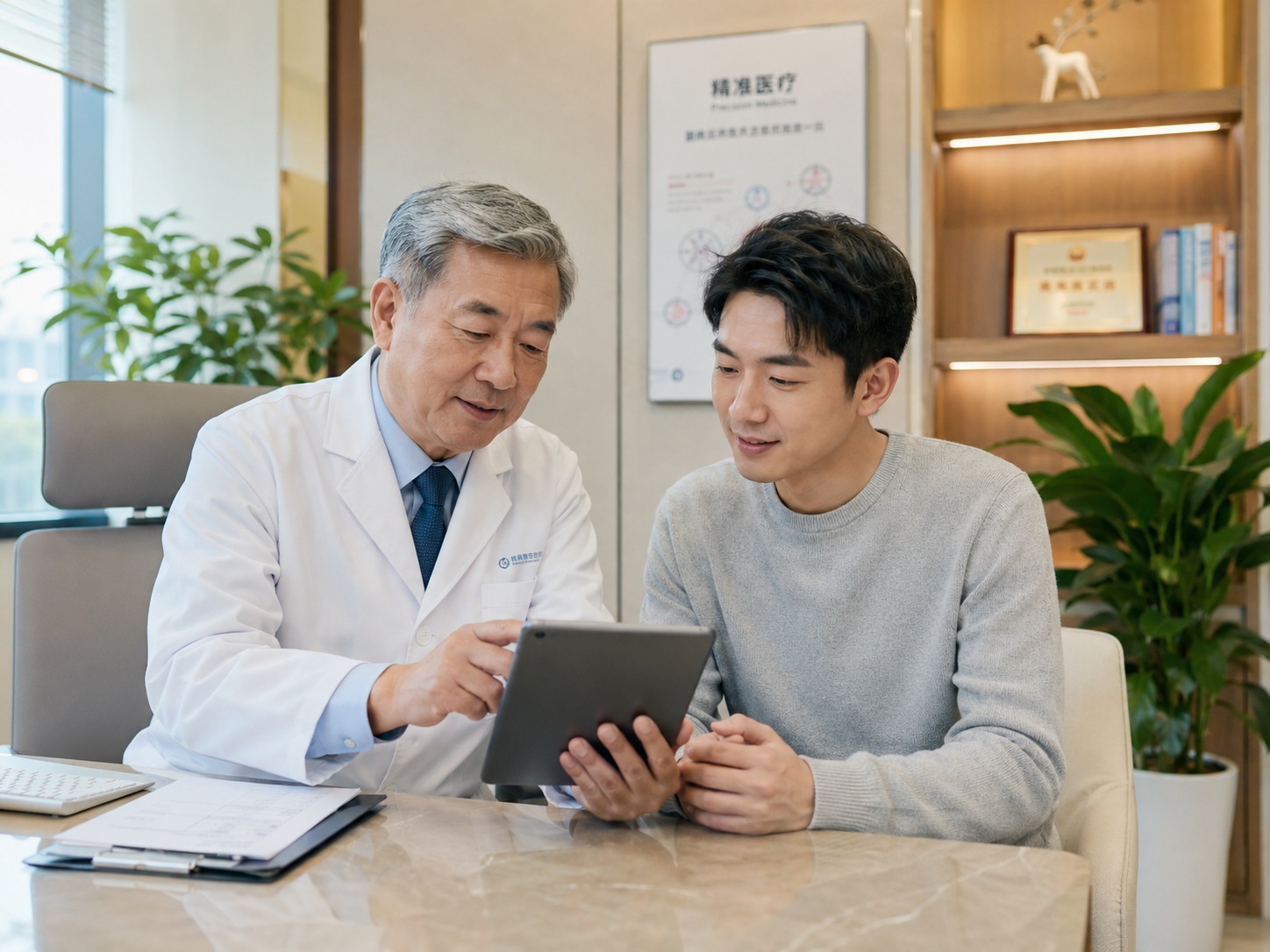
- Expert Access: Instead of seeing a resident doctor, Li Wei consults with senior specialists who often have dual qualifications, trained in both China and Western countries. If an anomaly is found, they can immediately arrange a remote consultation with top experts from hospitals like Johns Hopkins or Mayo Clinic, bypassing the months-long wait for an international appointment.
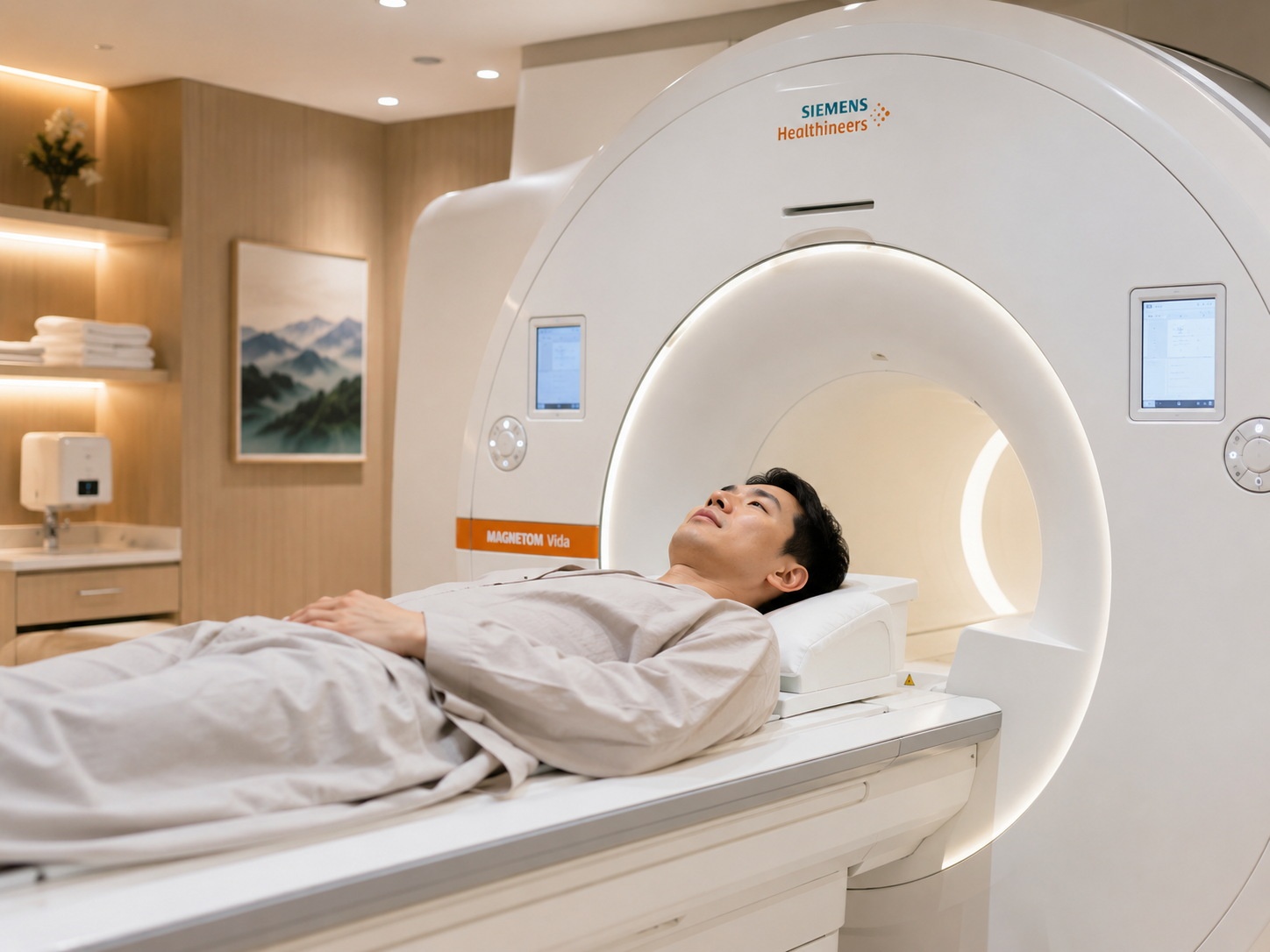
- Privacy and Comfort: Every room is soundproof. There are no strangers overhearing your medical history. The equipment includes the latest MRI and PET-CT machines, often newer than those in public hospitals due to faster procurement cycles for private institutions.
The Logic of Premium: Buying Time and Peace of Mind
For China’s urban elite, the premium is not paid for better medicine—public hospitals still handle the complex surgeries and emergency trauma cases with world-class skill. The premium is paid for time and privacy.
Li Wei explains it simply: “I can’t spend three days off work just to find out if I’m healthy. In a public hospital, I’m a number. Here, I’m a patient.”
This shift reflects a broader trend in China’s service economy. As the middle class expands, consumers are increasingly willing to pay for convenience and emotional value. This is seen not just in healthcare, but in education, dining, and travel. The “convenience premium” is a rational economic choice for busy professionals who view their time as more valuable than the marginal cost of a better experience.
Filling the Gap: Prevention over Cure
High-end private clinics are also pioneering a model of “preventive medicine” that public hospitals struggle to offer at scale. In China’s public system, doctors are overwhelmed with volume. They diagnose and treat acute illnesses efficiently, but have little time for long-term health management.
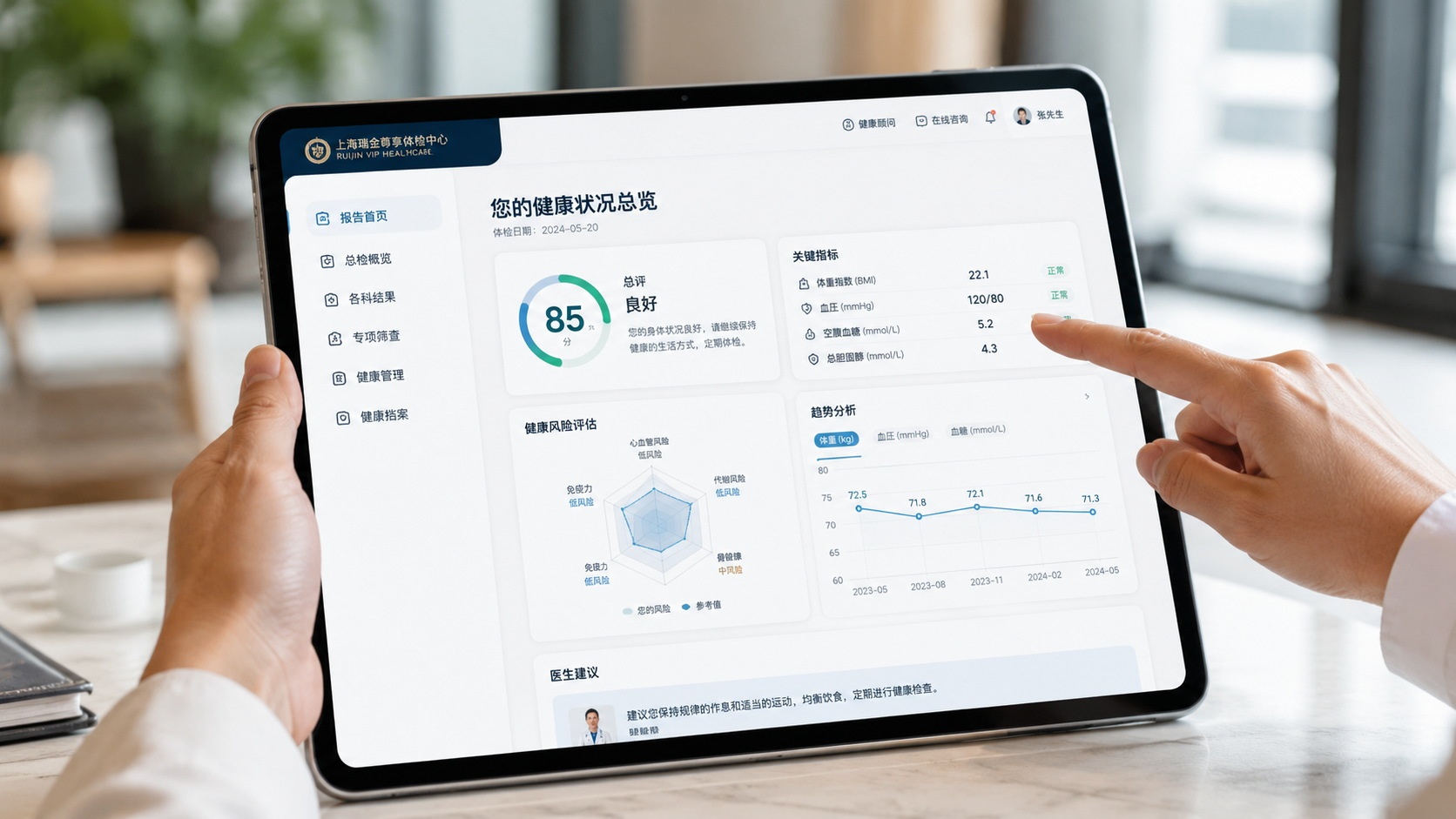
In contrast, private clinics focus on data tracking and lifestyle intervention. After the $2,000 check-up, Li Wei receives a detailed digital health report and a personalized plan. A dedicated health manager follows up monthly, adjusting his diet and exercise regimen based on his blood markers. This proactive approach is rare in the public sector, where the focus is typically reactive—treating disease after it appears.
A New Standard of Living
The rise of high-end private healthcare does not mean the collapse of public medicine. China’s public system remains the backbone of care for hundreds of millions, providing essential access at low cost. However, a two-tier system is emerging.
For the wealthy and the upper-middle class, healthcare is becoming a luxury good, similar to international schools or premium real estate. It reflects a desire for control over one’s body and life. As China’s economy matures, the demand for personalized, high-quality services will likely continue to grow, pushing both private and public sectors to innovate.
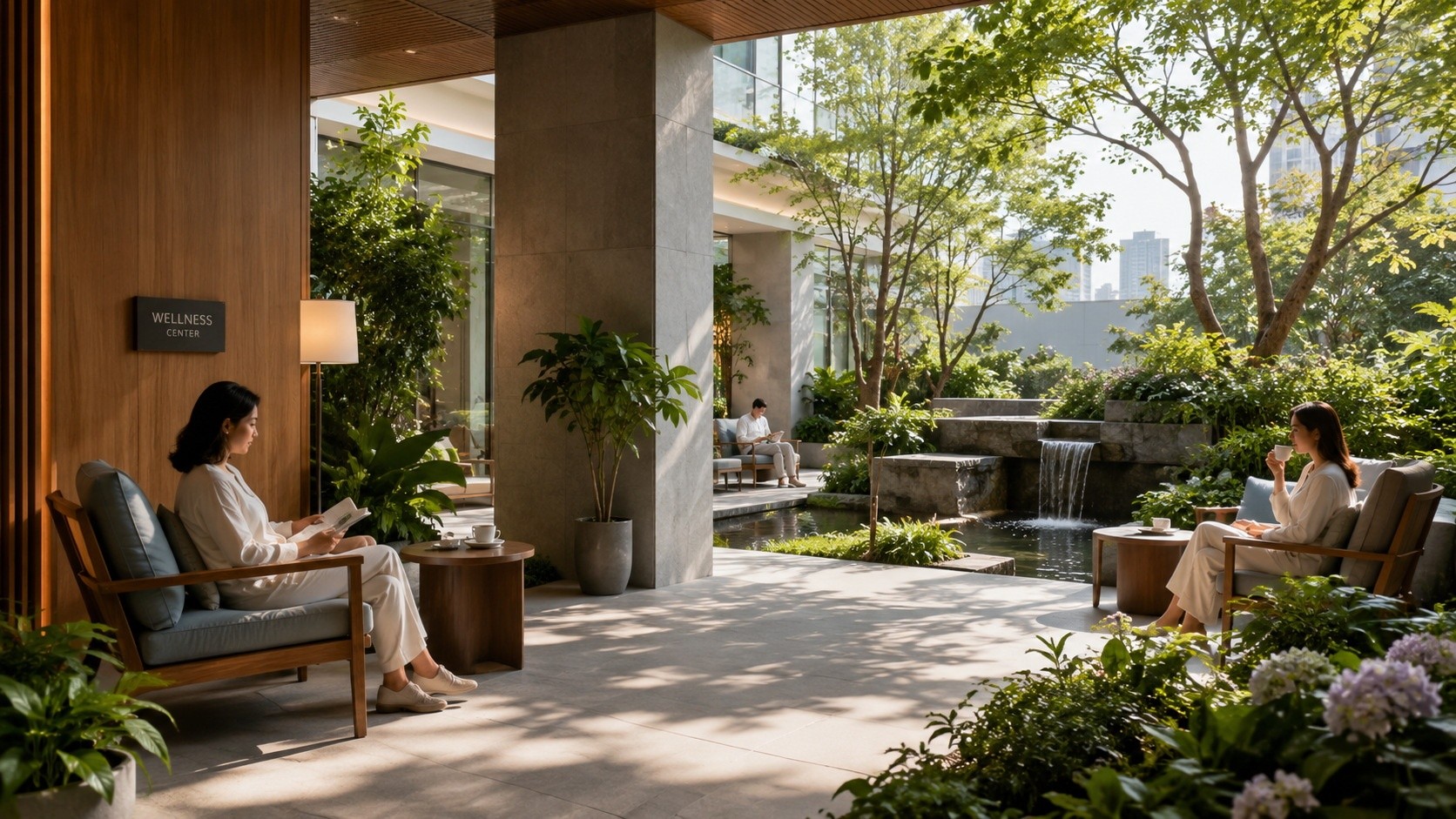
Ultimately, the $2,000 check-up is more than a medical transaction. It is a symbol of a changing society—one where efficiency, privacy, and individual well-being are becoming as important as basic access. For overseas observers, it offers a clear window into how China’s growing wealth is reshaping daily life, not just in skyscrapers, but in the quiet rooms where people go to ensure they stay alive.