

Redefining “Influencer”: From Entertainment to Economic Connector
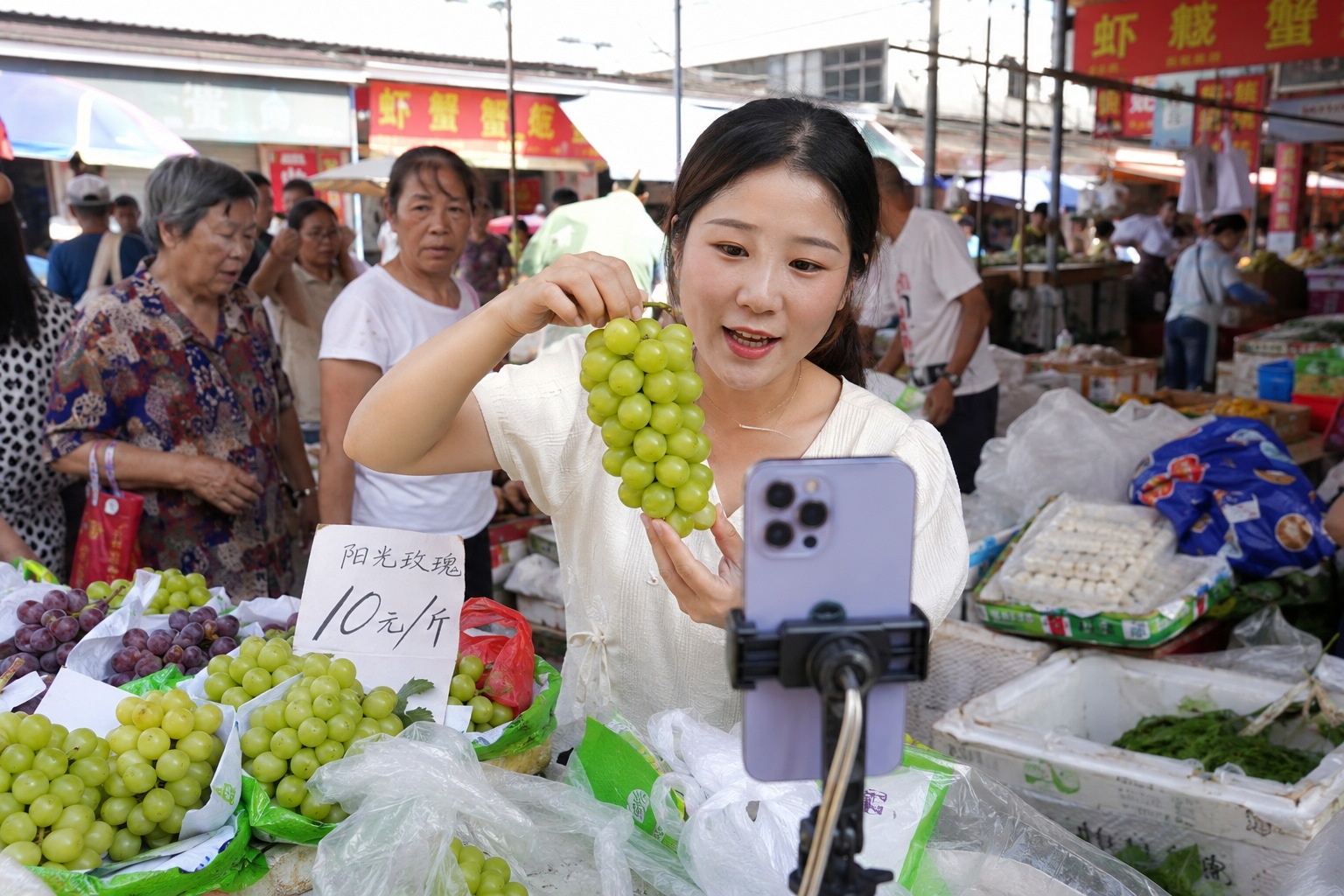
If you still think of Chinese influencers as polished celebrities dancing in studios, you are looking at only half the picture. Walk into a wet market in Chengdu or a textile factory in Zhejiang, and you will find a different kind of star.
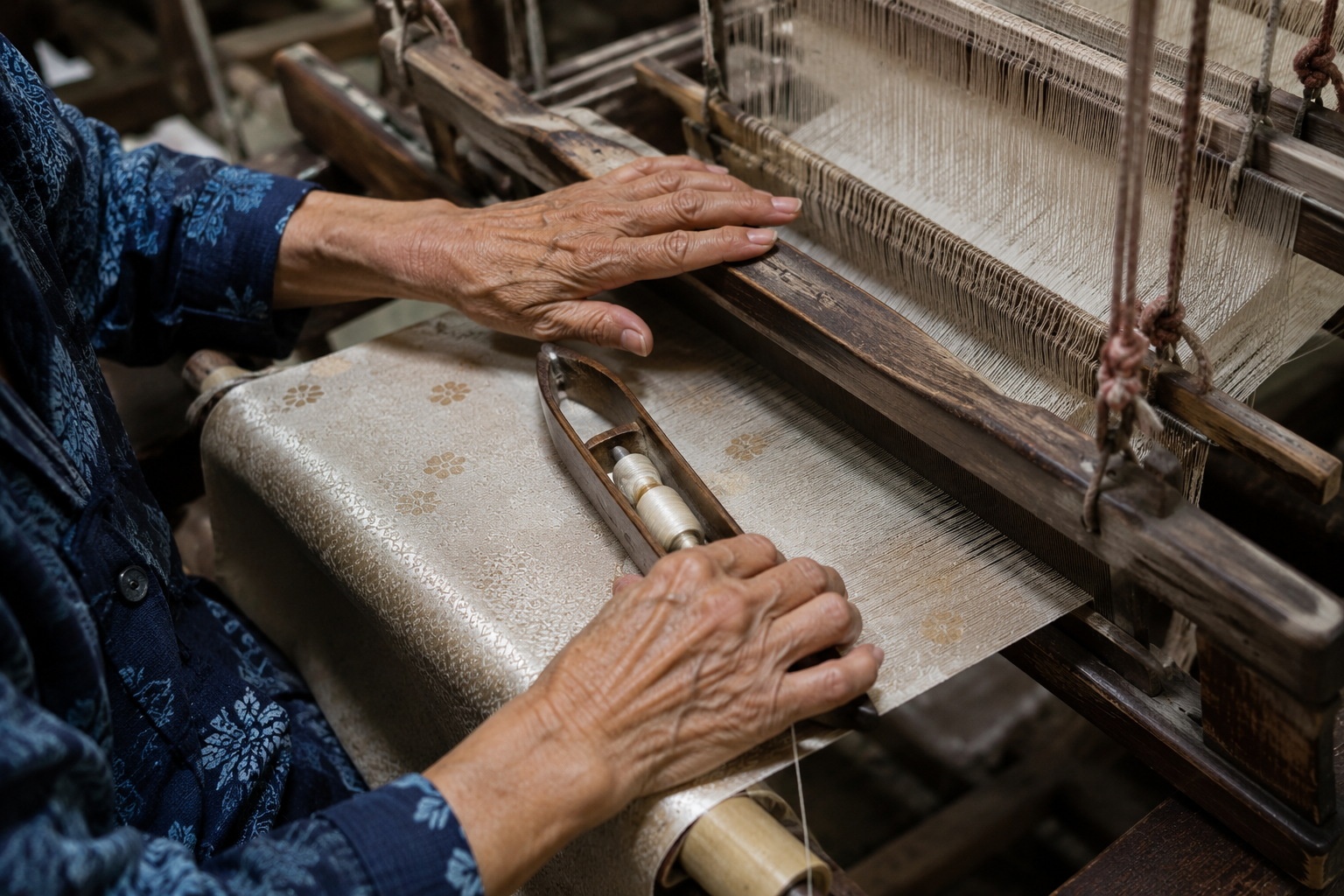
Li Wei, a 34-year-old weaver in a small town in Jiangsu, has 200,000 followers on Douyin (the Chinese version of TikTok). He doesn’t sing or dance. He films the rhythmic clacking of his loom, explaining the difference between silk and synthetic fibers in plain language. His videos are raw, unedited, and often shot with a smartphone propped up on a spool of thread. Yet, his handmade scarves sell out within minutes.
This is the new face of China’s influencer economy. It has shifted from pure entertainment to a functional bridge between production and consumption. For overseas readers, this shift is crucial: it means that “going viral” in China is no longer just about fame; it’s about traffic that converts into tangible economic value. The internet has democratized visibility, allowing niche skills and local products to find audiences far beyond their geographic borders.
The Invisible Backbone: How the Supply Chain Actually Works
Behind every viral video of a product is a sophisticated logistics network. In the West, influencer marketing often relies on brands sending free samples to creators, who then post polished reviews. In China, the model is faster, more integrated, and often involves small-scale manufacturers directly.
Content Creation: Vertical Expertise Over Vanity
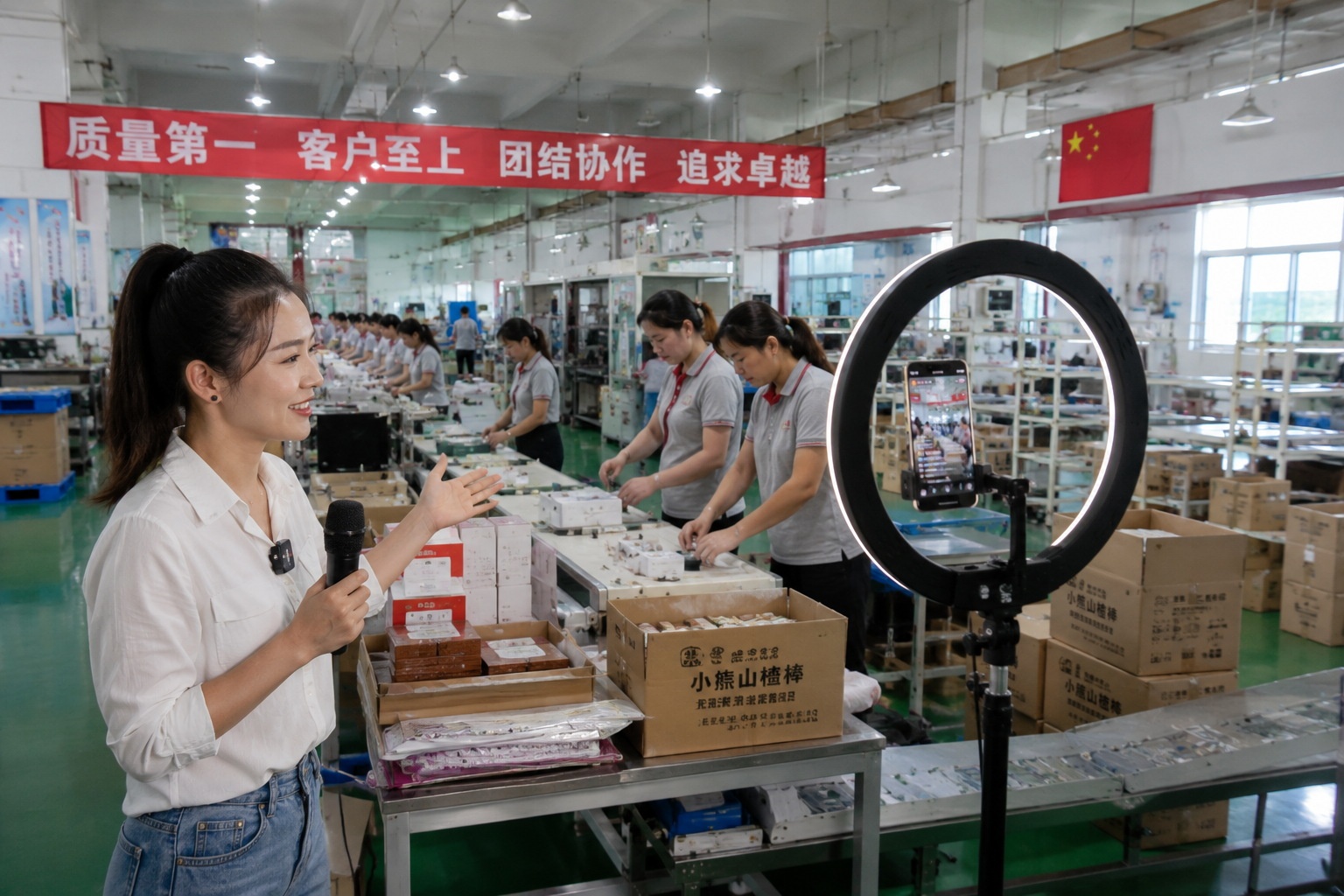
The most successful Chinese influencers are not necessarily the most attractive; they are the most knowledgeable. We see “agricultural influencers” livestreaming from rice paddies, teaching viewers how to identify organic produce. We see “factory bosses” showing the entire manufacturing process of a single plastic cup, from raw material injection to packaging.
This transparency builds trust. When a viewer sees the factory floor, the product quality becomes self-evident. This shift has given rise to the C2M (Consumer-to-Manufacturer) model. Platforms like Taobao Live and Kuaishou connect consumers directly with factories, bypassing traditional wholesalers. A “white-label” product—something without a famous brand name—can go from a factory floor in Yiwu to a buyer’s doorstep in Berlin in days, all because a creator explained its value clearly.
Platform Algorithms: Breaking the Echo Chamber
For ordinary people, the algorithm is both a gatekeeper and a ladder. Unlike social media in some Western countries that may favor existing celebrity status, Chinese platforms use interest-based tagging. If you watch a video about traditional pottery, the algorithm will push other niche craft videos to you, regardless of the creator’s follower count. This allows a small artisan in a remote village to find a dedicated global audience without spending millions on advertising.
The Ordinary Person’s Ticket: Low Barrier, High Challenge
You might assume that becoming an influencer requires expensive equipment or a professional team. While top-tier MCNs (Multi-Channel Networks) do exist and manage large rosters of creators, the barrier to entry for individuals remains surprisingly low.
A Story from a County Town
Consider Zhang Min, a former office worker who returned to her hometown in Guizhou. She started filming her grandmother’s traditional embroidery process. Initially, the views were few. But Zhang didn’t just show the final product; she documented the failures, the broken needles, and the stories behind the patterns. This narrative approach resonated with viewers tired of perfect, curated content.
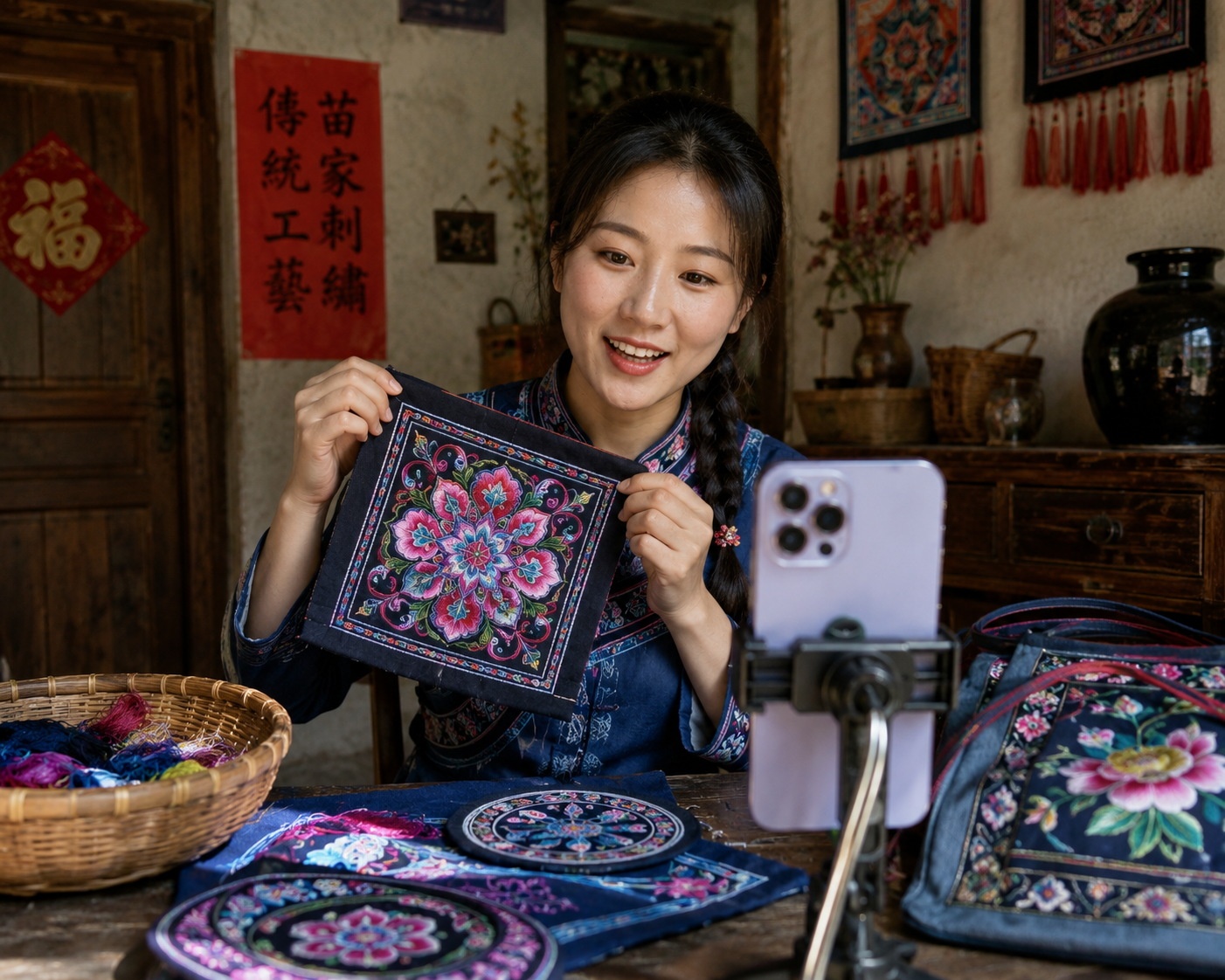
Today, Zhang’s account generates enough revenue to support her family and hire local women. Her success highlights a key skill set required in today’s economy: it’s not just about holding a camera. It’s about storytelling, data analysis (understanding which video hooks retain viewers), and cross-cultural communication. For those looking to enter this field, the challenge is no longer technical access to technology, but the ability to craft authentic narratives.
Why Global Audiences Are Watching
For international viewers, Chinese influencer content offers a rare window into daily life that feels unfiltered. There is a growing appetite for “de-tagged” reality—the mundane, the beautiful, and the practical aspects of living in China that don’t fit into political narratives or exotic stereotypes.
This shift is also changing perceptions of “Made in China.” For decades, global consumers associated Chinese goods with low cost and low quality. Today, through the lens of these creators, we see innovation, sustainability, and craftsmanship. A viewer in London might buy a bamboo chair from a Chinese artisan because the video explained the eco-friendly design process. This is a move from “Made in China” to “Created by China,” driven by human connection rather than corporate branding.
Conclusion: Long-Termism in a Noisy World
The Chinese influencer economy is loud, fast, and competitive. But beneath the noise, there is a steady trend toward professionalism. The days of getting rich quick through gimmicks are fading. What remains are those who provide real value—whether through education, entertainment, or unique products.
For ordinary people, the opportunity lies in authenticity. You don’t need to be famous to have an impact. You just need to be genuine, knowledgeable, and connected to your community. As the supply chain becomes more transparent, the spotlight is shifting from the few to the many, turning everyday lives into viable careers.