


The Cashless Reality in China
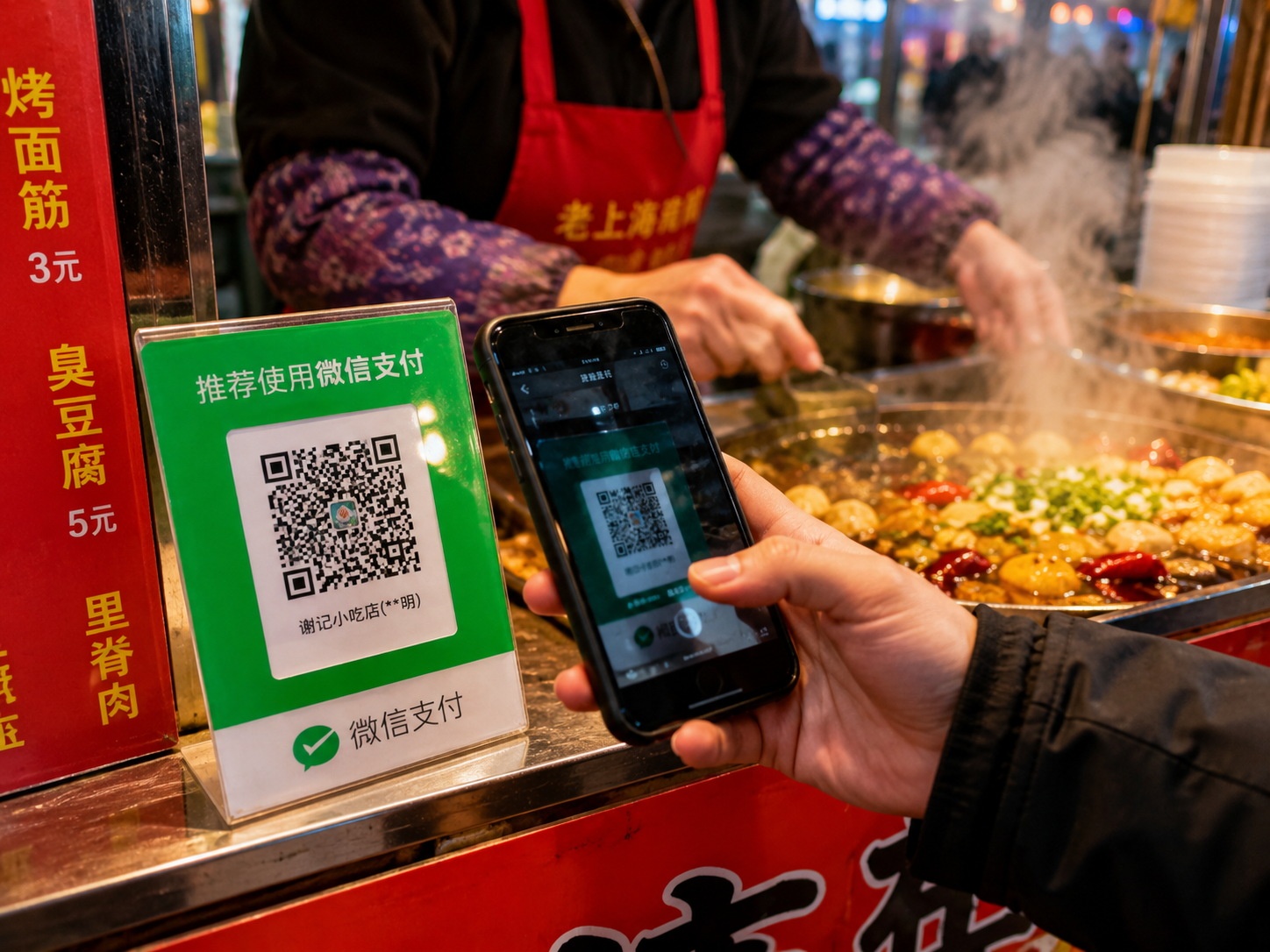
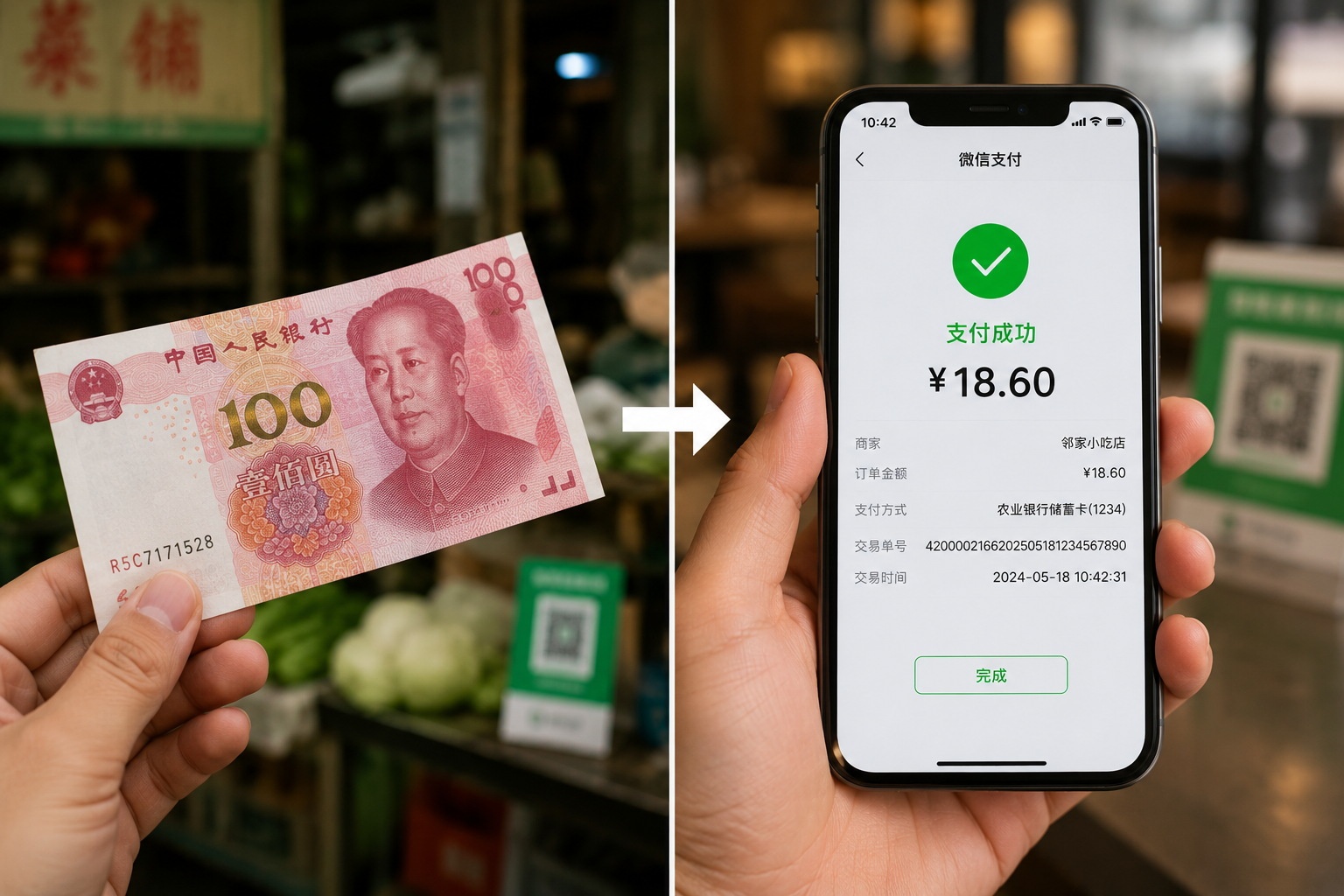
Walk into any convenience store, subway station, or street food stall in a Chinese city, and you will likely encounter a silent crisis for tourists: the absence of a cash register. Since roughly 2018, China has undergone a rapid shift to digital payments. Today, nearly every transaction, from buying a bottle of water to paying for a luxury car, happens via QR codes. For foreigners, this creates a unique barrier. If you arrive with only physical credit cards or cash, you may find yourself unable to buy a bus ticket or pay for dinner.
Why Verification Matters
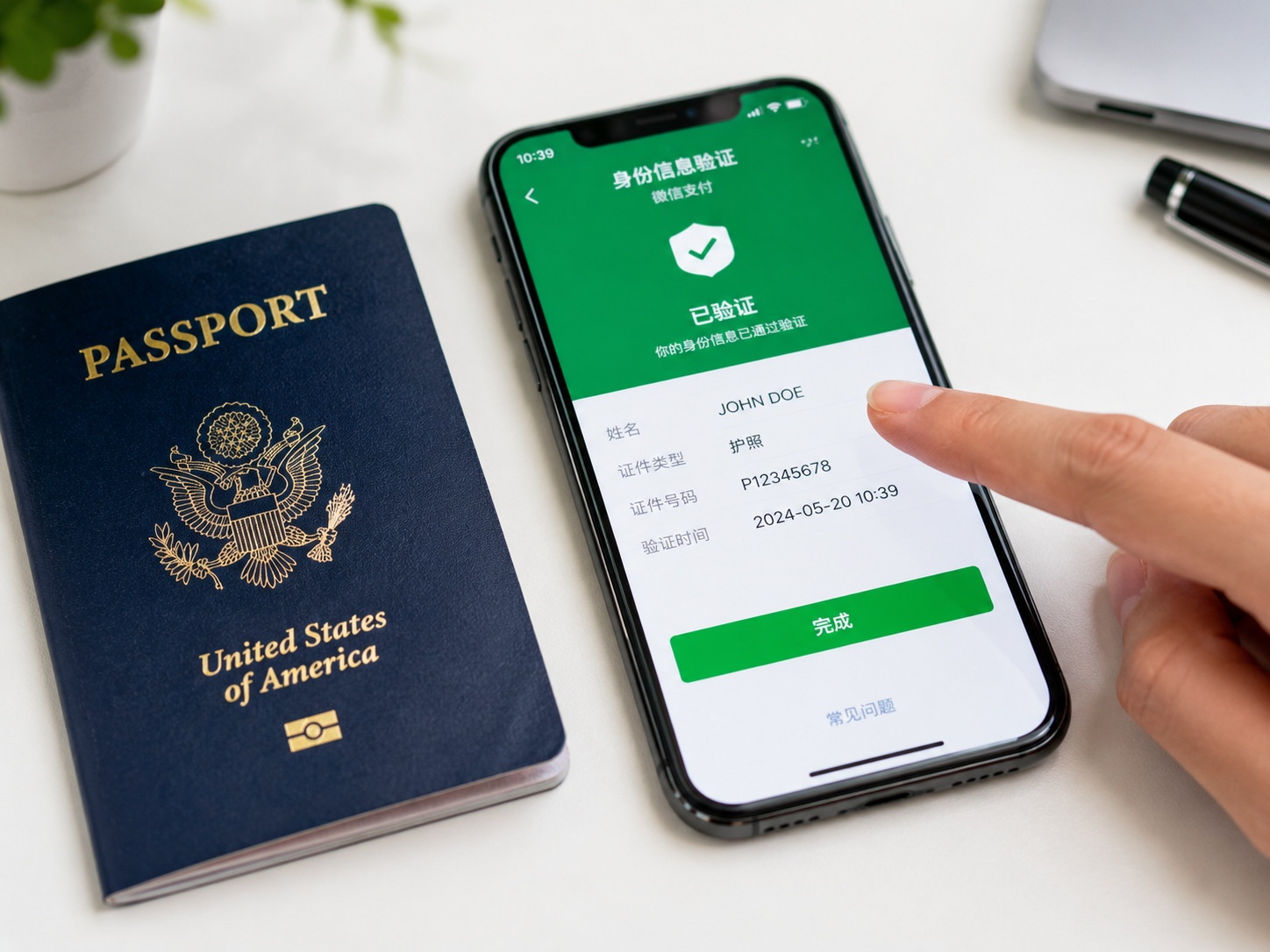
The primary hurdle for foreign users is not the technology itself, but the regulatory framework. China’s financial system requires strict identity verification (Know Your Customer) to prevent money laundering and fraud. Unlike domestic users who link bank cards with their national ID numbers, foreigners must use passports and international credit cards.
This process has become more streamlined in recent years, but it is not automatic. Both WeChat Pay (Tencent) and Alipay (Ant Group) have separate interfaces for international users. Understanding the difference between them is the first step to a smooth experience.
WeChat Pay vs. Alipay: The Core Differences
While both apps function similarly, their approaches to foreign card linking differ slightly.
WeChat Pay
WeChat is primarily a messaging app with payment features. For foreigners, the “Tour Pass” feature has been largely integrated into the main app. You can link Visa, Mastercard, JCB, Discover, or Diners Club cards directly. The key advantage is its ubiquity; WeChat is used for social interaction, so keeping payments within the same app reduces friction.
Alipay
Alipay is a dedicated financial platform with a more robust interface for international users. It offers a feature called “Tour Card,” which acts as a pre-paid virtual wallet. This can be easier to manage if you want to limit spending or separate travel funds from your main bank account. Alipay also tends to have slightly better customer support for card decline issues.
Step-by-Step Setup Guide
Regardless of which app you choose, the verification process follows a similar logic. Here is how to navigate it without frustration.
1. Download and Register
Download the app from your local app store. When registering, use your mobile phone number. You will receive an SMS code. Ensure your phone can receive international texts. If you are already in China, use your local SIM card; if abroad, use your home country number.
2. Locate the International Card Linking Section
On WeChat: Go to Me > Services > Wallet > Cards > Add a Card. Look for the option that says “International Cards” or similar, often indicated by a small globe icon or explicit text for foreigners. On Alipay: Go to Me > Bank Cards > Add Card. The app should automatically detect your international status and guide you to the foreign card section.
3. Upload Your Passport
This is the most critical step. You must upload a clear photo of your passport’s information page. Ensure the lighting is even, and all four corners of the page are visible. Blurry images are the number one reason for rejection. You will also need to take a selfie within the app for facial recognition. The system uses this to match your face with the passport photo.
4. Link Your Credit Card
Enter your card number, expiration date, and CVV code. Use the name exactly as it appears on the card. Most major international cards work, but some prepaid or debit cards may be declined. Once entered, the app will send a one-time password (OTP) to your bank’s registered phone number or email. Enter this code to complete the linking.
Understanding Limits and Fees
Foreign-linked cards are subject to specific regulations set by Chinese authorities and international card networks.
- Daily Limits: Typically, transactions under 200 RMB (approx. $28 USD) per transaction do not require a password or additional verification. However, the daily cumulative limit for foreign cards is usually around 50,000 RMB per year for consumption. For larger amounts, you may need to re-verify.
- Fees: WeChat Pay and Alipay do not charge extra fees for small transactions (under 200 RMB). For transactions over 200 RMB, a 3% fee is often charged by the payment platform, though this can vary. Your bank may also charge foreign transaction fees, so check with them first.
Common Pitfalls and Solutions
Even with a successful setup, issues can arise. Here are the most common scenarios:
Card Declined
If your payment fails, it is rarely a technical glitch. It is usually a security block from your bank. Notify your bank before traveling that you will be making transactions in China. Some banks block overseas transactions by default.
Identity Verification Failure
If the facial recognition fails, try good lighting and remove glasses or hats. If it still fails, you may need to visit a customer service center in person, though this is rare for tourists.
Small Merchants
In rural areas or small street markets, some vendors may still only accept cash. Always carry a small amount of RMB cash as a backup. Additionally, some very small vendors may not have a QR code stand and might ask you to scan their personal code, which can sometimes be unstable.
Alternative Payment Methods
If you cannot get WeChat or Alipay to work, consider these alternatives:
- Cash: While less common, cash is still legal tender. You can exchange currency at banks or airports.
- UnionPay Cards: If you have a UnionPay card from your home country, it works directly in most places without needing a third-party app.
- Traveler’s Checks: Largely obsolete and difficult to cash in China.
Final Thoughts
Setting up digital payments in China can feel like a bureaucratic hurdle, but it is the key to unlocking the country’s efficient daily life. By preparing your documents and understanding the verification process before you arrive, you can avoid the stress of being stranded without payment options. Embrace the QR code culture—it is the most immediate way to experience modern China.