
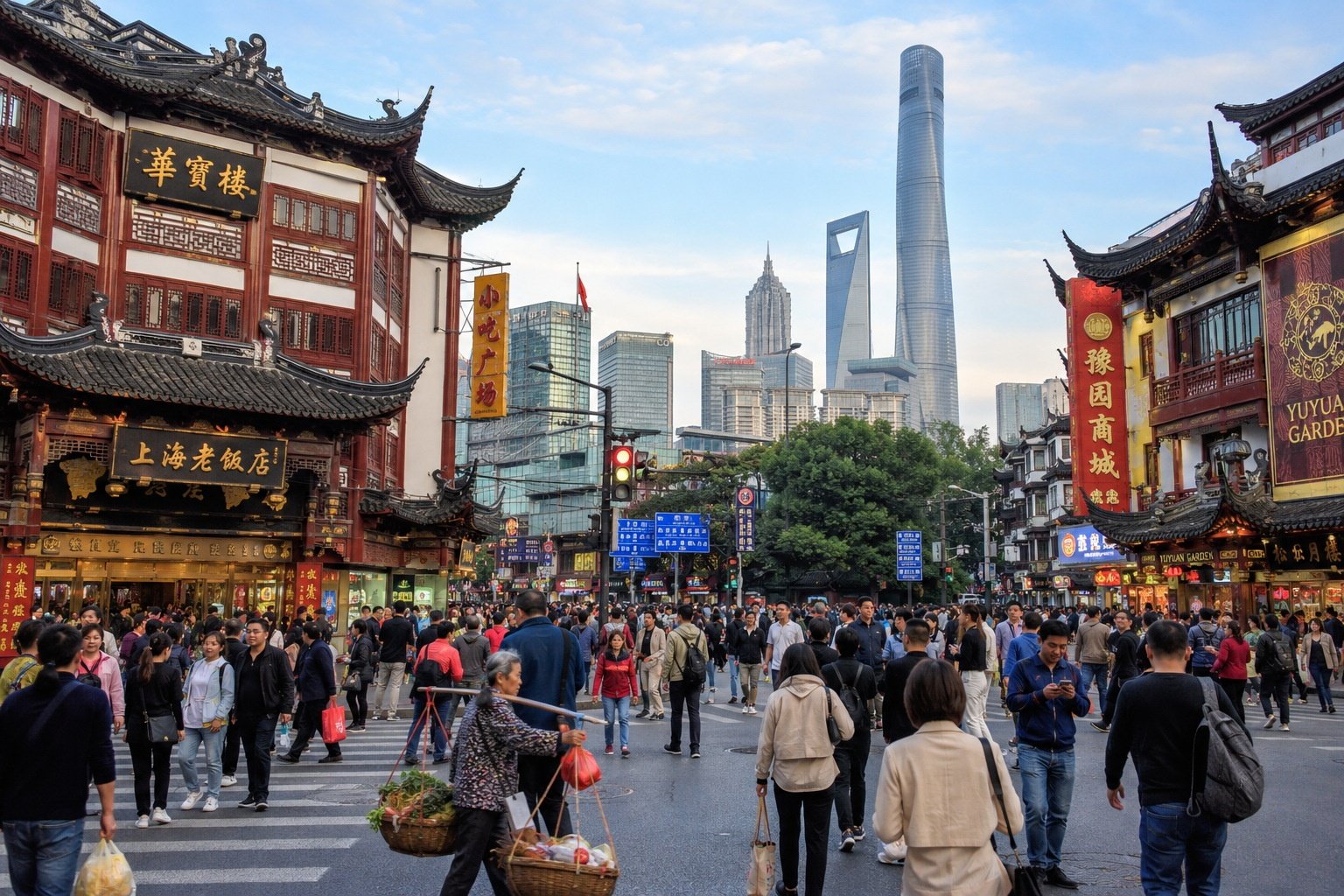

Shattering the Stereotype of Uniformity
If you imagine China as a single, gray block where everyone walks in lockstep and eats the same food, you are likely looking at outdated maps or political slogans rather than real life. The reality is far more vibrant and complex.
Consider the morning commute. In Shanghai, the rhythm is frantic, driven by glass skyscrapers and high-speed rail. A few hundred kilometers south in Guangzhou, the pace slows slightly, replaced by the humid air of teahouses and the cluttered charm of old alleyways. Further west in Chengdu, time seems to stretch; young professionals spend hours in tea gardens debating chess before heading to tech hubs. These are not just different cities; they are different worlds, each with its own pulse, yet all operating within the same national framework.
This is the core of the Chinese concept of “Great Unity” (Da Yitong). It does not mean forced sameness. Instead, it functions as a container—a shared infrastructure of law, language, and economy that allows distinct regional identities to flourish without fragmenting the nation. To understand modern China, one must look past the idea of a monolithic culture and see the mosaic.
The Flavor of Diversity: Food as Cultural Language
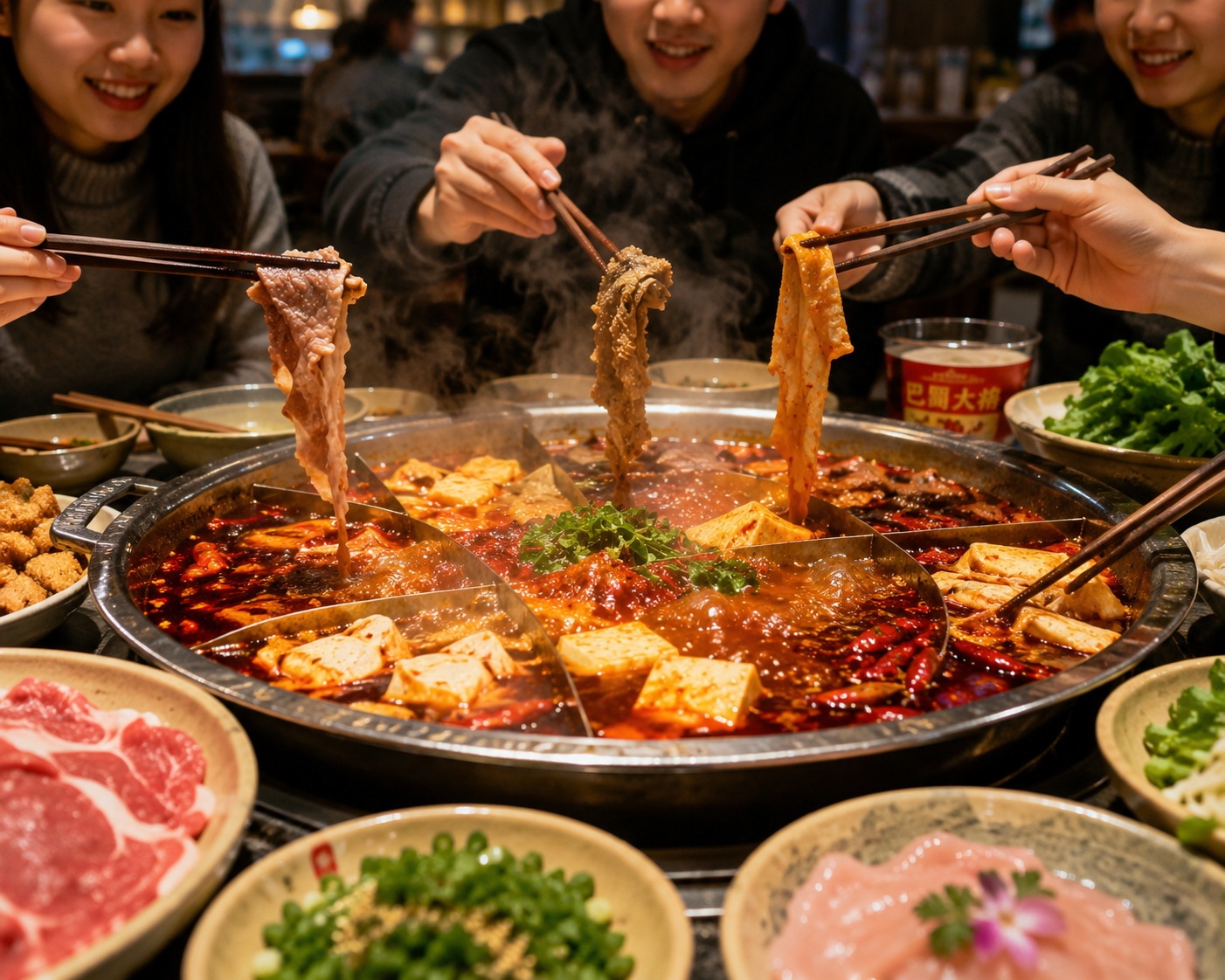
Nowhere is this diversity more palpable than in the kitchen. In China, food is not just sustenance; it is the primary language of regional identity. While national chains exist, they rarely erase local tastes. Instead, they often adapt.
Take the contrast between Sichuan and Cantonese cuisines. In Chengdu, “spicy” (mala) is a way of life. The numbing heat of Sichuan peppercorns mixed with chili is not just a flavor profile; it is a social lubricant. Friends gather around bubbling pots of hotpot, sweating out the humidity and bonding over shared spice tolerance. In Guangzhou, the culinary ethos is entirely different. Here, freshness is king. Dim sum restaurants open before dawn, serving delicate dumplings that highlight the natural sweetness of ingredients. The air smells of steamed buns and tea, not chili oil.
Young people in these cities navigate both worlds. A Gen Z professional in Shanghai might grab a bubble tea from a national chain on the way to work but return home for a weekend feast of locally sourced, traditional dishes. This coexistence proves that globalization and modernization in China do not lead to cultural erasure. Instead, local food traditions have become even more cherished as symbols of home and identity in a fast-moving society.
Languages and Dialects: The Sound of Home
Mandarin (Putonghua) is the linguistic glue of China. It is the language of education, national media, and business. If you travel from Harbin in the north to Haikou in the south, Mandarin ensures you can always order a meal or ask for directions. However, this does not mean local dialects are dying out.
In fact, dialects are experiencing a revival among the youth. In Cantonese-speaking regions, you will still see street signs, local news broadcasts, and even some pop songs in Cantonese. In Shanghai, the soft, melodic Shanghainese is still spoken in neighborhoods like Jing’an, where older residents chat on benches and young entrepreneurs discuss business.
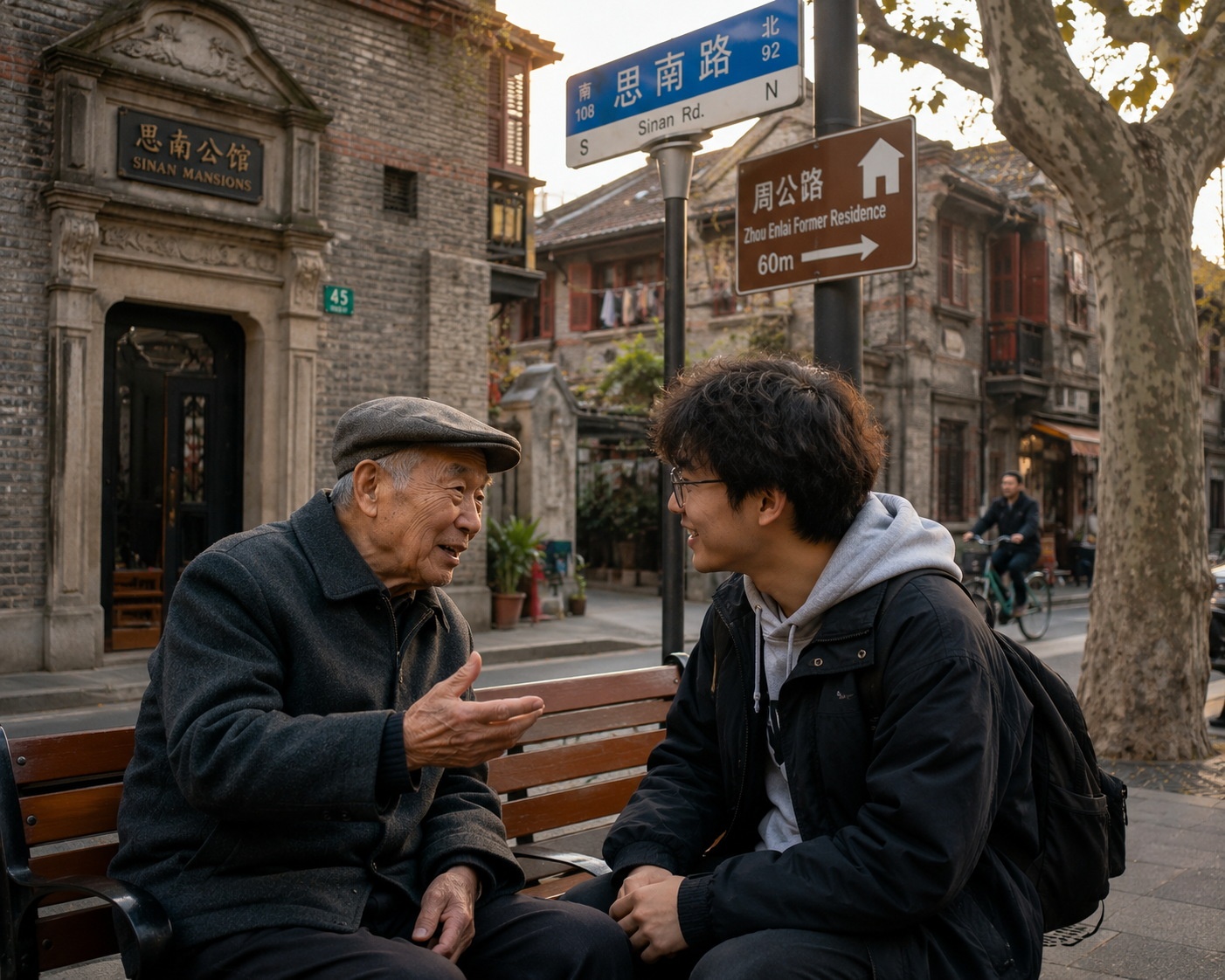
The digital age has actually helped preserve these sounds. Social media platforms are filled with local dialect content—comedy skits, folk songs, and daily vlogs that would be incomprehensible to outsiders but deeply resonant for locals. For many Chinese people, Mandarin is the tool they use to engage with the world, while their dialect is the language of intimacy, family, and emotional comfort. This bilingualism is not a conflict; it is a dual identity.
Festivals and Traditions: Local Roots, National Sharedness
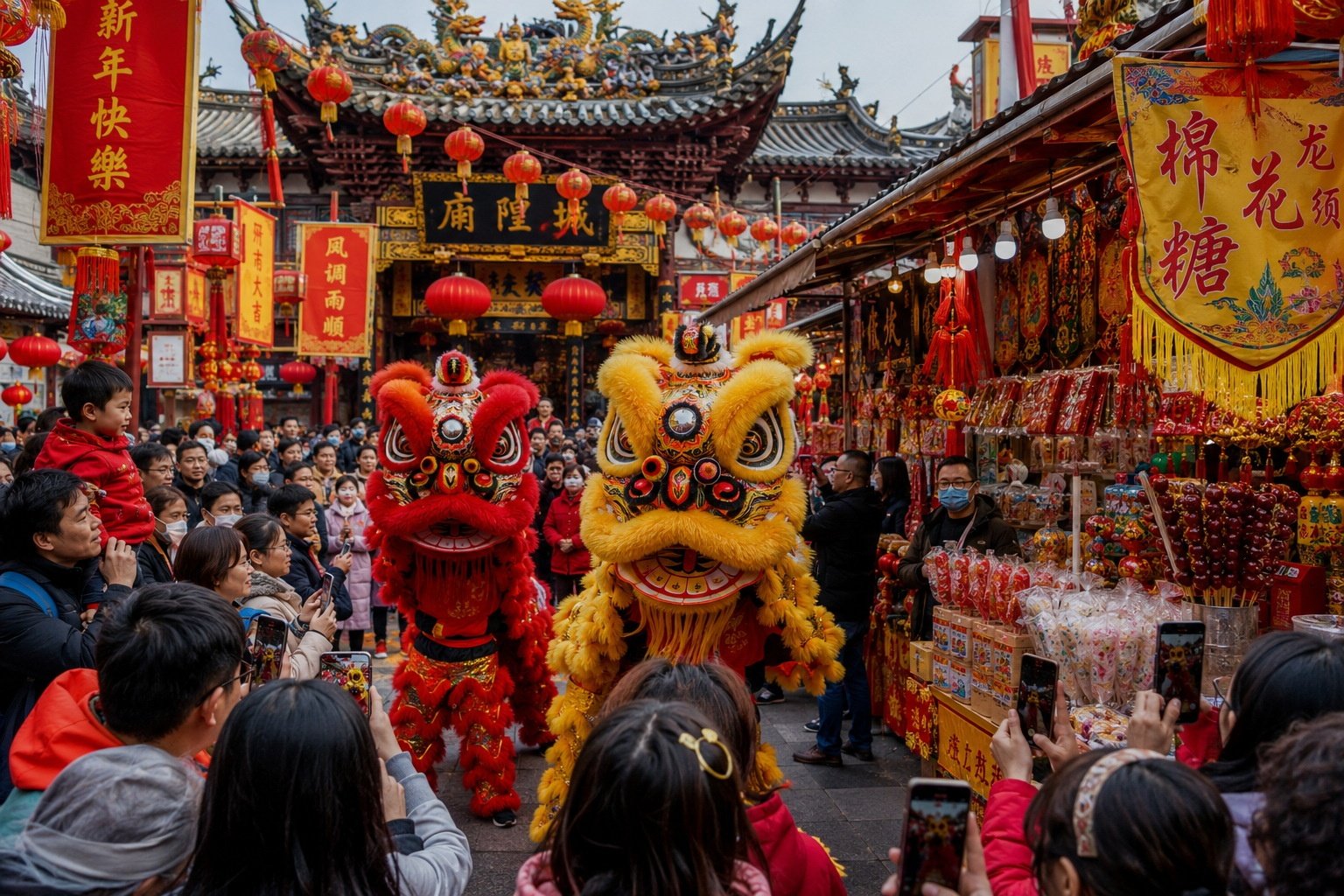
The Lunar New Year (Spring Festival) is the ultimate example of this unity-in-diversity dynamic. On a national level, the holiday is marked by the same rituals: family reunions, red envelopes, and fireworks. Yet, the execution varies dramatically by region.
In northern China, the star of the festival is jiaozi (dumplings). Families stay up late on New Year’s Eve to wrap them together, a practice that symbolizes wealth and togetherness. In contrast, in southern provinces like Guangdong, people might prepare nian gao (sticky rice cake) or enjoy elaborate banquets featuring whole fish, symbolizing surplus.
Even the way people celebrate has shifted. In tier-1 cities like Beijing or Shenzhen, many young people now choose to travel during the holiday rather than return to their hometowns, avoiding the travel rush. In rural areas, the traditional temple fairs remain vibrant, with lion dances and local opera performances that draw crowds. The national framework provides the calendar and the shared emotional weight of the holiday, but the local customs provide the texture and meaning.
Modernity with Local Faces
This cultural flexibility extends to urban planning and technology. China is often criticized for having “cookie-cutter” cities, but a closer look reveals significant local adaptation.
Take the preservation of historic neighborhoods. In Xi’an, ancient city walls frame modern skyscrapers, creating a visual dialogue between the Tang Dynasty and the 21st century. In Hangzhou, technology giants operate in campuses that mimic traditional Jiangnan gardens, with pavilions and koi ponds nestled among server rooms. This is not accidental; it reflects a conscious effort to embed modernity within local aesthetic and cultural contexts.
Even digital tools are adapted locally. Mobile payment apps like WeChat Pay and Alipay are ubiquitous, but their usage patterns differ. In smaller towns, they are often used for community group buying, where neighbors pool orders for fresh produce. In megacities, they are integrated into complex transit systems and luxury retail experiences. The technology is the same, but the social ecosystem it serves is distinctly local.
A Mosaic, Not a Mosaic Tile
China’s strength lies in its ability to harmonize diversity within a shared national identity. It is not a monolith of uniformity, but a mosaic of distinct tiles, each with its own color and texture, held together by a strong, transparent grout.
For visitors and observers, the key to understanding China is to look beyond the headlines. Listen to the dialects in the market. Taste the regional variations in the food. Notice how local history shapes modern architecture. By doing so, you will see that “unity” in China does not mean erasing differences. It means creating a space where those differences can be celebrated, preserved, and shared.