

The Hum of the Assembly Line
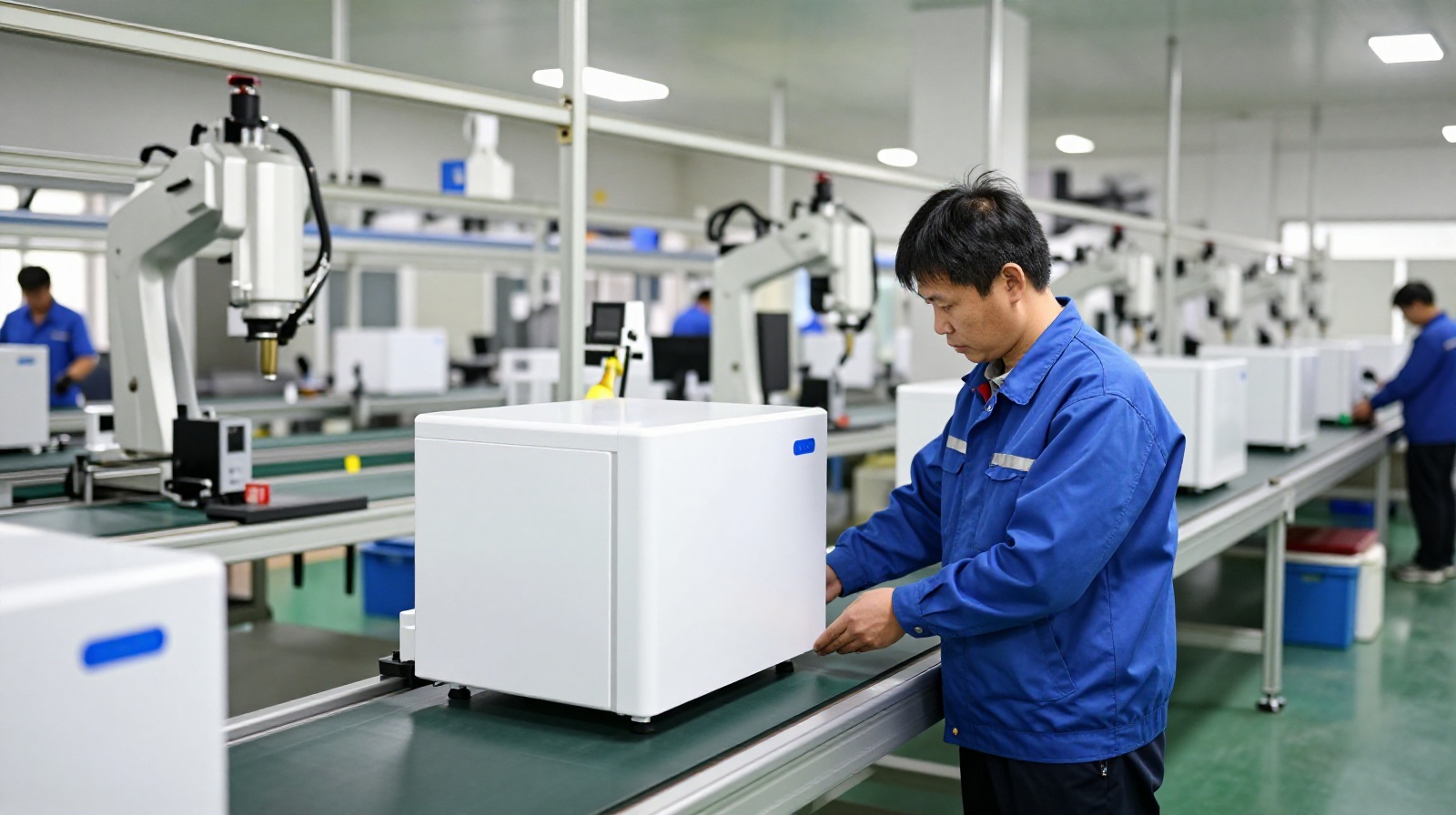
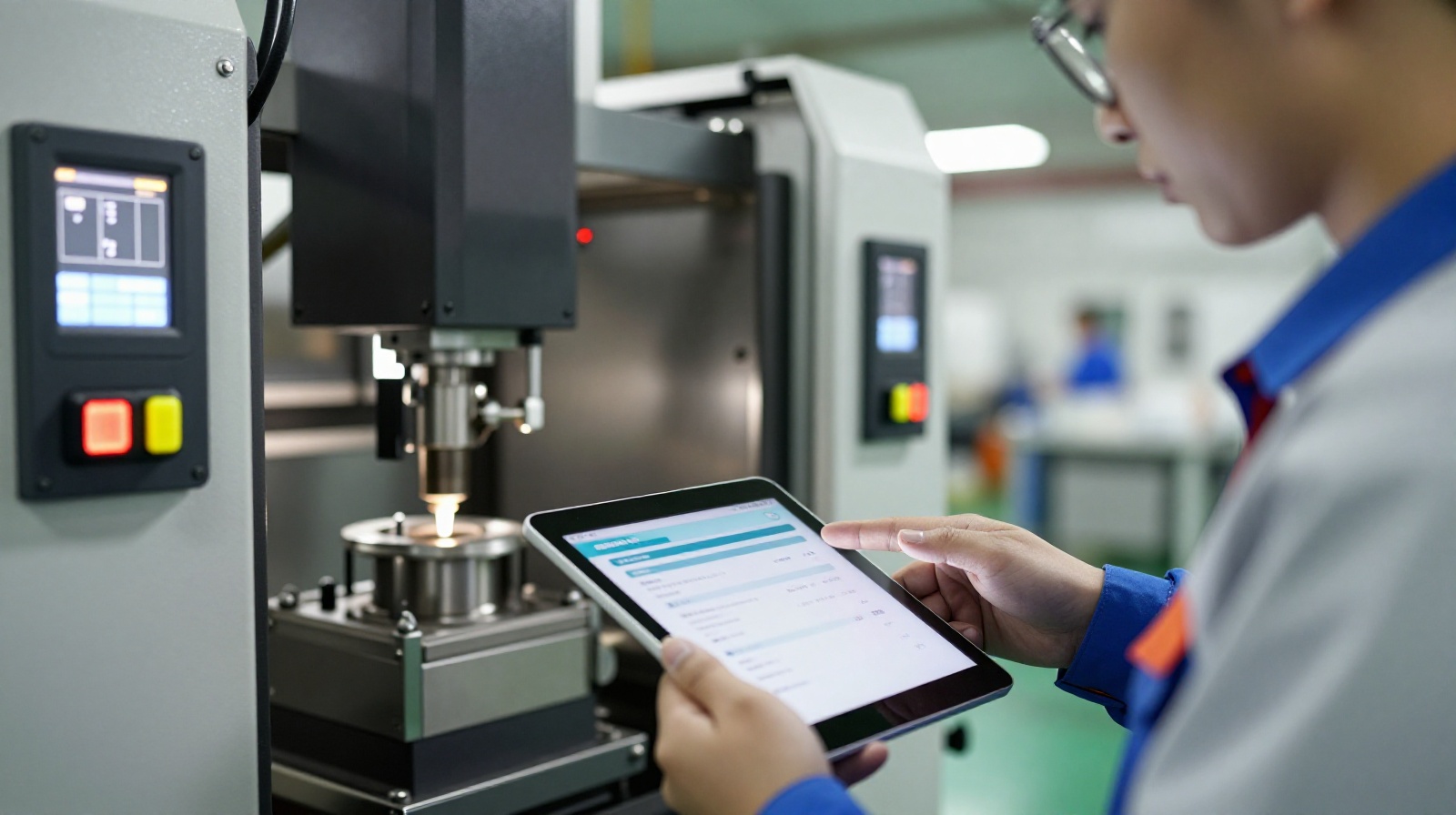
At 7:30 AM, the air in the workshop of Ningbo SmartHome Co., Ltd. smells faintly of heated plastic and machine oil. Lin Wei, the production manager, walks the floor with a tablet, checking the temperature of injection molding machines. The factory is not making parts for a distant American brand today. Instead, it is producing a smart rice cooker designed specifically for Chinese cooking habits—high heat for stir-frying textures, app-controlled steaming, and a compact footprint for small urban apartments.
Five years ago, Lin’s factory was entirely dependent on OEM (Original Equipment Manufacturing) orders from Europe and North America. “We were at the mercy of global shipping costs and consumer sentiment,” Lin recalls. When the pandemic hit and supply chains froze, orders vanished. The factory faced bankruptcy. Survival required a radical shift: stop waiting for foreign buyers and start selling to the 1.4 billion people next door.
What is China’s ‘Unified Market’?
To understand how this pivot worked, one must first understand the concept of China’s “National Unified Market.” It is not just a slogan; it is a massive infrastructural and regulatory effort to remove trade barriers between China’s 34 provincial-level regions. Historically, a company in Zhejiang might face different certification standards, tax rules, or logistical hurdles when selling in Sichuan or Heilongjiang. These internal borders made it expensive and slow to scale domestically.
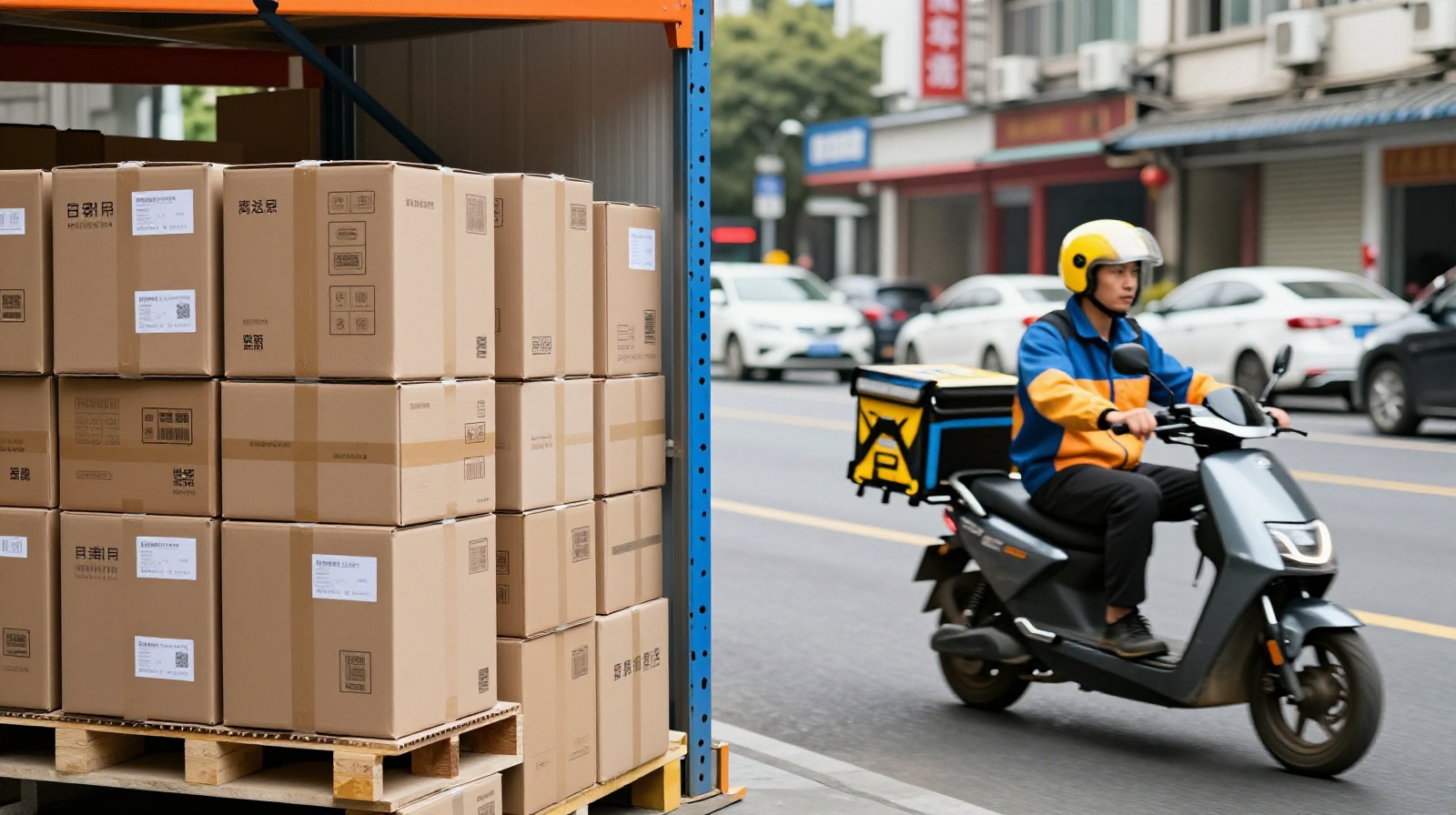
The unified market initiative has largely dismantled these internal frictions. Today, a product certified in Ningbo can be sold in Beijing with minimal bureaucratic friction. E-commerce platforms like Taobao and JD.com have integrated logistics networks that reach even the most remote villages, delivering goods within days. For small manufacturers like SmartHome, this means they no longer need to be export-oriented giants to achieve economies of scale. They can serve the domestic market directly, leveraging a consumer base larger than the combined populations of Europe and North America.
Domestic Demand as the Anchor
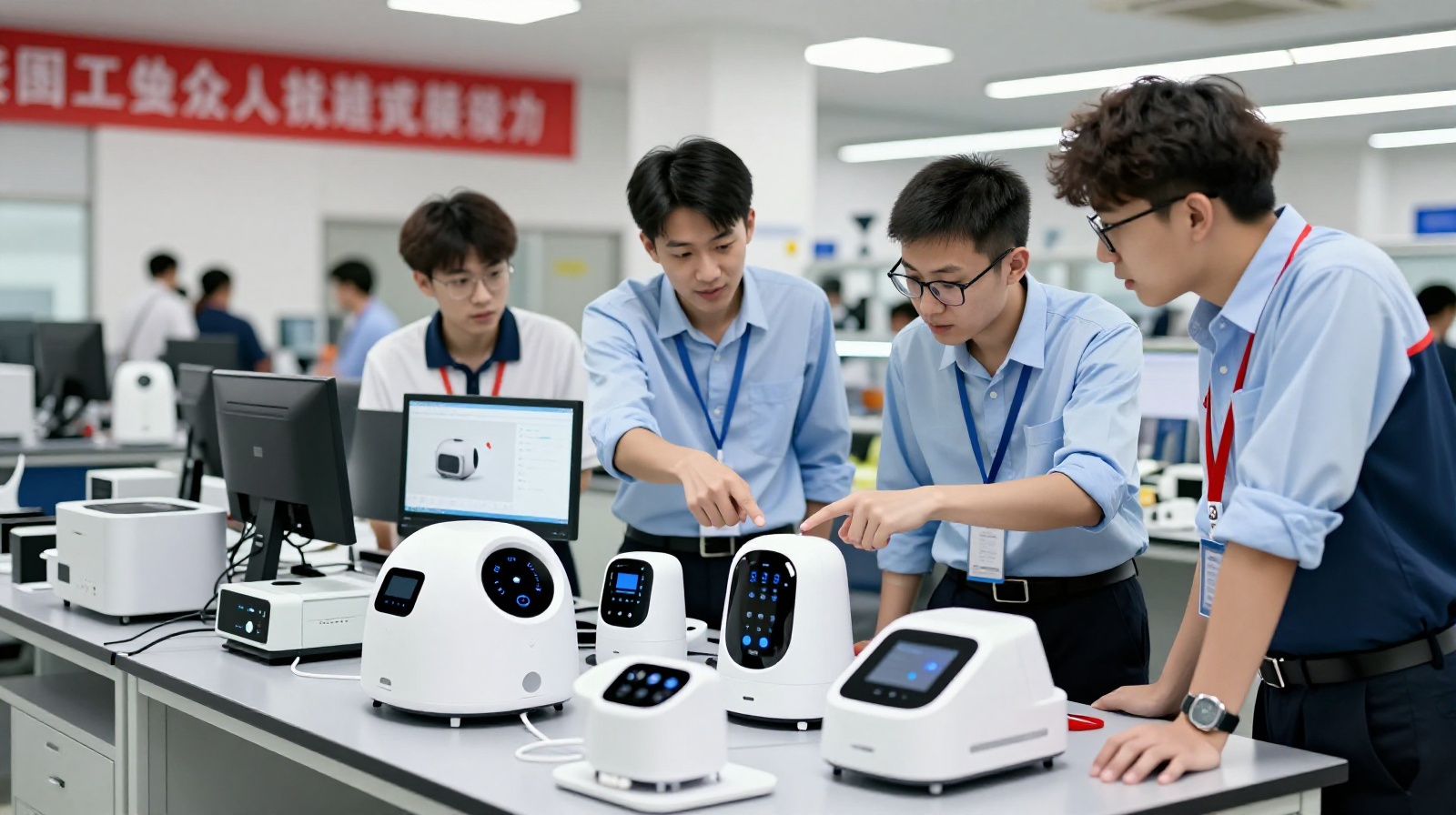
Returning to the factory floor, the shift is visible in the product design. The new rice cooker was developed after weeks of analyzing data from domestic e-commerce platforms. Chinese consumers, particularly the younger generation living in cities, are willing to pay a premium for “quality of life” upgrades, but they demand rapid iteration. If a feature doesn’t work, it is gone in the next version.
This feedback loop is faster than anything available in traditional export markets. In Europe or the US, bringing a new product to market can take two years due to strict regulatory approvals and long supply chain lead times. In China, the cycle can be six months. This speed allows manufacturers to test ideas, fail quickly, and refine products based on real user behavior.
Lin Wei points to a batch of blue rice cookers destined for the domestic market. “We tested 12 different heating elements here,” he says. “The domestic consumers told us they wanted faster boiling for morning rush hours. We changed the coil design in three weeks.” This agility, born from the intensity of the domestic market, became the factory’s secret weapon.
Exporting with Confidence
Once the product was refined and the production line stabilized through high-volume domestic sales, the factory looked outward again—but this time, on its own terms. They launched a global brand, not as a faceless OEM supplier, but as a consumer-facing company with a distinct identity.
The transition was not without challenges. Global compliance standards, particularly in the EU and North America, are rigorous. But because the factory had already mastered high-volume, high-quality production for the discerning domestic market, meeting international standards was a matter of engineering adjustment, not fundamental reinvention. The margins were tighter than in the old OEM days, but the brand equity was building.
Today, SmartHome exports to over 30 countries. The products are not just “cheap alternatives”; they are competitive on features and design. Lin notes that many international buyers now approach them, impressed by the speed of innovation that the domestic market fostered. “We learned to move fast at home,” Lin says. “Now we can move fast everywhere.”
What This Means for the Ordinary Worker
For workers like Lin, the change has been tangible. The job is no longer just about assembly; it involves data analysis, rapid prototyping, and cross-functional teamwork. The stability of the domestic market has meant fewer layoffs and more investment in training. Young engineers are returning to manufacturing hubs in Zhejiang, attracted by the dynamic ecosystem where hardware meets software.
Conclusion: A Model of Resilience
The story of this small appliance factory is not unique to Zhejiang, but it is emblematic of a broader shift in Chinese manufacturing. The “National Unified Market” has provided a crucial buffer and a training ground for SMEs. By mastering the complexities of the world’s largest domestic consumer base, these companies have built the resilience, speed, and product maturity necessary to compete globally. It is a reminder that in today’s global economy, strength often comes from within.