

The Social Grammar of the Dinner Table
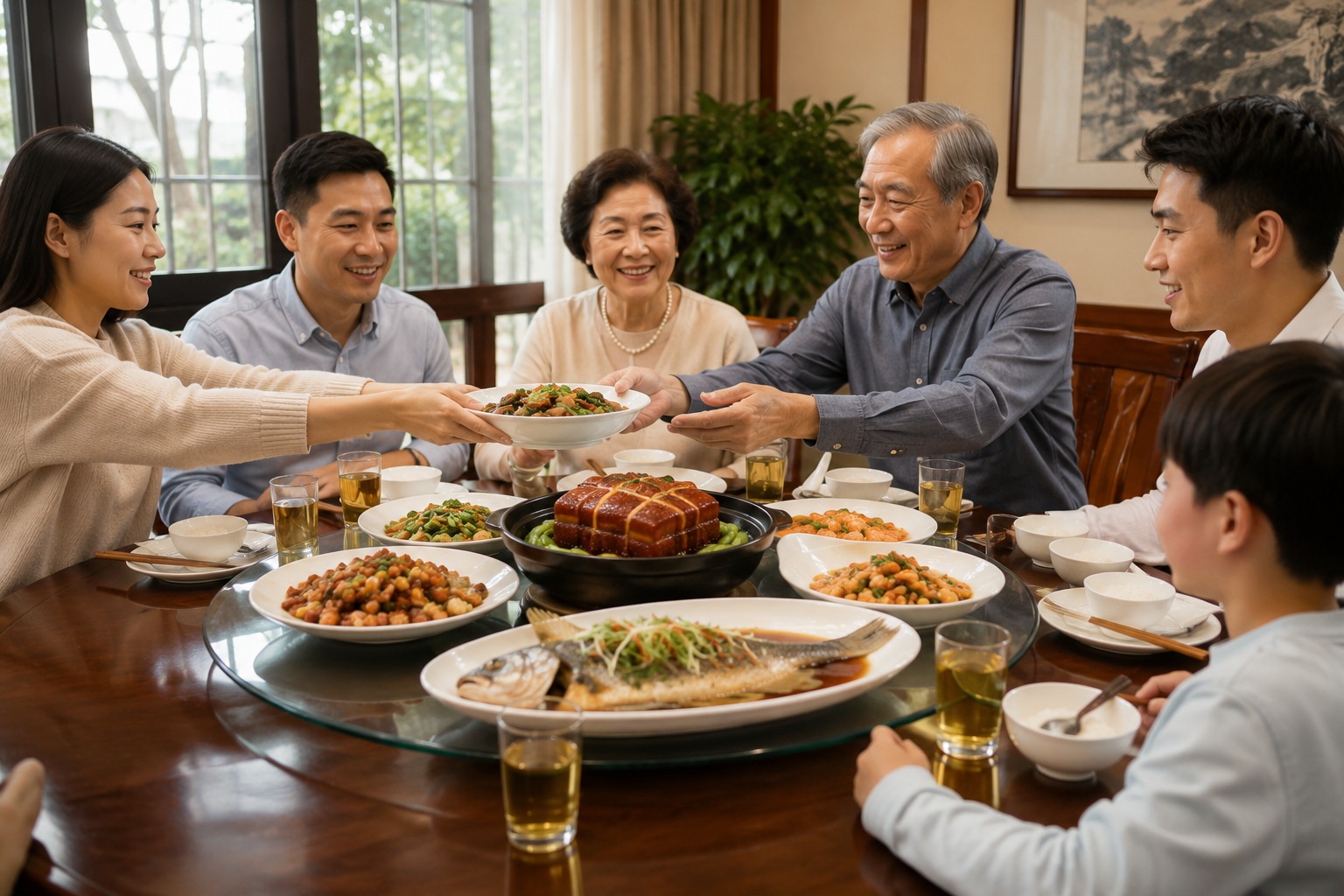
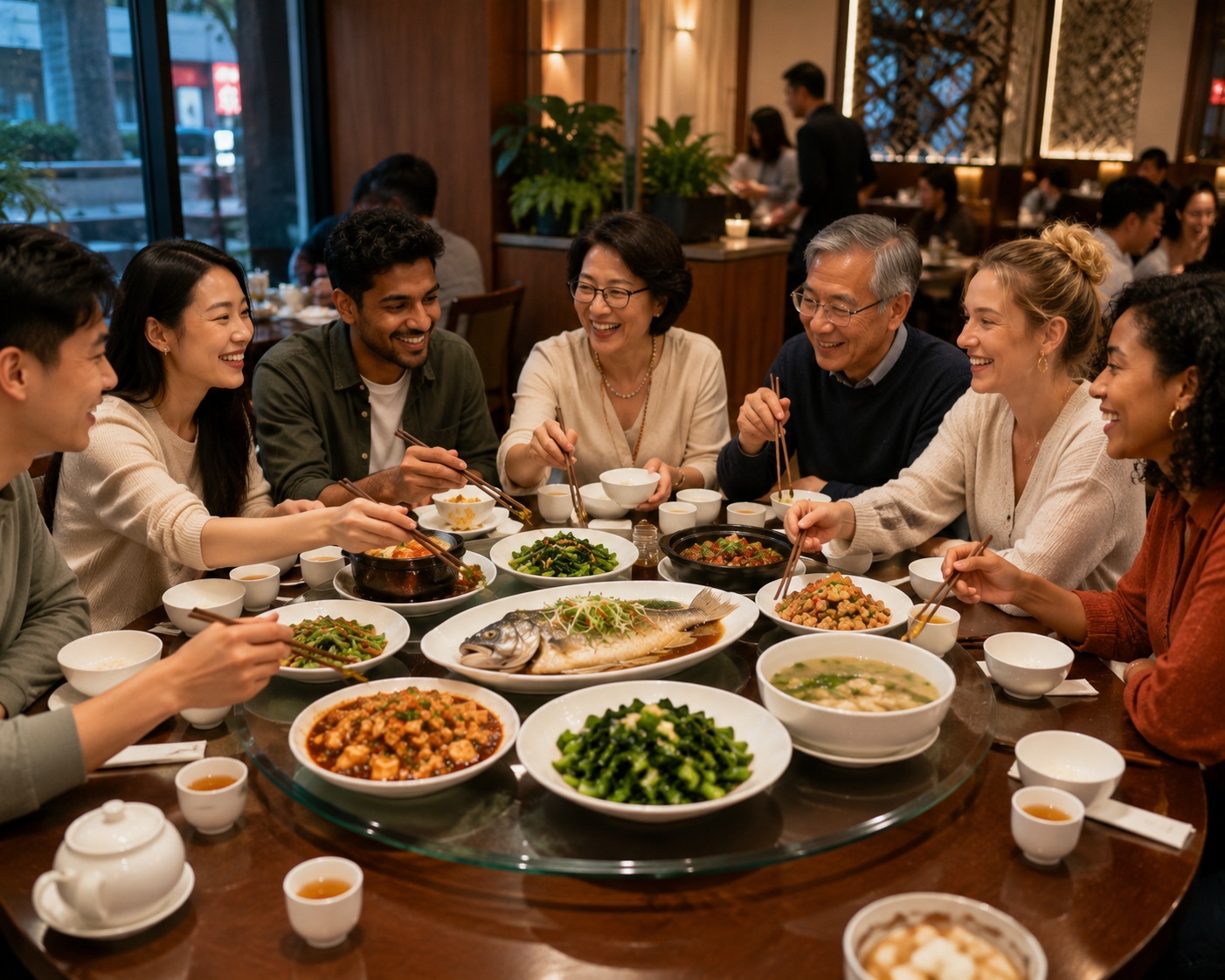
Imagine this: You are invited to a Chinese family’s home for a weekend dinner. The host brings out a large, lazy-Susan turntable in the center of the table. Plates arrive one by one—sizzling, steaming, colorful. You look around, confused. There are seven dishes for four people. Why so many? And why does everyone seem to be waiting for the oldest person at the table to pick up their chopsticks first?
In China, a family dinner is rarely just about filling your stomach. It is a ritual of connection. For overseas readers, it helps to understand that Chinese hospitality is often measured by abundance. An empty plate can signal that the host didn’t prepare enough, which might cause them to lose face. A full table signals care, generosity, and respect.
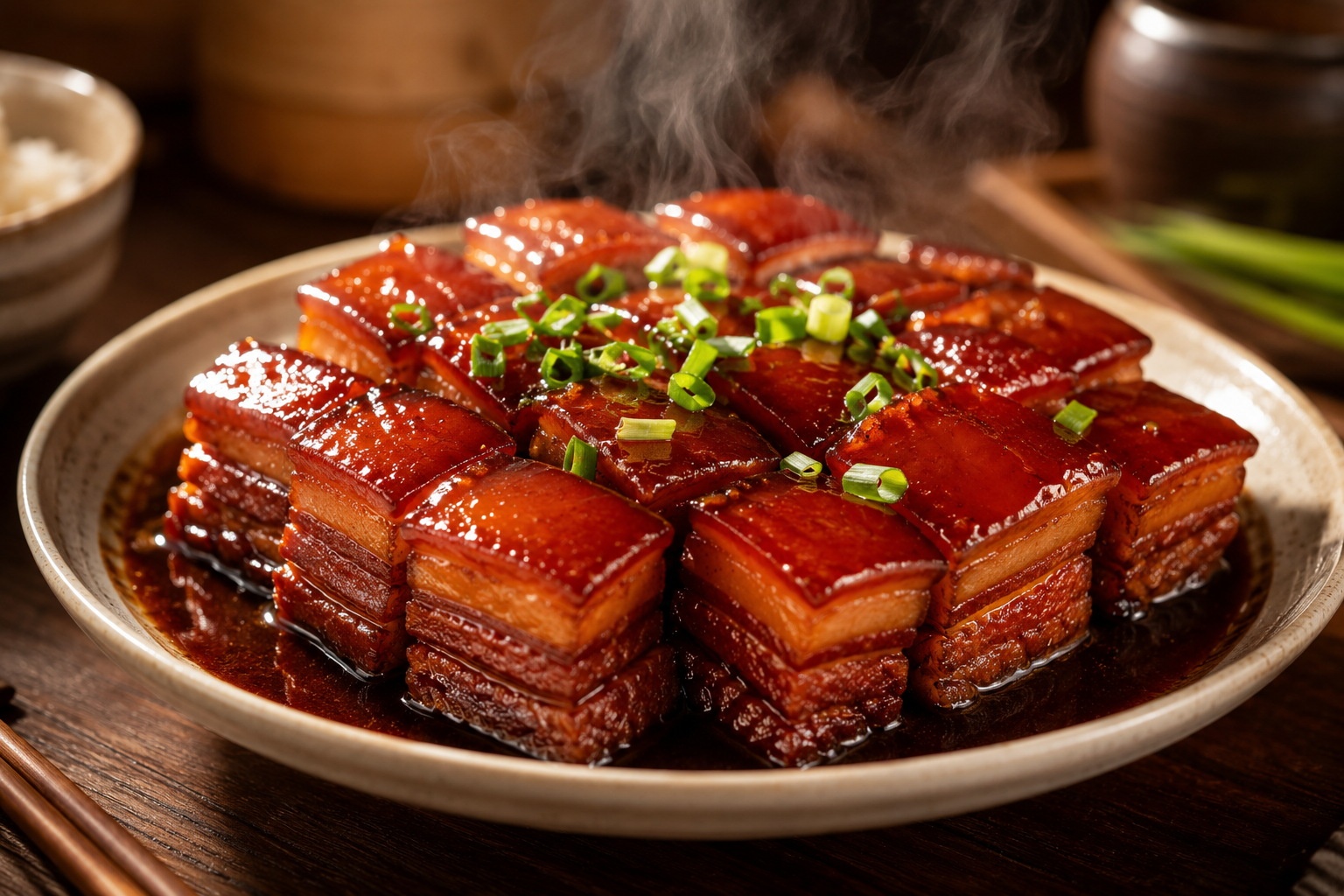
At the heart of this ritual is a concept known as Ying Cai (硬菜), or “hard dishes.” If you translate this literally, it sounds like tough food. But in culinary context, it refers to the “main events” of the meal—dishes that are labor-intensive, often expensive, and central to the gathering’s prestige. Think of them as the anchor of the table.
Decoding the “Hard Dish” Logic
So, what makes a dish a “hard dish”? It isn’t just about spice level, a common misconception for those who only know Sichuan cuisine as “very hot.” A true Ying Cai is defined by three factors: cost, complexity, and status.
- Cost: It usually involves premium ingredients like whole fish, large cuts of pork belly, or beef.
- Complexity: The preparation takes hours—braising, slow-cooking, or intricate knife work.
- Status: It is the dish everyone eyes first when it arrives.
A typical family meal structure follows a logical balance. For a group of four to six, you might see one Ying Cai (the centerpiece), two or three quick stir-fries (for variety and texture), one soup (to cleanse the palate), and leafy greens. This ratio ensures that the meal feels substantial without becoming monotonous.
Three Icons of Chinese Hospitality
While Sichuan cuisine is famous globally for its mala (numbing and spicy) flavor, the “hard dishes” served in family homes often prioritize richness and symbolism over pure heat. Here are three staples you will likely encounter.
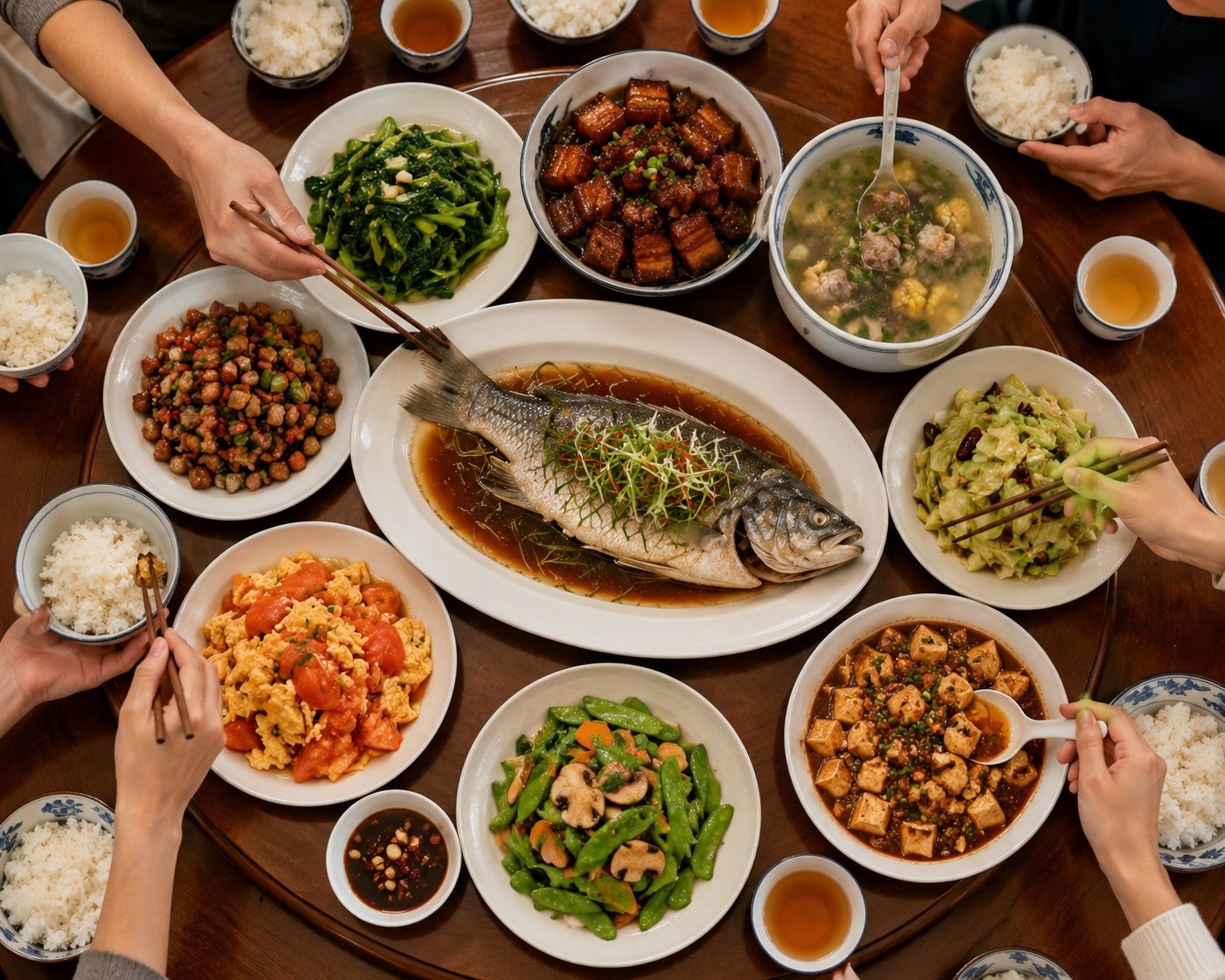
1. Red-Braised Pork Belly (Hong Shao Rou)
If there is one dish that defines comfort in China, it is Hong Shao Rou. Cubes of pork belly are slow-braised in soy sauce, sugar, and spices until they glisten with a deep amber color. The texture is melt-in-your-mouth tender, and the flavor is a perfect balance of salty and sweet.
For many Chinese people, this dish tastes like home. It is not spicy, making it a safe choice for mixed groups. It represents stability and warmth—qualities every host wants to convey.
2. The Whole Fish
You will rarely see fish served in pieces at a formal family dinner. It must be whole, often steamed with ginger and scallions. This is non-negotiable symbolism. In Chinese, the word for fish (yu) sounds like the word for surplus or abundance. Eating a whole fish symbolizes having enough wealth and food to last into the next year.
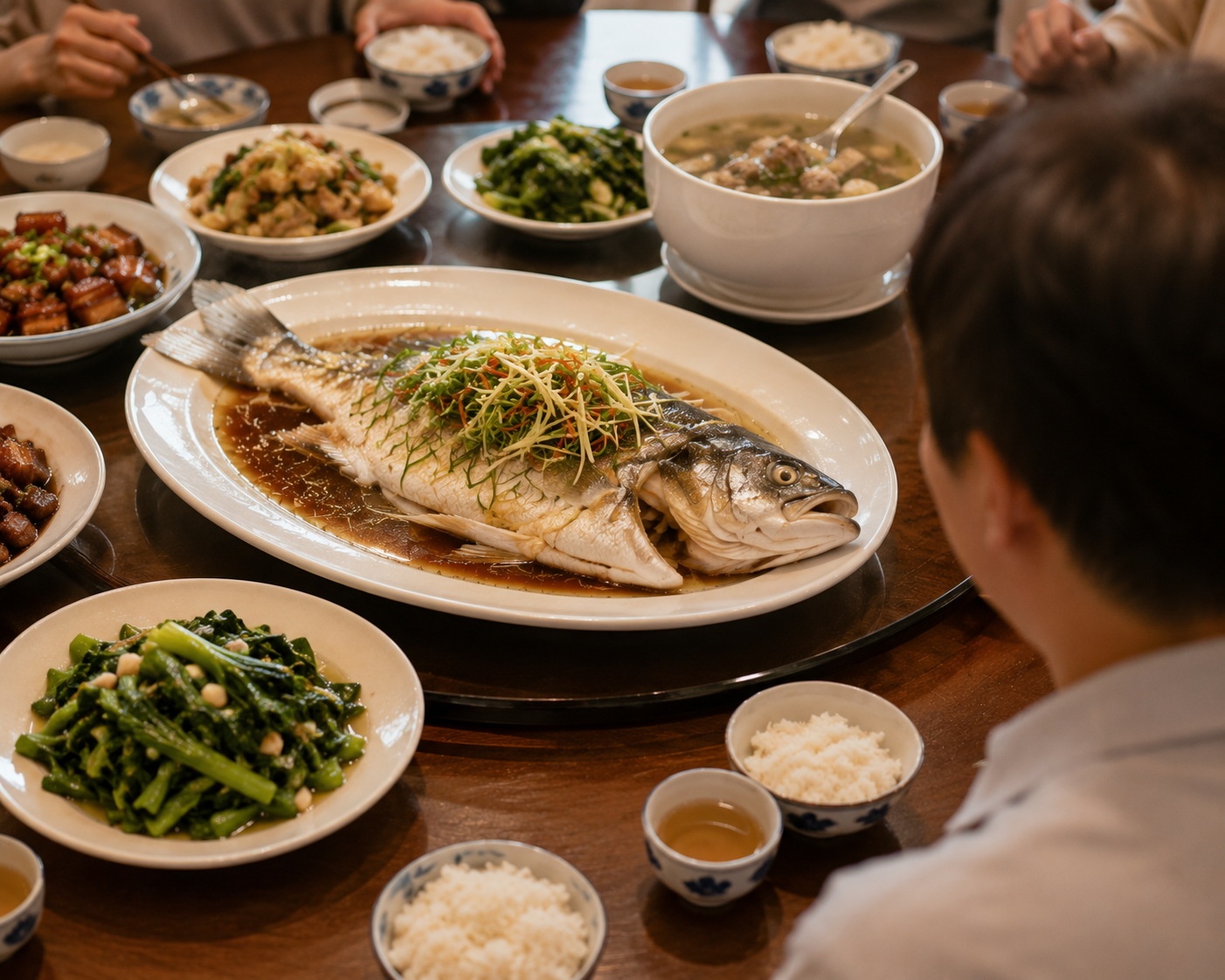
There is also etiquette attached to it. The head should face the honored guest. You are not supposed to flip the fish over, as this mimics a boat capsizing—a bad omen. Instead, you carefully eat the top half, remove the bones, and then enjoy the bottom half intact.
3. Spiced Beef or Lamb
Contrary to the belief that all Sichuan food is fiery hot, many “hard dishes” use aromatic spices like star anise, cinnamon, and Sichuan peppercorns to create depth rather than pain. A cold-cut spiced beef or a slow-cooked lamb stew offers intense flavor without overwhelming heat. These dishes show that the host values complexity and tradition over simple shock value.
The Modern Shift: Health vs. Tradition
While these traditions remain strong, the way they are executed is changing. In the past, “hard dishes” meant heavy oil, excessive salt, and rich broths. Today, younger generations are reshaping these norms.
When ordering for a mixed-age group, it is common to ask for “less oil” (shao you) or “lighter seasoning” (qing dan). The goal is to keep the flavor profile of the Ying Cai intact while reducing the greasiness. You will also see more steamed vegetables and clear soups appearing alongside the rich meats, reflecting a growing awareness of health and balance.
Furthermore, the definition of “authentic” is expanding. While Sichuan hosts might still dominate the menu in Chengdu or Chongqing, families in other regions are incorporating elements from across China. A Shanghai family might serve steamed fish with soy sauce, while a Beijing host might add Peking duck to the mix. The “hard dish” logic remains, but the ingredients adapt to local tastes.
A Practical Guide for Guests
If you are invited to a Chinese home or a private restaurant room, here is how to navigate the menu:
- Let the host lead: In many cases, the host will have already ordered the key dishes. Your role is to add one or two personal preferences, such as a vegetable dish you enjoy.
- Avoid the “all spicy” trap: If you are not used to Sichuan spice, politely request milder options for the stir-fries. Save the spicy challenges for the small appetizers.
- Embrace sharing: Do not wait for individual plates. The communal style is intentional—it forces interaction and slows down the meal, allowing for conversation.
The Taste of Connection
Understanding Ying Cai is less about memorizing recipes and more about understanding the social contract of the Chinese table. It is a language of care expressed through food. The effort put into braising pork for hours, or the symbolic care in serving a whole fish, tells you that you are valued.
Next time you sit down for a Chinese meal, look beyond the spice. Look at the balance on the table, the way dishes are shared, and the people around you. That is where the real flavor lies.