
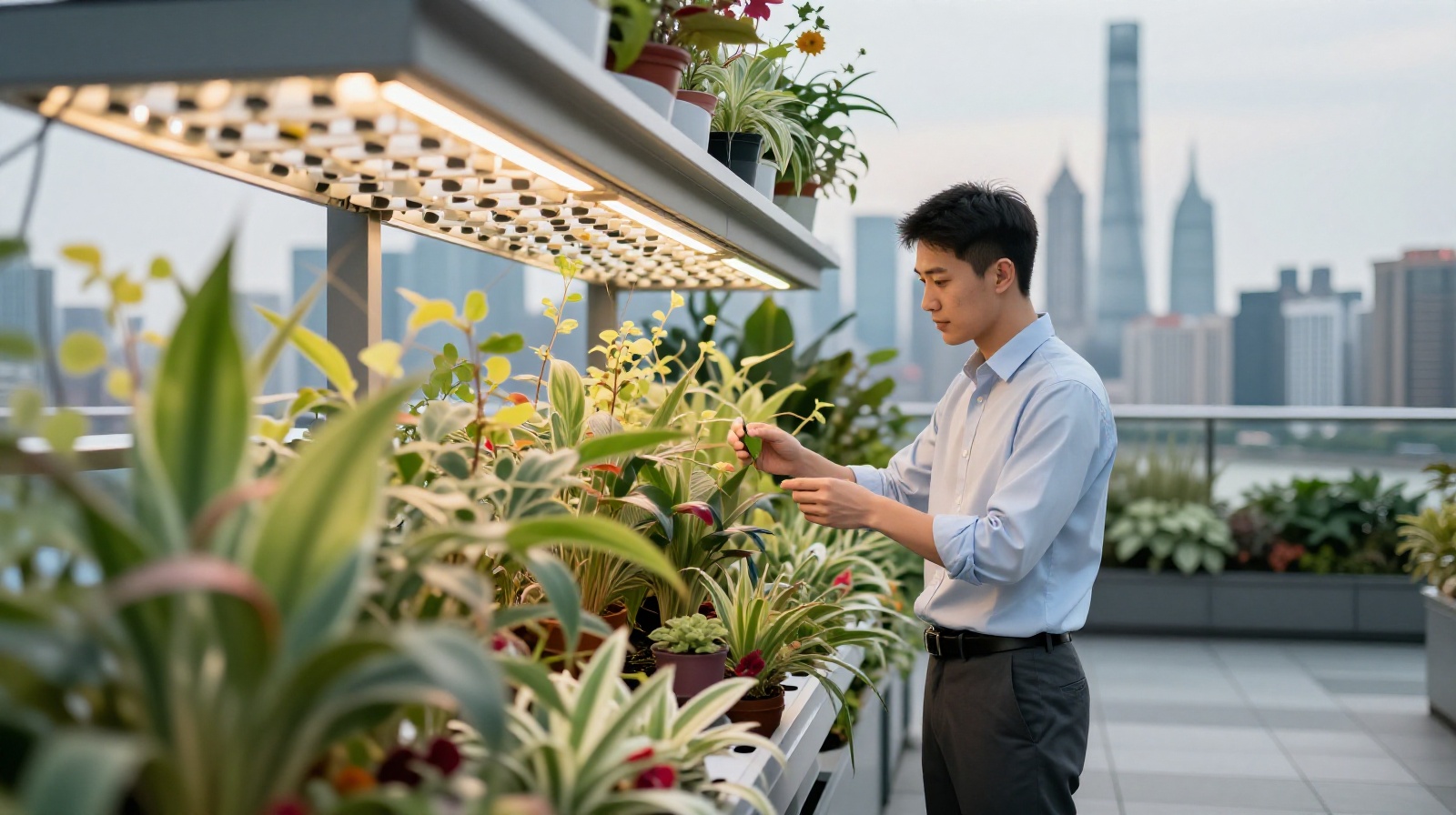

The Green Oasis in the Sky
On the 45th floor of a luxury residential tower in Shanghai’s Lujiazui financial district, Lin Wei, a senior executive at a major tech firm, spends his mornings checking soil moisture levels. His “office” is not a glass-walled conference room, but a 15-square-meter rooftop terrace transformed into a smart greenhouse. Here, under the hum of LED grow lights and the quiet drip of an automated irrigation system, he grows bok choy, cherry tomatoes, and basil—without a single drop of pesticide.
This scene is becoming increasingly common among China’s urban elite. While the rest of the city rushes through its morning commute on high-speed subways, Lin and others like him are engaging in what some call “urban farming 2.0.” It is a stark contrast to the traditional image of rural farmers bending over fields. Instead, these are young, affluent professionals using cutting-edge technology to reclaim a connection with nature that modern city life has severed.
Driven by Trust Deficit and Health Anxiety
The primary driver behind this trend is not merely aesthetic preference, but a deep-seated anxiety about food safety. Despite significant improvements in China’s agricultural standards over the past decade, incidents of chemical residue and contamination have left a lasting imprint on the public psyche. For many middle-class families, buying “organic” from certified supermarkets is often seen as insufficient or too expensive.
“I don’t trust the supply chain 100 percent,” Lin admits. “When you grow it yourself, you control every variable. You know exactly what went into the soil and water.”
This sentiment is backed by market data. The Chinese organic food market has been growing at a double-digit annual rate, with consumers willing to pay a premium for verified safety. However, for the ultra-wealthy, the value proposition shifts from “buying safety” to “creating safety.” Home farming becomes an insurance policy against perceived risks in the commercial food system.
Technology Meets Tradition
What distinguishes this new wave of urban agriculture is its heavy reliance on technology. It is rarely about shoveling dirt with bare hands. Instead, it involves hydroponic systems, aeroponics, and IoT (Internet of Things) enabled climate control.
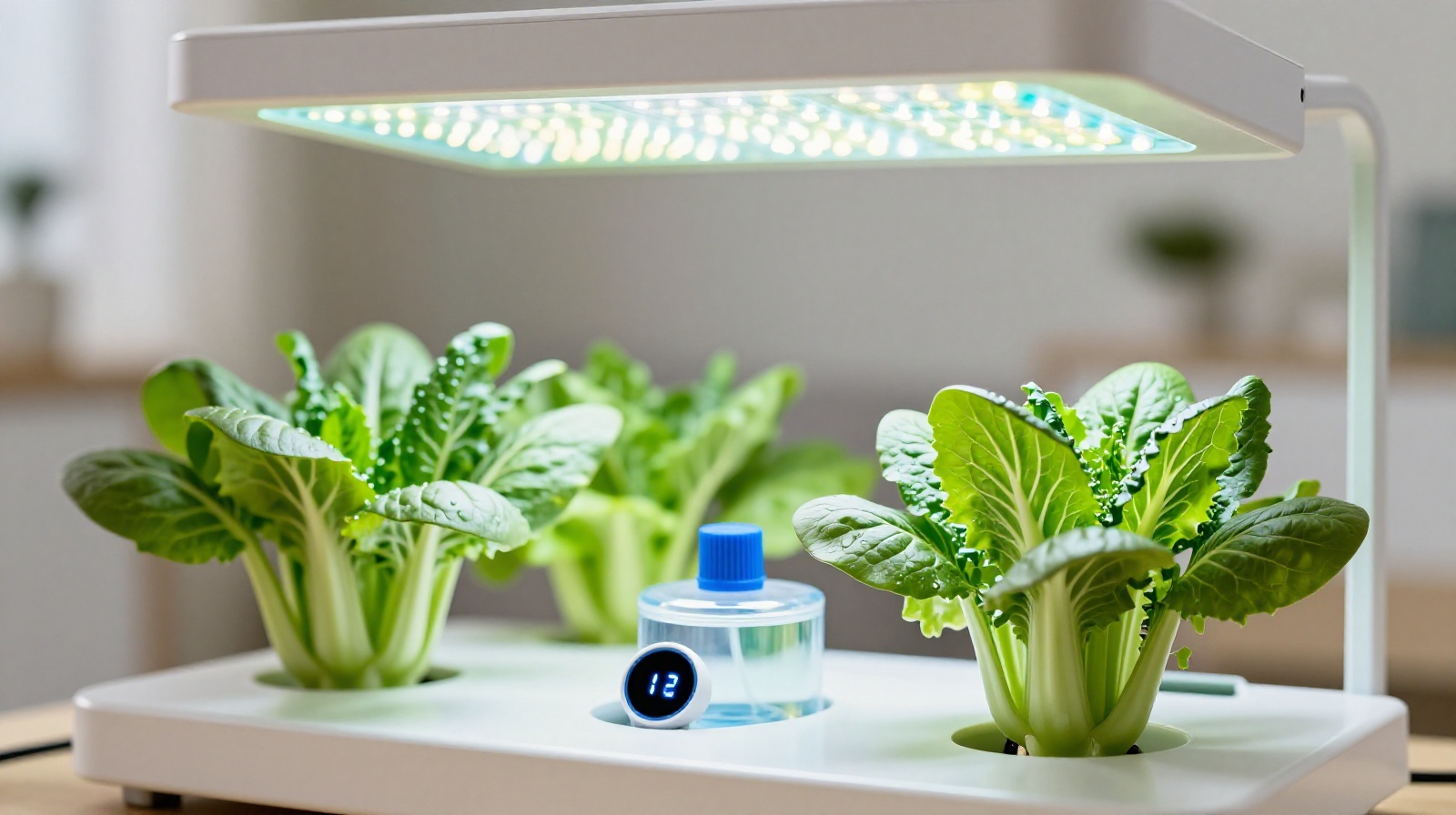
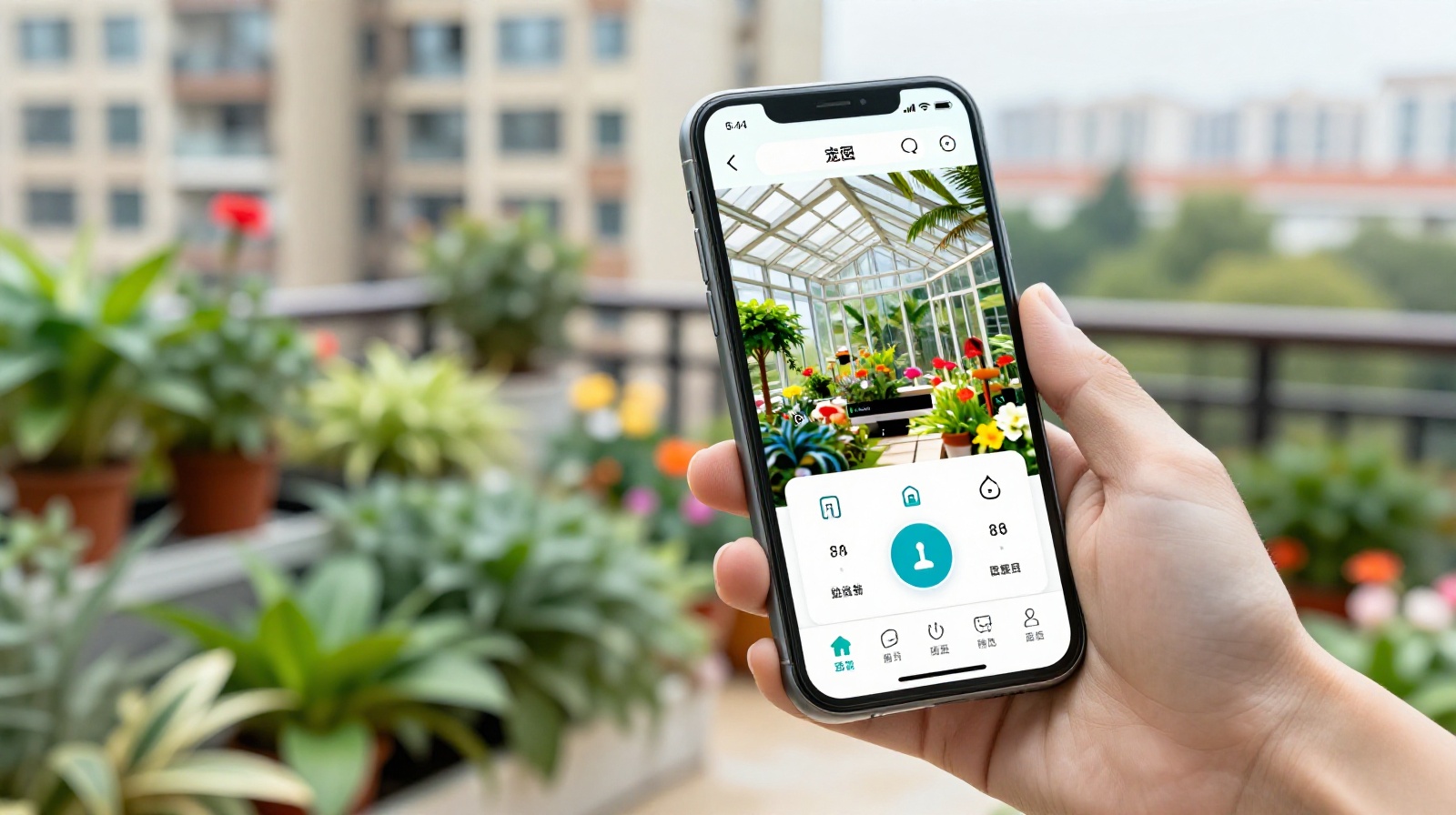
Platforms like Taobao and JD.com have seen a surge in sales for smart gardening kits. A typical setup might cost between 2,000 to 10,000 RMB ($300–$1,400) and includes app-controlled fans, UV lights, and nutrient dosers. Users can monitor plant growth from their phones while at work. This fusion of high-tech and horticulture reflects a broader Chinese trend: the rapid adoption of digital tools to solve everyday problems.
For Lin, the technology removes the guesswork. “I used to kill every plant I touched,” he laughs. “Now, the app tells me when to add nutrients. It’s less about farming and more about managing a biological project.”
Status Symbol in a High-Pressure Society
Beyond food security, urban farming has become a subtle status symbol. In a society where work-life balance is often sacrificed for career advancement, having the time, space, and financial means to grow one’s own vegetables signals a level of privilege and control.
Social media platforms like Xiaohongshu (Little Red Book) are flooded with posts from users showcasing their “balcony farms.” These posts often feature aesthetic shots of lush greenery against the backdrop of city skylines, tagged with hashtags like #UrbanOasis or #SlowLiving. It is a curated display of tranquility in a chaotic world.
Sociologists note that this trend also reflects a psychological need for “grounding.” In a highly competitive, digital-first environment, physical interaction with soil and plants offers a tangible sense of accomplishment. It is a form of “return to the land” that is entirely virtual in location but real in experience.
A Niche Luxury, Not a Universal Solution
However, it is crucial to view this phenomenon through a realistic lens. Urban farming in penthouses is a niche lifestyle choice for the affluent, not a solution to national food security or a widespread movement among the general public. For the average Chinese citizen, daily life still revolves around wet markets, community group buying, and large-scale supermarkets.
The carbon footprint of maintaining a private, energy-intensive greenhouse in a high-rise is also a subject of debate. Critics argue that it is an inefficient use of resources compared to industrial hydroponic farms that serve entire cities.
Yet, for individuals like Lin, the value is not in efficiency, but in peace of mind. As China’s urban population continues to grow and density increases, the desire for personal control over one’s basic needs—like food—will likely remain a strong motivator for this kind of micro-agriculture.
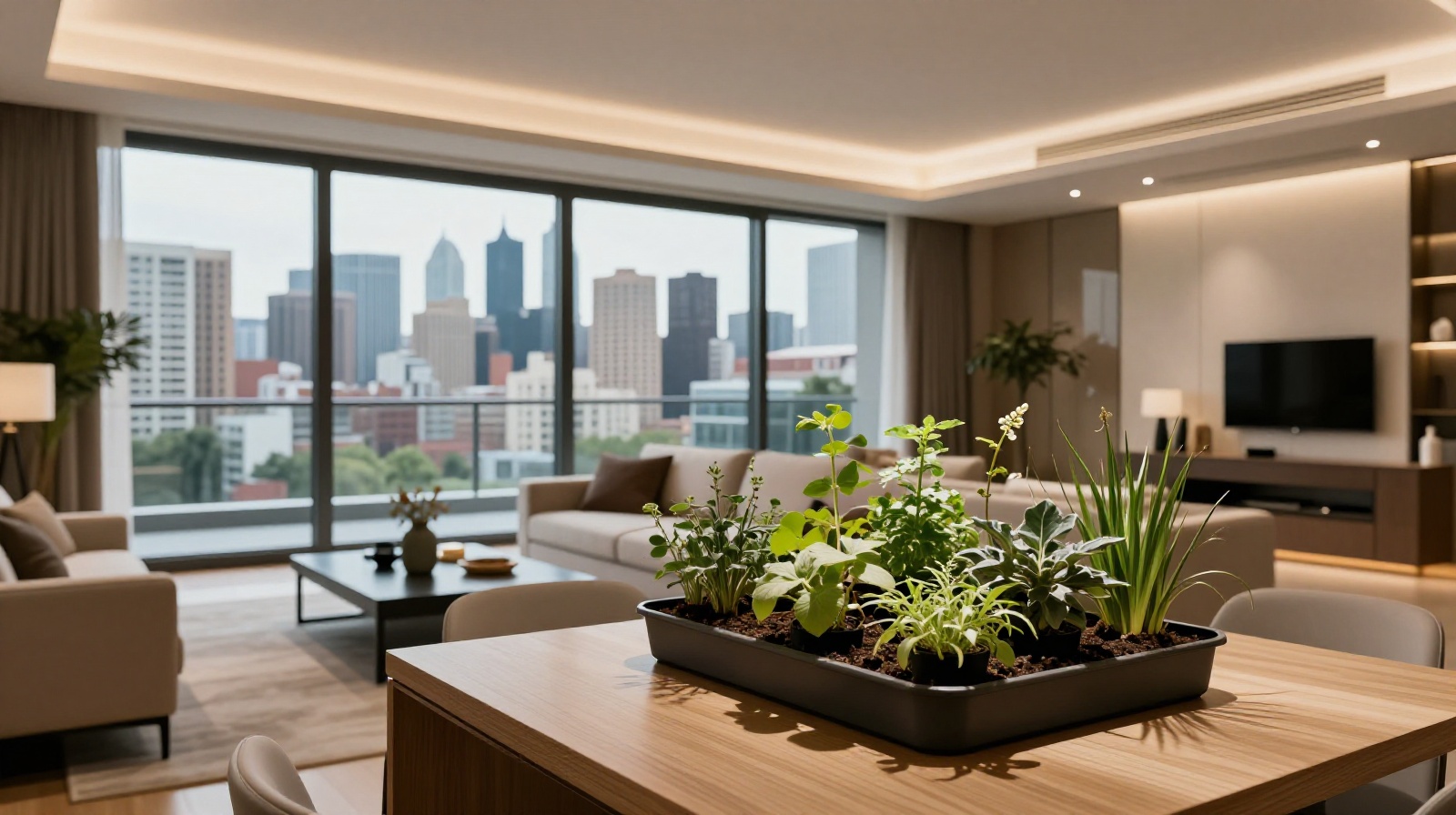
Ultimately, the obsession with growing organic vegetables in the sky is more than just a hobby. It is a reflection of a society navigating the complexities of modernity, where technology and tradition, anxiety and control, constantly intersect.