
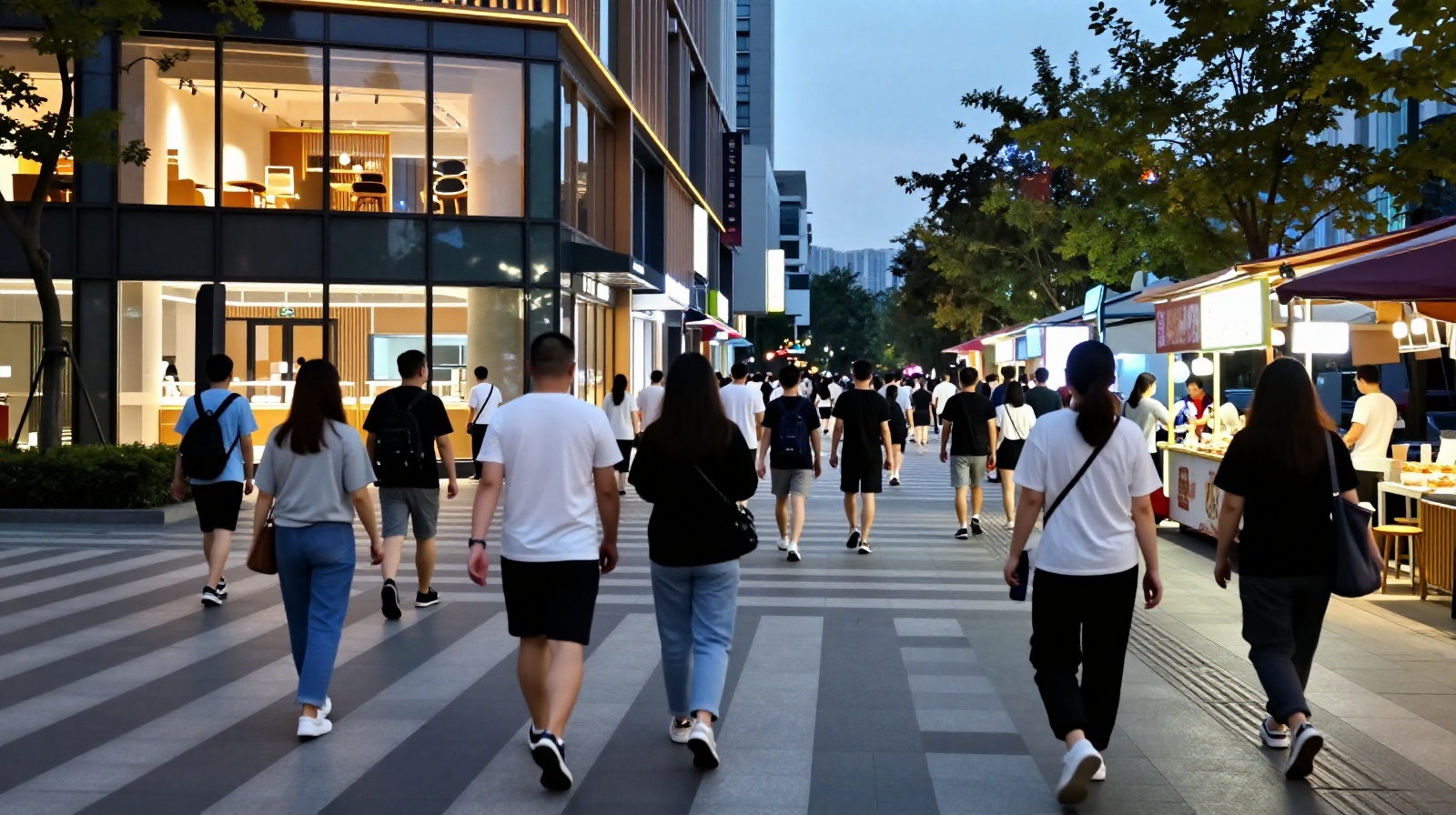

6:45 AM: The Pulse of the Subway
The air in the Beijing subway tunnel smells faintly of ozone and stale coffee. It is 6:45 AM, and Platform 9 is already a river of dark coats and rolling suitcases. Li Wei, a software tester from Haidian District, checks his phone for the third time. The screen glows with a QR code for payment—no need to fumble for tickets or coins. A soft chime announces his arrival as he taps his phone against the sensor.
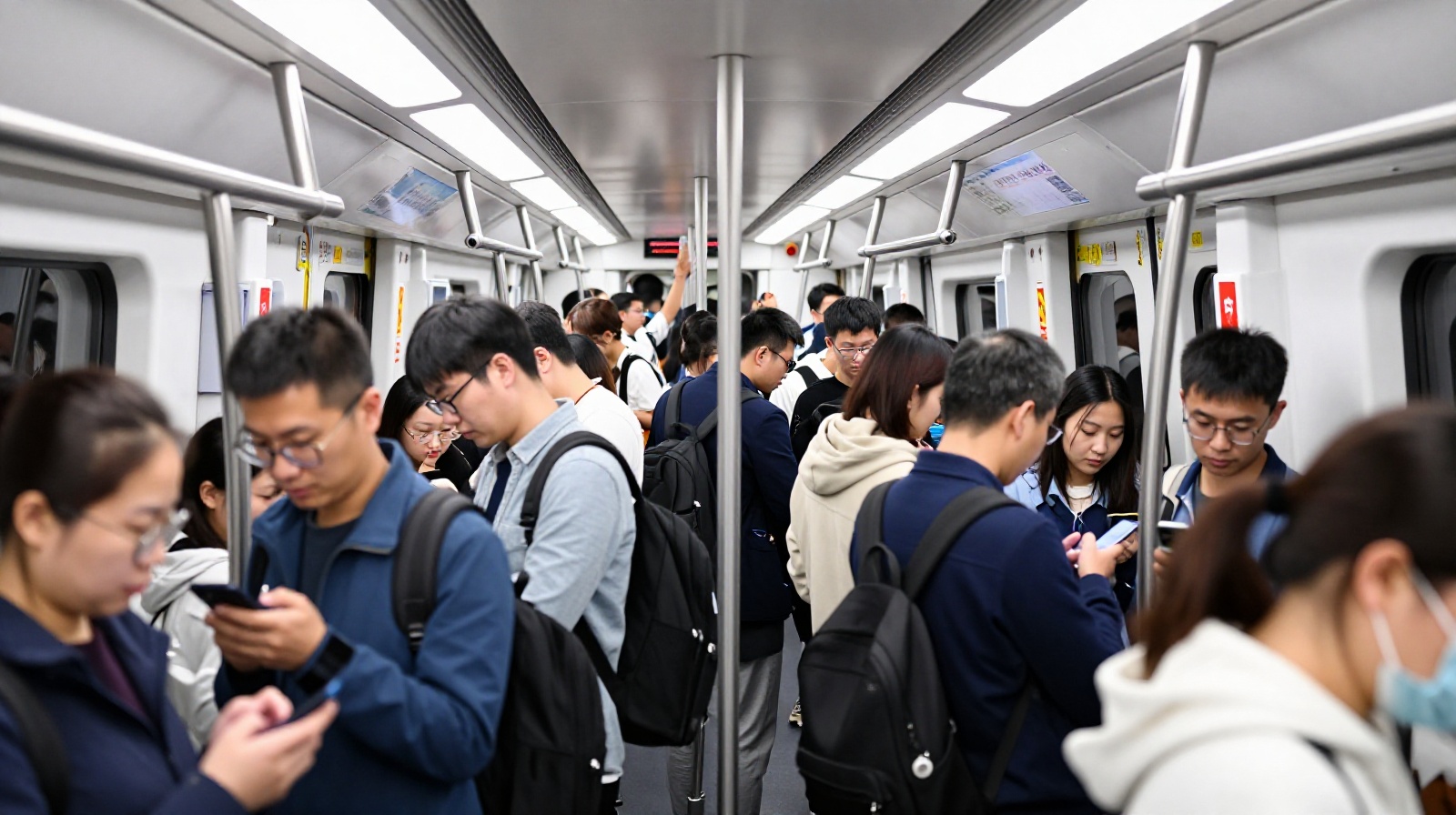
He isn’t alone. Every carriage is packed, yet there is no chaos. Everyone moves with a practiced efficiency: phones in one hand, bags slung over shoulders, eyes fixed on screens or the exit signs above the doors. The silence isn’t empty; it’s focused. In this moment, technology has become invisible infrastructure. Mobile payments and real-time transit maps allow millions to navigate the city without friction.
10:30 AM: The Hybrid Workday
By mid-morning, Li is in his office, but the scene inside differs from a traditional 9-to-5 grind. His desk faces a window overlooking a construction site where new high-rise apartments are rising—a sign of constant urban expansion. Yet, his workspace is also digital.
He uses collaboration tools that sync with his team’s schedules across different cities. In China, the line between office work and freelance gigs has blurred. A graphic designer might spend her morning in a co-working space and her afternoon managing an online store selling handmade ceramics. This flexibility isn’t just about convenience; it’s a survival strategy in a competitive economy.
7:00 PM: The City Wakes Up
As the sun sets, the city doesn’t sleep; it shifts gears. The streets that were dry and empty at 9 AM now buzz with life. Street vendors set up folding tables, their steam rising into the cool evening air. The scent of grilled lamb skewers mixes with the smell of roasted sweet potatoes.
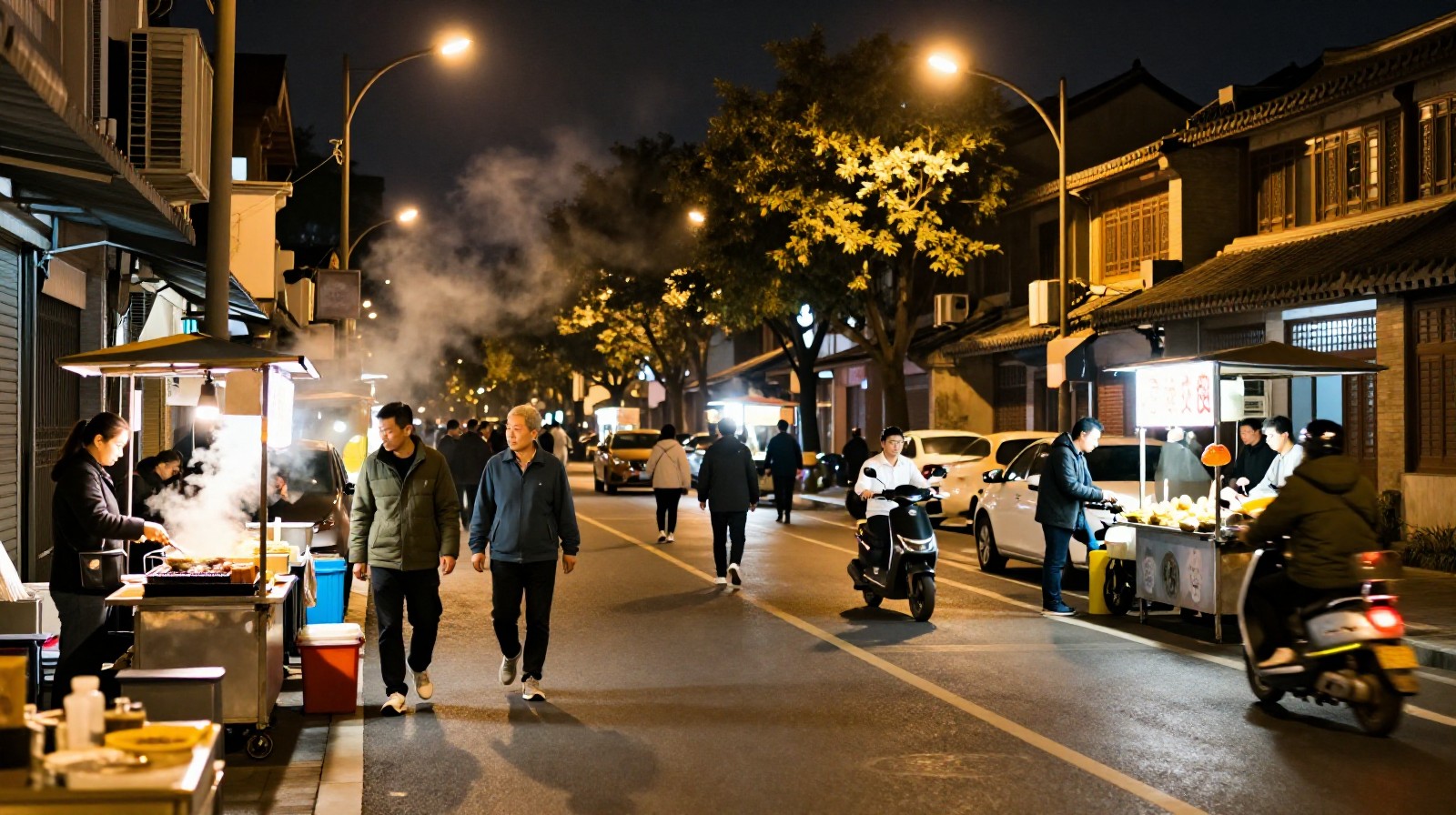
Safety is a quiet but constant presence here. Even at night, pedestrians walk freely in groups. Parents push strollers down wide sidewalks while delivery riders weave through traffic on electric scooters, their lights cutting through the darkness. The late-night economy isn’t just about food; it’s about social connection. For many young professionals, these streets are where they decompress after long hours.
11:30 PM: The Midnight Kitchen
Late at night, Li returns home to a small apartment in a renovated neighborhood. He orders dinner not from a restaurant menu, but through an app that delivers food within 30 minutes. The delivery rider arrives with a steaming box of dumplings and spicy noodles.

In the kitchen, Li sits alone for a moment before his family joins him. They eat quickly, talking about work, school, and the news. This simple ritual—sharing a meal in a quiet room after a long day—is the true heartbeat of urban China. It’s not grand or flashy; it’s practical, warm, and deeply human.
The Rhythm of Change
From the silent efficiency of the subway to the clatter of chopsticks at midnight, these daily rhythms tell a story of transformation. The city is not just a collection of skyscrapers or factories; it’s a living organism shaped by millions of small choices.
The pace of life here is fast, but so is the adaptability. Technology connects people, safety allows them to move freely, and community anchors them when things get tough. This is the China that ordinary people live in every day—a place where progress isn’t just a statistic on a graph, but a taste of hot soup at 11 PM.