

The Question That Isn’t Really a Question
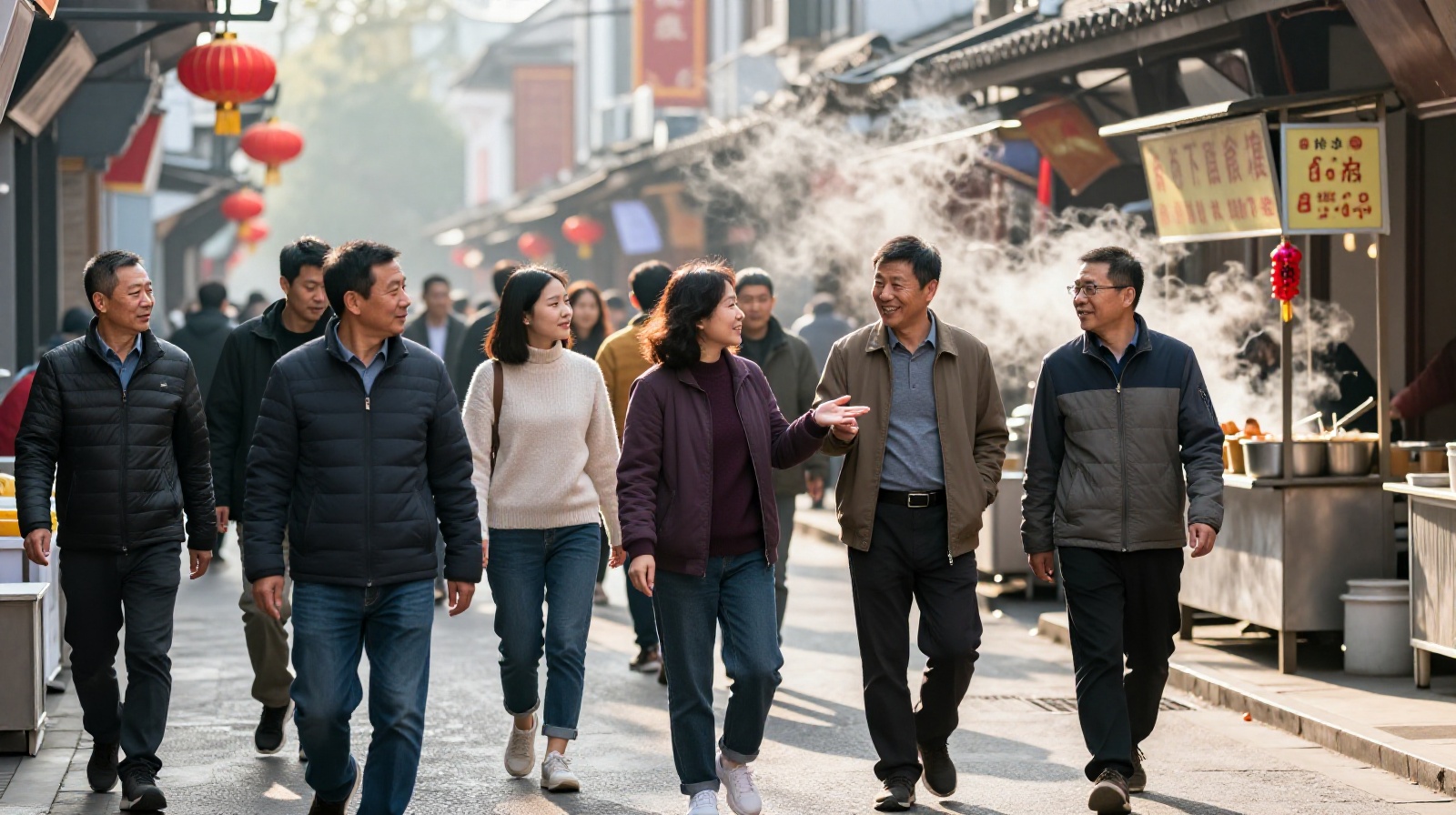
Stand on any busy street corner in Shanghai, Beijing, or Chengdu at 8 AM. A man in his fifties walks past you, nodding with a warm smile. You expect a “Good morning.” Instead, he says, “Chi le ma?” (Have you eaten?).
If you are from the United States or Europe, this can be confusing. In the West, asking about someone’s food intake is often considered private or intrusive. In China, it is as natural as saying hello. It carries no expectation of a detailed answer about what you had for breakfast. The standard response is simply “Yes” (Chi le) or “Not yet,” followed by small talk.
It is not a question about nutrition; it is a gesture of connection. For millions of Chinese people, food has historically been the most reliable indicator of well-being.
A History Written in Hunger
To understand this greeting, you must look back at the past century. China experienced decades of severe famine and extreme poverty. In the mid-20th century, for many families, simply having enough rice to fill a bowl was a daily victory. Asking “Have you eaten?” was a genuine check on survival.
Even after China’s rapid economic growth in recent decades lifted hundreds of millions out of poverty and made food abundant, the language did not change overnight. Habits rooted in collective memory are hard to erase.
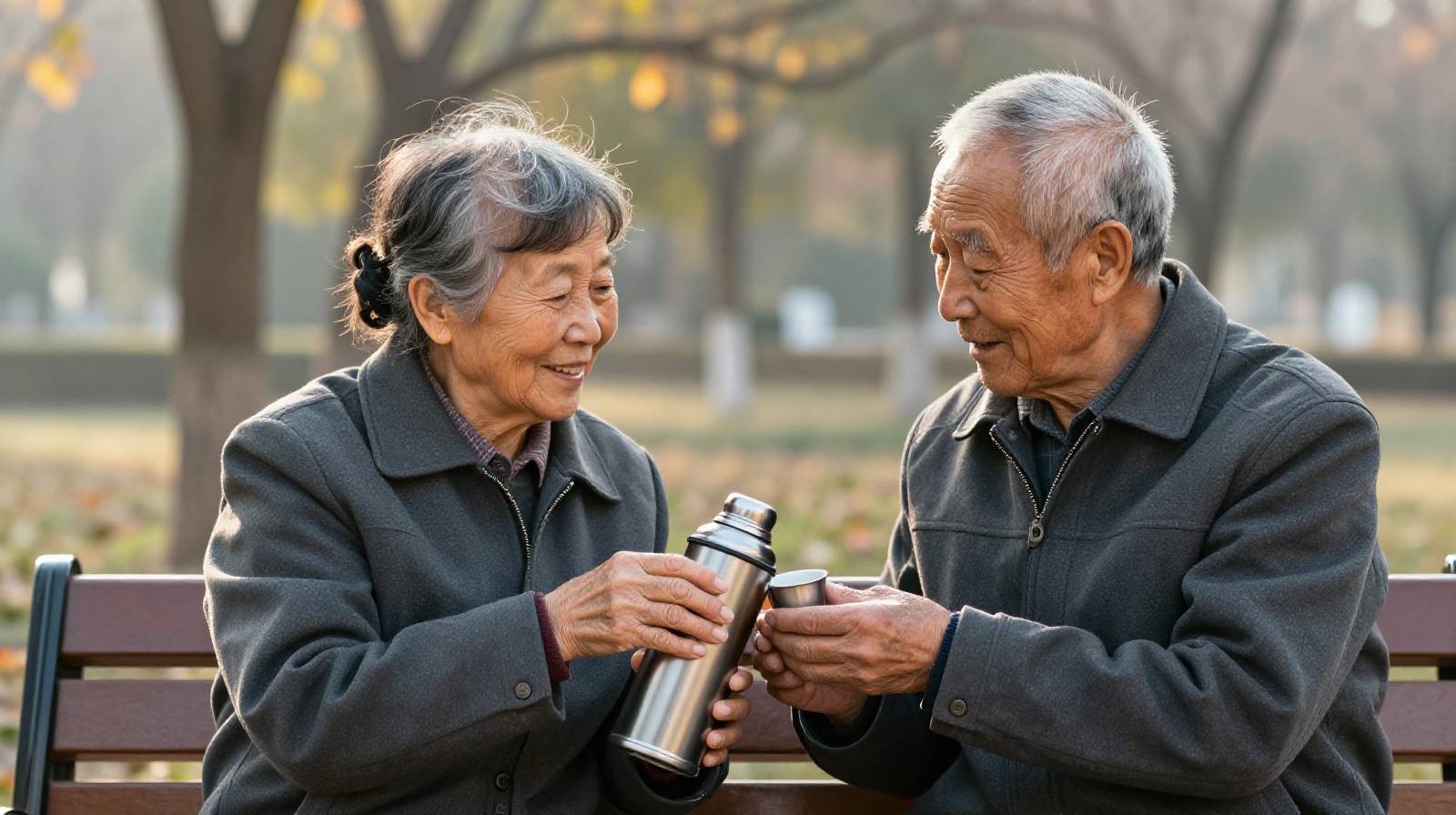
An elderly couple sitting on a park bench in Beijing sharing a thermos of tea, illustrating how daily habits persist despite modern changes.
Today, asking about food is no longer about checking if someone will starve. It has evolved into a shorthand for “I care about you” or “Is your life secure?” In a society undergoing rapid urbanization and transformation, this phrase serves as an anchor of stability and warmth.
More Than Just Small Talk
In Western cultures, “How are you?” is often a polite ritual that doesn’t invite a detailed emotional response. You answer with a quick “Good, thanks,” and move on.
The Chinese equivalent, “Have you eaten?,” feels more grounded in physical reality. It acknowledges the body’s basic needs before addressing social status or feelings. In China, caring for someone’s stomach is seen as the first step to caring for their heart.
Consider a neighbor greeting another in a residential compound. They might say, “Did you have jiaozi (dumplings) last night?” This isn’t an interrogation; it’s an invitation to share a moment of daily life. It breaks the ice in a way that feels intimate without being overly personal.
Real-Life Scenarios: How It Works Today
You might wonder how this plays out in modern, high-tech China where people order food with their phones and work long hours. The greeting remains surprisingly resilient because it fits perfectly into the rhythm of Chinese social life.
The Office Break Room: Two colleagues pass each other at 10:30 AM. “Chi le ma?” (Have you eaten yet?). Reply: “Not yet, going to grab a sandwich.” No further questions are needed. The message is clear: “I know you’re busy, but I hope you don’t forget your meal.”
The Family Gathering: At a wedding or birthday dinner, guests might be greeted by elders with the same question. It signals that the host is attentive and generous. If you are invited to eat, it is an honor. Refusing food without reason can sometimes be seen as rejecting the relationship.
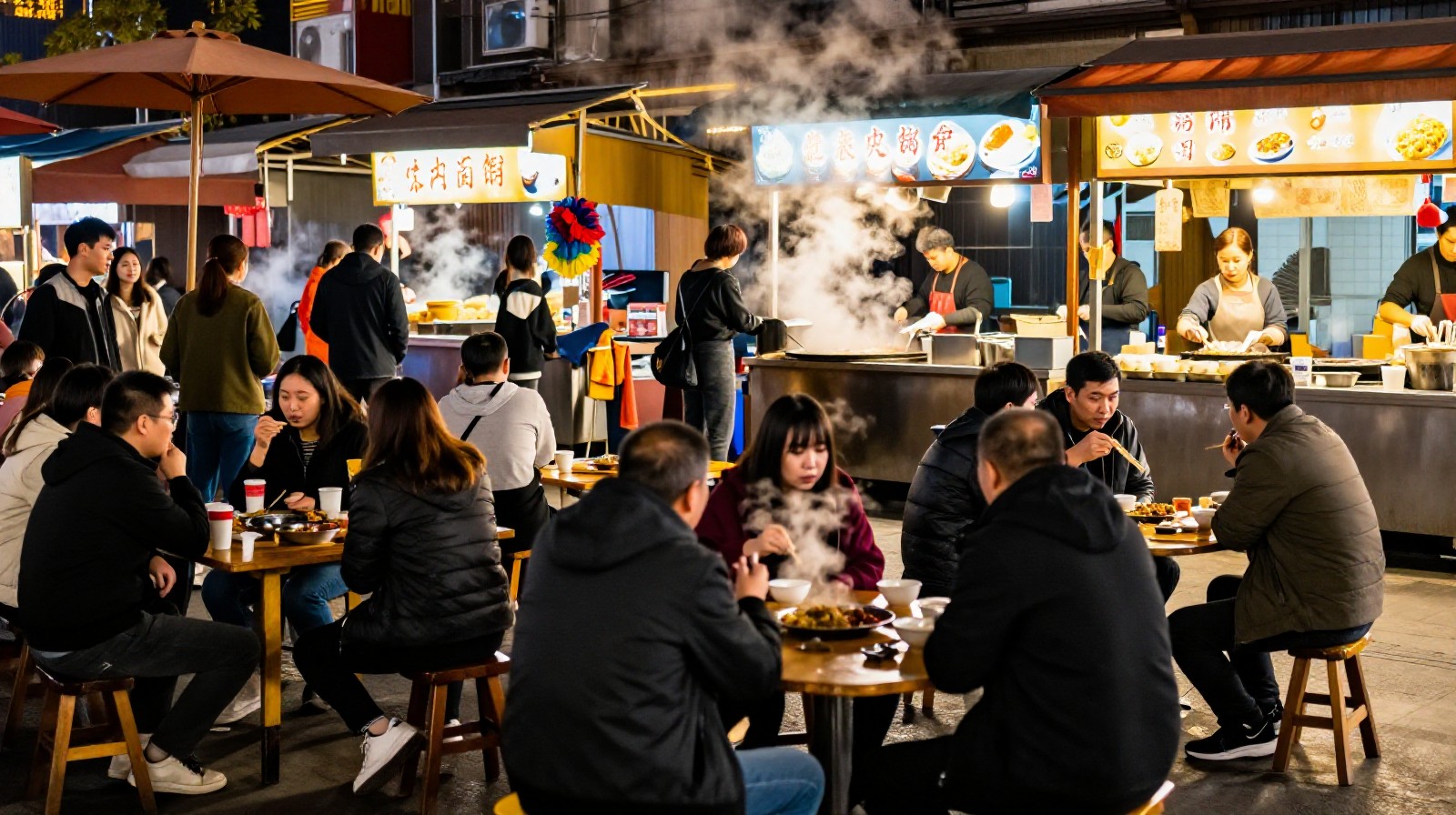
A bustling street food stall in Chengdu at night with steam rising from cooking pots, showing how food remains central to community interaction.
Even in digital spaces, this habit persists. WeChat messages often begin with “Have you eaten?” before diving into business or personal news. It is the digital version of a warm handshake.
A Bridge Between Cultures
If you are visiting China and someone asks you this, do not feel pressured to list your menu. A simple “Yes, I have” or “Not yet, but I’m hungry” is perfect. Often, the conversation will naturally drift to food recommendations.
This greeting reveals a core aspect of Chinese society: pragmatism wrapped in kindness. While Western cultures often prioritize abstract concepts like mental health or personal freedom in greetings, Chinese culture prioritizes tangible care and physical survival.
It is a reminder that beneath the skyscrapers, high-speed trains, and digital payments, the fundamental human need remains the same. We all eat, we all seek connection, and for many people in China, asking if you have eaten is the most honest way to say, “I see you, and I hope you are okay.”