
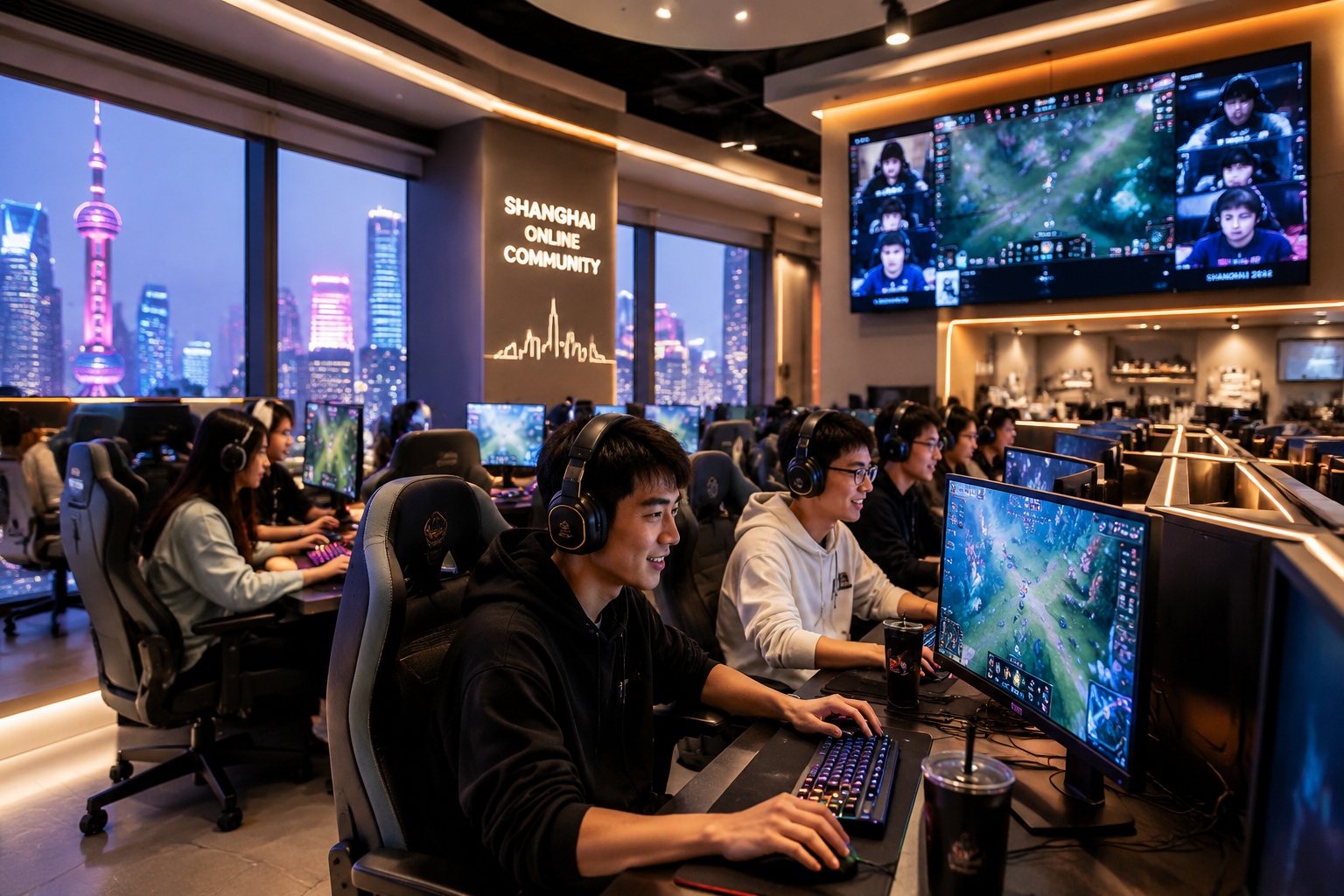

The Scene at HomeStreet: A Saturday Night Reality
It is 8 p.m. on a Saturday in the Xuhui district of Shanghai. Inside a bustling internet cafe on HomeStreet, the air hums not just with music, but with the intense concentration of twenty young men and women. They are not playing alone; they are connected by fiber-optic cables running directly from the building’s basement to global servers. This is a LAN (Local Area Network) party in its modern form.
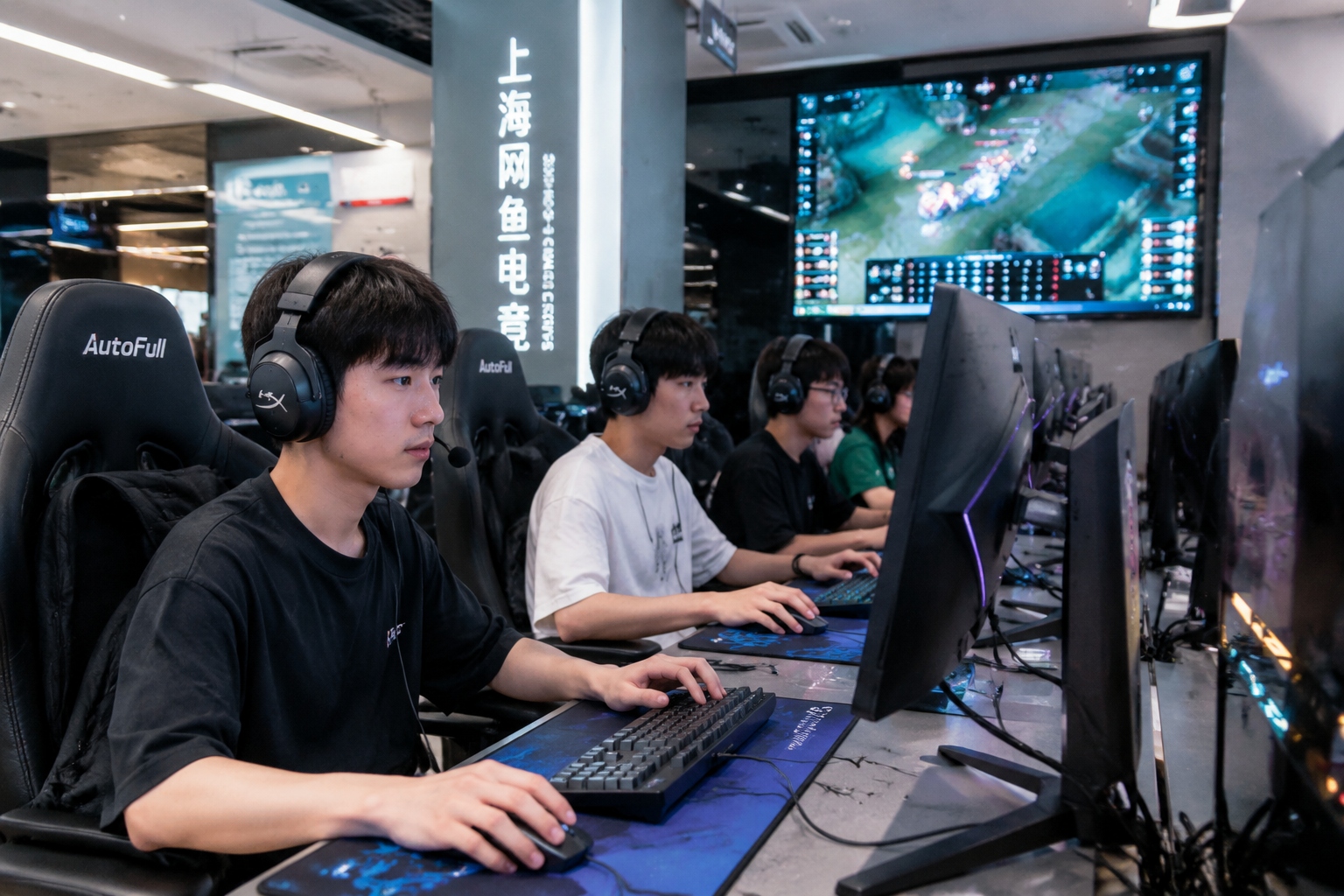
Unlike the stereotypical image of gamers huddled in dark, smoky basements, this venue is bright, clean, and air-conditioned. The machines are top-tier rigs costing thousands of dollars each, capable of rendering 4K graphics at 240 frames per second without a stutter. A quick glance reveals that half the room is watching a live broadcast of the Shanghai Esports Festival on large screens, while the other half competes in high-stakes tournaments. The atmosphere is electric, yet orderly. This scene is not an anomaly; it is a preview of what happens when a city treats gaming as serious infrastructure.
The Infrastructure Behind the Glory
Why Shanghai? For global event organizers, the answer lies less in talent and more in logistics. Hosting a major esports tournament requires something far beyond just a venue: it demands ultra-low latency internet, seamless power grids, and a workforce that can assemble thousands of chairs, cables, and screens overnight.
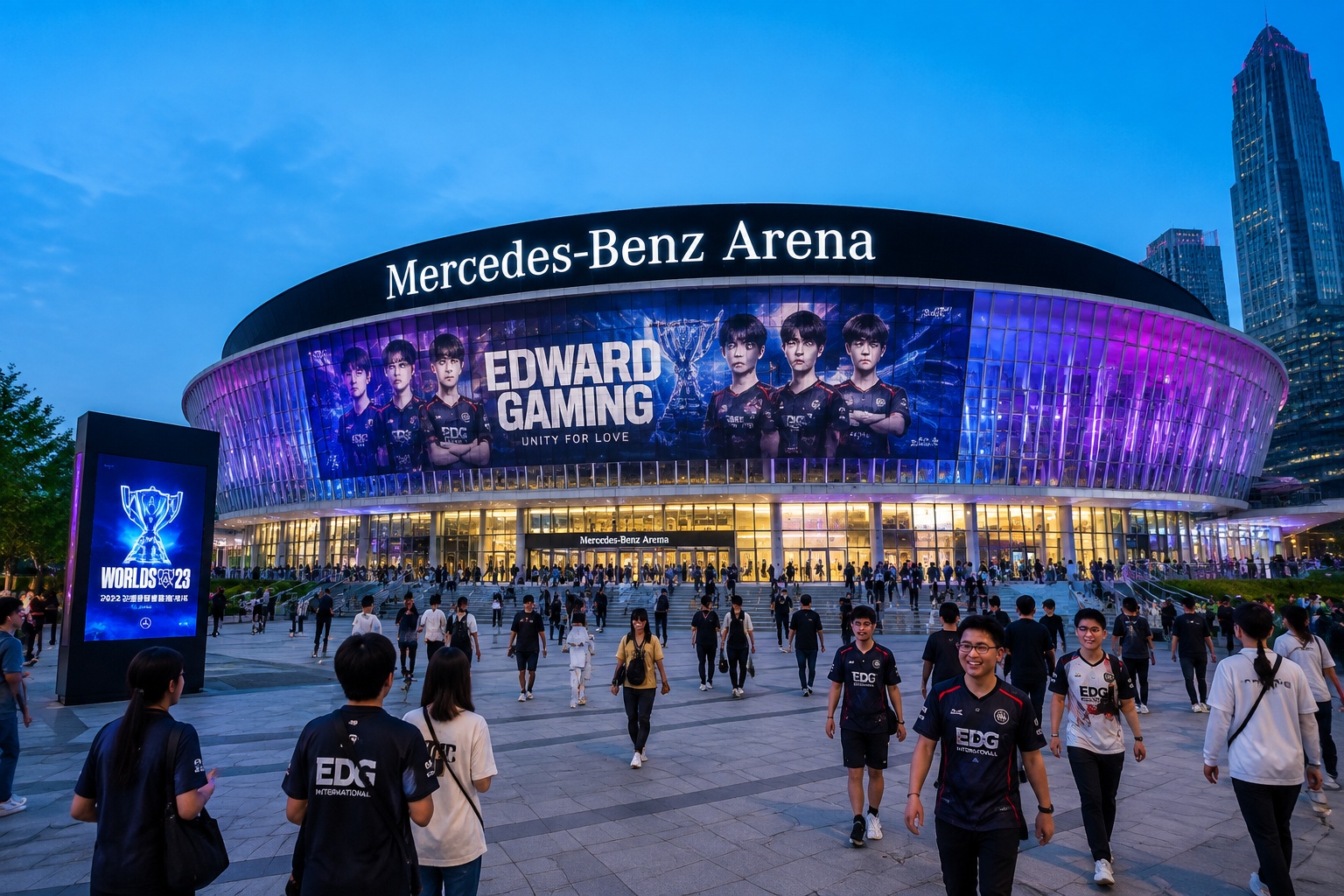
Shanghai’s urban planning is built for this speed. The city boasts one of the densest 5G networks in the world, with average mobile speeds consistently ranking at the top globally. In a recent tournament held at the Mercedes-Benz Arena, over 18,000 spectators attended. The challenge was not just getting them there; it was ensuring that every viewer streaming the match on their phones experienced zero lag.
This reliability is no accident. It stems from a public-private partnership model where ISPs (Internet Service Providers) work closely with city planners to prioritize high-bandwidth zones during major events. When you see a massive esports stage being erected in a matter of hours, it is often because the city’s logistics network—trucks, cranes, and skilled labor—is already tuned to support rapid deployment. This operational efficiency is the invisible engine that allows Shanghai to outcompete cities with larger populations for hosting rights.
From Spectators to Players: A Day in the Life
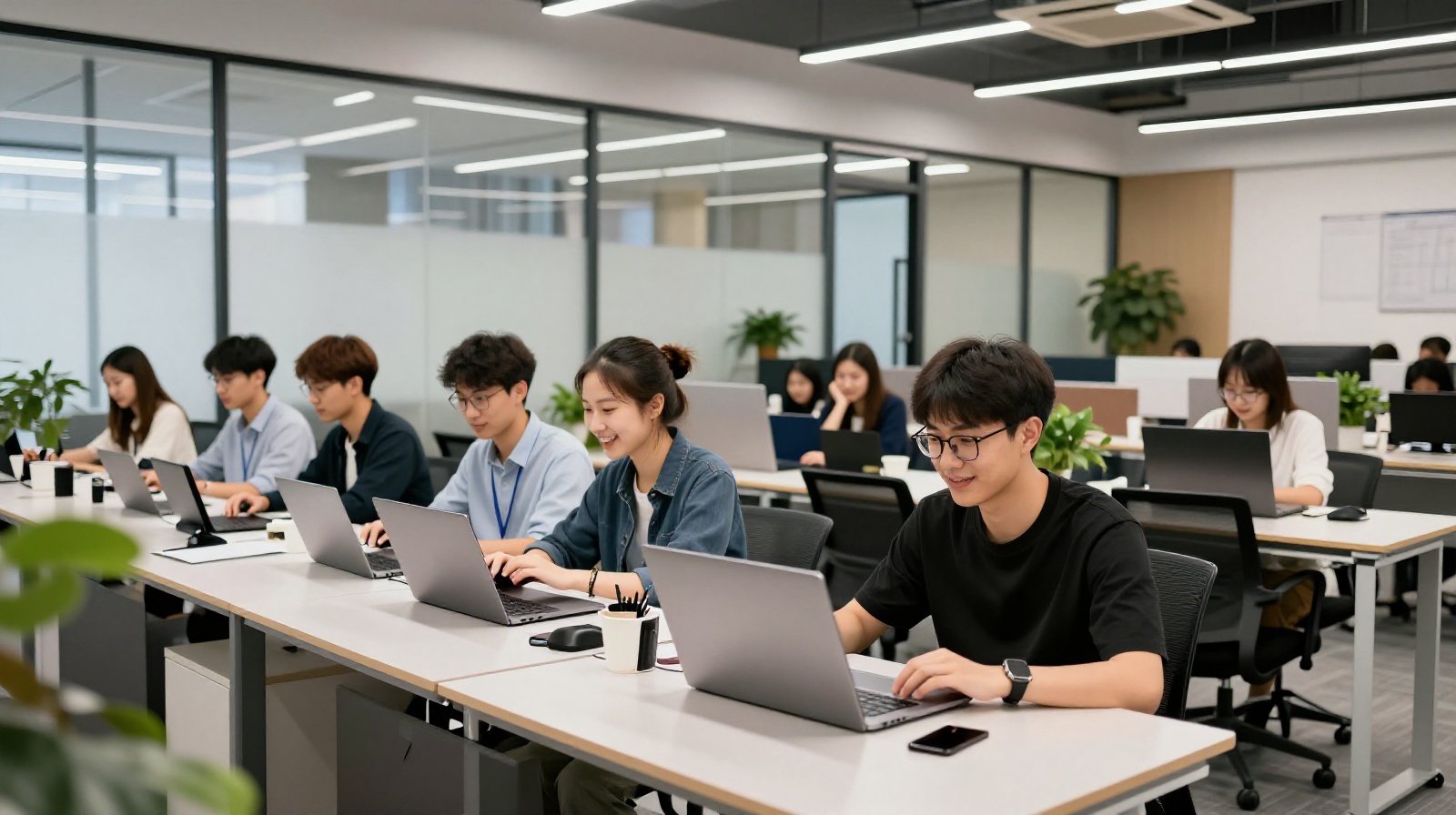
The ecosystem extends far beyond the event venues. For Shanghai’s youth, gaming is both a career path and a social hub. In the co-working spaces of Zhangjiang High-Tech Park, you will find content creators setting up streaming rigs next to software engineers. They are not seen as slacking off; they are viewed as part of the digital economy.
Consider Li Wei, a 24-year-old who runs a small gaming cafe in Jing’an. “In the past,” he says, “people thought gamers were just playing games all day. Now, I have to train staff on customer service, tournament management, and even live-streaming production.” His customers are often aspiring professional players or content creators looking for a stable connection and high-end peripherals.
This shift has created a vibrant local community. Universities in Shanghai now offer courses in esports management and game design. The line between spectator and player is blurred; fans often join the action, participating in amateur leagues that feed into the professional ranks. This pipeline of talent keeps the scene fresh and ensures that when global stars visit, they find an audience that understands the nuance of the game.
Gaming as Social Currency
Esports has reshaped Shanghai’s public spaces and local commerce. Malls are no longer just places to buy clothes; they have become venues for gaming pop-ups. A large shopping district in Pudong recently hosted a mobile gaming festival, filling the atrium with booths where visitors could try out the latest titles on 5G-connected tablets.
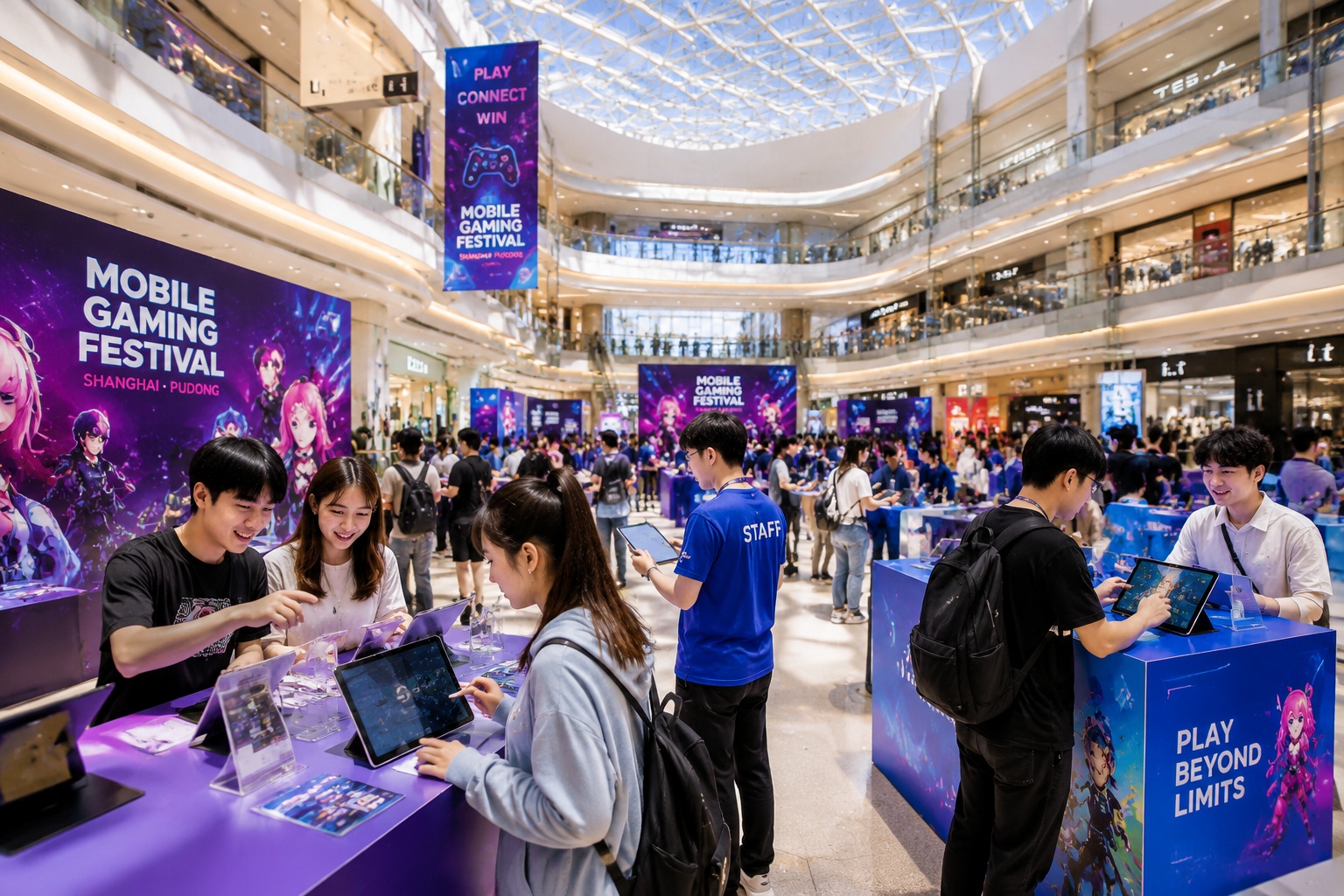
Local businesses have adapted quickly. Cafes near major stadiums now offer “tournament watch parties” with special menu items. Delivery apps integrate directly with esports schedules, offering meal deals for fans watching matches late at night. This integration of gaming into daily commerce creates a self-sustaining economic loop.
Furthermore, gaming has become a point of civic pride. The city government actively supports the industry through subsidies and venue construction, viewing it as a key component of its “International Consumption Center City” strategy. When a global championship is held in Shanghai, it draws tourists from around the world, boosting local hotels, restaurants, and transport. It is no longer just about entertainment; it is about urban identity.
Conclusion: A Model of Integration
Shanghai’s rise as the gaming capital is not a story of fleeting trends or government mandates alone. It is the result of a deep integration between technology, culture, and daily life. The city has built an environment where high-tech infrastructure meets human ambition.
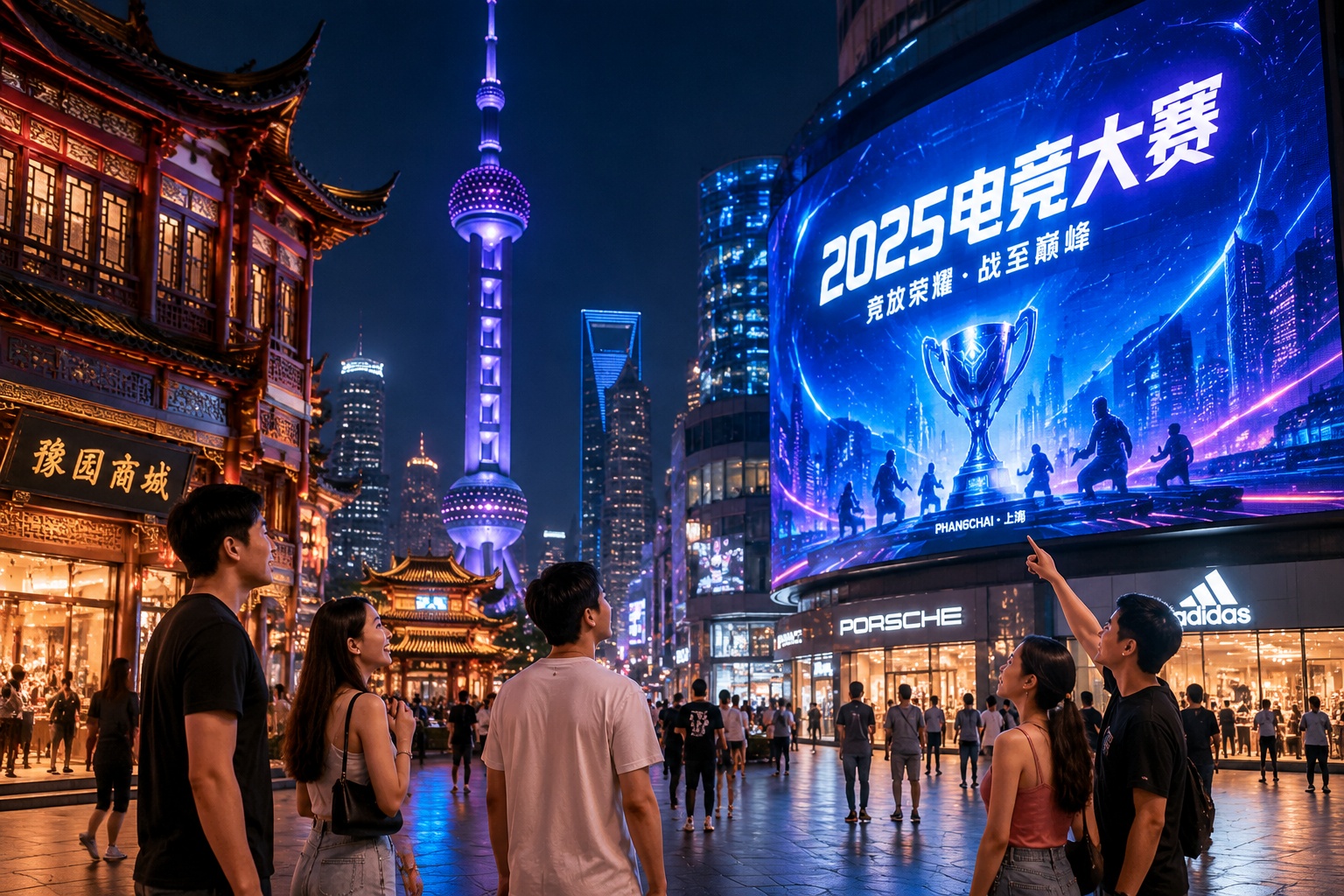
For international observers, the lesson from Shanghai is clear: the future of entertainment is not just about what happens on the screen, but how well a society can support it off-screen. As long as the internet stays fast, the venues remain accessible, and the young generation remains passionate, Shanghai will likely continue to host the world’s best esports events. The city has proven that when you treat gaming as a serious industry, the results are not just games—they are global phenomena.
Start the discussion at forum.chinacomes.com