
The Line That Never Ends
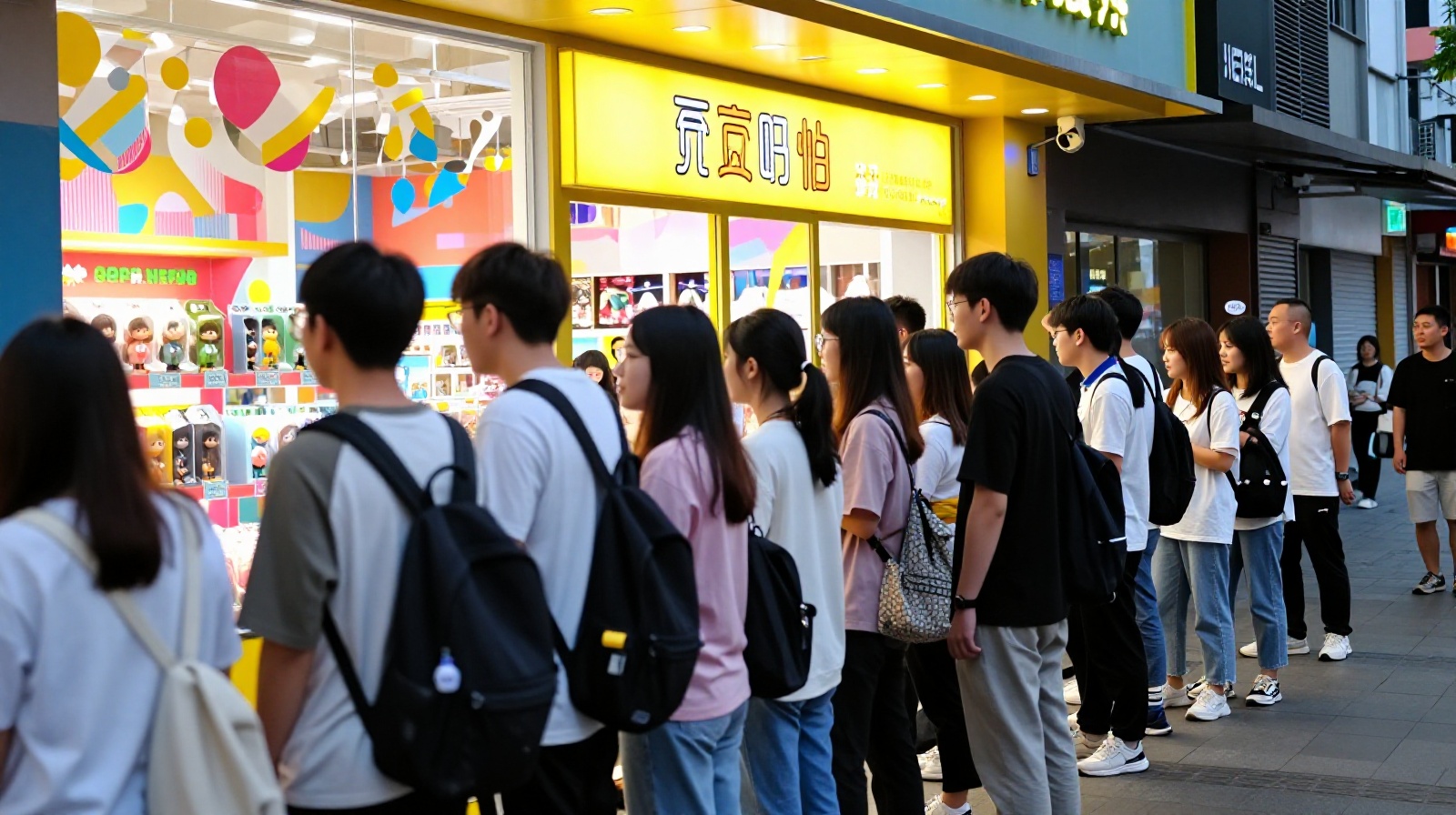
Imagine standing in a line outside a small, brightly lit shop in downtown Shanghai. It’s 7 PM on a Friday. You aren’t there for dinner or a movie. You are waiting to buy a plastic figure inside a cardboard box that you cannot open until you get home. Inside might be a cute bear, a robot, or perhaps the one rare “hidden” version worth ten times its price.
This is the scene at a typical Pop Mart store in China. For millions of young people, buying blind boxes isn’t just shopping; it’s a ritual. The concept is simple: you pay for a mystery. But the result is a complex economic machine that generated over 10 billion RMB (approx. $1.4 billion USD) in sales in just one year.

How the Game Works
The mechanics are deceptively simple, yet incredibly effective. A consumer buys a sealed box containing a designer toy from a specific series—usually 6 to 14 different characters plus one “secret” or “hidden” edition. The odds of getting the hidden version are often as low as 1 in 144.
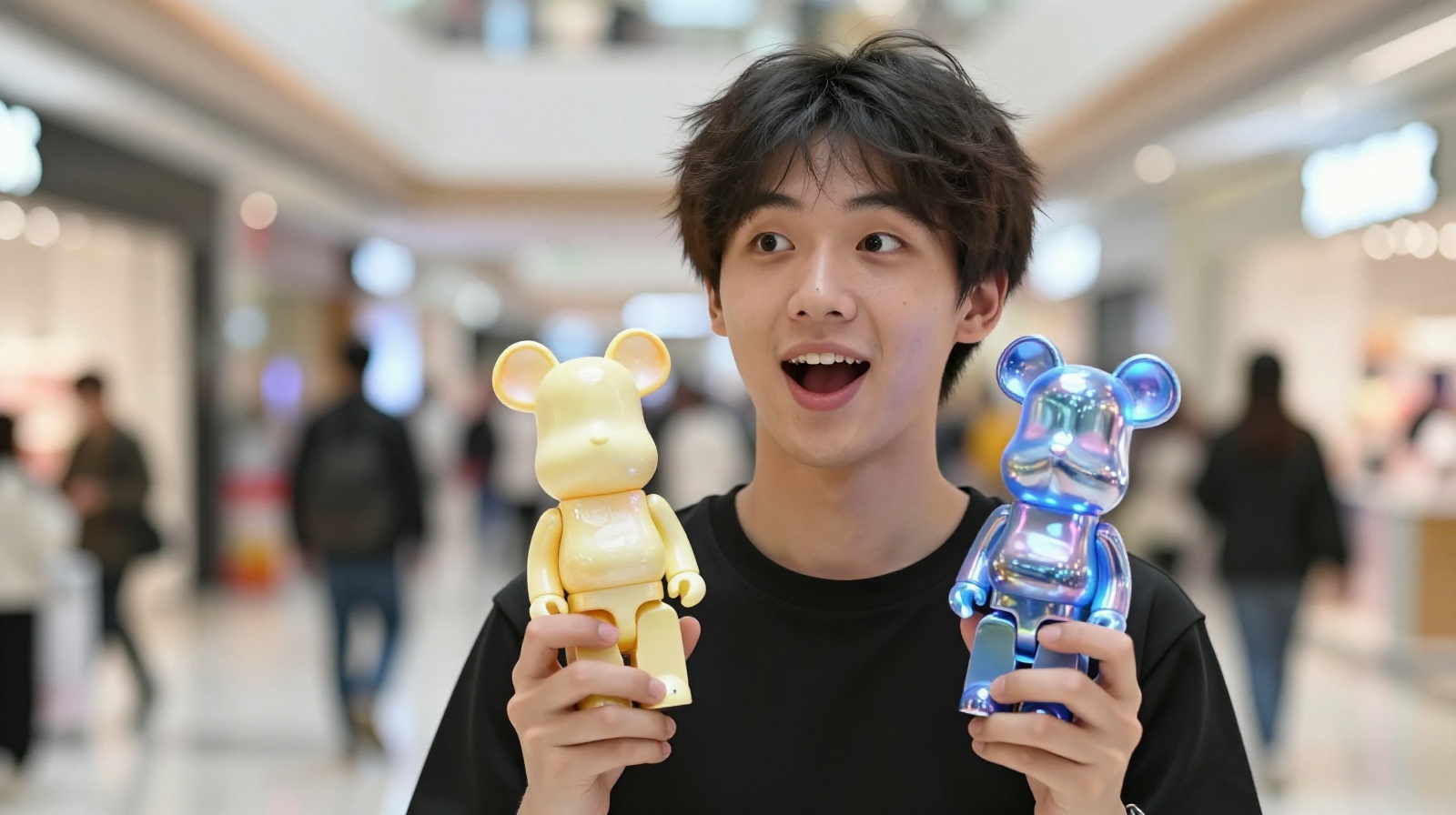
When you shake the box, it feels light. When you open it, if it’s a common character, you feel a mild disappointment but also the urge to buy another one immediately to complete your collection or hunt for the rare prize. If you get the hidden version, the rush is instant and overwhelming.
This cycle taps into a psychological principle known as the “Skinner Box” effect. Named after psychologist B.F. Skinner, it describes how unpredictable rewards trigger intense dopamine release in the brain. Unlike buying a car or a laptop where the outcome is certain, the blind box offers a variable reward schedule—the same mechanism that makes slot machines addictive.
The Search for Emotion and Connection
Why does this work so well in China right now? It’s not just about the toys; it’s about what they represent. For many young Chinese professionals working long hours in high-pressure tech or finance jobs, blind boxes offer a moment of emotional release.
The characters are often designed with “chibi” (large head, small body) aesthetics that evoke feelings of innocence and cuteness. Holding these figures provides a sense of comfort and companionship in an increasingly isolated urban environment. It is a low-cost way to treat yourself when life feels heavy.
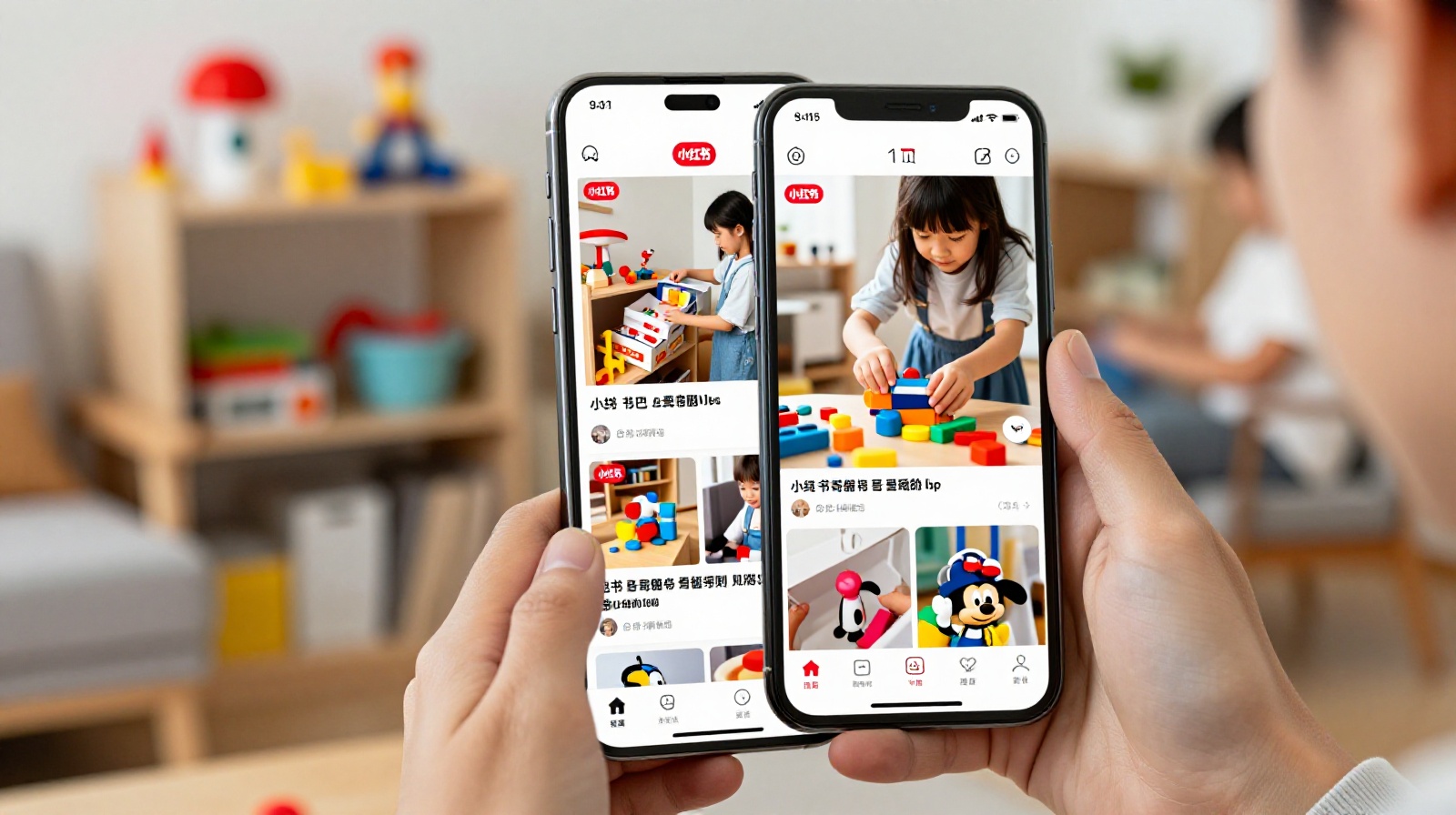
Beyond personal emotion, blind boxes have become a form of “social currency.” In China’s hyper-connected digital world, sharing your unboxing experience on social media platforms like Xiaohongshu (Little Red Book) or Douyin (TikTok) is crucial. Trading duplicate figures with friends creates community bonds. Showing off a rare hidden figure brings status among peers. The toy itself becomes less important than the story it tells about you.
The Double-Edged Sword
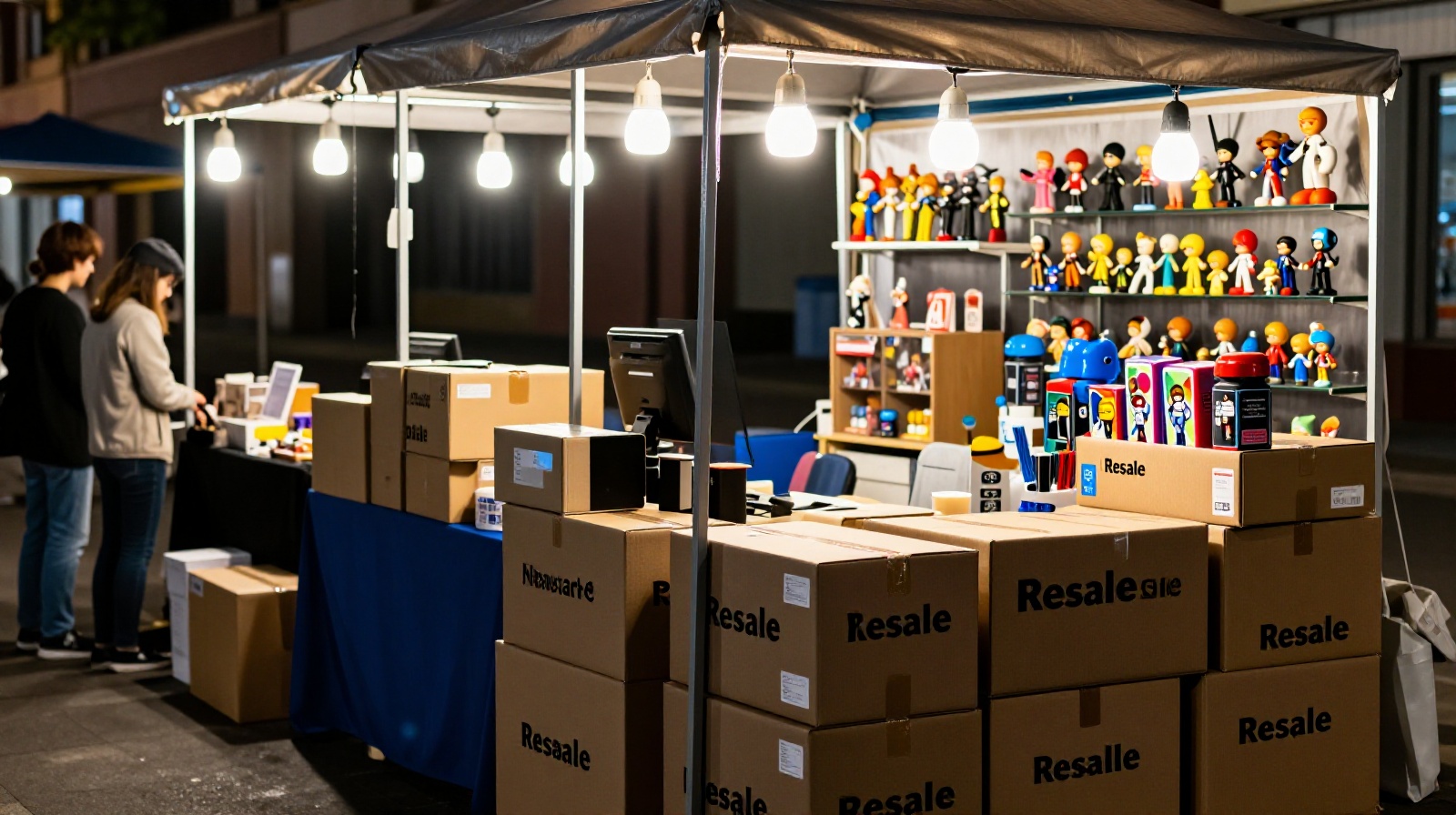
However, the phenomenon isn’t without its shadows. Resellers have turned blind boxes into a secondary stock market. Some rare figures sell for thousands of dollars online, far above their original price. This has led to concerns among parents and regulators about gambling-like behavior, especially among teenagers.
In 2019, Chinese authorities issued guidelines restricting the sale of blind boxes to minors in certain contexts, acknowledging that the psychological tricks used here can be harmful when unchecked. The industry is now trying to balance its massive profits with responsible marketing, such as revealing odds more clearly or capping purchase limits.
Yet, the appeal remains strong. It reflects a deeper truth about modern consumption: people are no longer just buying objects; they are buying experiences, emotions, and connections. The blind box is a mirror of China’s digital age—a place where technology, psychology, and commerce collide to create something entirely new.