

Not Your Grandfather’s Internet Bar
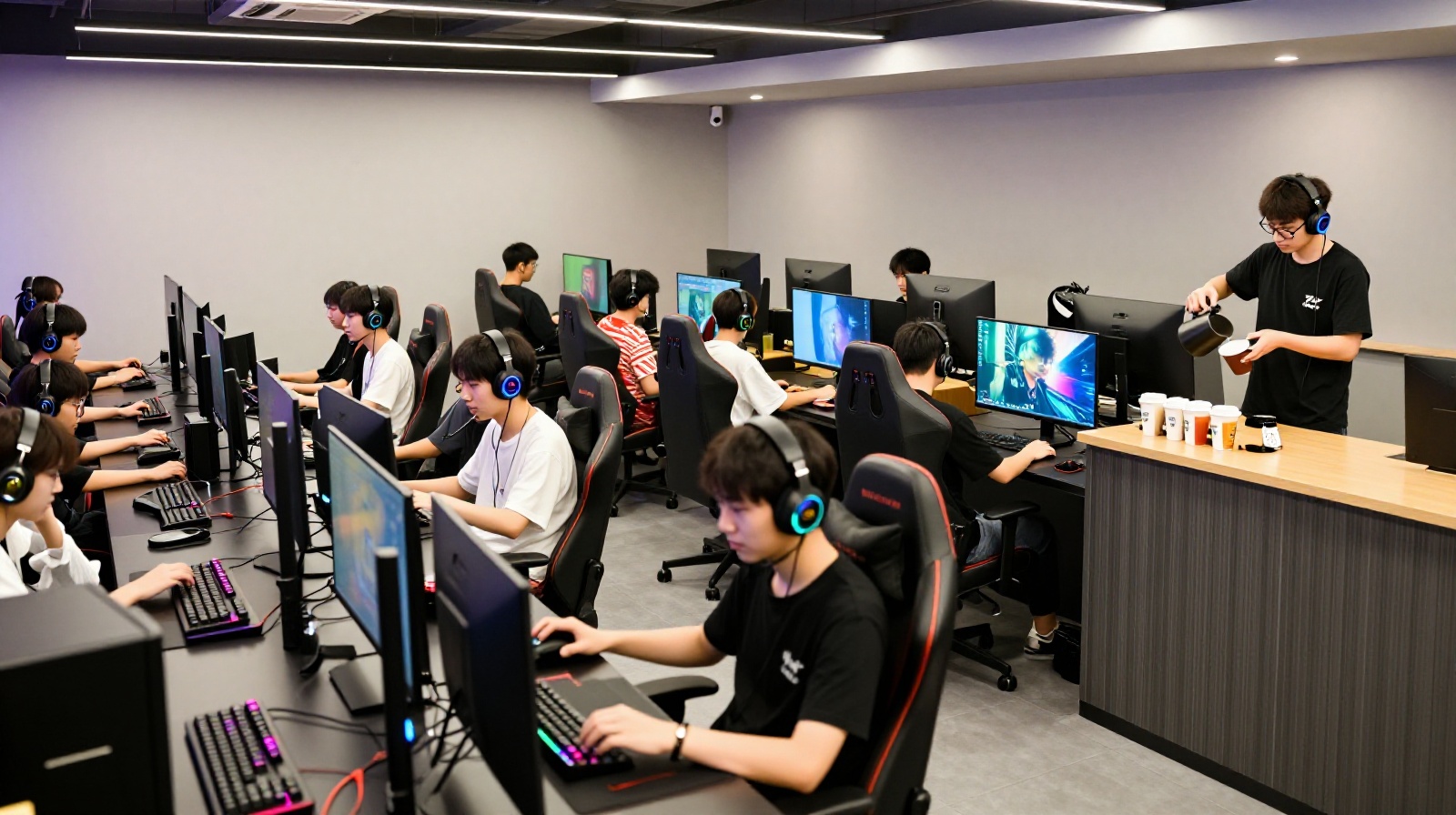
If you imagine a Chinese internet cafe as a dark, cramped room filled with teenagers smoking cheap cigarettes and playing pixelated games, it is time to update that picture. The landscape of digital leisure in China has shifted dramatically over the last decade.
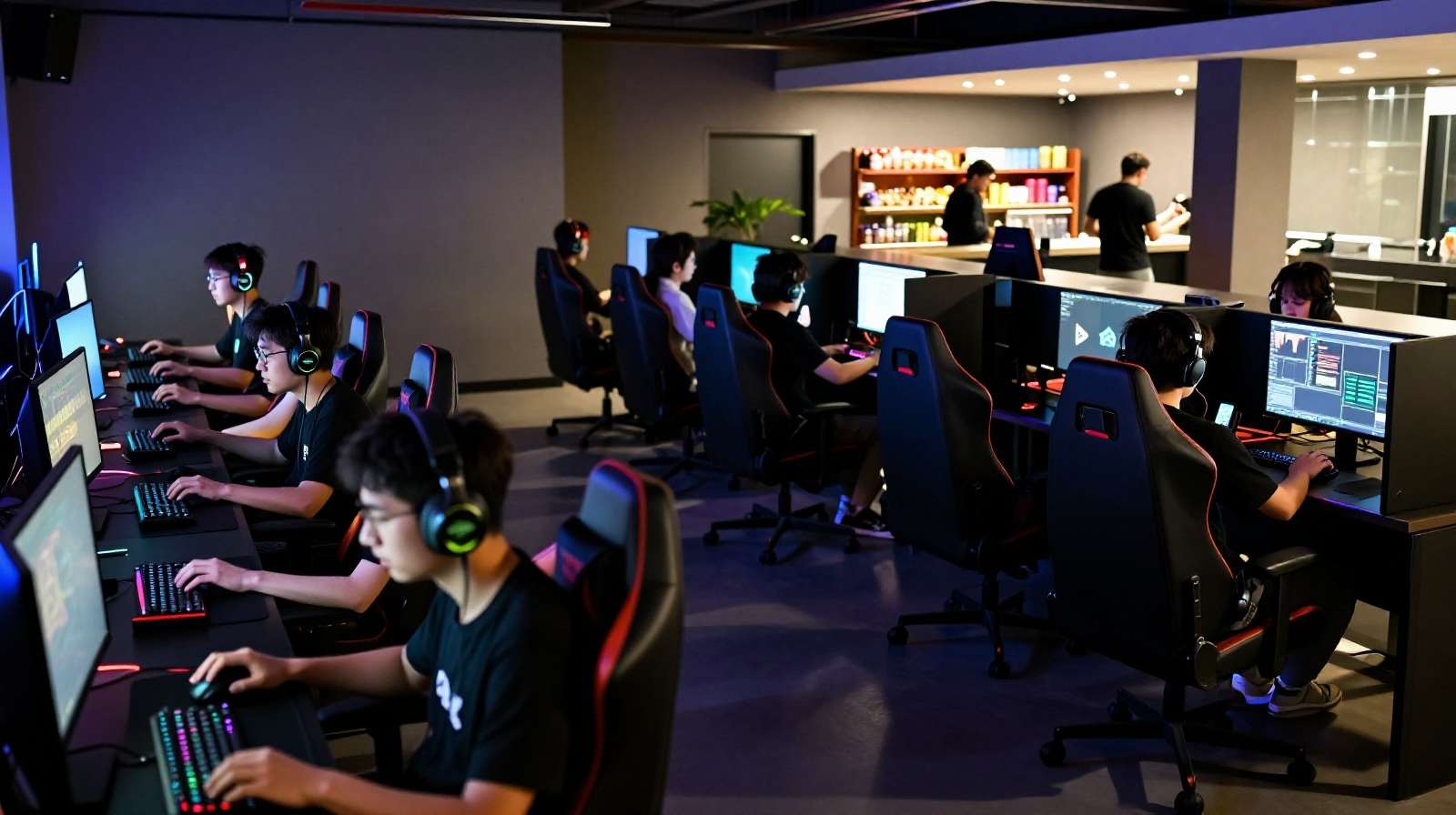
Today’s venues, known locally as wangba (网吧) or more specifically dianjing guan (电竞馆—esports cafes), are closer to high-end gaming lounges or boutique coworking spaces. They are bright, clean, and air-conditioned. The atmosphere is quiet but electric, punctuated only by the rhythmic clicking of mechanical keyboards and the low hum of expensive hardware.
The Hardware: Gaming on a Budget
For many Chinese students and young professionals, these cafes offer access to technology they might not afford at home. A typical high-tier seat comes with an Alienware or custom-built PC featuring an NVIDIA RTX 40-series GPU, a 240Hz monitor, and a pro-grade mechanical keyboard.
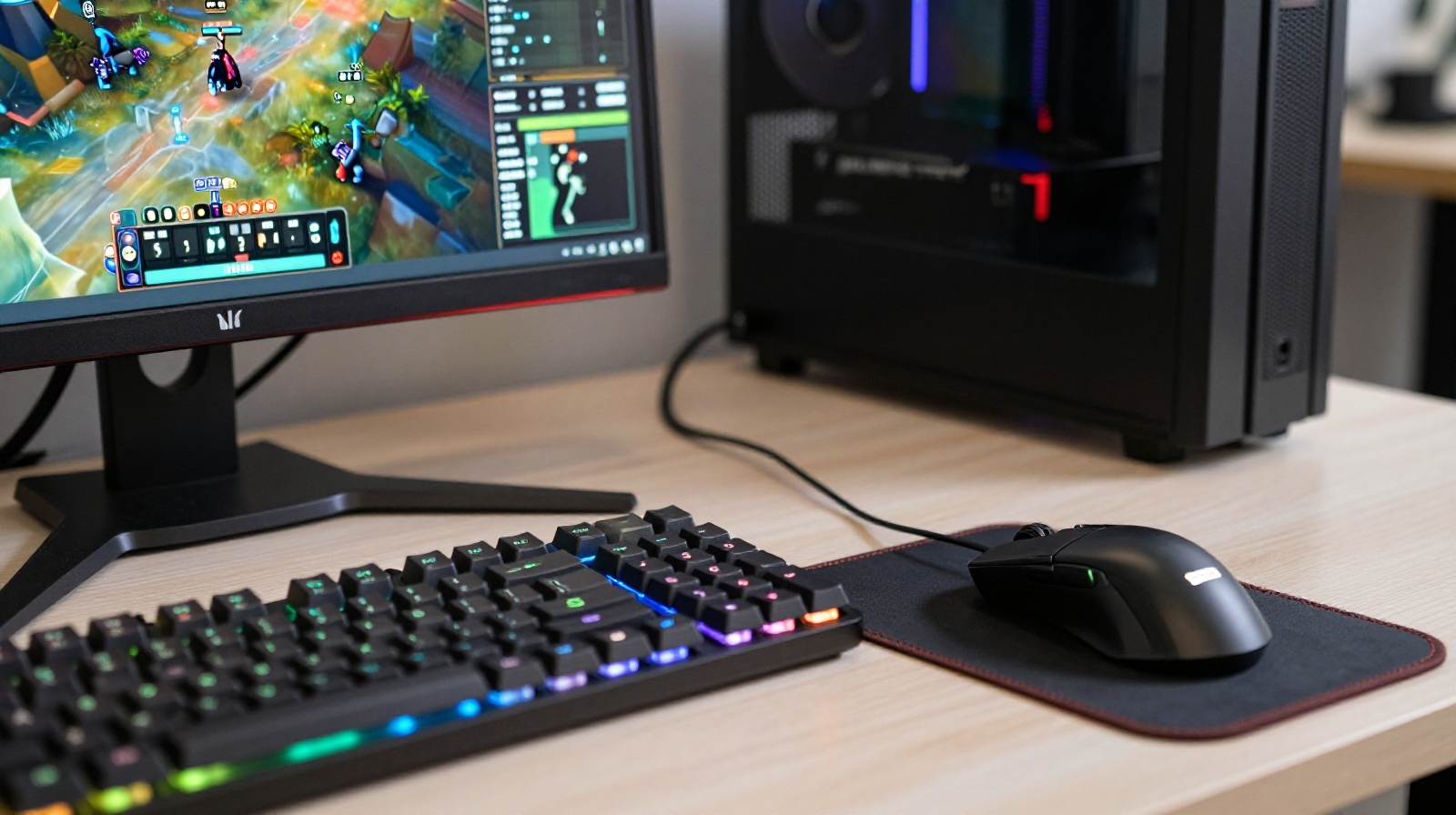
The cost is surprisingly accessible. While top-tier “VIP” rooms can range from $3 to $5 USD per hour, standard gaming zones often charge between $0.50 and $1.50 per hour. For context, a cup of coffee at a Western chain might cost more than an hour of premium computing time. This price-performance ratio is a key driver of their popularity among budget-conscious gamers.
The First Hurdle: Strict Real-Name Registration
Before you can sit down and launch a game, there is one non-negotiable step: identity verification. China enforces some of the world’s strictest cybersecurity laws regarding public internet access. Every user must register with their real name and ID.
For Foreign Visitors
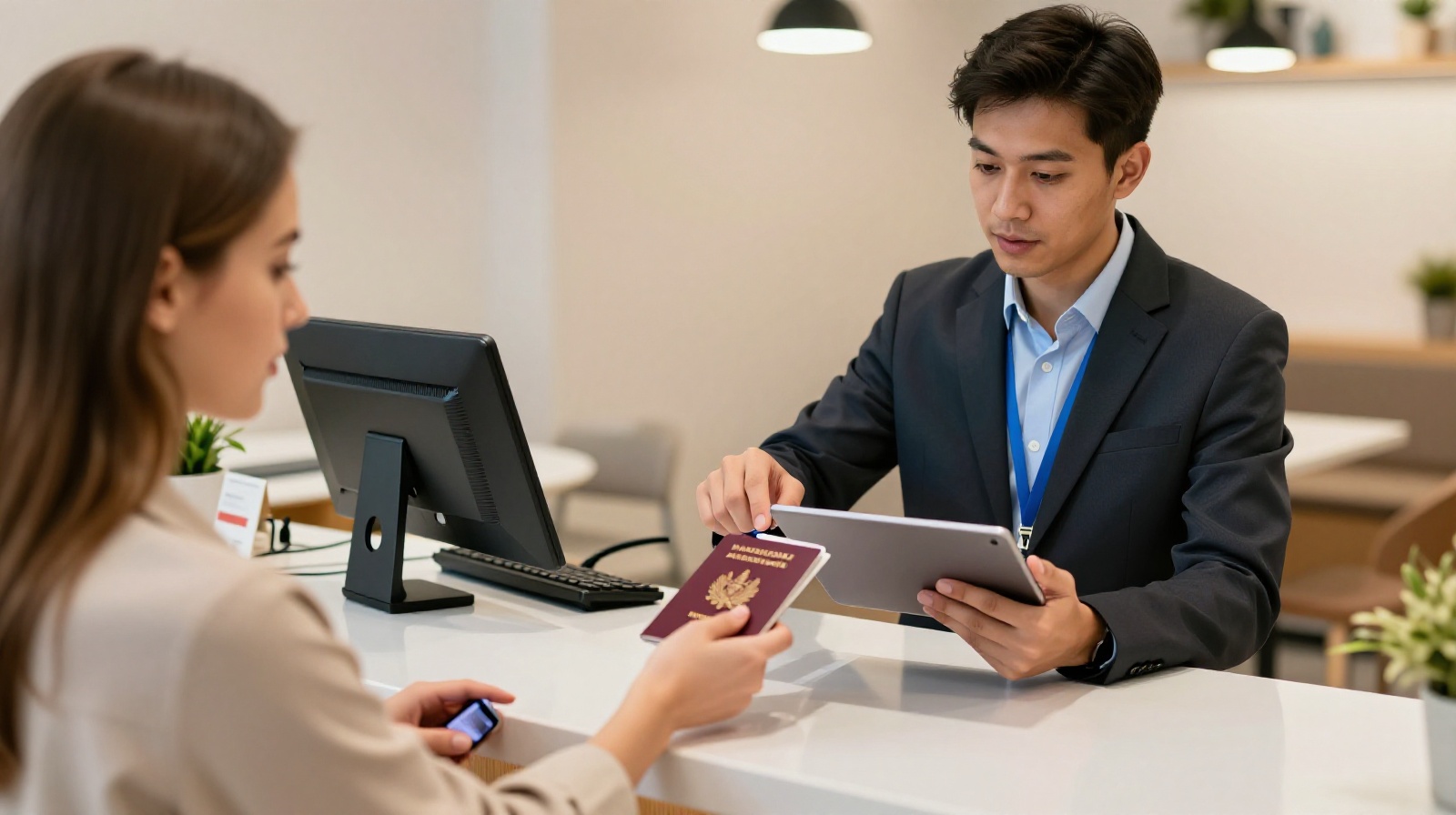
If you are a tourist or expat, your passport is your ticket in. The process is straightforward but requires patience:
- Show Your Passport: Hand your physical passport to the staff member at the reception desk.
- Biometric Scan: Most modern cafes use facial recognition systems linked to government databases. You will need to look into a camera and follow prompts (blink, turn head) to verify you match the photo in your passport.
- Get Your Token: Once verified, you receive a physical key card or a digital QR code on a receipt. This is your login token for the computer system.
Note: You cannot play without this step. Staff are legally required to deny service to anyone who refuses or fails verification.
Space and Service: The ‘Third Place’
Modern Chinese cafes have moved beyond just providing computers; they sell an environment. Unlike the old stereotype of chaotic, noisy rooms, today’s venues are designed for immersion and comfort.
The Layout
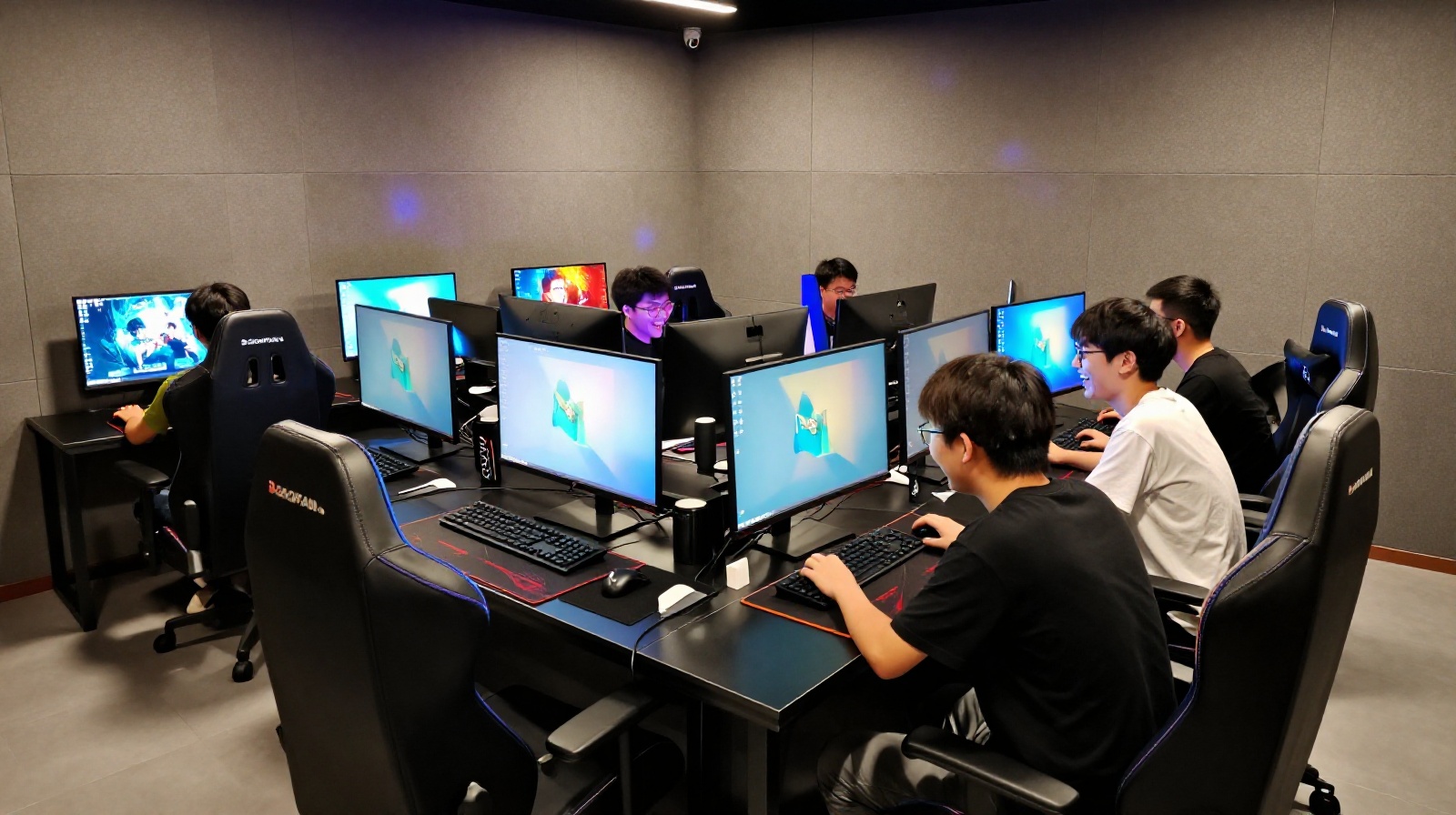
You will typically find two main zones:
- Open Arena: Rows of identical setups. Good for casual play and social interaction, but noisy.
- Private Suites (Baofang): Glass-walled or enclosed rooms for 2-4 people. These are ideal for team-based games like League of Legends or PUBG, offering privacy and better sound isolation.
The ‘Third Space’ Culture
In Chinese urban life, the wangba serves as a “third place”—distinct from home (first) and work/school (second). Because many young people live in small apartments or dorms with limited privacy, these cafes offer a sanctuary to relax, socialize, and escape.
Amenities Beyond Gaming
Expect more than just internet. Many high-end cafes now feature:
- Freshly Brewed Coffee & Tea: Barista stations are common, offering drinks comparable to specialty coffee shops.
- Light Meals: Instead of stale instant noodles, you can order fresh fried rice, dumplings, or bento boxes delivered directly to your station.
- Nap Pods: Some venues offer private sleeping pods for rent by the hour, catering to late-night workers or heavy gamers.
The Overnight Culture: Why Stay Until Dawn?
One of the most distinct features of Chinese cafe culture is the night owl population. It is common to see students and professionals staying from 10 PM until sunrise.
Why Do They Stay?
- Night Rates: Many cafes offer discounted “night packages” (e.g., $5 for a 12-hour block from midnight to noon).
- Socializing: For many, it is a weekend ritual. Friends gather in private suites to play together, talk, and eat.
- Escape: As mentioned, it provides a quiet, air-conditioned space away from crowded family homes or noisy dorms.
Safety and Etiquette
Is it safe? Generally, yes. These are legitimate businesses with 24-hour security cameras, on-site staff, and often security guards. However, basic travel precautions apply:
- Keep Valuables Secure: Use lockers for phones and wallets.
- Dress Code: While casual, some upscale venues may refuse entry to those wearing slippers or sleeveless shirts (varies by location).
- Hygiene: Bring your own earphones. While many cafes provide disposable ones, quality is often poor. Also, be mindful of personal space in open areas.
The Culinary Subculture: ‘Wangba Fried Rice’
You cannot talk about the Chinese internet cafe experience without mentioning the food. There is a unique culinary tradition here, often referred to jokingly as “Wangba Fried Rice” or “Esports Noodles.”
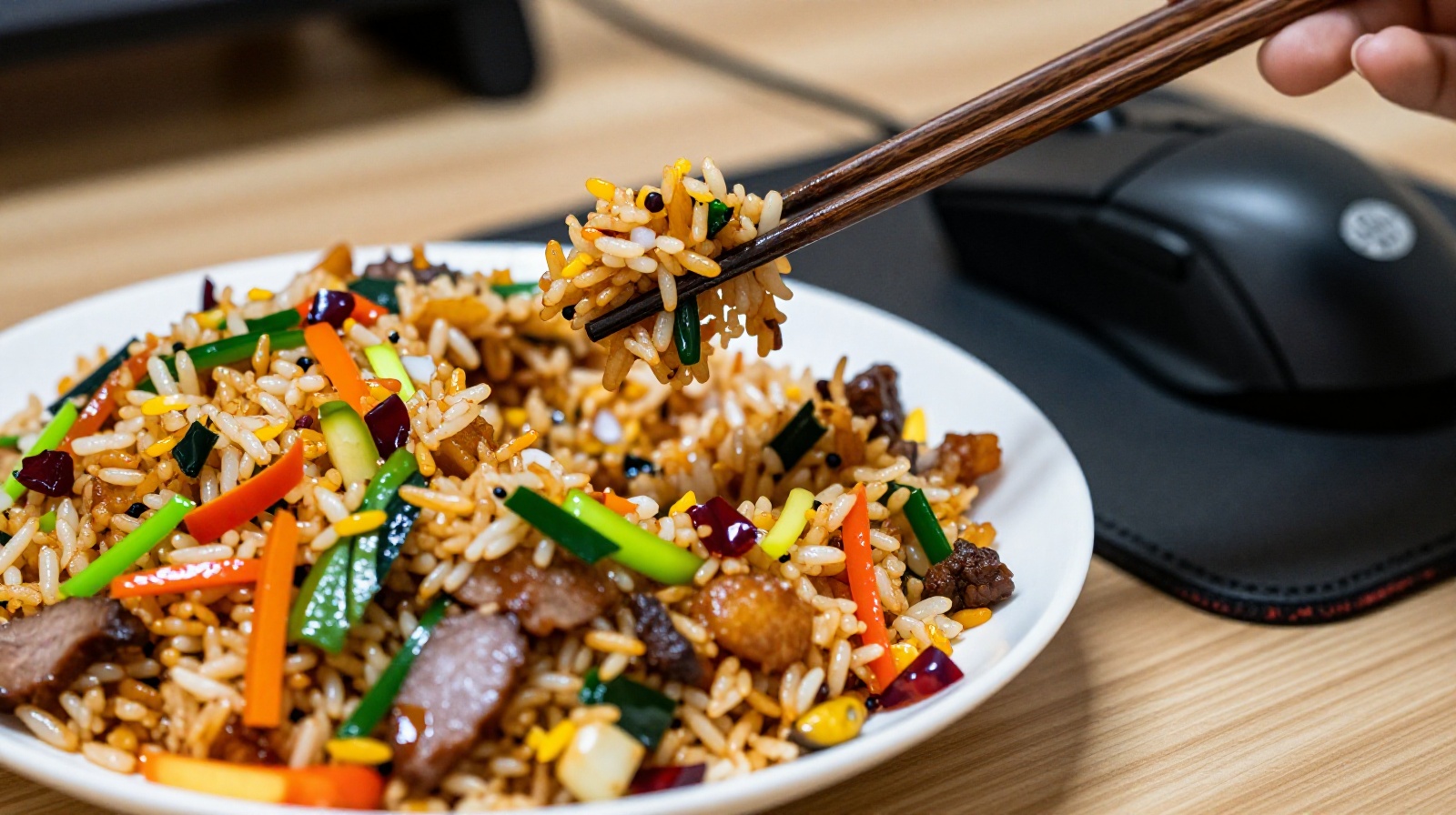
Why fried rice? It is practical. Unlike soupy noodles or messy burgers, fried rice can be eaten with chopsticks one-handed while the other hand mashes keys in a MOBA or FPS game. It is fast, filling, and doesn’t require putting down your mouse.
The quality has improved significantly. Modern cafes partner with local restaurants or have their own kitchens serving fresh, hot meals. However, the stereotype persists because it remains the most efficient fuel for long gaming sessions.
Final Thoughts
China’s internet cafes are no longer just places to kill time; they are sophisticated entertainment hubs that reflect the country’s digital maturity. For a foreign visitor, stepping into one is not just about playing games—it is an observation of how young Chinese people live, work, and play in the modern era. It is clean, connected, and surprisingly civilized.