

The Sound of Hustle and Chill
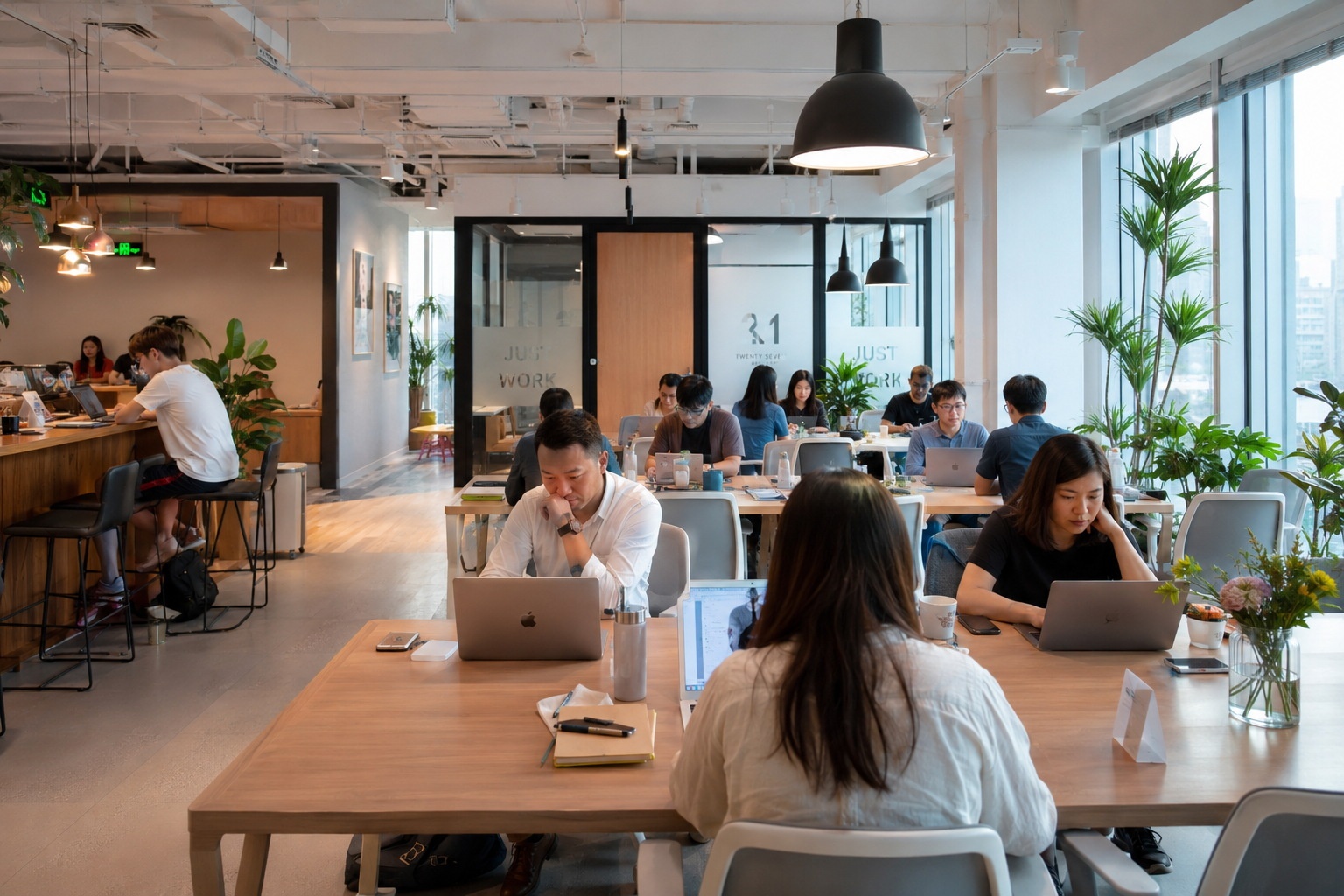
It is 10:30 AM on a Tuesday at WeWork Xierqi in Beijing’s Haidian District. The air smells faintly of roasted coffee beans and printer toner. In the open-plan area, the ambient noise is a carefully calibrated mix: the rhythmic clicking of mechanical keyboards, the low hum of HVAC systems, and the occasional burst of laughter from the kitchenette.
Li Wei, a 28-year-old freelance UI designer, sits at his usual spot near the window. He isn’t working alone. Across the aisle, a team of three software engineers is debating an API architecture in hushed tones. Two rows over, a solo entrepreneur is on a Zoom call, wearing noise-canceling headphones but gesturing wildly with her hands. This is the typical rhythm of China’s modern co-working spaces: a paradox of intense solitude and proximity.
Rebuilding Weak Ties in an Atomized City
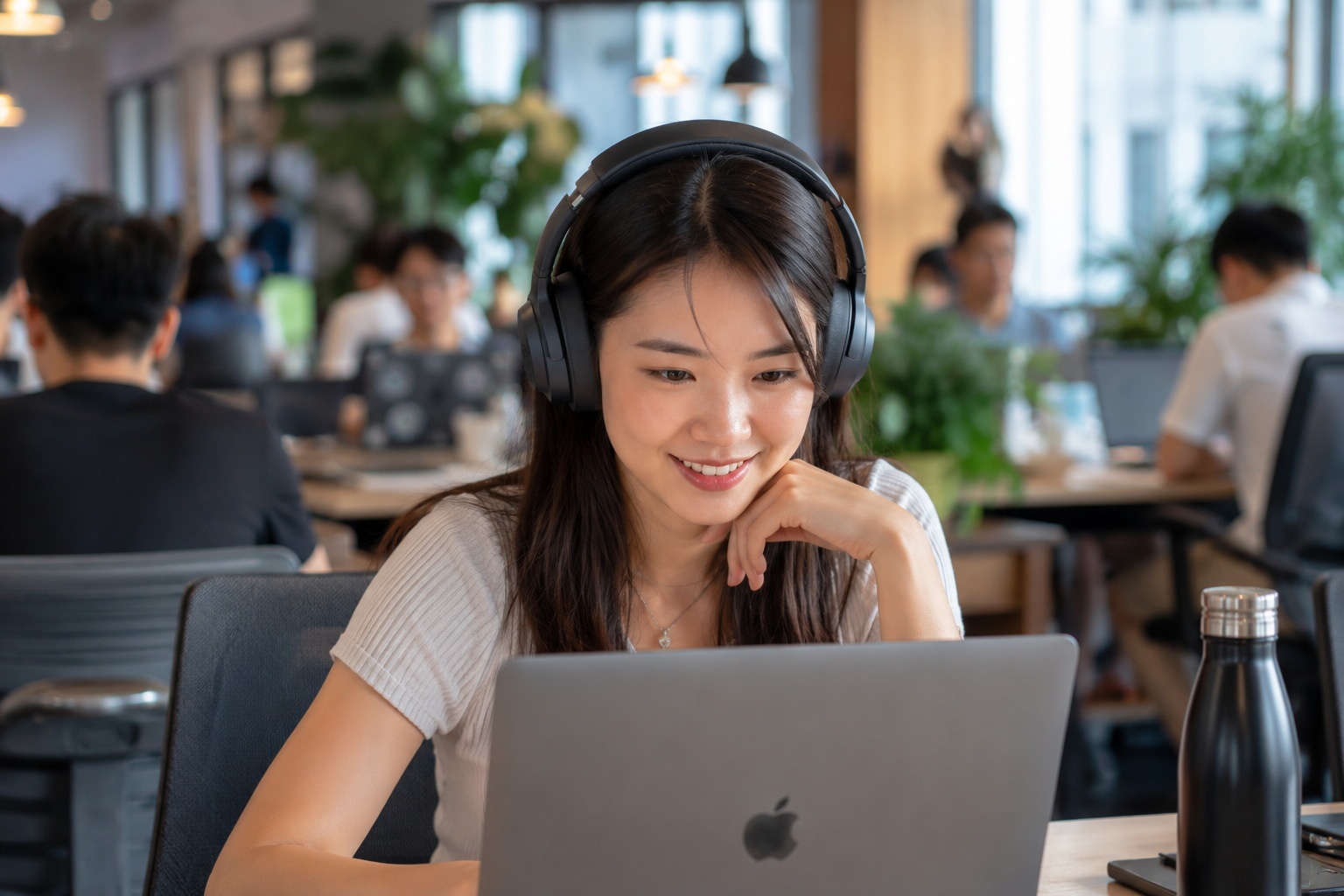
For young professionals in cities like Shanghai, Shenzhen, or Chengdu, the traditional office structure is eroding. Many are freelancers, gig workers, or early-stage startup founders. The loneliness of remote work is real—a silent apartment, a cold meal eaten at a desk, and endless scrolling through social media.
Shared offices fill this void. They offer more than just electricity and Wi-Fi; they offer presence. Sociologists call this the rebuilding of “weak ties”—the casual connections with acquaintances that often lead to new opportunities. In China’s hyper-competitive urban environment, these weak ties are currency.
Consider Lin Yue, a 26-year-old indie game developer. Before joining the co-working space, she struggled to find playtesters for her prototype. Now, she casually mentions her project during coffee breaks. Within a week, a graphic designer sitting nearby offers to help with character art in exchange for backend coding support. No formal contract was signed. The trust was built on proximity and shared struggle.

From Kitchenette Chat to Business Deal
The magic of these spaces happens in the “third places” between workstations: the coffee bar, the lounge sofas, and the rooftop terraces. These are the informal zones where professional barriers dissolve.
Take the kitchenette in this particular space. It’s a hub of micro-interactions. A marketing strategist from one desk might be refilling her water bottle when a blockchain developer from the next desk asks about her recent client case. Within five minutes, they’ve exchanged WeChat IDs. By evening, they are sketching out a potential collaboration on a napkin.
This is not accidental. It is a new social logic. In traditional offices, hierarchy dictates who speaks to whom. In shared spaces, meritocracy and curiosity drive interaction. A junior designer can challenge a senior consultant if the idea is good. The barrier to entry for collaboration is lower than ever.
Community as Infrastructure
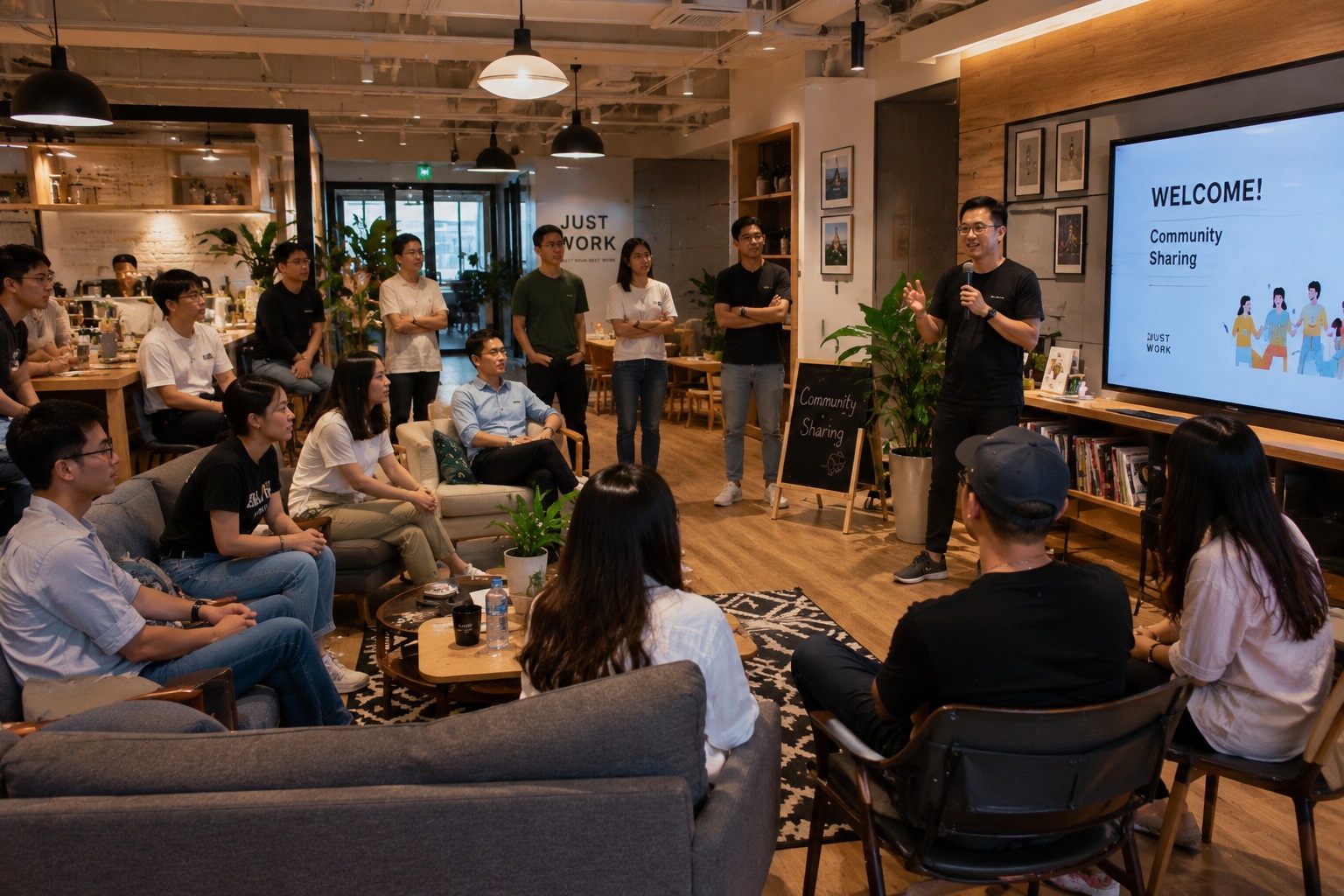
To prevent these spaces from becoming mere rental rooms with Wi-Fi, operators have become community managers. They organize “Friday Pitch Nights,” skill-sharing workshops, and even yoga sessions. These events are not just for fun; they are designed to strengthen the social fabric of the building.
Rules are also enforced to maintain harmony. For instance, many spaces have a “quiet zone” policy or require members to wear headphones after 6 PM. There is often a digital community app where members can post requests for help—“Looking for a Chinese translator,” or “Need a UX review.” This digital layer complements the physical interaction, making the space feel like a living organism rather than a static office.
Beyond the Desk: A Microcosm of Urban Society
Shared offices in China are evolving into microcosms of urban society. They reflect the diversity and dynamism of the city outside. You will find LGBTQ+ friendly pods, parenting-friendly nursing rooms, and quiet corners for neurodivergent workers who need low-stimulation environments.
This inclusivity is a response to the changing values of Gen Z and millennial workers. They seek workplaces that respect their individuality while providing a sense of belonging. The co-working space, therefore, becomes a hybrid: part office, part club, part community center.
For foreign observers, this might seem unusual. In many Western countries, co-working is often viewed as a cost-saving measure for startups. In China, it has become a social necessity. It is a way to navigate the isolation of modern urban life while staying connected to the pulse of innovation.
The Human Connection
As the sun sets over Beijing’s skyline, the lights in the co-working space stay on. Li Wei finishes his design mockups and packs up. He isn’t going home immediately. He has a meeting with the blockchain developer from earlier to discuss a potential app idea. They will meet at a nearby tea house, not because they have to, but because they want to.
This is the new social logic of Chinese urban life: collaboration born from proximity, trust built through shared space, and community found among strangers. It is not perfect. There are still conflicts over noise, cleaning schedules, and privacy. But for millions of young professionals, it is a vital lifeline in a fast-moving world.