


The End of the “Morning Raid”
Five years ago, if you wanted to see a specialist at a top-tier hospital in Beijing or Shanghai, your day began before dawn. Families would send one member to camp outside the hospital gates at 4:00 AM, armed with thermoses and folding chairs, just to secure a “number” for registration. By the time the doors opened, long lines snaked through corridors, filling every inch of available space.
Today, that scene is largely obsolete in major urban centers. The anxiety of the “morning raid” has been replaced by the quiet tap of a smartphone screen. For most patients under 60, booking an appointment is as simple as ordering takeout food.
How the Digital System Works
The transformation is driven by a unified digital infrastructure that connects hospitals with national and provincial health platforms. Most tertiary (Level 3) hospitals now require online registration through official WeChat mini-programs, dedicated apps, or regional health cloud services.
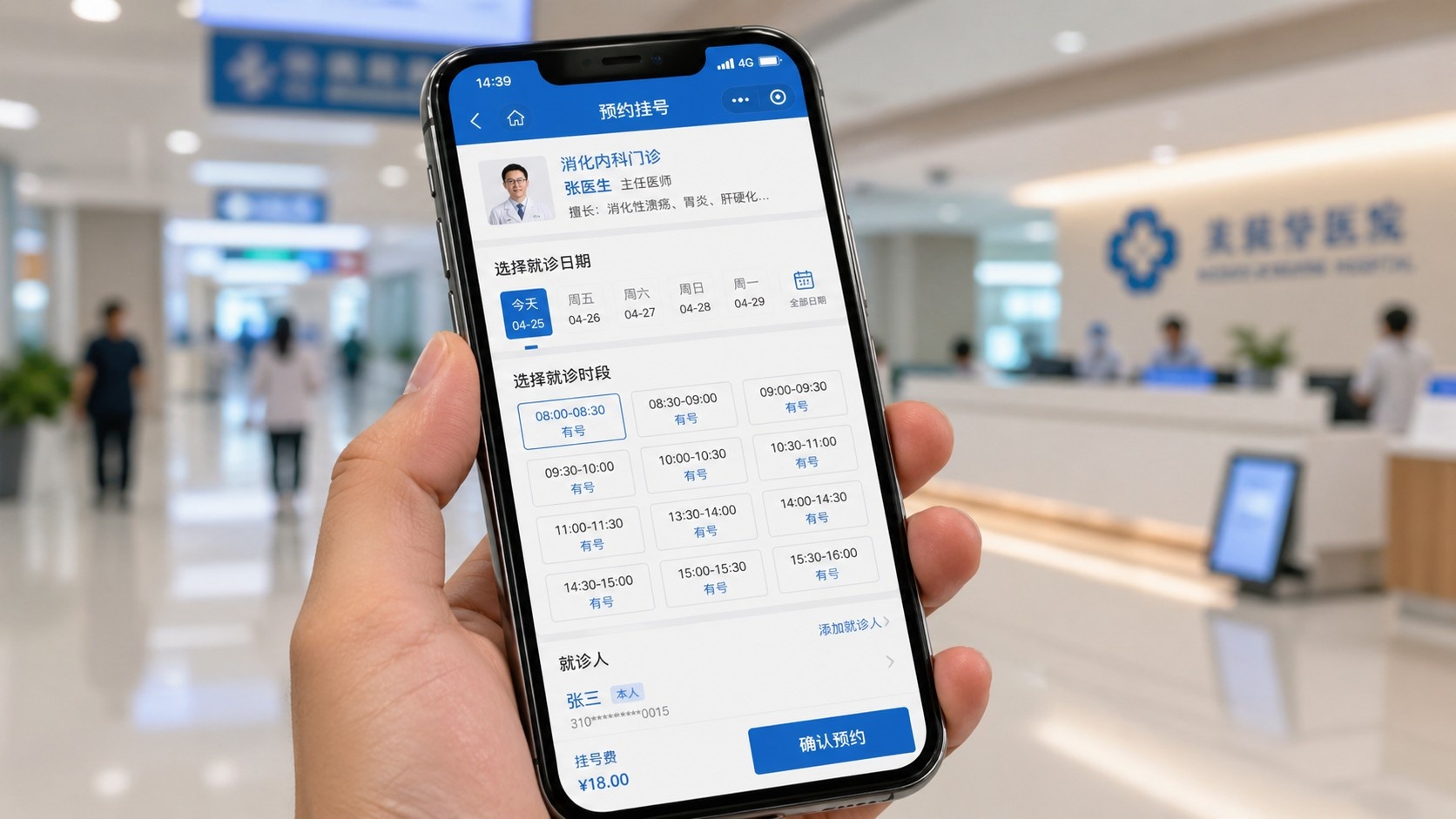
Here is how the modern process typically unfolds:
- Pre-registration: Patients use their national ID cards to bind their medical insurance information to a digital account. This can be done days in advance.
- Appointment Selection: Users choose a specific doctor, date, and time slot (e.g., 9:30–10:00 AM). This eliminates the uncertainty of “first come, first served” queues.
- Triage & Payment: After booking, patients often complete preliminary symptom questionnaires. Many hospitals now allow online payment for consultations and tests, reducing visits to cashiers.
- In-Hospital Navigation: Upon arrival, a QR code on the phone serves as both ticket and ID. Patients wait in designated zones until their number is called on digital screens.
This system has drastically improved efficiency. In hospitals that have fully digitized, patient flow is smoother, and doctors spend less time managing administrative chaos and more time with patients.
The Efficiency Gain: By the Numbers
The impact of this shift is measurable. According to data from the National Health Commission, the average waiting time for outpatient registration in major Chinese cities has dropped significantly since the widespread adoption of digital booking systems around 2018-2019.
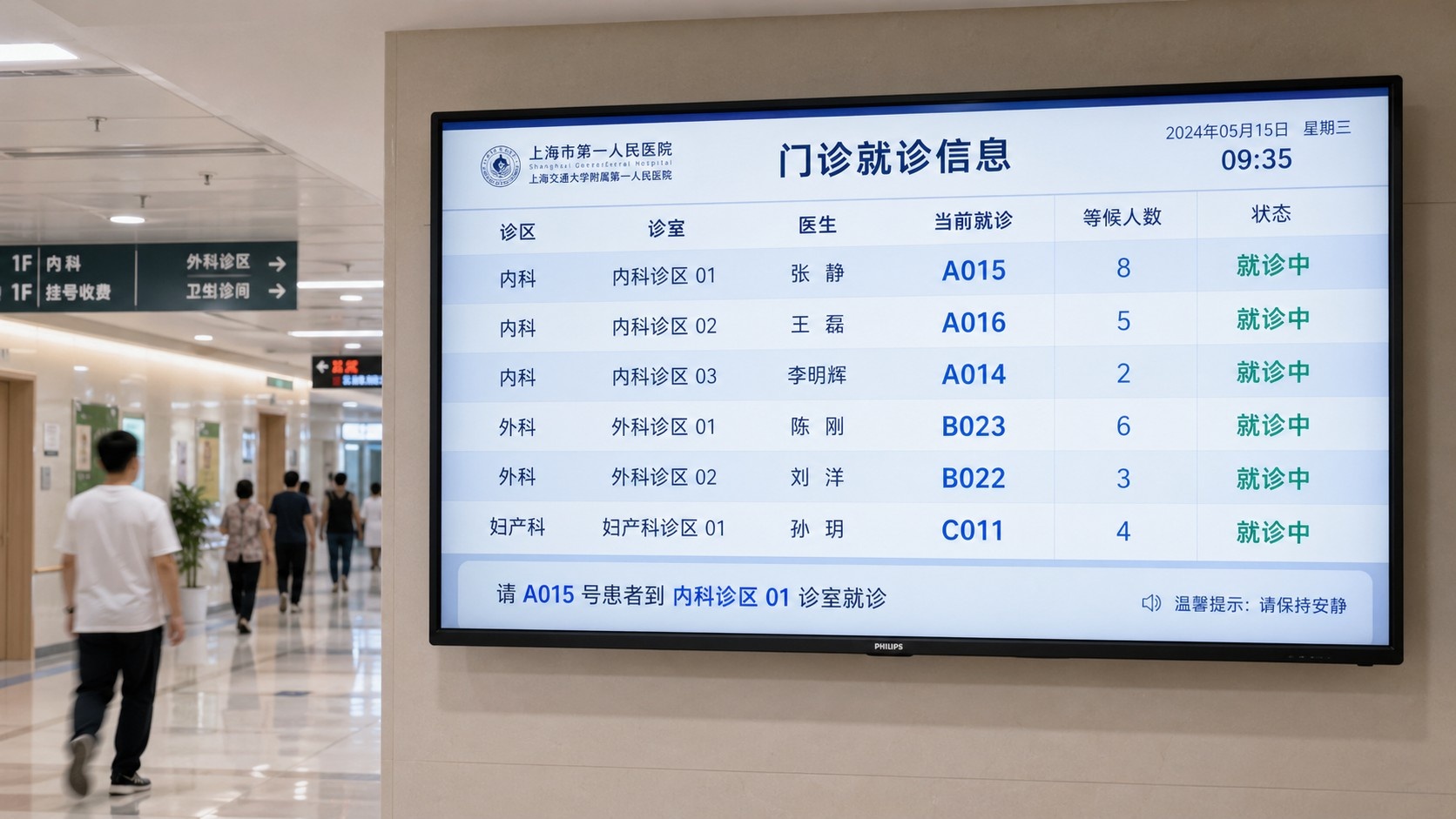
Consider the case of a busy cardiovascular clinic in Guangzhou. Before digitalization, doctors might spend 30% of their shift dealing with registration disputes and lost tickets. Today, that time is minimized. The average consultation time per patient has increased slightly because fewer interruptions occur.
Moreover, the “split-window” booking system allows hospitals to distribute patients more evenly throughout the day. Instead of a massive bottleneck at 8:00 AM followed by empty rooms at 2:00 PM, clinics operate with a steadier rhythm. This reduces patient fatigue and improves the quality of medical attention.
The Digital Divide: A New Challenge
However, the move from physical queues to digital interfaces has not been seamless for everyone. The most significant friction point is the “digital divide” affecting elderly patients.
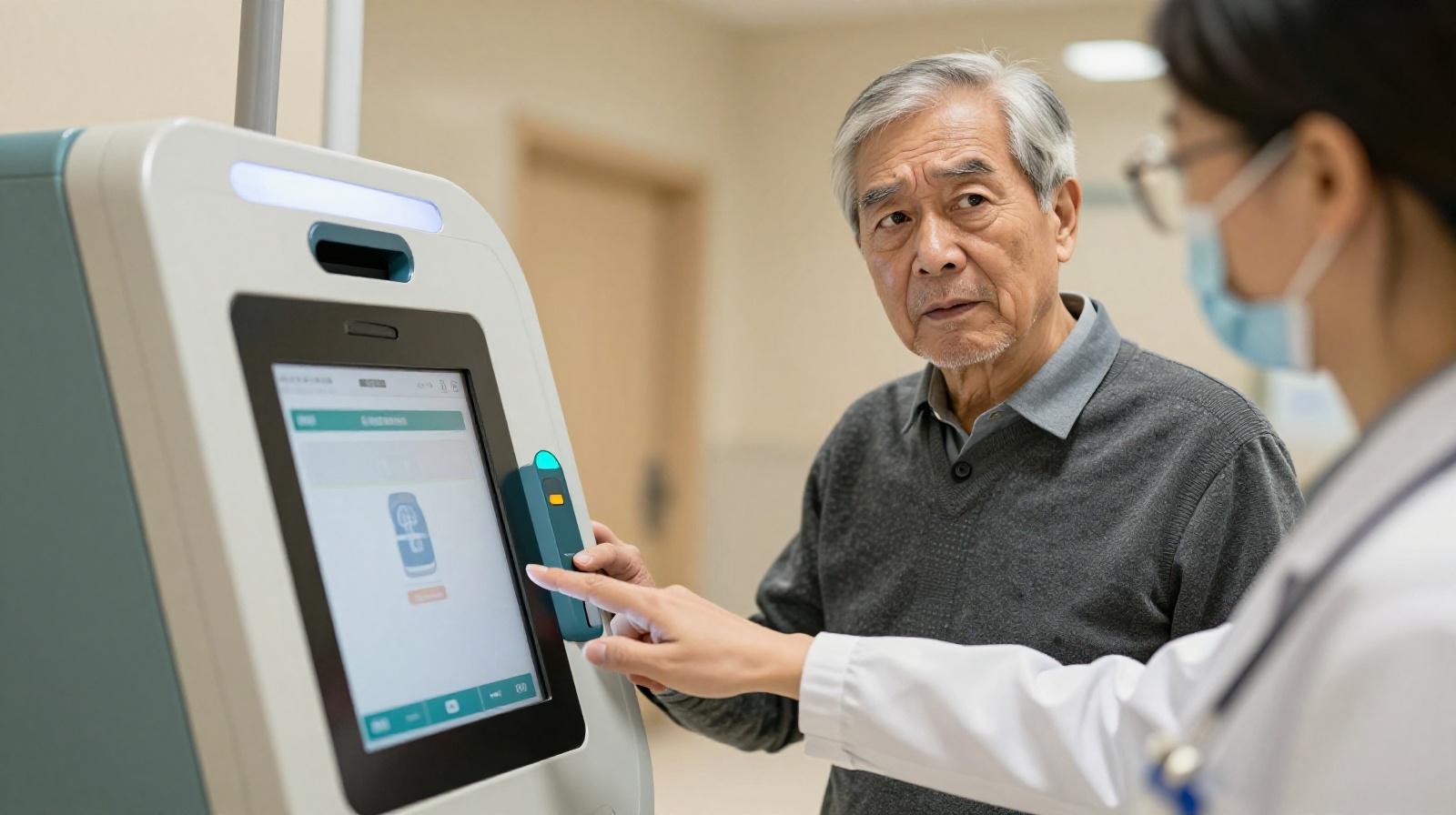
In China, many seniors do not own smartphones or lack the technical literacy to navigate complex apps. For them, the convenience of younger generations can feel like exclusion. A 70-year-old with hypertension might struggle more with a touchscreen interface than with standing in line for two hours—a familiar routine from their youth.
Hospitals have responded by creating hybrid models. Most major hospitals now retain “green channels” or manual windows specifically for the elderly, those over 75, or individuals without digital access. Staff members and volunteers are often stationed near entrances to help fill out forms on behalf of confused patients.
Looking Ahead: Integration and AI
The current phase is just the beginning. The next step in China’s healthcare digitization is deeper integration. We are seeing the rise of “Internet Hospitals,” where follow-up consultations for chronic conditions can be handled entirely online, with prescriptions delivered via courier.
Artificial Intelligence is also entering the triage process. Some hospitals use AI chatbots to guide patients to the correct department before they even book an appointment, reducing misdiagnosis at the registration level.
The evolution from queuing numbers to phone appointments reflects a broader trend in China: the rapid modernization of public services. While it brings undeniable efficiency and convenience for the majority, it also highlights the ongoing effort required to ensure that technology serves all citizens, not just the digitally connected.