

The Sales Floor Disguised as a Gym
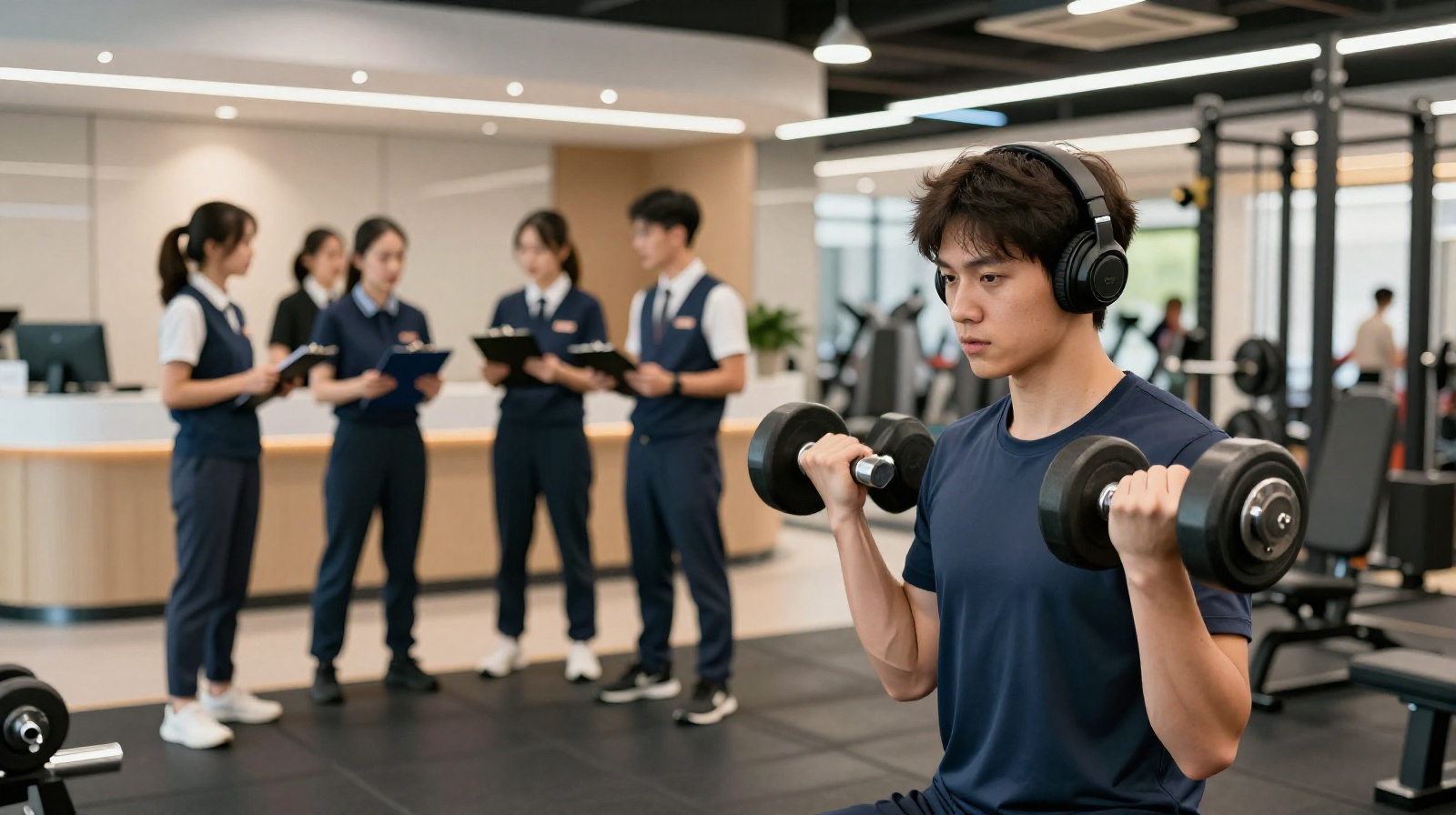
It is 6:30 PM on a Tuesday. The air inside “Iron Paradise Fitness” smells of rubber mats, sweat, and expensive cologne. While three people are quietly lifting weights in the corner, five sales representatives in matching uniforms are closing in on you from different angles.

This is the reality of gym culture in China for many urban residents. Unlike Western gyms where entry is often a simple tap of a card and silence prevails, Chinese commercial gyms operate more like high-pressure sales environments. The moment you step through the door, you are not seen as a potential customer; you are seen as a target.
The pitch usually starts with a complimentary fitness assessment. A trainer will measure your body fat, check your posture, and point out minor asymmetries that might not even be issues. Then comes the script: “You have great potential, but your core strength is weak. You need our 50-lesson package to fix this before it becomes an injury.”
For foreigners or those new to the Chinese market, this can feel overwhelming. The key is to understand that this aggression is a business model, not a personal attack. Your goal is to remain calm, detached, and focused on your own needs.
Negotiating the Price: Timing is Everything
In China, gym membership prices are rarely fixed. They are fluid, influenced by seasonality, location, and the gym’s cash flow needs. If you walk in during January or right after Chinese New Year, expect to pay premium prices. This is when “New Year, New Me” resolutions drive up demand.
To get the best deal, go when they are desperate. The worst times to visit are typically late autumn (October-November) and mid-winter (January-February), excluding the immediate post-holiday rush. Gyms need cash flow during these off-peak months to keep lights on.
Additionally, look for “Grand Opening” signs or gyms in newly developed residential compounds. These facilities are often trying to secure a baseline number of members before competitors move in. In these cases, you can sometimes negotiate discounts of 30% to 50% off the listed price, plus extra perks like free towel service or parking.

Spotting Contract Traps: The “Runaway” Risk
The most significant risk in China’s fitness industry is not bad equipment, but business instability. Many gym chains have expanded rapidly and then collapsed, leaving members with prepaid cards worth thousands of dollars and no way to get a refund.
Before signing anything, check the gym’s operational history. Are they a local independent studio or part of a large chain? Large chains are generally safer but may have stricter corporate policies. Small studios offer better service but higher risk.
Read the fine print carefully. Avoid contracts that state “No Refunds Under Any Circumstances.” Instead, look for clauses that allow for:
- Transferability: Can you sell your remaining membership to another person if you move or lose interest?
- Pause Options: Can you freeze your card for medical reasons or travel without losing months of value?
- Pro-rated Refunds: If they close down, is there a legal mechanism for refunds?
If a salesperson hesitates to let you read the contract at home or pressures you to sign immediately with a “one-time-only discount,” walk away. That hesitation is often a red flag.
The Art of Declining Personal Trainers
Even if you only want a basic membership, trainers will try to upsell you every time you check in. In China, a trainer’s income is heavily commission-based, so their persistence can feel relentless. Here is how to handle it gracefully.
Use the “Budget” Shield. This is the most effective and least confrontational method. Smile and say, “I really appreciate your advice, but my budget for fitness this year is strictly limited to the membership fee. I am not spending any extra money on training.” Once you set a financial boundary, they usually stop pushing because they cannot sell what you have already said you don’t buy.
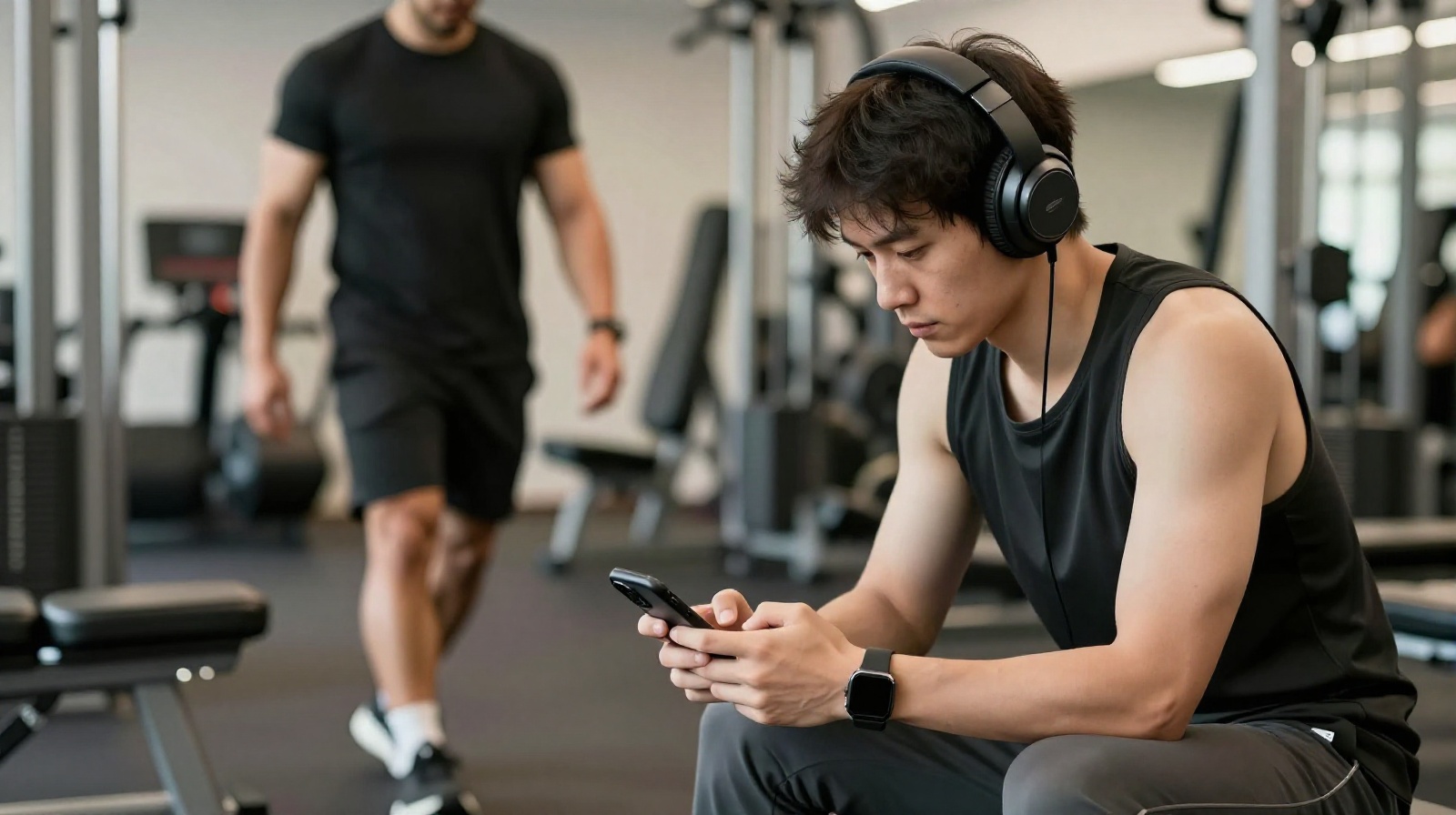
Use the “Independent” Shield. If they claim you need guidance for safety, respond with, “I prefer to train independently. I watch videos and follow my own plan. Please just let me use the equipment quietly.” Most trainers will respect this if delivered firmly.
Avoid engaging in debates about fitness science. Do not tell them their advice is wrong or that you know better. Simply reiterate your boundary: “Thank you, but I am good for now.”
Enjoy the Workout, Not the Sales Pitch
Despite the aggressive sales tactics, gyms in China have improved significantly in recent years. The equipment is often newer than in Western countries, and the culture of fitness is growing rapidly among young professionals.
The trick is to separate the experience from the transaction. Go with a clear mind, negotiate firmly but politely, and focus on your health. Once you are inside, wearing your headphones and lifting your weights, the sales team will largely leave you alone—unless you ask for their help.