
The Sunday Afternoon Dilemma
It is Saturday morning. You have just signed the lease for a new apartment in Shanghai, Beijing, or Shenzhen. The boxes are gone, the old furniture has been sold on Xianyu (China’s second-hand market), and now you stand in an empty room with echoing footsteps.
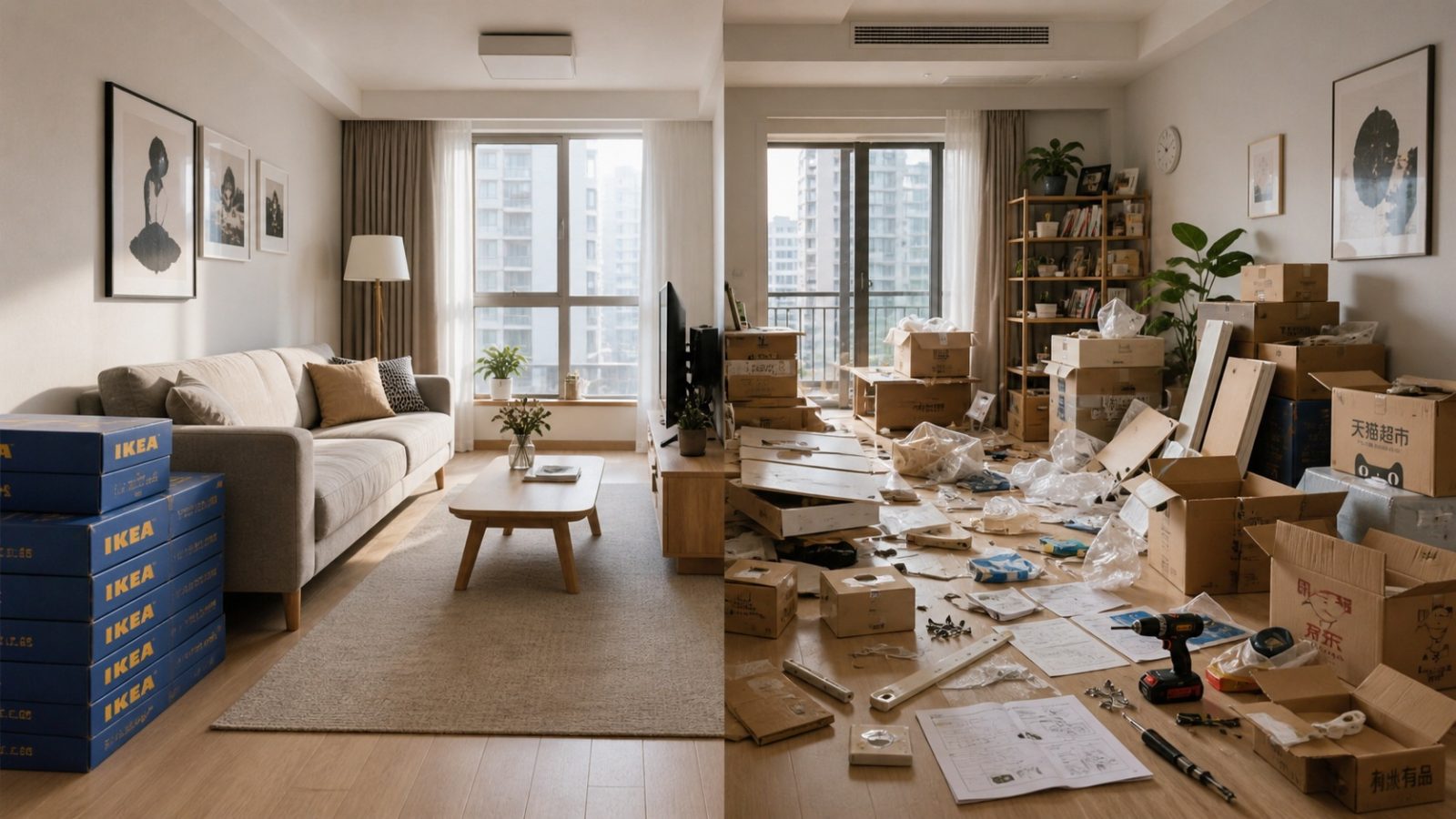
The clock starts ticking. Your bed frame is still a flat box in your mind; your wardrobe is just a measurement on your phone screen. In this moment, every expat or newcomer faces the same decision tree: Do I go to IKEA for peace of mind, or do I brave Taobao for the best deal?
IKEA: The Premium of Predictability
For many foreigners in China, IKEA is the default setting. It feels familiar. The blue boxes are recognizable anywhere in the world.
The appeal is simple: reliability. When you buy an IKEA bed or sofa, you are buying a system. Delivery is scheduled to the hour. If you pay extra for assembly, professional workers come with power drills and arrive on time. You drink coffee while they work, and by evening, your room looks like a home.
Taobao: The Ocean of Possibility
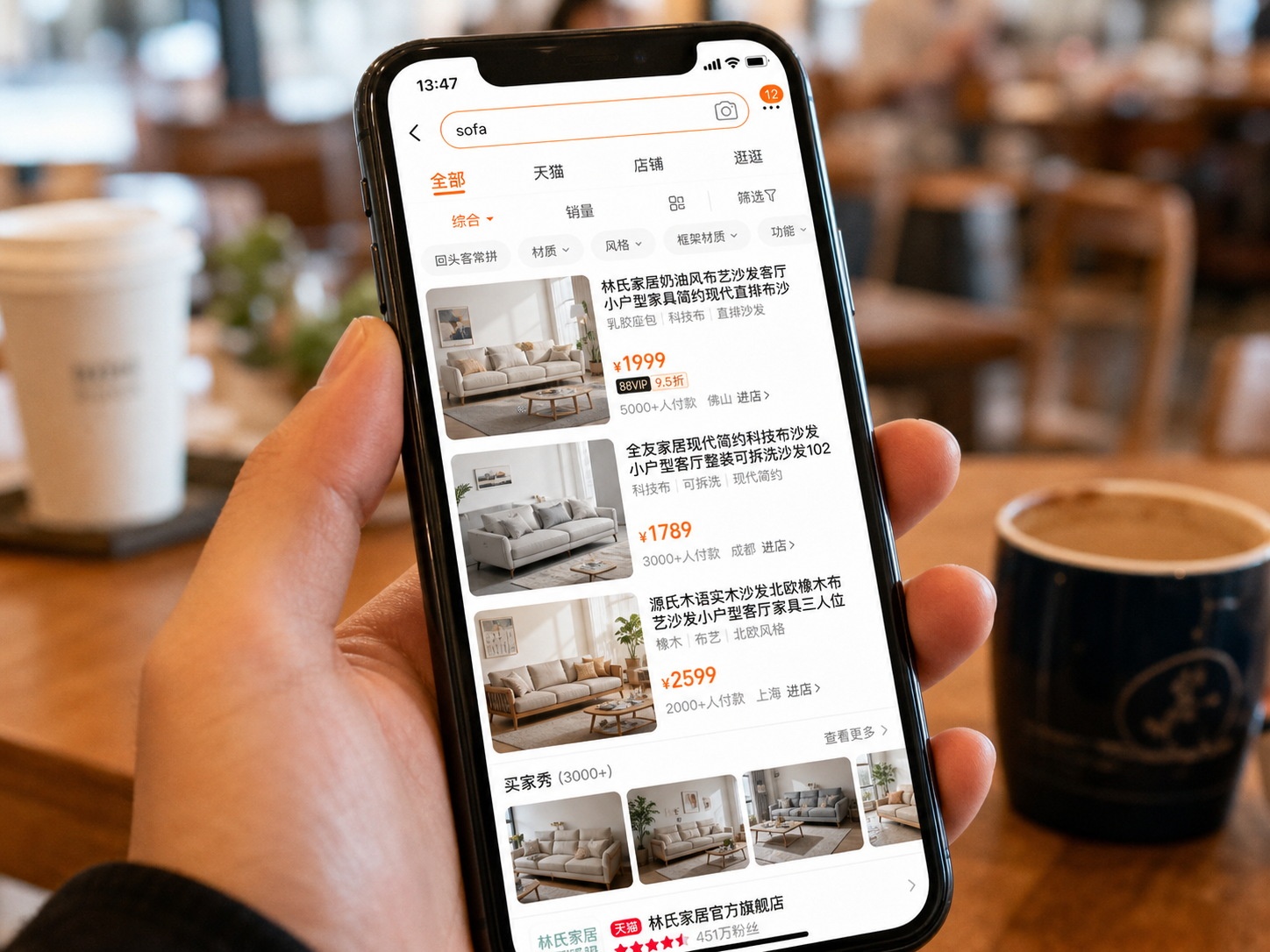
But then there is Taobao. It is not just a store; it is the entire ecosystem of Chinese manufacturing compressed into an app.
The prices are often 30-50% lower than international brands for similar-looking items. You can find mid-century modern chairs, solid oak dining tables, or smart LED mirrors that simply do not exist in local malls. The variety is overwhelming. You spend hours scrolling through user reviews and high-resolution photos.
However, the “low price” tag comes with a hidden tax: your time and labor. Most Taobao furniture ships flat-packed in boxes so large they might not fit in your elevator or stairwell. And unlike IKEA’s bundled service, delivery and installation are often separate line items—or worse, non-existent.
The Hidden Reality of “Taobao Assembly”
This is where the Chinese experience diverges sharply from the Western one. In Europe or North America, if a retailer doesn’t offer assembly, you might hire a handyman through TaskRabbit or ask a friend. In China, this process has evolved into a specialized gig-economy industry.
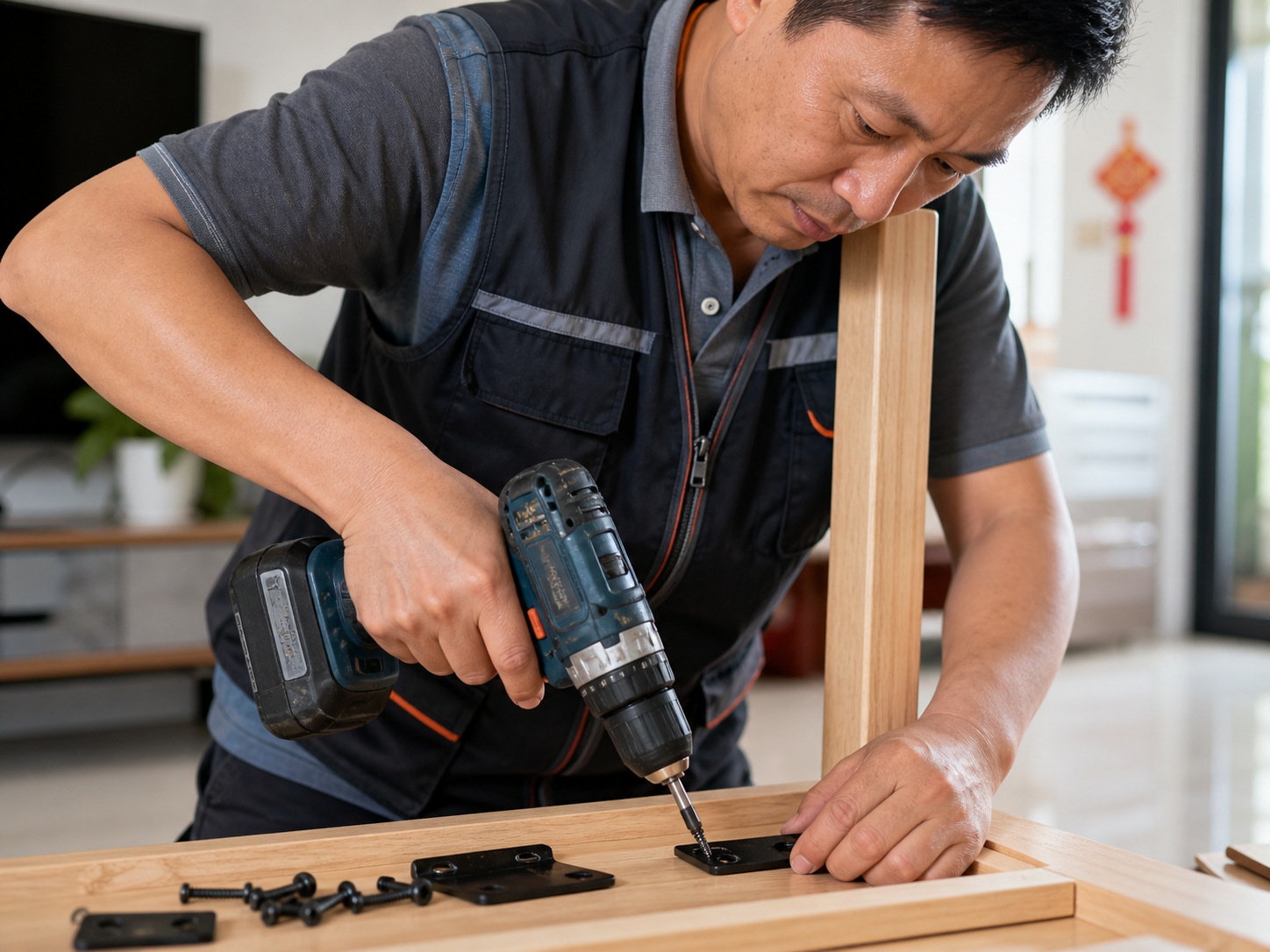
You will rarely find “handymen” in the traditional sense. Instead, you will encounter professional furniture assemblers who operate on platforms like Meituan or 58.com. These are often skilled workers who travel between sites with their own toolkits, treating furniture assembly as a full-time trade.
How to Survive Taobao Furniture Shopping
If you decide to chase the value of Taobao (and most locals do), here is how to avoid becoming an amateur carpenter against your will:
1. Filter for “Included Installation”
This is the single most important tip. When searching, look for tags that say Bao An Zhuang (包安装 – Includes Installation). Many mid-sized or large sellers bundle the cost of a third-party installer into the product price. It might seem slightly more expensive than the base price, but it saves you the headache of coordinating logistics.
2. Check the “Large Item” Logistics
If your item is over 60cm in any dimension, assume it will be shipped via freight, not standard courier. Confirm with the seller: Does delivery go to the door (Song Hu Shang Men)? In older apartment buildings without elevators, “doorstep delivery” often means they leave it at the ground floor entrance unless you negotiate a stair-carrying fee.
3. Verify Review Photos
Ignore the polished studio shots. Look for user-uploaded photos in real living rooms. This tells you about the actual color, material texture, and whether the assembly instructions are clear enough for a novice.
The Cultural Shift: Furniture as a Service
What we are seeing in China is the professionalization of domestic labor. The rise of platforms like IKEA, combined with the raw supply chain power of Taobao and JD.com, has created a hybrid market.
Young Chinese consumers no longer see furniture assembly as a weekend chore. They view it as a service to be outsourced. Whether they buy from an international brand or a local factory on Taobao, the expectation is clear: I pay for the product, I expect someone else to put it together.
This shift reflects a broader trend in Chinese cities: efficiency. Time is money, and the convenience economy allows people to focus on work and leisure rather than wrenching bolts under fluorescent lights.
Which Should You Choose?
If you are staying in China for only one or two years, or if you value zero stress, stick with IKEA. The higher upfront cost buys you simplicity.
If you plan to stay longer and want your home to reflect a specific aesthetic that isn’t available locally, embrace Taobao. Just remember: the price on the screen is not the final price. Factor in delivery fees, installation services, and perhaps a few beers for the worker who carries your heavy sofa up four flights of stairs.