
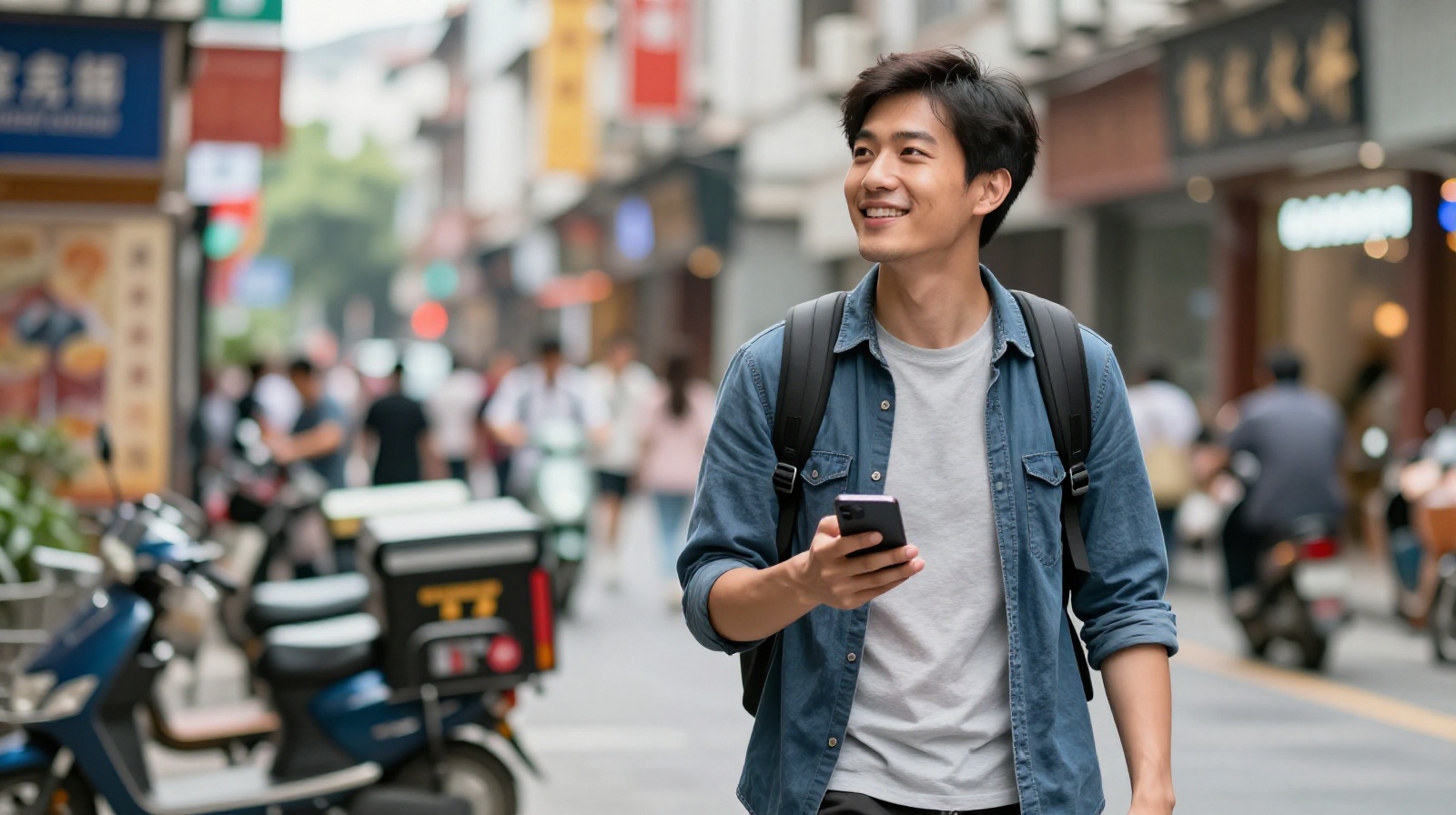

The Nightmare of the Heavy Suitcase
Imagine this: You have just landed in Shanghai. It is raining, your flight was delayed by two hours, and you are standing on a cobblestone street in the French Concession. In front of you stands a 30-kilogram suitcase. Behind you, a queue of tourists is inching forward toward the taxi stand.
This scene plays out in cities across China every single day. For travelers accustomed to cars door-to-door or compact carry-ons, navigating Chinese urban infrastructure with heavy luggage can feel like an obstacle course. The subway systems are efficient but often lack elevators in older stations; sidewalks can be narrow and crowded with e-bikes; and hotel check-in lines move slowly when you are the person struggling to lift your bag onto the conveyor belt.
The Local Solution: “Empty-Handed” Travel
Locals have a simple answer to this problem. They don’t struggle. They send their bags ahead.
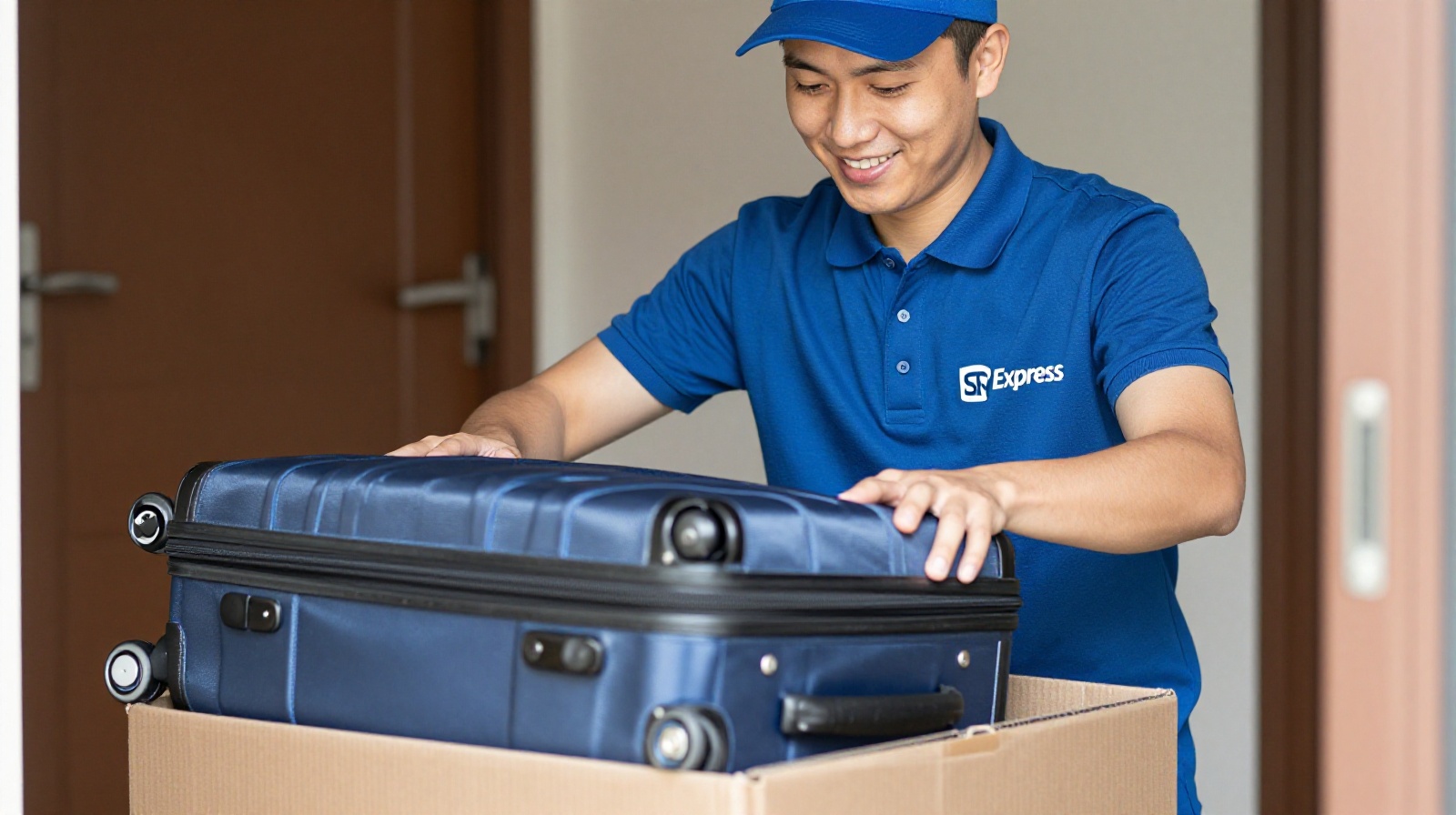
In China, the concept of “empty-handed travel” (or *kong shou xing*) is not just a trend; it is a standard logistical strategy. Using major courier services like SF Express (Shunfeng) or JD Logistics, you can have your heavy luggage delivered directly from your departure airport, train station, or current hotel to your next destination.
How It Works: A Step-by-Step Guide
You do not need to be fluent in Mandarin to use these services. The process is remarkably similar to using Uber or DoorDash, but for physical goods. Here is how it works:
- Book via App: Download the SF Express app (or use WeChat/Alipay mini-programs). Both have English interfaces.
- Schedule Pickup: Enter the pickup location and the destination hotel address. You can choose “same-day” or “next-day” delivery. For inter-city travel, next-day is standard and reliable.
- Packaging: A courier will arrive at your door. They will provide boxes, tape, and straps. If you are worried about damage, they offer insurance and professional packing for bulky items like suitcases or even musical instruments.
- Payment: Pay digitally via the app. No cash needed.
Cost vs. Convenience: The Math Adds Up
A common question from foreign visitors is: “Isn’t shipping bags expensive?”
The answer depends on distance, but for intra-city or short inter-city trips (e.g., Shanghai to Hangzhou), it is surprisingly cheap. A 30kg suitcase might cost between 100 to 200 RMB ($14–$28 USD). Compare this to:
- The physical toll of carrying that weight through a humid summer.
- The cost of hiring private drivers or multiple taxis with luggage fees.
- The value of two extra hours of sightseeing instead of standing in a hotel lobby waiting for your bag.
For longer distances, such as Beijing to Xi’an, it may cost slightly more (around 200-300 RMB), but the speed is impressive. Many express services guarantee next-day arrival, meaning you can fly to Xi’an in the morning and have your winter coats waiting for you at your hotel by dinner time.
Trust and Safety
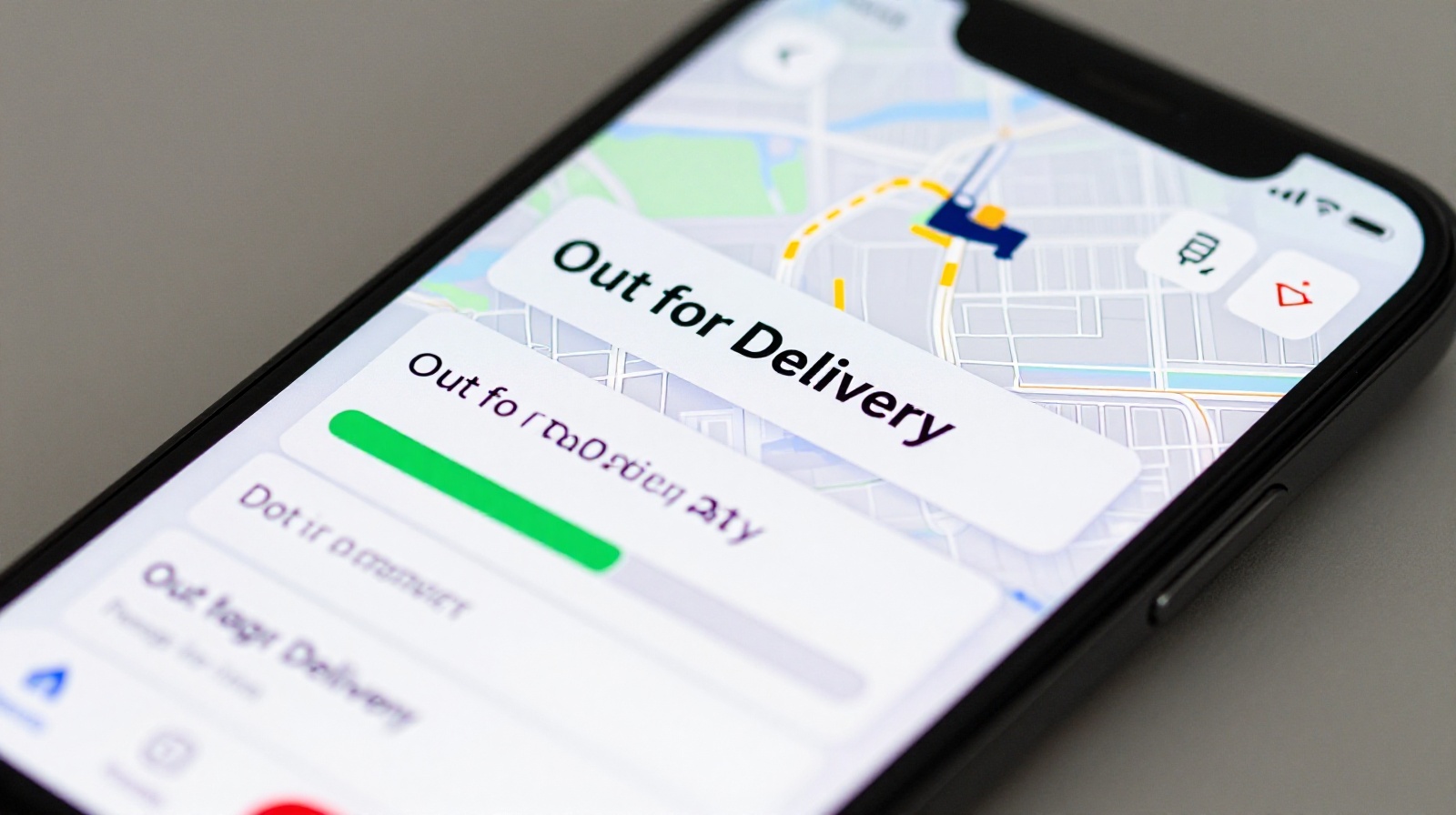
If you are worried about leaving your valuables with a stranger, rest easy. SF Express is one of China’s most trusted brands, listed on the Hong Kong Stock Exchange. They handle billions of packages annually with rigorous tracking systems. You can watch your package move from the pickup point to your hotel on a map in real-time.
A Philosophy of Efficiency
Why is this so common? It reflects a broader shift in Chinese urban life: the prioritization of time and convenience. In high-density cities, space is limited, and traffic is heavy. The “lazy economy” has driven innovation in logistics to solve these pain points.
For tourists, adopting this habit changes the entire rhythm of your trip. You arrive at your new city light, relaxed, and ready to explore immediately. Your luggage will catch up with you later, safely delivered.
The next time you pack for China, leave the heavy bags behind. Send them ahead. You might find that traveling “empty-handed” is the most luxurious thing you can do.